

A World Anesthesia Day special on discovery, the spread of medical knowledge, and the responsibility carried by modern anesthesia.
Anesthesia Epochs

On 24 September 2024, ACC/AHA and seven collaborating organizations replaced one-time cardiac clearance with a proceed-or-pause pathway spanning selective testing, medication transitions, intraoperative judgment, and postoperative follow-up
Anesthesia Epochs

On 23 October 2024, ASA revised a key handoff sentence within an existing five-standard responsibility chain, moving the endpoint from presence in a room to presence with the patient until the receiving nurse accepts nursing care
Anesthesia Epochs

Eight perioperative tasks became public on 3 January 2024: balanced retrospective samples showed classification signal, not bedside validation at real-world prevalence
Anesthesia Epochs
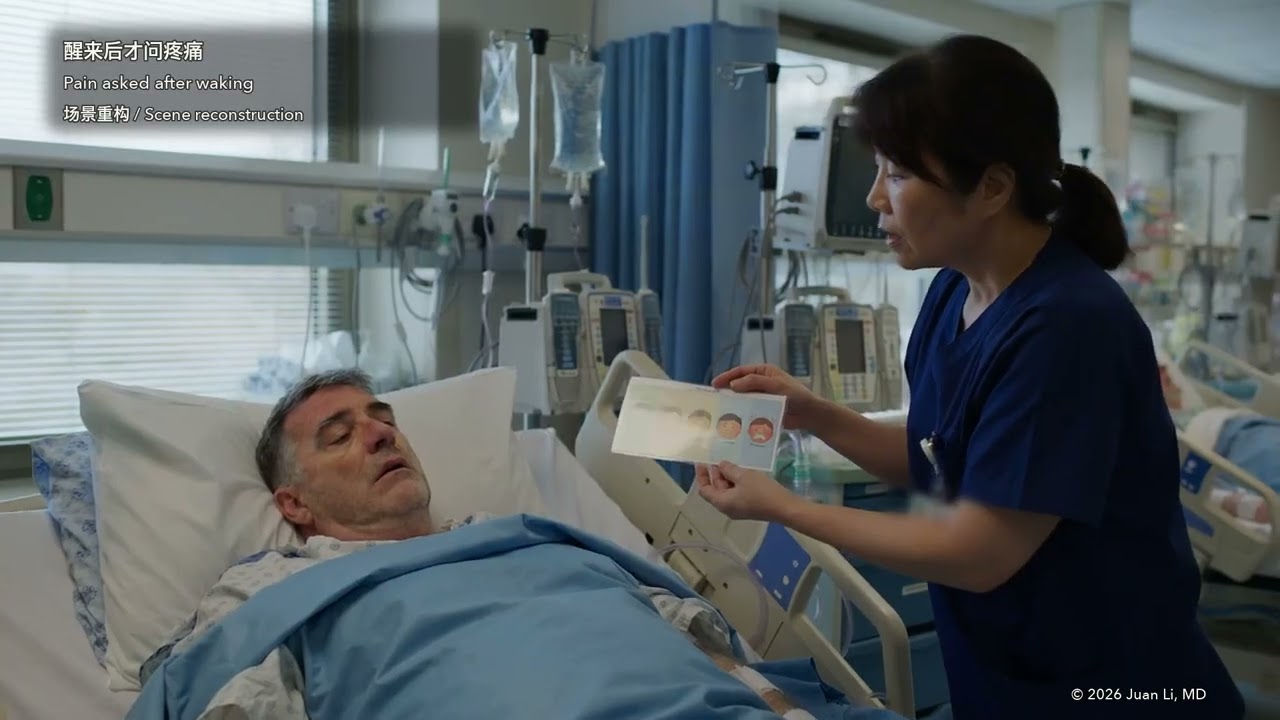
On 17 February 2023, DEN210022 brought a multiparameter physiological signal into Class II anesthesiology regulation—and wrote clinical judgment, vital signs, and non-independent use into the device type
Anesthesia Epochs

In 9,535 patients, two intravenous 1-g doses answered two questions that cannot be merged: bleeding fell from 11.7% to 9.1%, while cardiovascular noninferiority was not established
Anesthesia Epochs
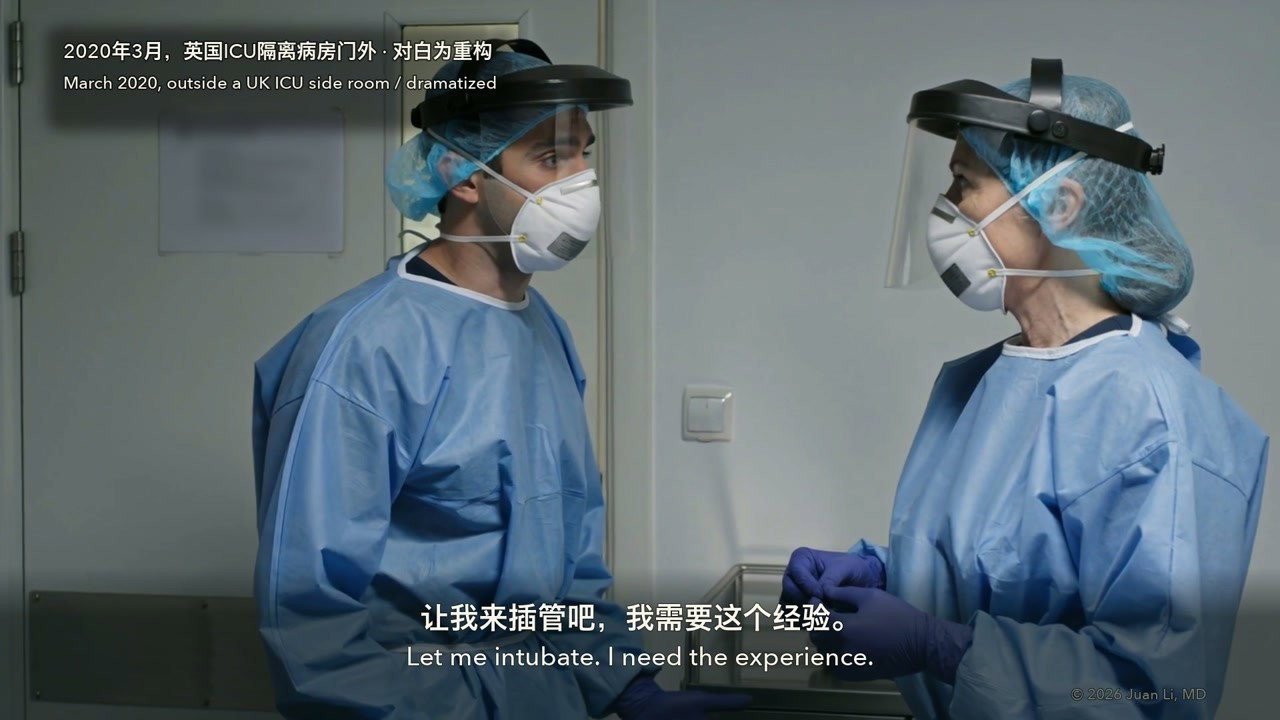
The rapid March 2020 consensus connected protection, roles, primary and rescue plans, confirmation, records, and extubation while declaring itself incomplete and revisable
Anesthesia Epochs

The same rapidly hydrolyzed benzodiazepine entered different indications in Japan and the United States; reversible never meant risk-free, and approval did not end surveillance
Anesthesia Epochs
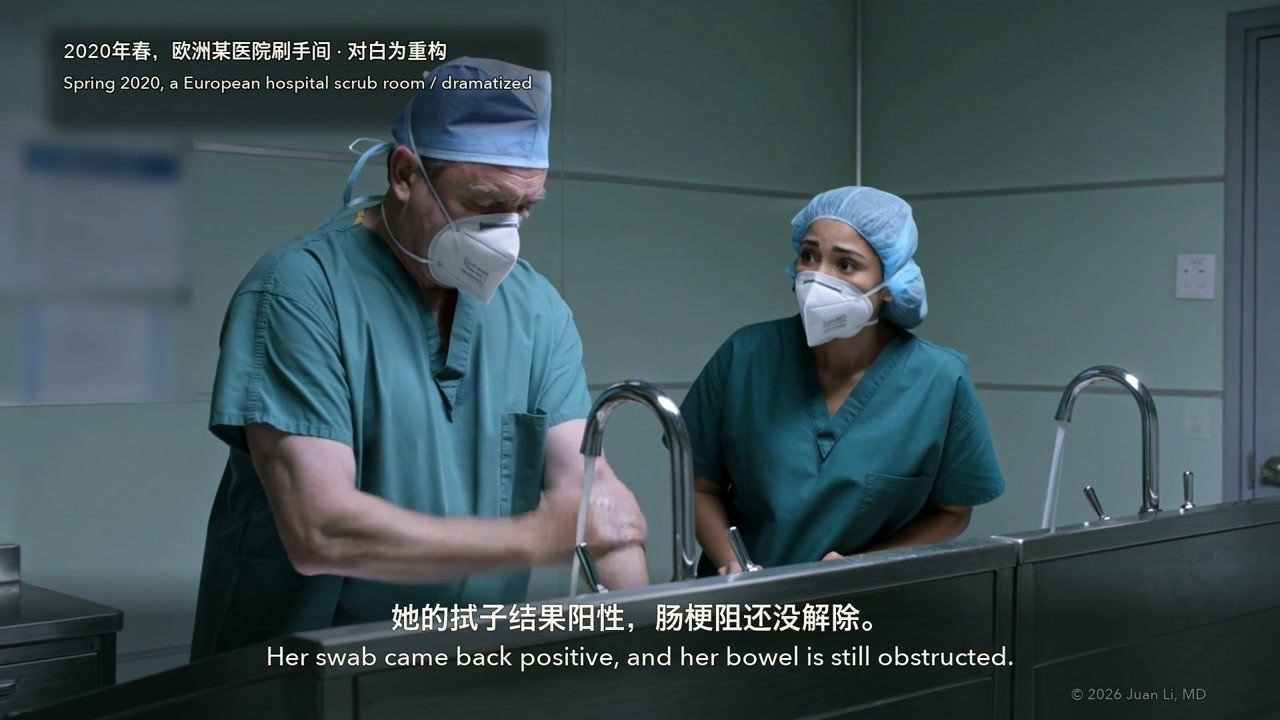
In weeks, 235 hospitals converted scattered cases into a visible signal; 23.8% and 51.2% changed the 2020 conversation, but an observational cohort was neither causal proof nor a modern risk table
Anesthesia Epochs
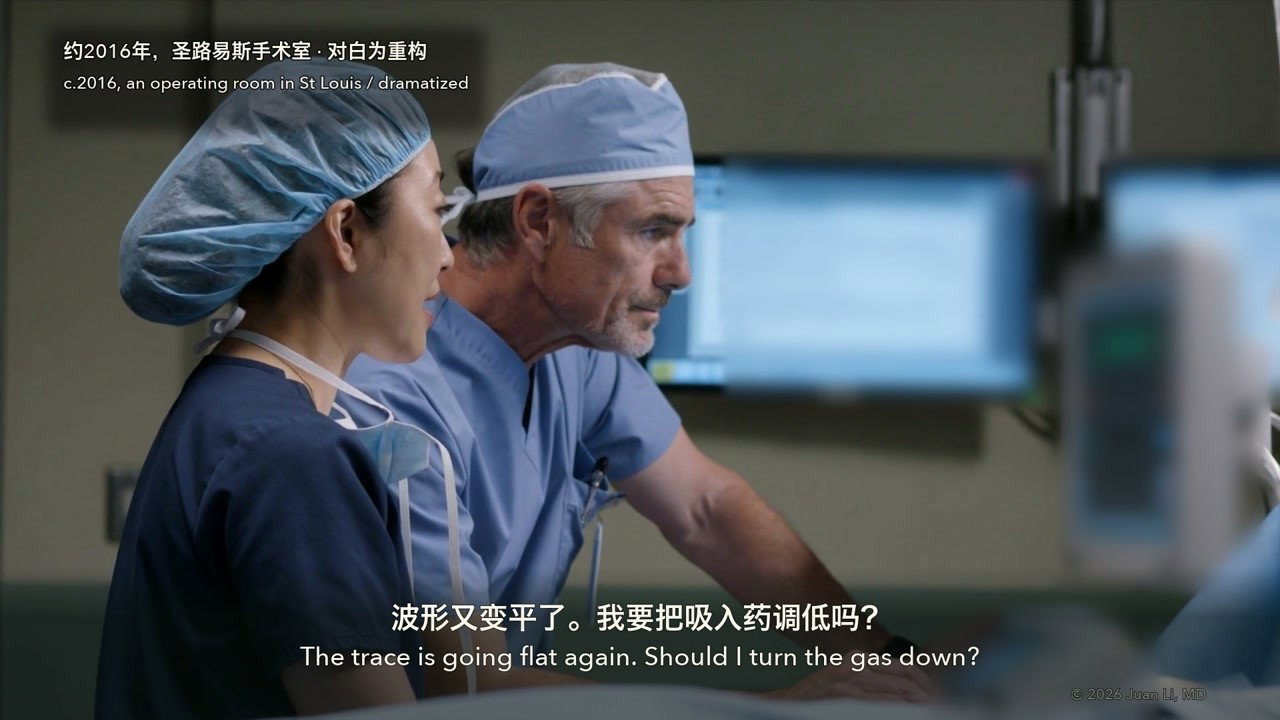
ENGAGES reduced volatile-anesthetic exposure and EEG suppression in 1,232 older surgical patients without demonstrating fewer delirium cases on postoperative days 1-5
Anesthesia Epochs
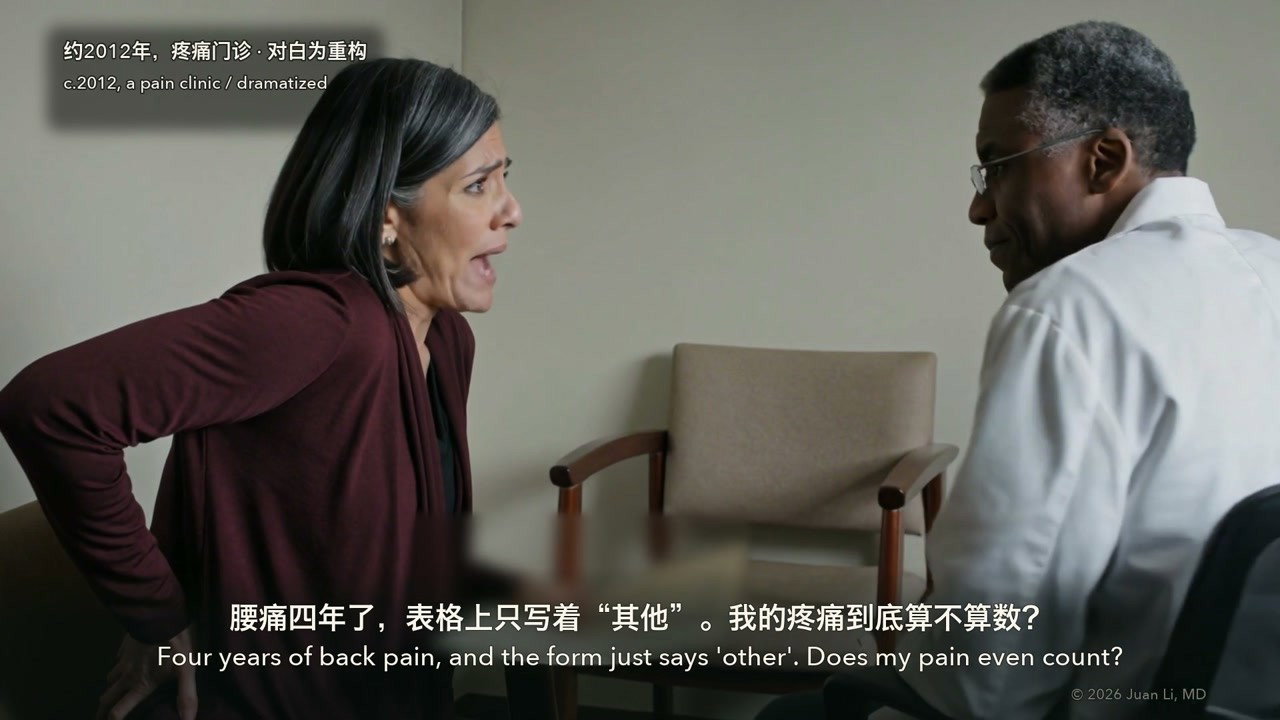
From a 2015 proposal and 2018 release to formal adoption in 2019 and effect in 2022, one classification preserved both primary and secondary pain
Anesthesia Epochs

The 2018 recognition of Beverley Orser illuminated a preclinical chain from anesthetic exposure to extrasynaptic tonic inhibition and delayed memory effects
Anesthesia Epochs
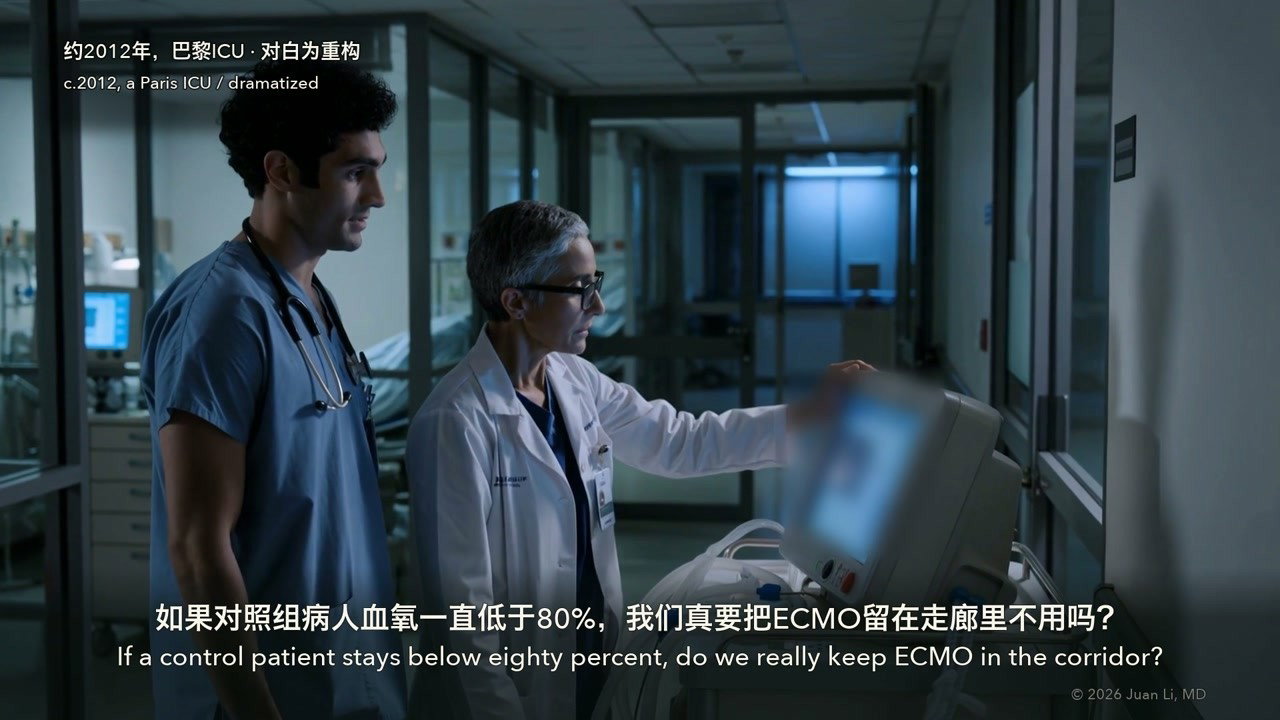
EOLIA made timing, crossover, early stopping, effect size, and statistical uncertainty part of the ECMO question
Anesthesia Epochs

The 2018 ASA/AARP summit connected communication, screening, care, and research into an agenda; its 2019 report still called for multicenter studies to test whether best practices reduce perioperative neurocognitive disorders
Anesthesia Epochs
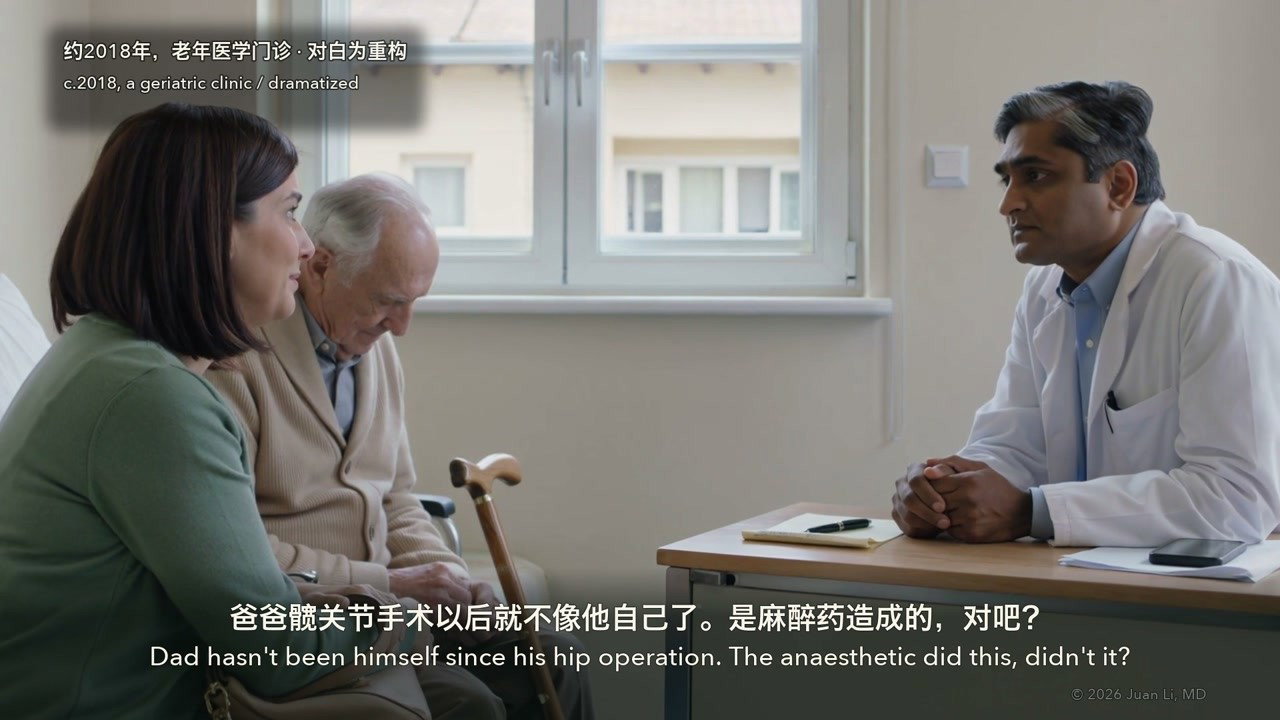
The 2018 PND consensus did more than rename POCD: it separated pre-existing disease, delirium, recovery, later NCD, and the evidence required for each
Anesthesia Epochs

The 2018 De Novo brought arterial-waveform forecasting to the bedside while making signal quality, clinical review, and algorithmic overreliance part of one Class II device definition
Anesthesia Epochs

A one-week network across 25 countries and 247 hospitals made postoperative mortality visible, while leaving a rescue hypothesis rather than a causal verdict or a census of Africa
Anesthesia Epochs

Only GAS randomized anesthesia; PANDA used sibling matching to reduce shared-family confounding, and MASK used population and propensity-guided sampling across zero, single, and multiple exposure—yielding bounded reassurance rather than a universal safety verdict
Anesthesia Epochs
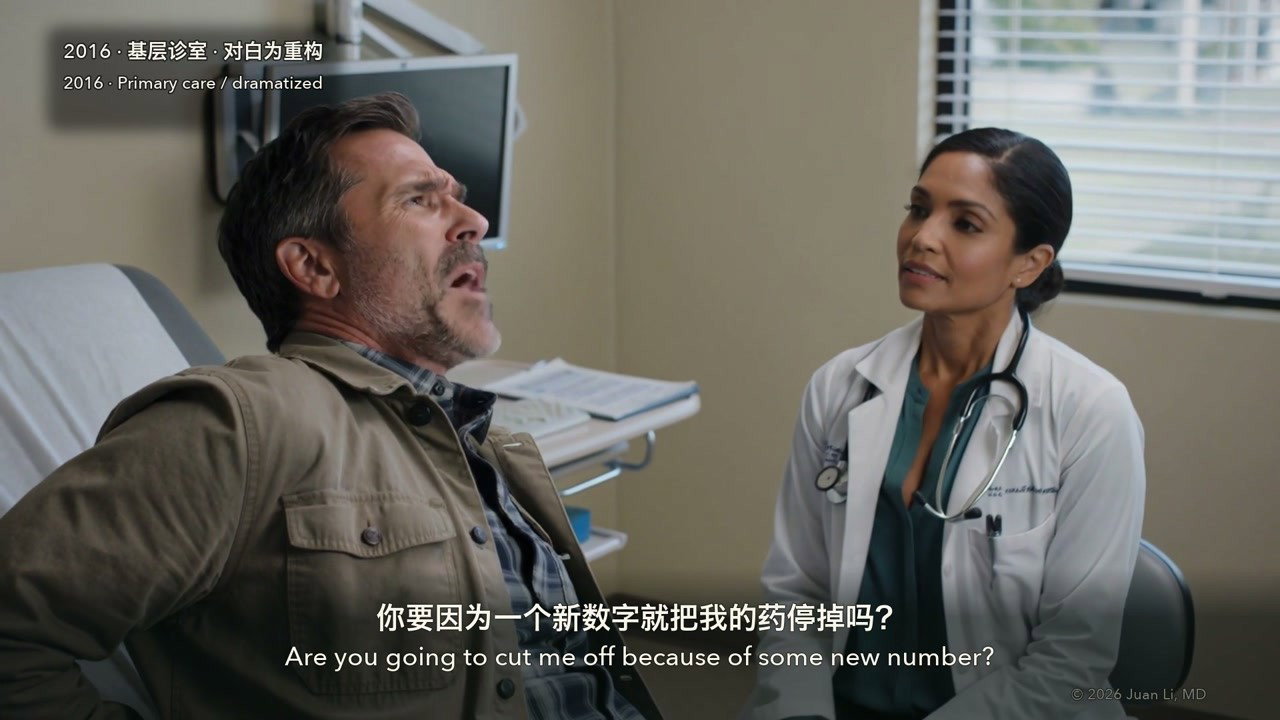
In 2016, CDC turned limited evidence, harm signals, and clinical context into chronic-pain prescribing guideposts, then later had to confront policies that turned guideposts into walls
Anesthesia Epochs

The 2016 report made the transverse process a visible endpoint while preserving a conflict between living sensory observations and cadaveric spread
Anesthesia Epochs
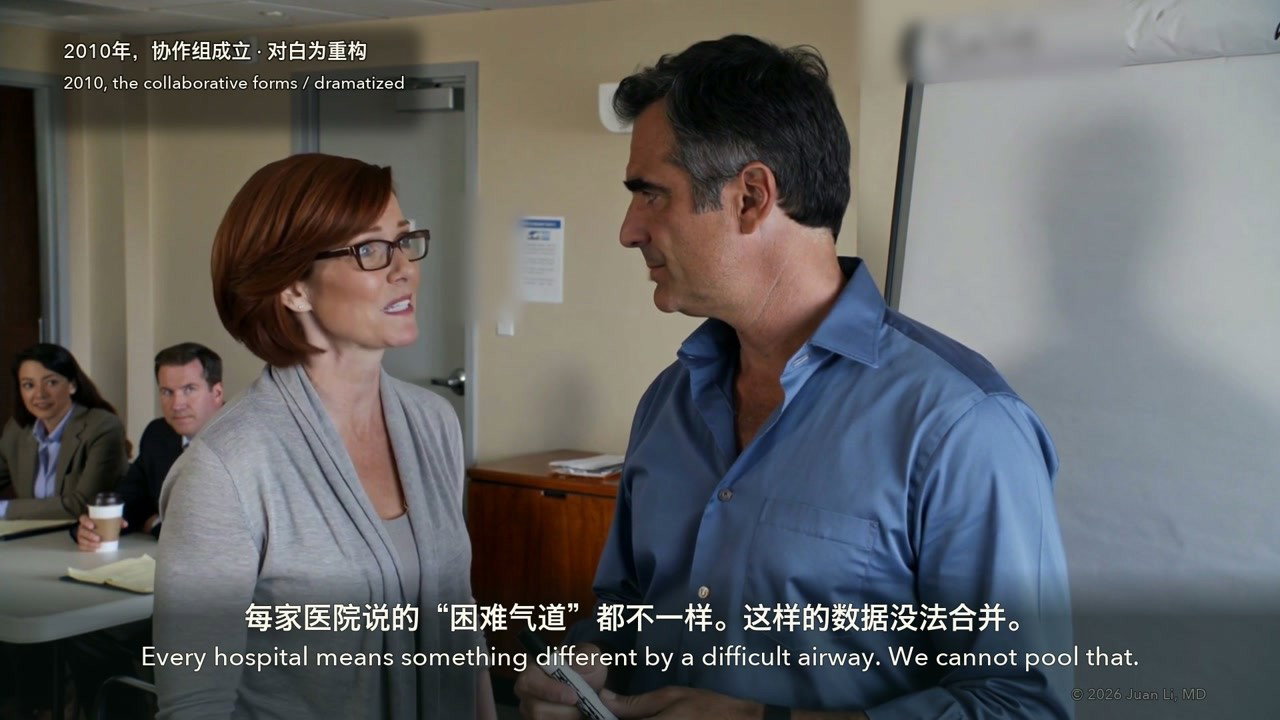
Shared definitions across 13 children's hospitals turned scattered events into a visible attempt-risk gradient while preserving the causal limits of registry evidence
Anesthesia Epochs

FDA had already seen rapid reversal; speed became approvable only after hypersensitivity, coagulation, and study reliability acquired reviewable boundaries
Anesthesia Epochs

It invented no new hemostatic technique; it asked every unit to prepare, every patient to be recognized, every hemorrhage to receive a staged response, and every event to return as learning
Anesthesia Epochs
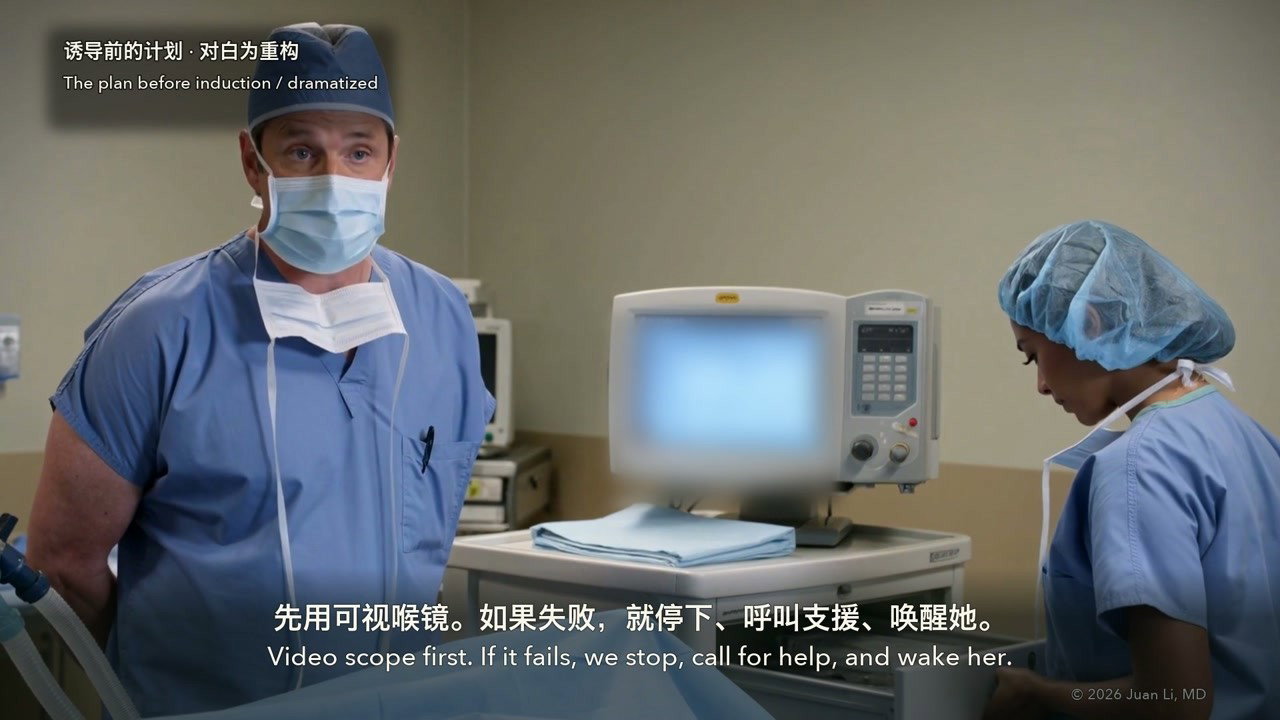
New evidence did not force a wholesale rewrite, but it gave video-assisted laryngoscopy an explicit place inside a still-recognizable difficult-airway architecture
Anesthesia Epochs

The 2013 report made two planes around serratus anterior visible and testable, while leaving surgical analgesia, safety, and comparative value unanswered
Anesthesia Epochs