ITL-3ceb4ddf52fa
Juan Li, MD · Updated November 17, 2026
Watch the video
Key points
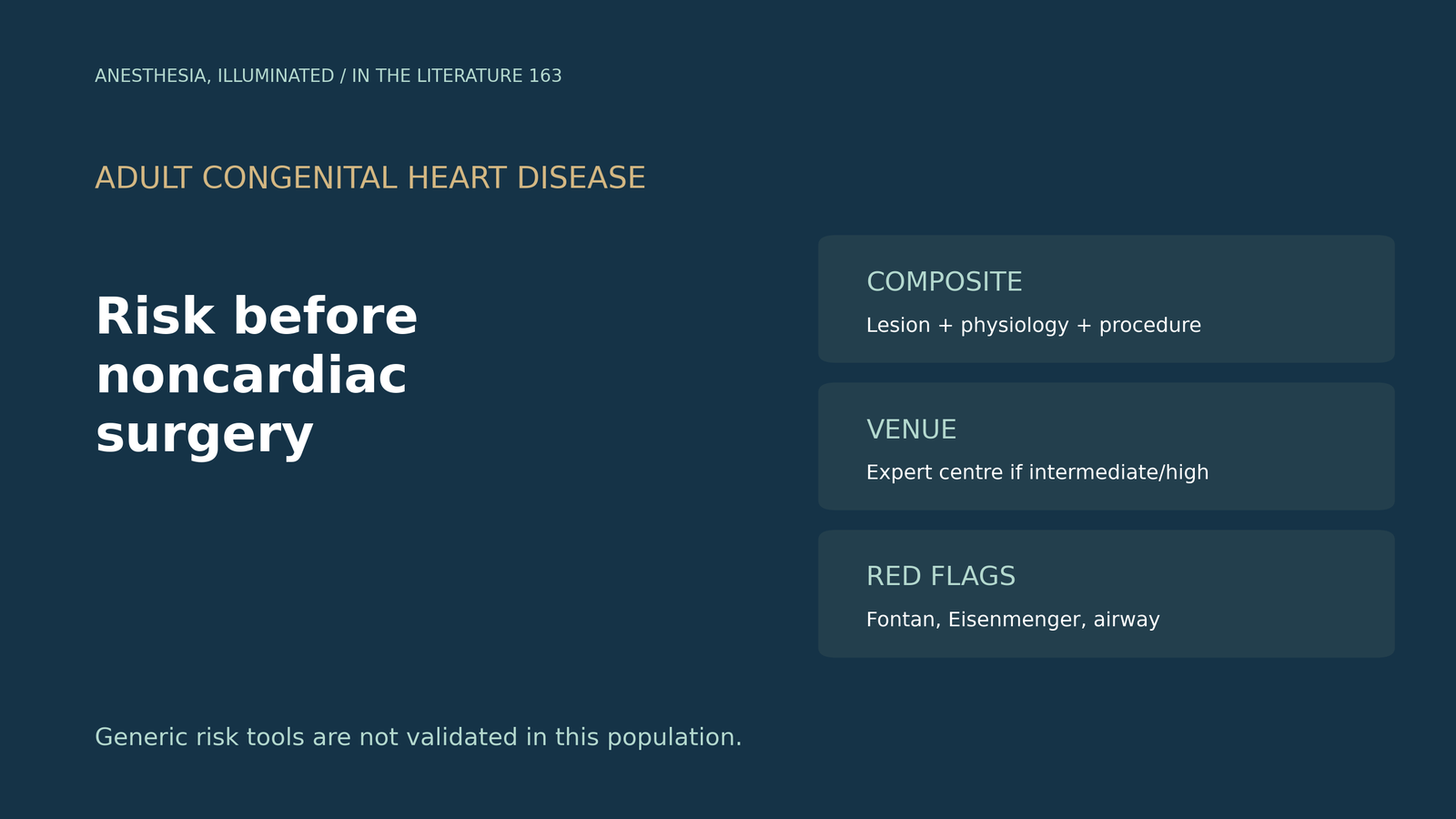
- The risk is real. Adults with congenital heart disease had a 76% higher risk of in-hospital death, mortality was 7.3% with complex lesions, and generic risk tools are not validated in this population.[1]
- Think in composites. Guidance combines lesion, physiological state and procedure risk into a composite score, and intermediate or high composite risk belongs in an expert centre.[2]
- Know the history and the team. Old records should be reviewed, and anesthesia should be given by, or with, an experienced anesthesiologist.[3]
- Measure, do not ask. In Fontan patients subjective functional capacity may mislead, and exercise testing is more objective.[4]
- Expect the airway. Difficult laryngoscopy occurred in 4.3%, and most of those patients lacked typical predictive signs.[5]
An adult with a Fontan circulation is booked for laparoscopic cholecystectomy at a general hospital. How should the risk be assessed, and where should the operation take place?[1], [2]
How large is the risk?
Ladouceur and colleagues summarize registry data: adults with congenital heart disease had a 76% higher risk of in-hospital death than other adults, and mortality was 7.3% with complex and 3.8% with simple lesions. Generic perioperative risk tools have not been validated in this population, and in closed claims inadequate preoperative assessment featured in 40% and insufficient postoperative monitoring in 50%. Lesion-specific data are sobering: complications occurred in 15% of 538 procedures in 154 Fontan patients; in Eisenmenger syndrome, hypotension occurred in 26%, all at induction, and propofol without vasopressors caused profound hypotension in 83%. The authors conclude that risk prediction remains limited by the lack of validated lesion-specific tools.[1]
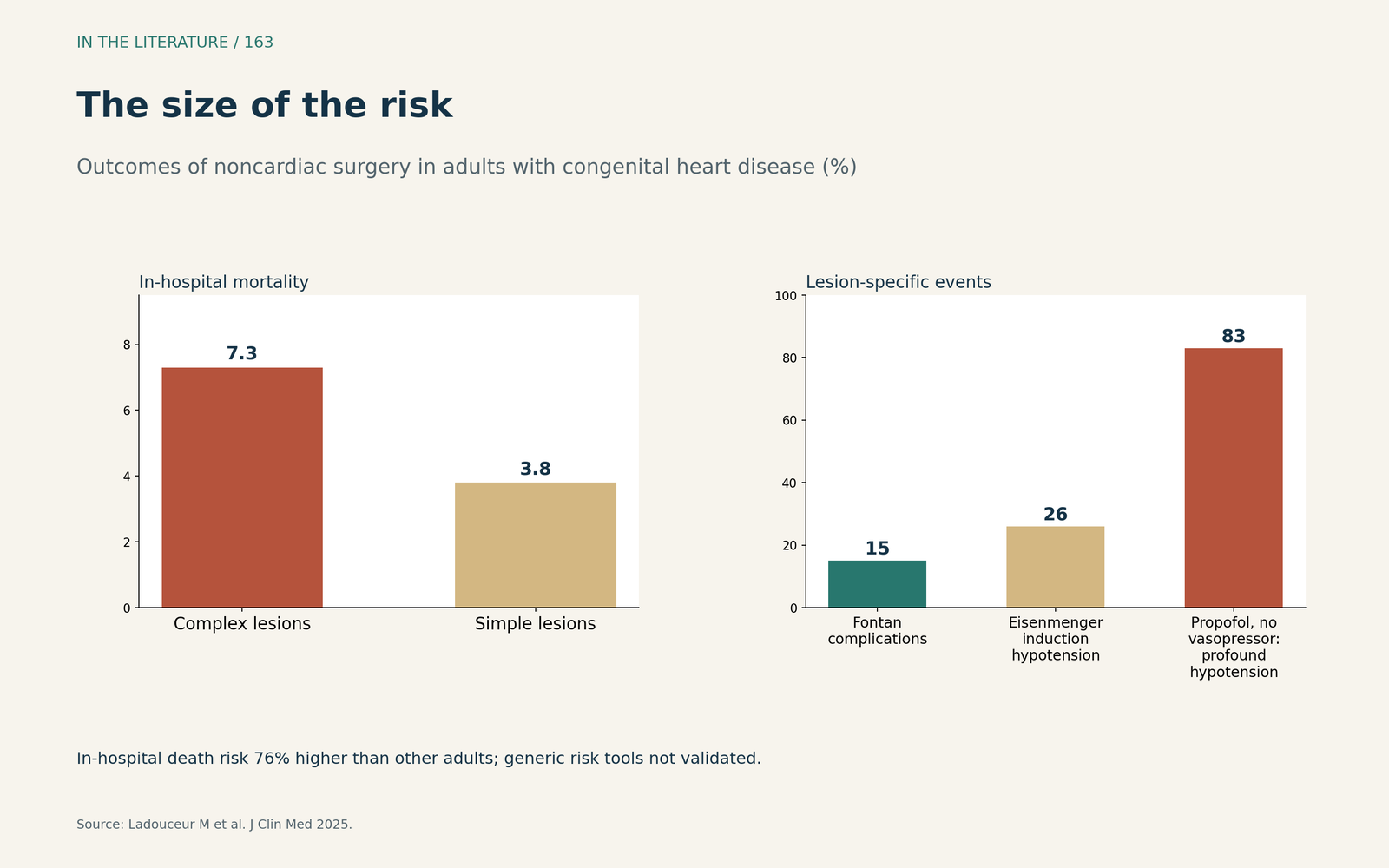
Figure 1. The size of the risk. Redrawn from Ladouceur et al.[1] View larger.

A composite approach and where to operate
Waldman and colleagues summarize the French guidance: these patients have complications at nearly 1.5 times the usual rate, CHD is graded into minor, intermediate and severe-risk categories based on symptoms, and three risk assessments combine into a composite risk; intermediate or high composite risk should be managed in an expert centre.[2] Up to 74% of these operations take place outside specialist centres, and some low-risk elective operations may be done there when composite risk is low.[1] The AHA/ACC guidance, as analysed by Goeddel and colleagues, recommends that higher-class patients have noncardiac procedures at a centre with ACHD experts, with anesthesia given by or with an experienced anesthesiologist, and that old records be reviewed; many recommendations rest on evidence from acquired heart disease that may not apply.[3]
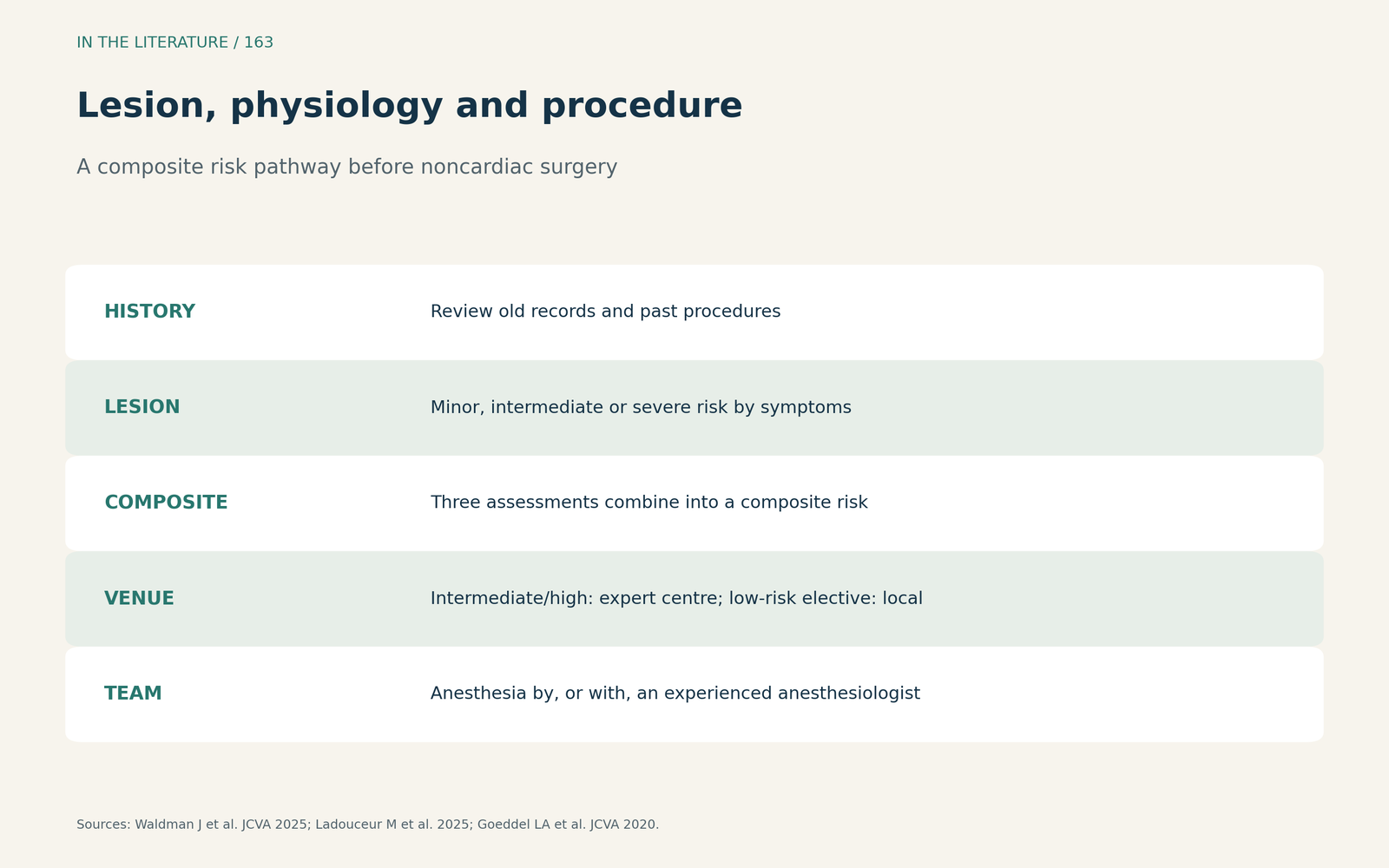
Figure 2. Lesion, physiology and procedure. Synthesized from Waldman et al., Ladouceur et al. and Goeddel et al.[2], [1], [3] View larger.

Lesion-specific red flags
McNamara and colleagues advise elective surgery for Fontan patients in an ACHD centre; subjective functional capacity may mislead, exercise testing is more objective, and atrial tachyarrhythmias occur in up to 60% of adults with a Fontan circulation.[4] Siddiqui and colleagues found difficult laryngoscopy in 38 of 878 intubated patients (4.3%); most lacked typical predictive signs, and about 30% of patients with congenital heart disease have associated syndromes.[5]
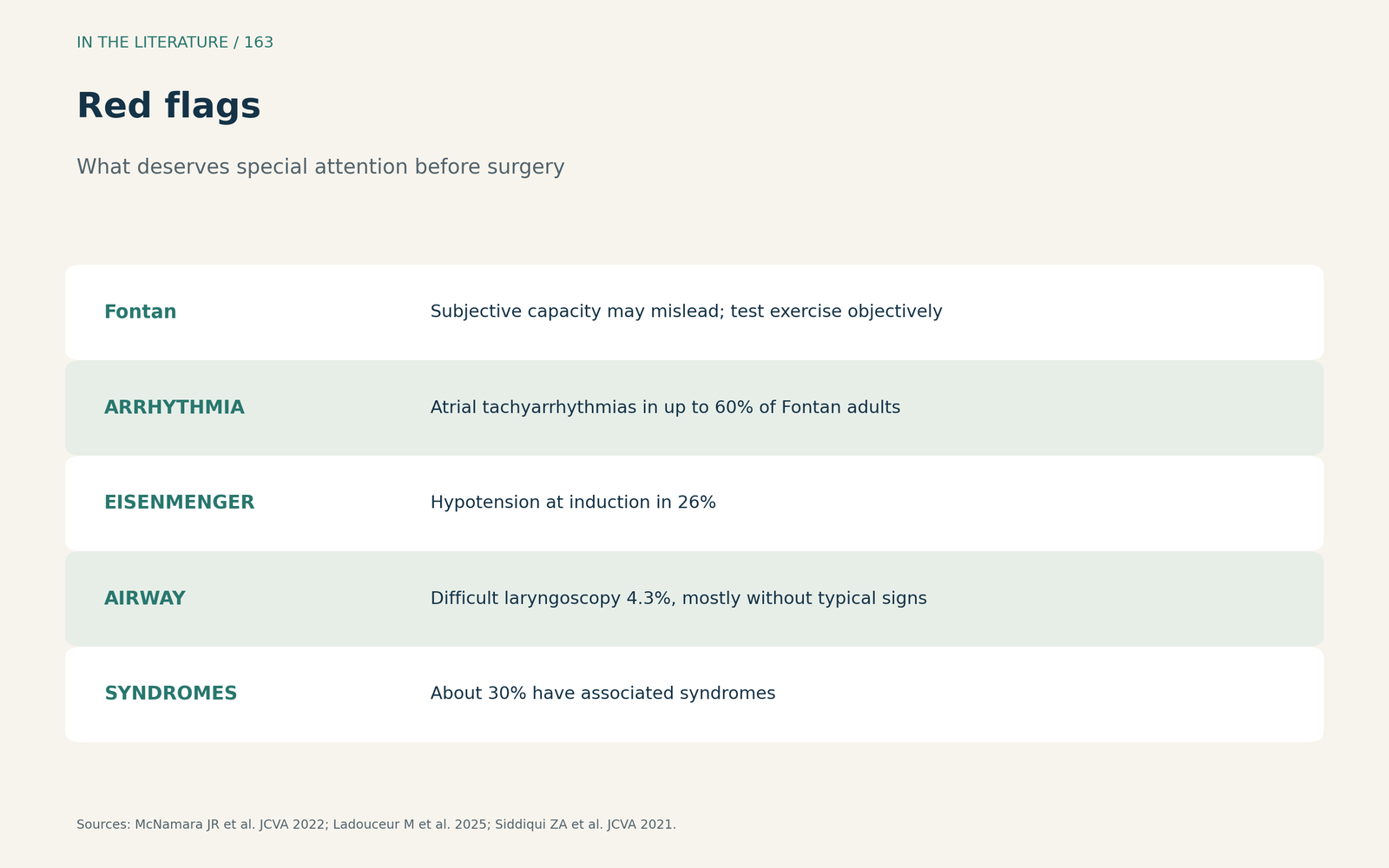
Figure 3. Red flags. Synthesized from McNamara et al., Ladouceur et al. and Siddiqui et al.[4], [1], [5] View larger.

Three takeaways
- Score the composite, not the label. Combine lesion, physiology and procedure risk.[2]
- Choose the venue deliberately. Intermediate or high risk goes to an expert centre with an experienced anesthesiologist.[2], [3]
- Look for the red flags. Fontan physiology, Eisenmenger induction and an unexpected difficult airway.[1], [4], [5]
References
- Ladouceur M, Valacco L, Ltaief Z, et al. Perioperative risk in adults with congenital heart disease undergoing non-cardiac surgery: challenges and tailored strategies. J Clin Med. 2025;14(10):3340. doi:10.3390/jcm14103340
- Waldman J, Ahlgren B, Ing R. Guidelines for anesthesia in adults with congenital heart disease for noncardiac surgery. J Cardiothorac Vasc Anesth. 2025;39(12):3228–3230. doi:10.1053/j.jvca.2025.08.024
- Goeddel LA, Jung YH, Patel P, et al. Analysis of the 2018 American Heart Association/American College of Cardiology guidelines for the management of adults with congenital heart disease: implications for the cardiovascular anesthesiologist. J Cardiothorac Vasc Anesth. 2020;34(5):1348–1365. doi:10.1053/j.jvca.2019.08.004
- McNamara JR, McMahon A, Griffin M. Perioperative management of the Fontan patient for cardiac and noncardiac surgery. J Cardiothorac Vasc Anesth. 2022;36(1):275–285. doi:10.1053/j.jvca.2021.04.021
- Siddiqui ZA, Chandrakantan A, Hills EE, et al. Incidence of difficult laryngoscopy in adult congenital heart disease patients: a retrospective cohort study. J Cardiothorac Vasc Anesth. 2021;35(12):3659–3664. doi:10.1053/j.jvca.2021.07.018