ITL-74fff2ef6a53
Juan Li, MD · Updated November 17, 2026
Watch the video
Key points
- The problem is real. Patients with a small annulus are at risk of prosthesis-patient mismatch if small valves are implanted, yet enlargement is used in only 3.7% of cases overall.[1]
- Survival is not clearly changed. Matched analyses showed no difference in overall survival, and in a Medicare registry early mortality was higher (odds ratio 2.06) before the survival curves crossed after 3 years.[1]
- Bigger valves, less mismatch. Enlargement allowed larger valves (median 23 vs 19) and less moderate-to-severe mismatch (20.6% vs 49.4%), but mismatch was predicted from manufacturer data.[2]
- Technique matters. The Y-incision allowed larger valves than traditional enlargement (median 27 vs 23) with less mismatch, although echo data were incomplete.[3]
- Watch the mitral valve. The Y-incision can deform the mitral annulus and shorten the anterior leaflet, causing acute severe regurgitation; perioperative TEE of the mitral valve is important.[4]
A small woman with severe aortic stenosis and a narrow annulus is scheduled for surgical aortic valve replacement, and the surgeon plans annular enlargement. Will enlargement prevent mismatch, and what should the anesthesiologist look for on TEE?[1], [4]
Survival and risk
Sá and colleagues pooled studies of aortic valve replacement with and without root enlargement. Enlargement was used in 3.7% of patients overall (2.9% to 28.1% by study), and matched analyses showed no difference in overall survival. In a cited Medicare registry, enlargement was used in only 2.9% and was associated with higher short-term risk (operative mortality odds ratio 2.06), but survival curves crossed after 3 years.[1]
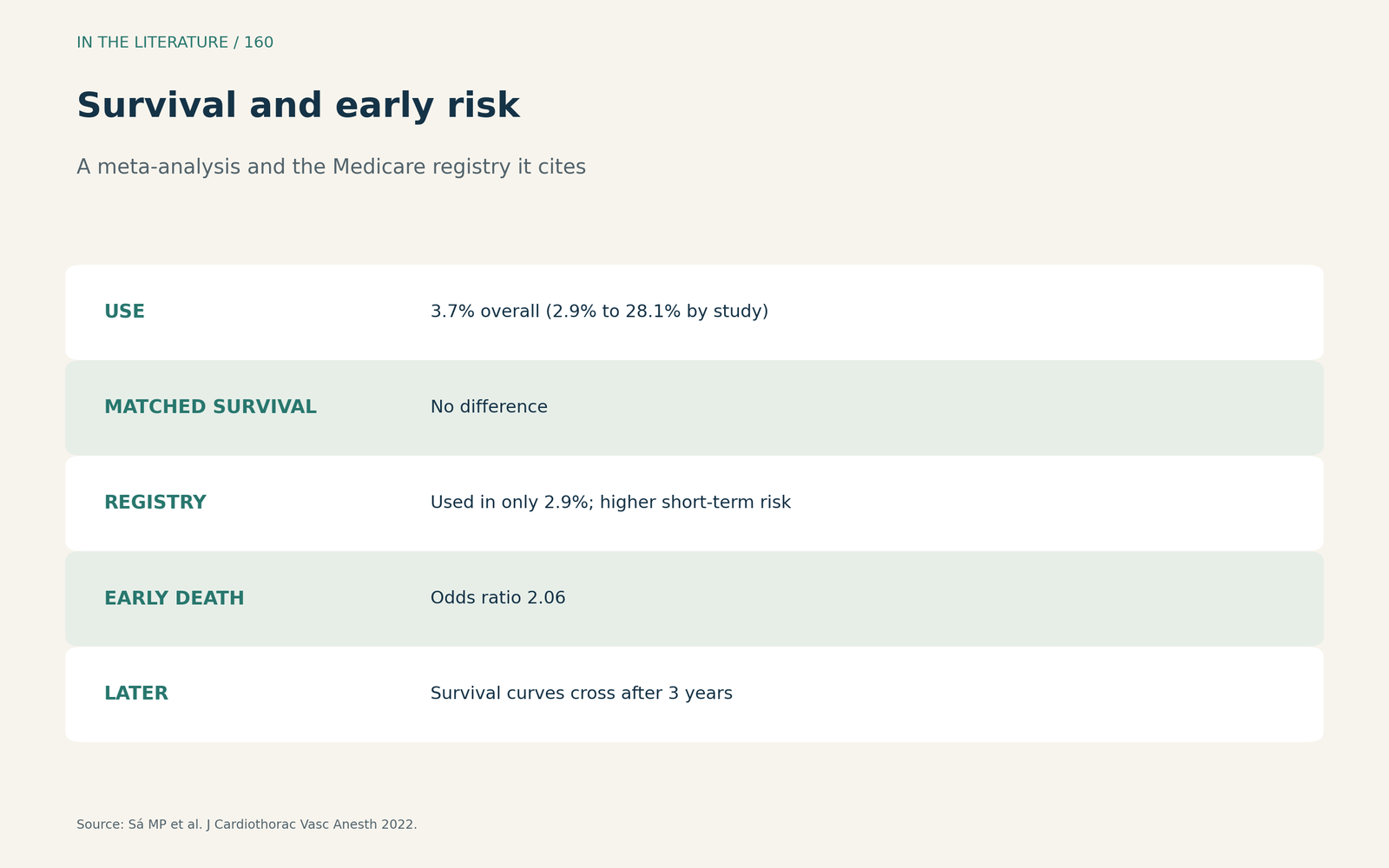
Figure 1. Survival and early risk. Synthesized from Sá et al.[1] View larger.

Valve size and mismatch
Qu and colleagues studied patients with a small annulus: enlargement allowed larger valves (median 23 vs 19) and reduced moderate-to-severe mismatch (20.6% vs 49.4%). Reintubation (7.4% vs 1.8%) and dialysis-requiring kidney injury (16.2% vs 4.3%) were more frequent, while 30-day mortality and 5-year survival were comparable. Mismatch was predicted from manufacturer in vitro data rather than measured.[2] Makkinejad and colleagues compared techniques: median valve size was 23 with traditional enlargement and 27 with the Y-incision, and moderate or severe mismatch was 23% (5 of 22) vs 5.5% (3 of 55) in patients with echo data, which were not available for all patients.[3]
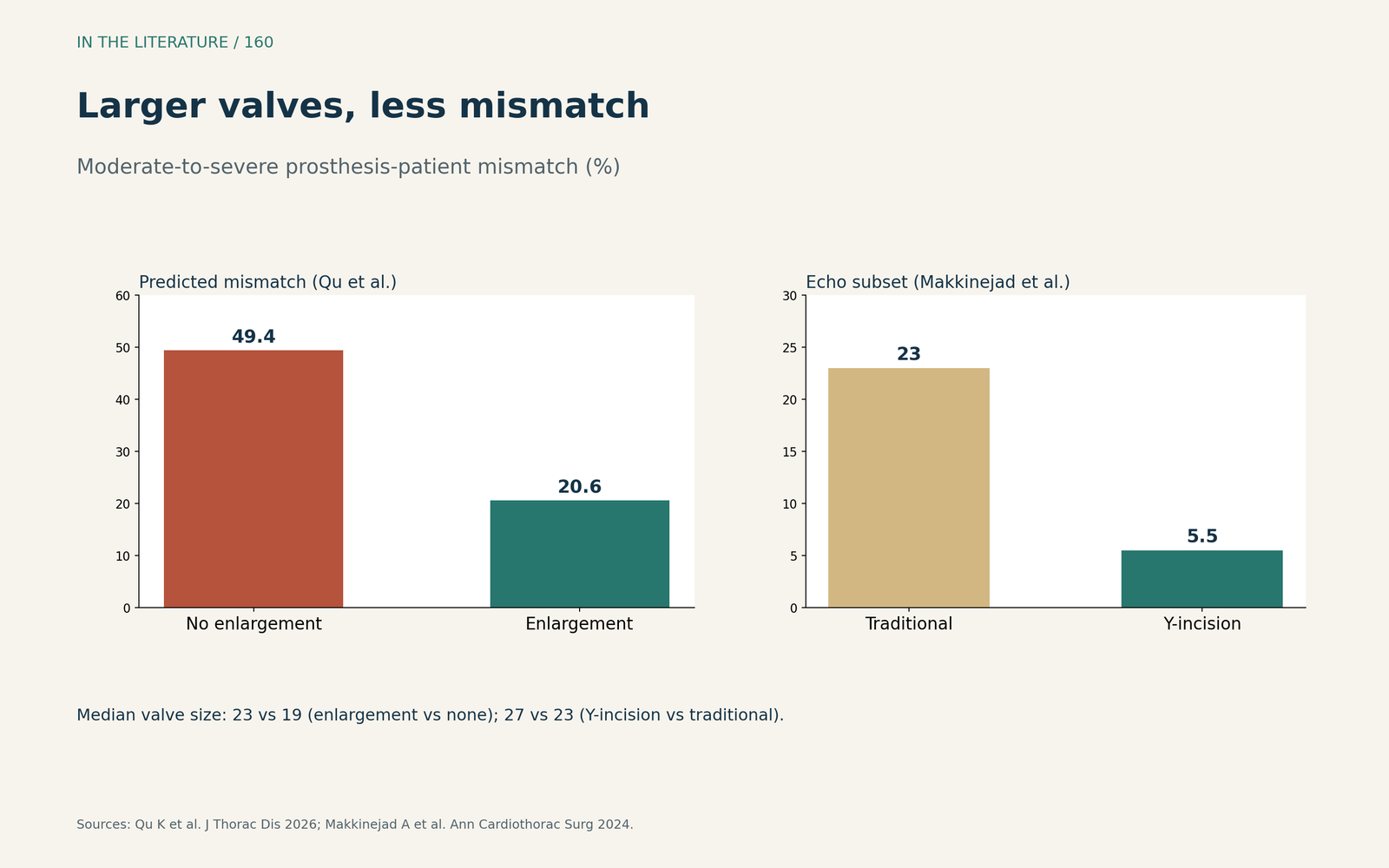
Figure 2. Larger valves, less mismatch. Redrawn from Qu et al. and Makkinejad et al.[2], [3] View larger.

What TEE should check
Suzuki and colleagues describe acute severe mitral regurgitation after a Y-incision enlargement, performed in a patient with a small annulus to avoid mismatch. Regurgitation arose from deformation of the mitral annulus and shortening of the anterior leaflet; new or worse regurgitation occurs in 8.4% of patients after aortic valve replacement in general, and the mean prosthetic gradient after enlargement was still 23 mmHg. The authors stress perioperative TEE evaluation of the mitral valve with this procedure.[4]
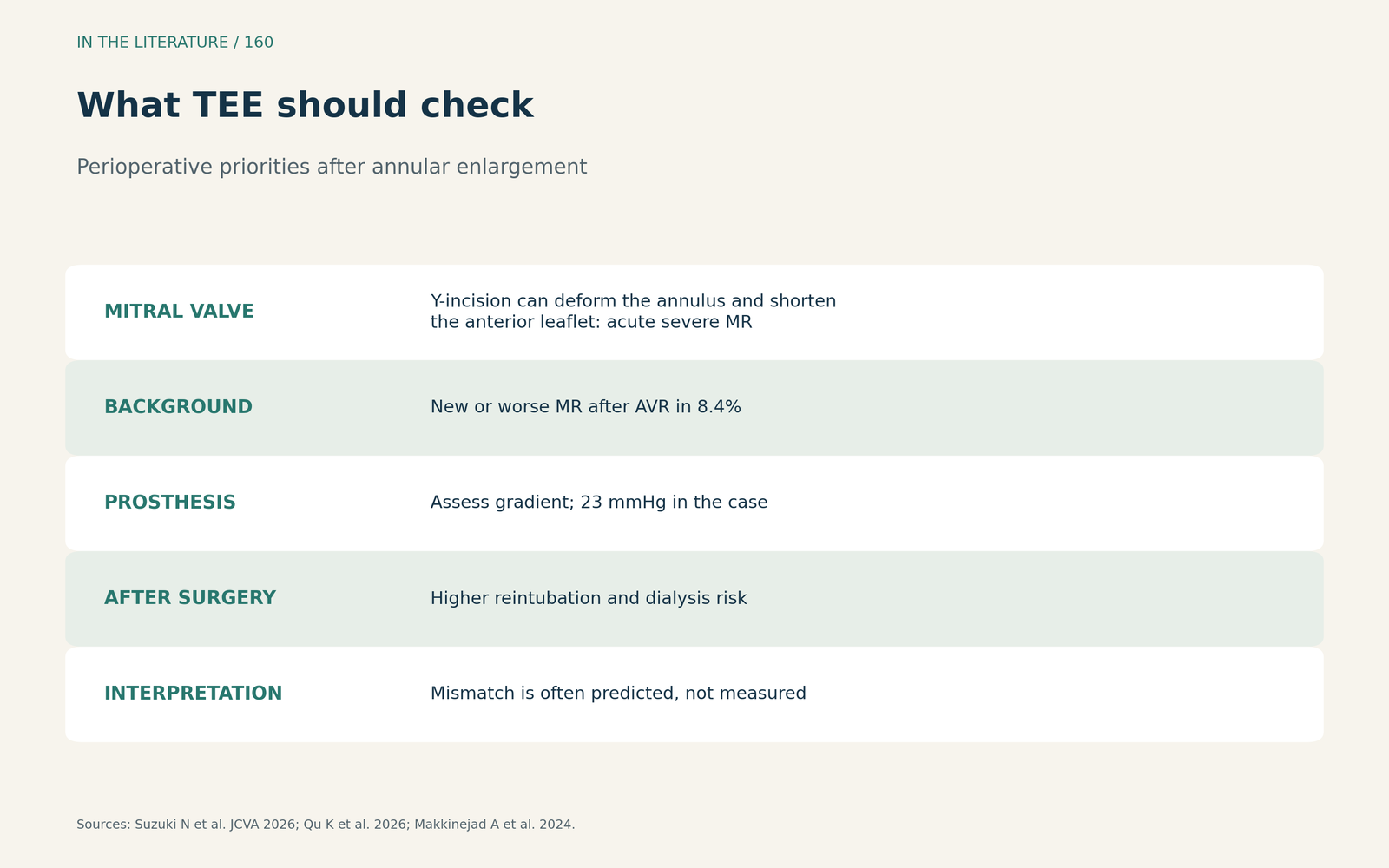
Figure 3. What TEE should check. Synthesized from Suzuki et al., Qu et al. and Makkinejad et al.[4], [2], [3] View larger.

Three takeaways
- Enlargement buys valve size. Expect larger prostheses and less predicted mismatch.[2], [3]
- It does not yet buy survival. Matched survival is similar, and early morbidity is higher.[1], [2]
- Check the mitral valve after a Y-incision. Annular distortion can cause acute severe regurgitation.[4]
References
- Sá MP, Van den Eynde J, Amabile A, et al. Late outcomes after aortic root enlargement during aortic valve replacement: meta-analysis with reconstructed time-to-event data. J Cardiothorac Vasc Anesth. 2022;36(8):3065–3073. doi:10.1053/j.jvca.2022.04.013
- Qu K, Gu J, Shao Y. Early and late outcomes of surgical aortic valve replacement with or without aortic annular enlargement in patients with small aortic annulus: an exploratory comparison of Y-incision versus Manouguian techniques. J Thorac Dis. 2026;18(6):641. doi:10.21037/jtd-2026-0594
- Makkinejad A, Hua J, Hassler KR, et al. Comparison of the short-term outcomes between Y-incision aortic annular enlargement and traditional aortic annular enlargement techniques. Ann Cardiothorac Surg. 2024;13(3):255–265. doi:10.21037/acs-2023-aae-0102
- Suzuki N, Iizuka Y, Hirasaki Y, Okamura H. Acute severe mitral regurgitation following Y-incision aortic annular enlargement detected by intraoperative transesophageal echocardiography. J Cardiothorac Vasc Anesth. 2026;40(10):3342–3345. doi:10.1053/j.jvca.2026.06.011