
ITL-2d508ba66292
Juan Li, MD · Updated November 18, 2026
Watch the video

Key points
- Guidelines already name the triggers. AVR is indicated with LVEF below 50%, and reasonable with a velocity of 5 m/s or more or a BNP above 3 times normal.[1]
- Trials favour early intervention on composites. Four randomized trials reported lower composite event rates in three, but none showed consistent mortality or stroke benefit.[2]
- EARLY TAVR was driven by hospitalization. Unplanned cardiovascular hospitalization occurred in 20.9% vs 41.7%, and almost 50% of the surveillance group received AVR by 1 year.[3]
- Survival gains come mostly from observational data. Pooled mortality favoured early AVR (OR 0.59), but not significantly in RCTs alone (OR 0.80).[4]
- Watchful waiting is often delayed intervention. Of 1,667 patients on watchful waiting, 973 (58.4%) underwent AVR.[5]
Before elective hip replacement, a 72-year-old with no symptoms is found to have severe aortic stenosis, a peak velocity of 4.3 m/s and an LVEF of 62%. Should the valve be replaced first, even without symptoms?[1], [2]
What the guideline already supports
The 2020 ACC/AHA guideline states that AVR is indicated in asymptomatic severe AS with an LVEF below 50%. In patients with low surgical risk, AVR is reasonable when the velocity is 5 m/s or more or the BNP exceeds 3 times normal, and exercise testing is reasonable to assess physiological changes with exercise.[1]
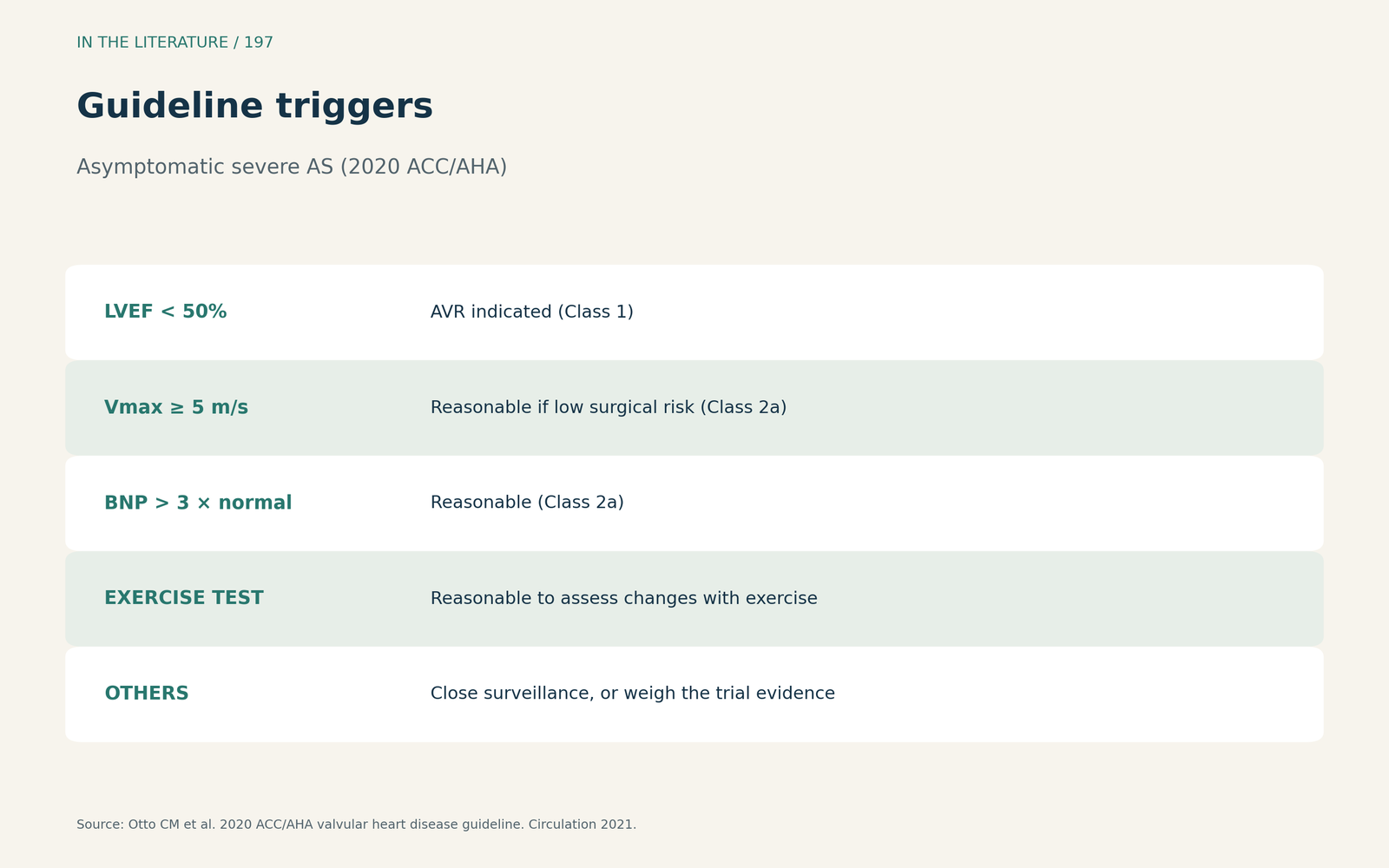
Figure 1. Specific features, not the absence of symptoms, drive the decision. Synthesized from Otto et al.[1] View larger.

What the randomized trials show
Dayan and colleagues reviewed the four randomized trials. In RECOVERY the primary endpoint was 1% vs 15% (HR 0.09); in AVATAR it was 15.2% vs 34.7% (HR 0.46); in EARLY TAVR it was 26.8% vs 45.3% (HR 0.50); and in EVOLVED it did not differ (18% vs 23%). Individual trials have not shown a consistent mortality or stroke benefit, sudden cardiac death was rare across all trials, and conservative management is still reasonable, but only with patient awareness and close follow-up.[2] Cormican's critique of EARLY TAVR notes that the trial excluded patients with LVEF below 50%, that the primary outcome was driven mainly by unplanned hospitalization (20.9% vs 41.7%), and that almost 50% of the surveillance group received AVR by 1 year.[3] In the trial report itself (Généreux et al., N Engl J Med 2024), 901 asymptomatic patients with a mean STS risk score of 1.8% were randomized, and in the surveillance group 47.2% had converted to AVR at 1 year and 71.4% at 2 years.[6]
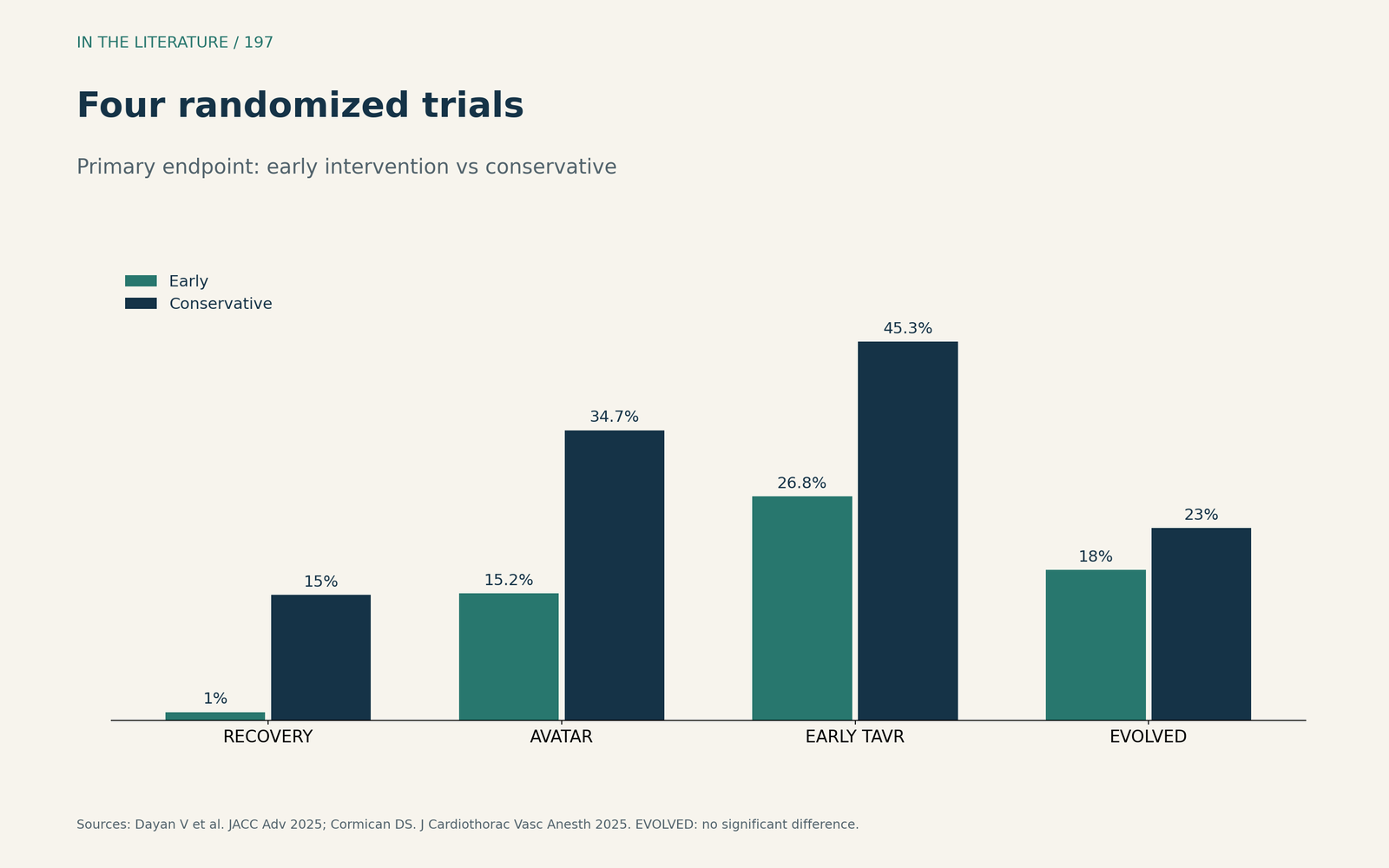
Figure 2. Fewer events, not consistently fewer deaths. Redrawn from Dayan et al. and Cormican.[2], [3] View larger.

What pooling adds, and where it misleads
Adamu and colleagues pooled 3,086 patients, 1,539 of whom had early AVR. All-cause mortality favoured early AVR overall (OR 0.59), but in RCTs alone it was not significantly reduced (OR 0.80); stroke did not differ (OR 0.89), and the mortality benefit was not consistently seen in randomized trials.[4] Ma and colleagues pooled eighteen studies, including 4 RCTs with 1,427 patients. Early AVR reduced the recurrent burden of death, stroke and unplanned hospitalization (IRR 0.51), but 973 of 1,667 patients (58.4%) on watchful waiting underwent AVR, and most observational studies were at serious risk of selection and immortal-time bias.[5]
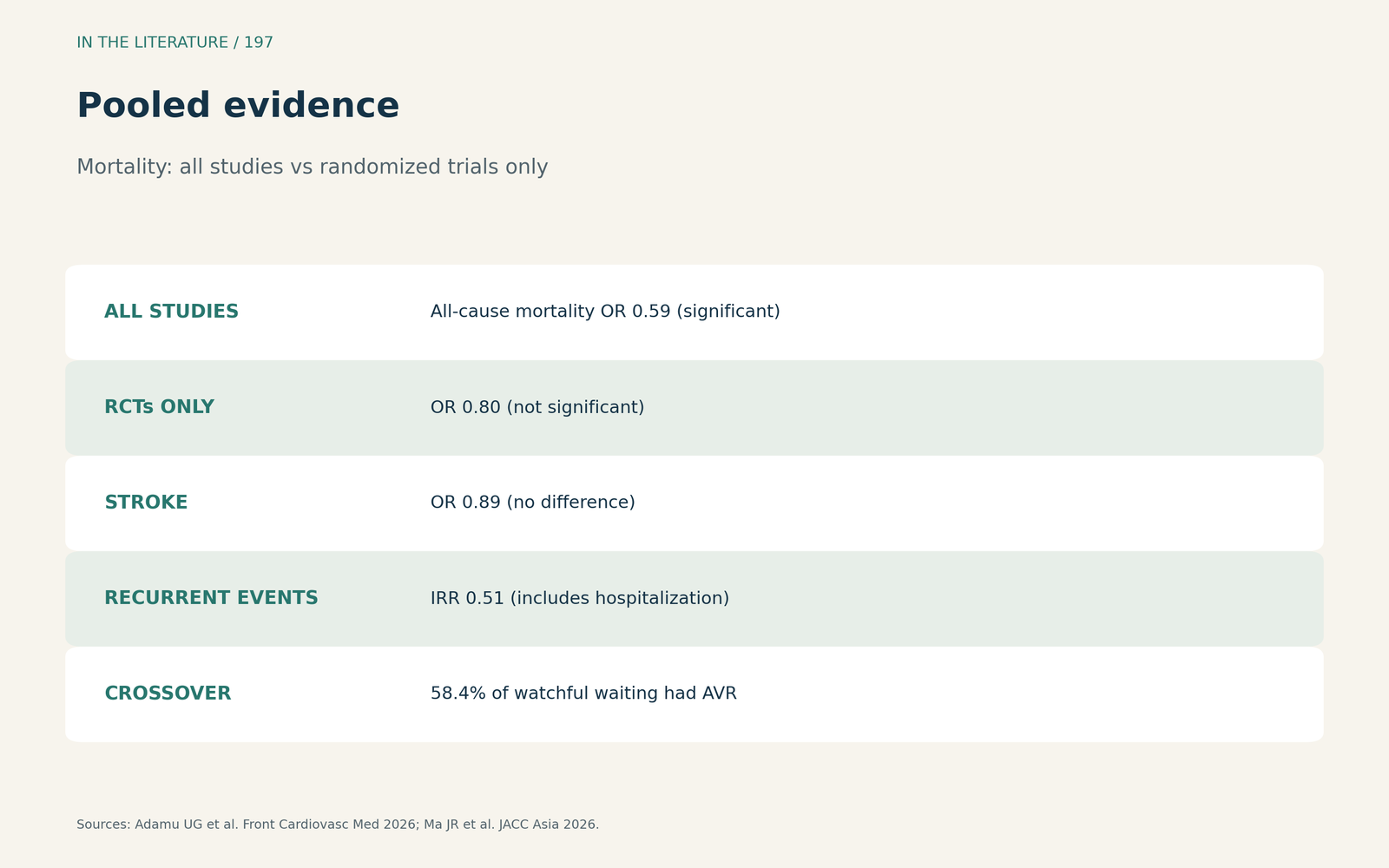
Figure 3. The survival signal weakens when only trials count. Redrawn from Adamu et al. and Ma et al.[4], [5] View larger.

Three takeaways
- Asymptomatic severe AS with a guideline trigger, such as LVEF below 50% or very high velocity, warrants valve replacement.[1]
- Without such triggers, early TAVR reduces hospitalization-driven composites, not proven mortality.[2], [3], [4]
- Surveillance must be real: almost half of the EARLY TAVR surveillance group received AVR within a year.[3], [5]
References
- Otto CM, Nishimura RA, Bonow RO, et al. 2020 ACC/AHA guideline for the management of patients with valvular heart disease: a report of the American College of Cardiology/American Heart Association Joint Committee on Clinical Practice Guidelines. Circulation. 2021;143(5):e72–e227. doi:10.1161/CIR.0000000000000923
- Dayan V, Marin-Cuartas M, De Caterina R, et al. Early intervention vs conservative management in severe asymptomatic aortic stenosis. JACC Adv. 2025;4(10):102178. doi:10.1016/j.jacadv.2025.102178
- Cormican DS. Transcatheter aortic valve replacement intervention for asymptomatic severe aortic stenosis: a matter of perspective. J Cardiothorac Vasc Anesth. 2025;39(7):1630–1632. doi:10.1053/j.jvca.2025.03.038
- Adamu UG, Makgoro C, Adamu EU, et al. Early aortic valve intervention versus clinical surveillance in patients with asymptomatic severe aortic stenosis: a systematic review and meta-analysis. Front Cardiovasc Med. 2026;13:1830856. doi:10.3389/fcvm.2026.1830856
- Ma JR, Haji K, Zheng W, et al. Early intervention versus watchful waiting in asymptomatic severe aortic stenosis. JACC Asia. 2026;6(8):1577–1580. doi:10.1016/j.jacasi.2026.05.001
- Généreux P, Schwartz A, Oldemeyer JB, et al. Transcatheter aortic-valve replacement for asymptomatic severe aortic stenosis. N Engl J Med. 2025;392(3):217–227. doi:10.1056/NEJMoa2405880