
ITL-43e550cf95b0
Watch the video

Figure 1. Conceptual illustration of suction and visibility, not an anatomical or procedural diagram.
Key points
- Blood can defeat both direct and video views; effective suction and a rescue strategy matter as much as the initial laryngoscope.[1]
- In a 2026 SALAD simulation, hyperangulated videolaryngoscopy achieved first-pass success in 94% of attempts versus 58% with direct laryngoscopy.[2]
- The experiment used simulated vomit and physicians familiar with the techniques, not patients with active hemorrhage; it does not establish a patient survival or aspiration benefit.[2]
- The DAS 2025 guideline supports videolaryngoscopy whenever possible, while requiring competence with the specific blade and appropriate tube-delivery adjuncts.[3]
- A failed view should prompt an effective change or transition, not repeated identical attempts while oxygenation deteriorates.[3]
Once a team has chosen laryngoscopic tracheal intubation for a bleeding upper airway, a familiar concern arises: will blood on the camera make a video device useless?
The answer is conditional. A contaminated lens can eliminate the video view, but direct laryngoscopy can also fail when blood obscures anatomical landmarks. The useful question is which device, suction arrangement and backup plan together give this team the best chance of securing the airway.[1]
What the new comparison actually tested
Uzun and colleagues randomized 200 physicians, 100 per group, to direct laryngoscopy with a Macintosh blade or hyperangulated C-MAC D-Blade videolaryngoscopy. Both groups used a standardized suction-assisted laryngoscopy and airway decontamination (SALAD) workflow, a rigid suction catheter and a tracheal tube with a stylet.[2]
The manikin received 750 mL of thickened simulated vomit. All participants had previous experience with direct and video laryngoscopy and were familiar with SALAD, although the intensity of their prior training was not quantified.[2]
First-pass success was 94/100 with video versus 58/100 with direct laryngoscopy: an absolute difference of 36 percentage points (95% CI, 25–47). Median intubation time was 34 seconds (IQR, 29–40) versus 41 seconds (IQR, 35–48), respectively.[2]
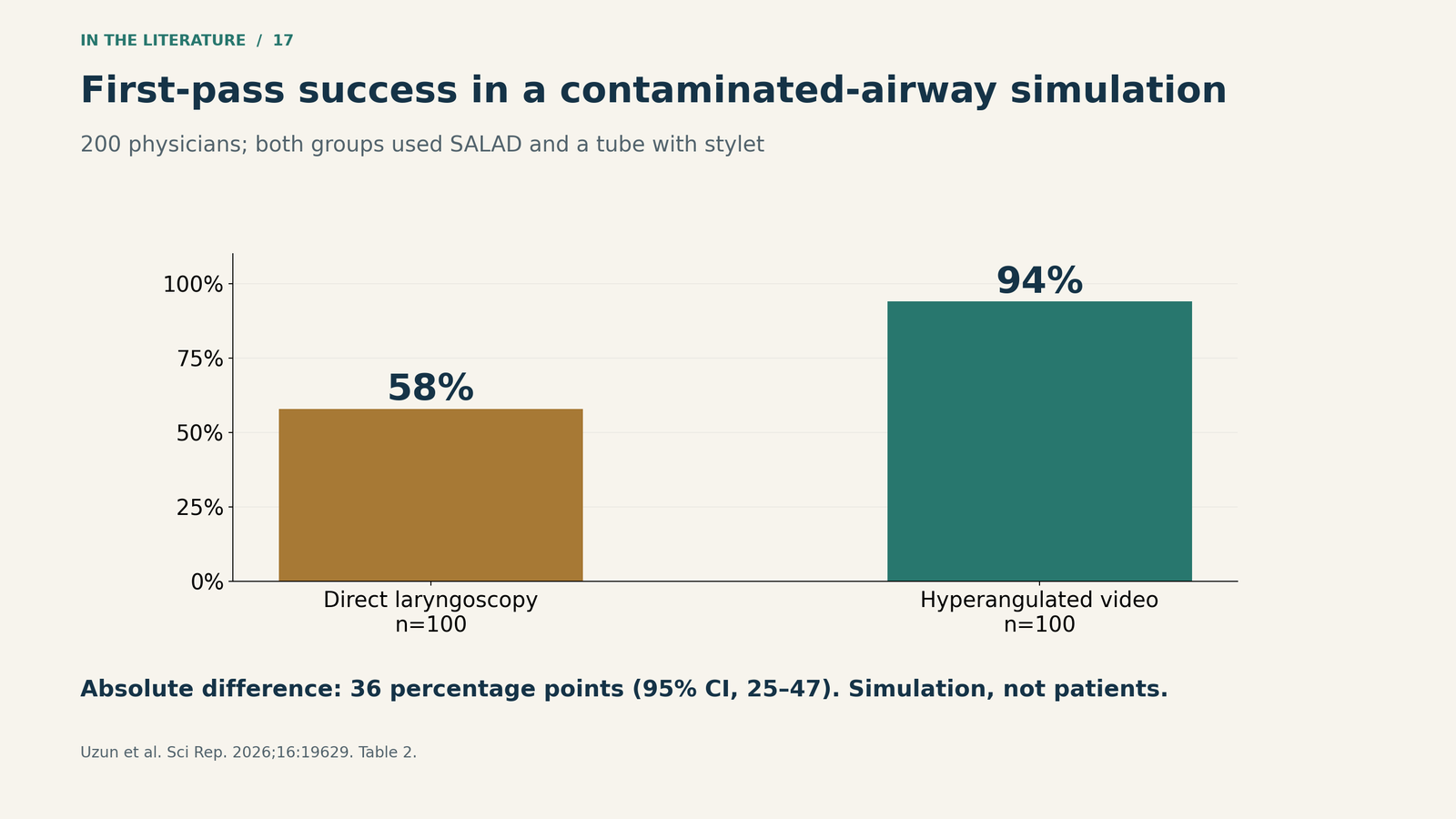
Figure 2. Procedural performance in a simulated contaminated airway. The published absolute difference was 36 percentage points (95% CI, 25–47). Both groups used SALAD; this was not a comparison of suction versus no suction. Data: Table 2.[2]

The important finding is that heavy contamination did not inevitably erase the benefit of videolaryngoscopy in this controlled setting. The study does not show that a hyperangulated blade is always superior during real airway bleeding.
Why simulated vomit is not persistent hemorrhage
Only one hyperangulated video system was tested. Blood, clot, continuously replenishing hemorrhage, variable anatomy and progressive hypoxemia can create problems that this standardized manikin experiment does not reproduce. The study did not prospectively record causes of first-pass failure or the number of subsequent attempts, so it cannot tell us exactly how often a contaminated camera caused failure.[2]
Nor was this a patient-outcome trial. Improved first-pass success on a simulator cannot be translated into a demonstrated reduction in aspiration, brain injury or death. It supports practicing videolaryngoscopy within a structured decontamination workflow while keeping a workable alternative available.[2]
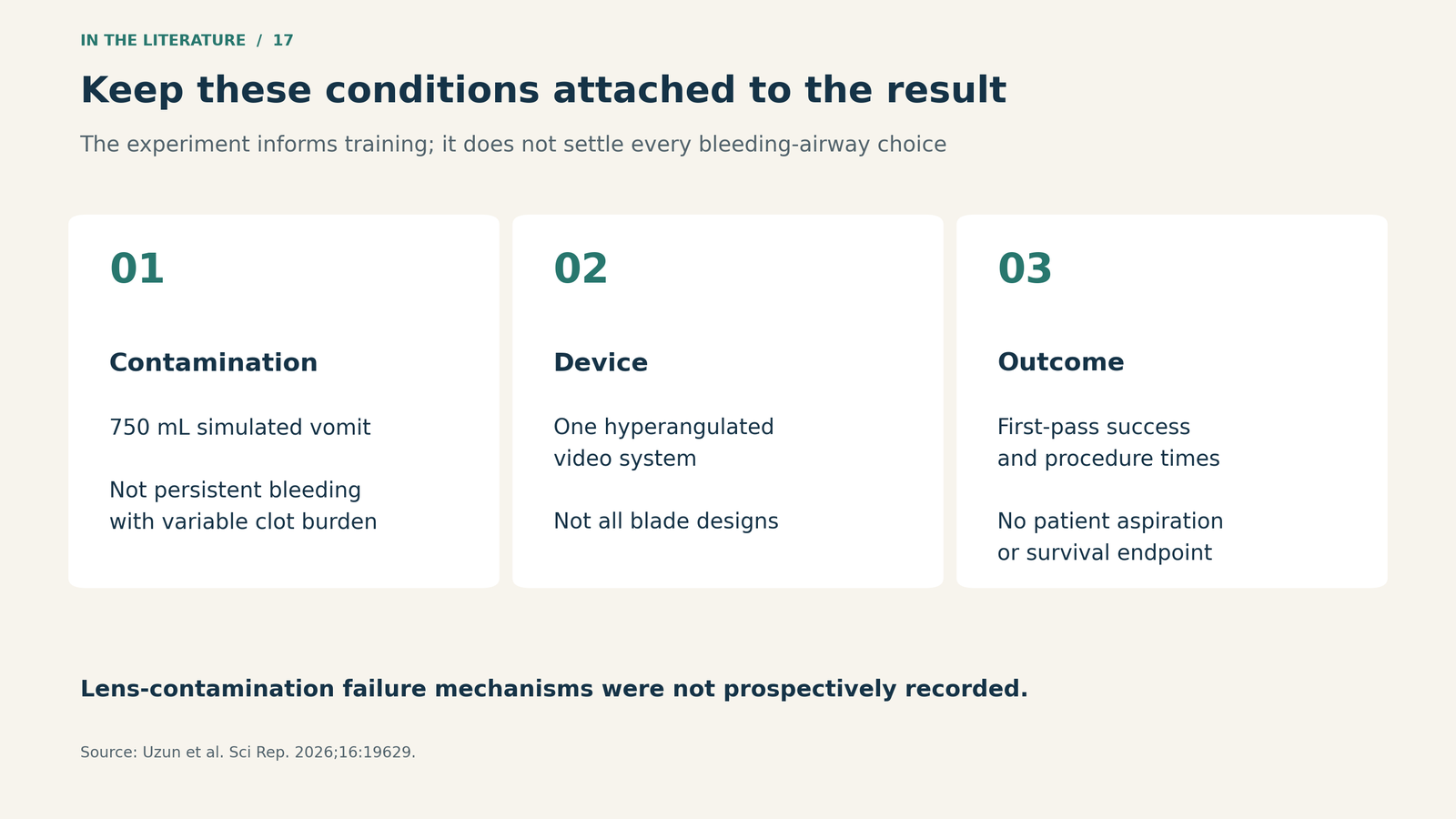
Figure 3. What must remain attached to the 94% result. These conditions define the experiment rather than invalidate its training value.[2]

Prepare suction and tube delivery as one task
The bleeding-airway review by Kristensen and McGuire recommends having two rigid, large-bore suction catheters connected to separate suction sources available. A dedicated assistant may be needed. The aim is to keep the field usable during tube passage, not simply clear it once and allow it to flood again.[1]
That review also describes a useful option: a videolaryngoscope with Macintosh geometry can provide a video view and permit a direct view if camera contamination makes the screen unusable. This is a practical device capability, not proof that Macintosh-style video devices outperform hyperangulated blades in every bleeding airway.[1]
Blade geometry changes the tube-delivery task. The DAS guideline advises an appropriately prepared stylet, bougie or flexible bronchoscope when using a hyperangulated blade. A view of the glottis is only one part of successful intubation; the tube still has to pass safely into the trachea.[3]
Decide what failure will trigger
The DAS guideline limits intubation attempts to a maximum of three, with one final attempt by a more experienced colleague. This is a ceiling, not a requirement to exhaust four attempts. Failure can be declared after the first attempt if no effective improvement is available or further attempts would create harm. Hypoxemia requires abandoning the attempt and prioritizing oxygenation.[3]
For a bleeding airway, the rescue plan must also account for blood compromising mask or supraglottic ventilation. Experienced help and readiness for front-of-neck access belong in the preparation, not as an afterthought once repeated laryngoscopy has failed.[1]
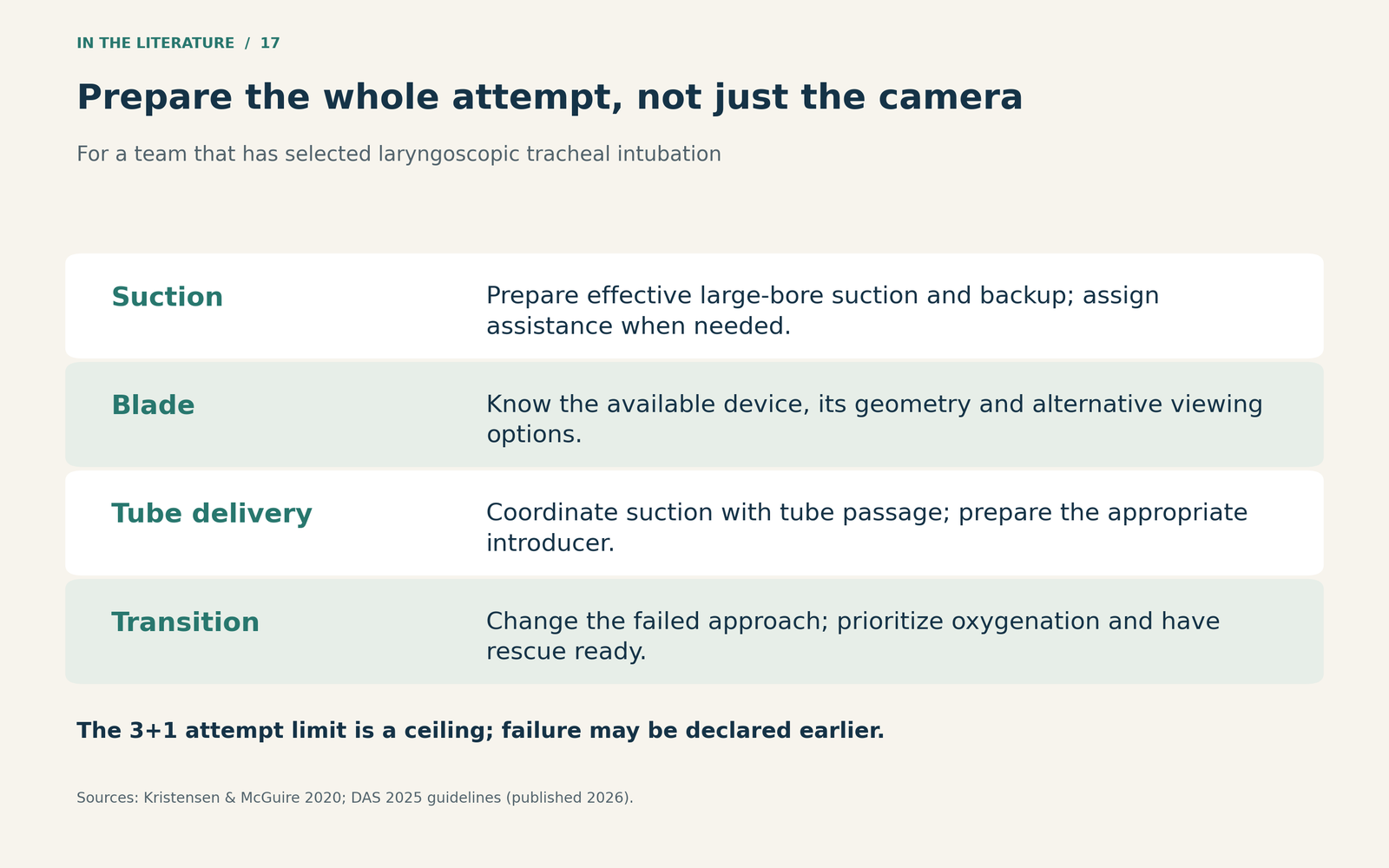
Figure 4. A preparation framework for clinicians who have selected laryngoscopic intubation. Definitive airway strategy still depends on the patient and available expertise.[1, 3]

Three takeaways
- Treat contamination as an active problem. Device choice cannot compensate for ineffective suction or a repeatedly flooding field.
- Use the simulation result at its proper scale. It supports video-assisted SALAD training, not a universal claim about real hemorrhage or patient outcomes.
- Plan the transition before the first attempt. Know the alternative view, tube-delivery approach and rescue pathway; change course when the current attempt is no longer useful.
References
- Kristensen MS, McGuire B. Managing and securing the bleeding upper airway: a narrative review. Can J Anaesth. 2020;67(1):128–140. doi:10.1007/s12630-019-01479-5.
- Uzun DD, Waidner T, Zimmermann BP, Havel JC, Weiss S, Gruebl T, et al. Direct- versus video laryngoscopy during suction assisted laryngoscopy and airway decontamination (SALAD): a randomized controlled simulation study. Sci Rep. 2026;16:19629. doi:10.1038/s41598-026-60056-1.
- Ahmad I, El-Boghdadly K, Iliff H, Dua G, Higgs A, Huntington M, et al. Difficult Airway Society 2025 guidelines for management of unanticipated difficult tracheal intubation in adults. Br J Anaesth. 2026;136(1):283–307. doi:10.1016/j.bja.2025.10.006.