ITL-95921efd6ace
Juan Li, MD · Updated November 17, 2026
Watch the video
Key points
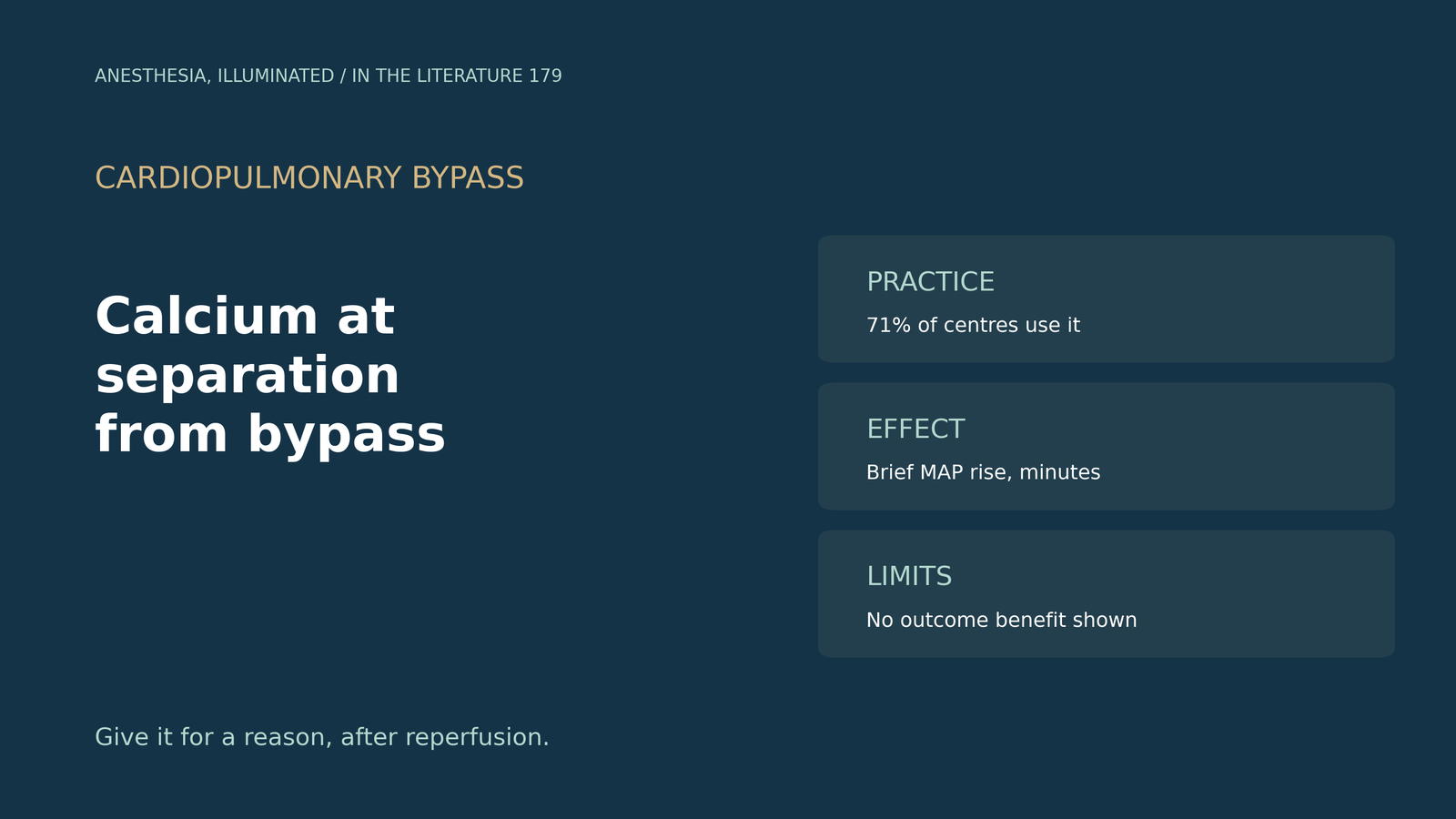
- It is common practice. In an international survey, 71% of centres used calcium for weaning, mostly 5 to 15 mg/kg, but the supporting studies were small and used surrogate endpoints.[1]
- The guideline sees a role but also risks. Mild hypocalcaemia is common after bypass, and 5 to 15 mg/kg of calcium chloride gives transient increases in pressure and output, at the price of possible graft flow impairment, blunted catecholamines and stone heart.[2]
- The effect is brief. Peak effects occur within 5 to 10 minutes; a pooled analysis found a transient MAP rise of 6.45 mmHg without change in SVR or cardiac output.[3]
- Outcomes are unproven. There is no robust evidence that calcium reduces postoperative inotrope use, and the ICARUS trial of 818 patients is ongoing.[3]
- Timing matters. The survey authors advise giving calcium only after reperfusion and conclude that routine use for weaning does not appear justified.[1]
At the end of bypass for valve surgery, the blood pressure is low-normal and the ionized calcium is mildly reduced. Should calcium be given routinely, and what are the limits of the evidence?[1], [3]
How calcium is used
Lomivorotov and colleagues surveyed centres worldwide: 100 of 112 in 32 countries replied, 71% used calcium for weaning, and doses of 5 to 15 mg/kg were used by 55 of 71 centres (77%). Supporting studies were limited by small samples and surrogate endpoints; cardiovascular impairment is significant only with ionized calcium below 0.75 mmol/L, calcium blunted the effect of epinephrine in a cited study, and the authors advise giving calcium only after reperfusion, concluding that routine use to facilitate weaning does not appear justified.[1]
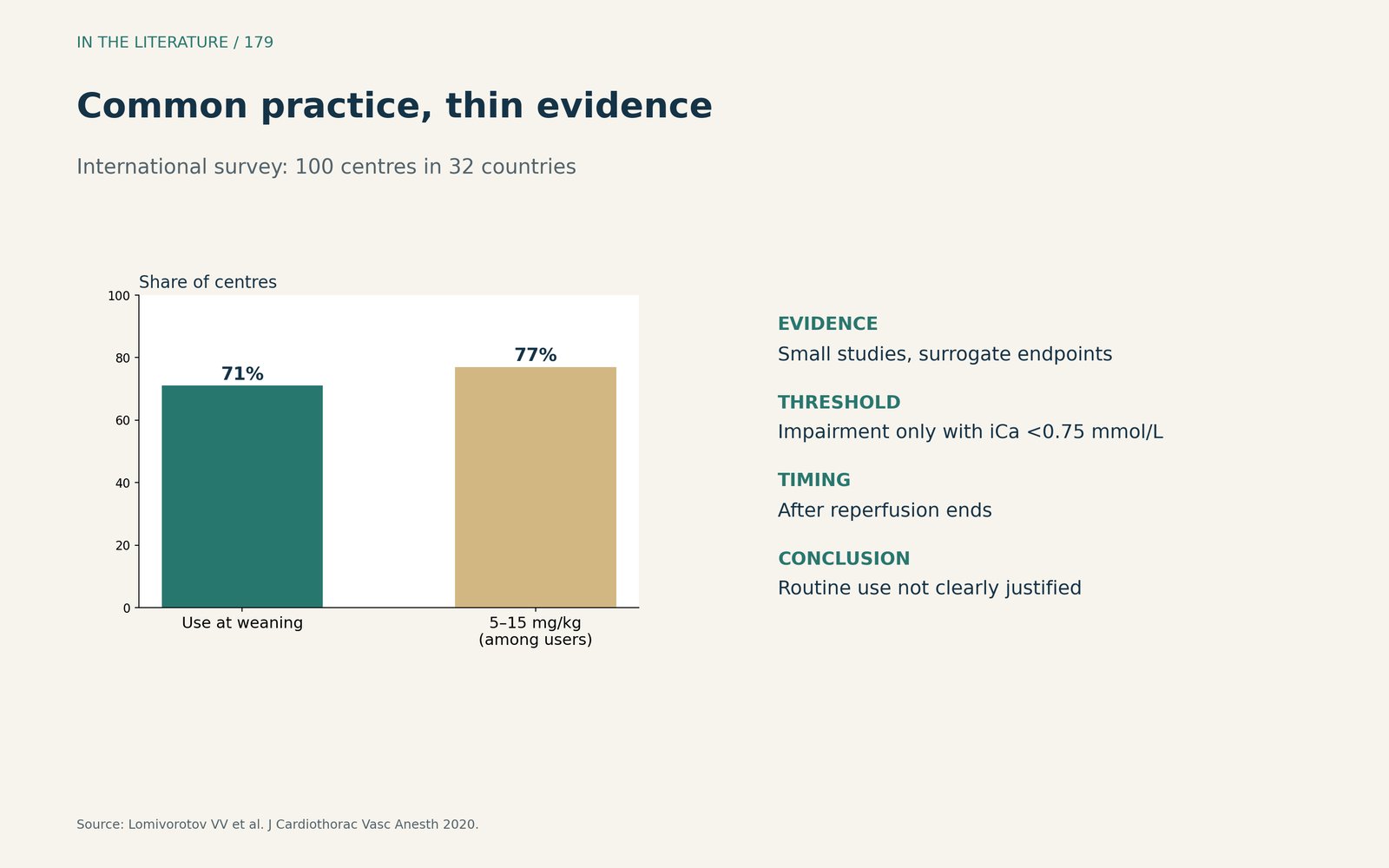
Figure 1. Common practice, thin evidence. Redrawn from Lomivorotov et al.[1] View larger.

What the guideline says
The 2024 EACTS/EACTAIC/EBCP guideline notes that mild hypocalcaemia is not uncommon after bypass, arising from haemodilution and citrated blood products, and that calcium is used to improve contractility and vascular tone. Calcium chloride 5 to 15 mg/kg produces transient increases in blood pressure, resistance and output, but side effects such as the stone heart phenomenon, impaired mammary graft flow and blunted catecholamine effects must be considered.[2]
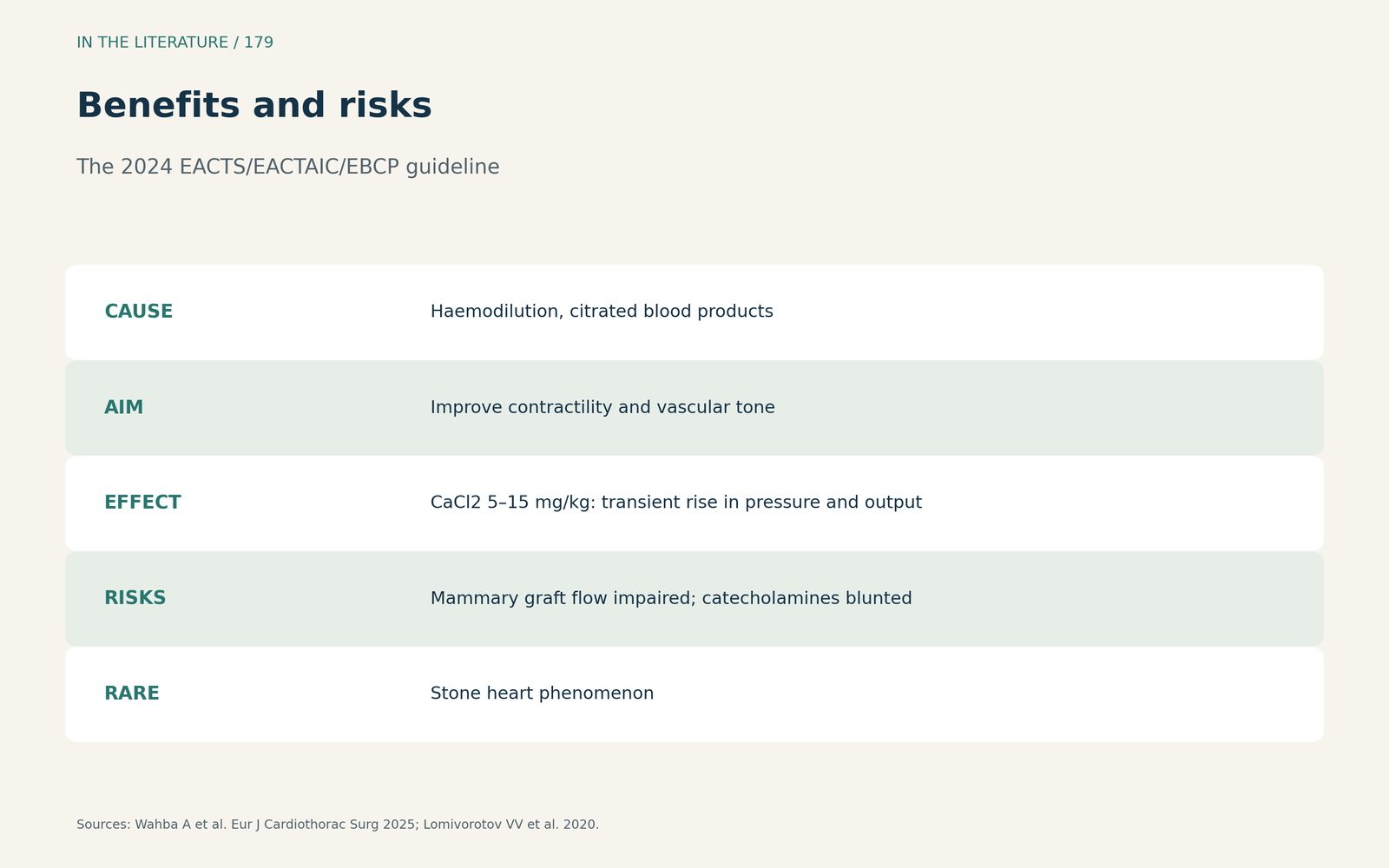
Figure 2. Benefits and risks. Synthesized from Wahba et al. and Lomivorotov et al.[2], [1] View larger.

How large and how lasting is the effect?
Miller and colleagues find the evidence limited and inconsistent: effects peak within 5 to 10 minutes and return to baseline, a cited meta-analysis found a transient MAP rise of 6.45 mmHg without significant change in SVR or cardiac output, and calcium raised MAP without improving cardiac index or the catecholamine response. There is no robust evidence that it reduces postoperative inotrope use, and the 818-patient ICARUS trial is ongoing.[3]
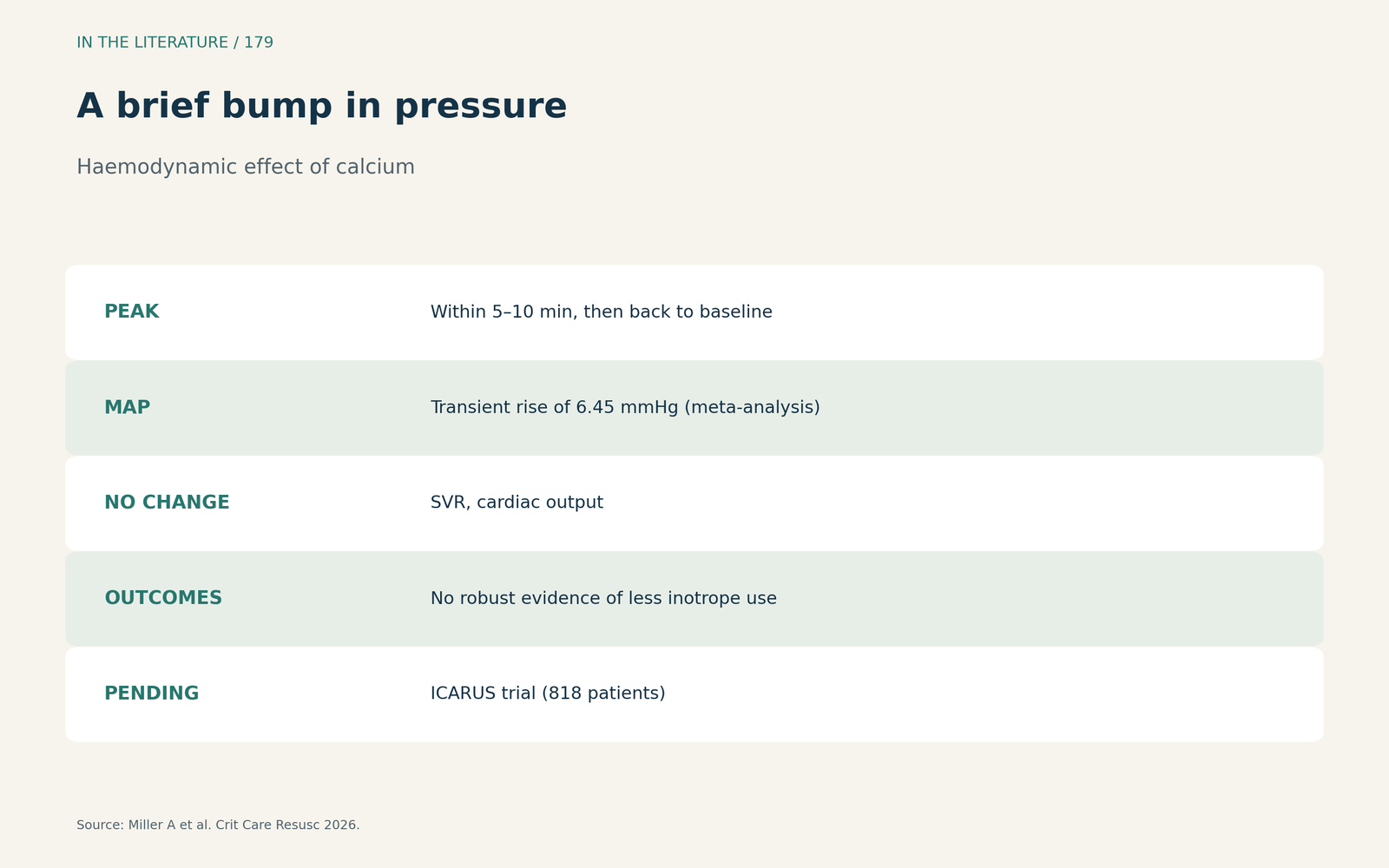
Figure 3. A brief bump in pressure. Redrawn from Miller et al.[3] View larger.

Three takeaways
- Routine calcium is habit, not evidence. Effects are small and brief.[1], [3]
- Give it for a reason. Measured hypocalcaemia, transfusion of citrated products or a clear haemodynamic need.[2]
- Mind the timing and interactions. After reperfusion, and watch for blunted catecholamine effects.[1], [2]
References
- Lomivorotov VV, Guvakov D, Belletti A, et al. Current practice of calcium use during cardiopulmonary bypass weaning: results of an international survey. J Cardiothorac Vasc Anesth. 2020;34(8):2111–2115. doi:10.1053/j.jvca.2020.02.010
- Wahba A, Kunst G, De Somer F, et al. 2024 EACTS/EACTAIC/EBCP guidelines on cardiopulmonary bypass in adult cardiac surgery. Eur J Cardiothorac Surg. 2025;67(2):ezae354. doi:10.1093/ejcts/ezae354
- Miller A, Omassoli J, Simpson J, et al. The effect of intravenous calcium administration on haemodynamics in perioperative cardiothoracic surgery and intensive care: a narrative review. Crit Care Resusc. 2026;28(2):100178. doi:10.1016/j.ccrj.2026.100178