ITL-dc7e05fd8432
Juan Li, MD · Updated November 17, 2026
Watch the video
Key points
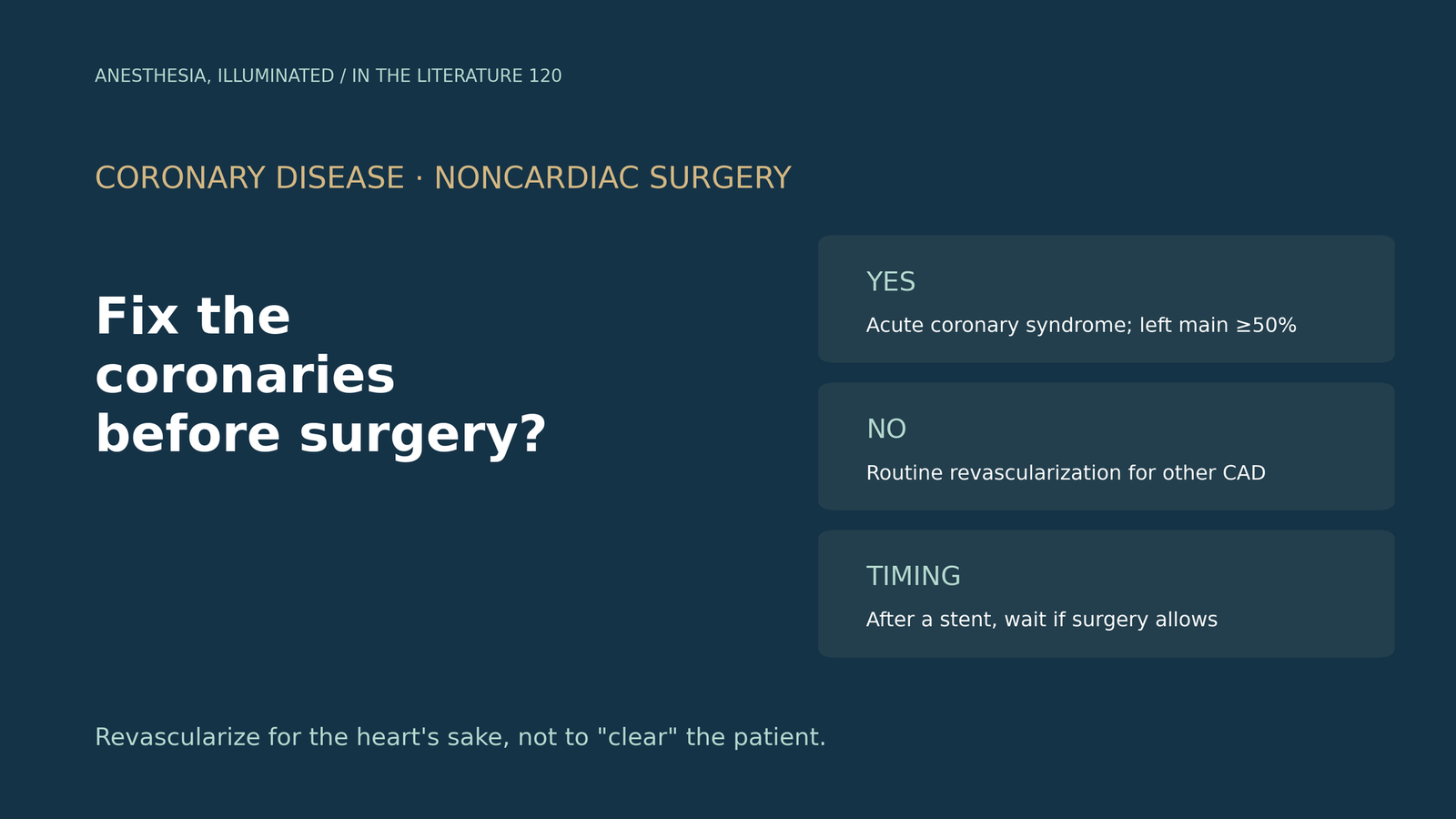
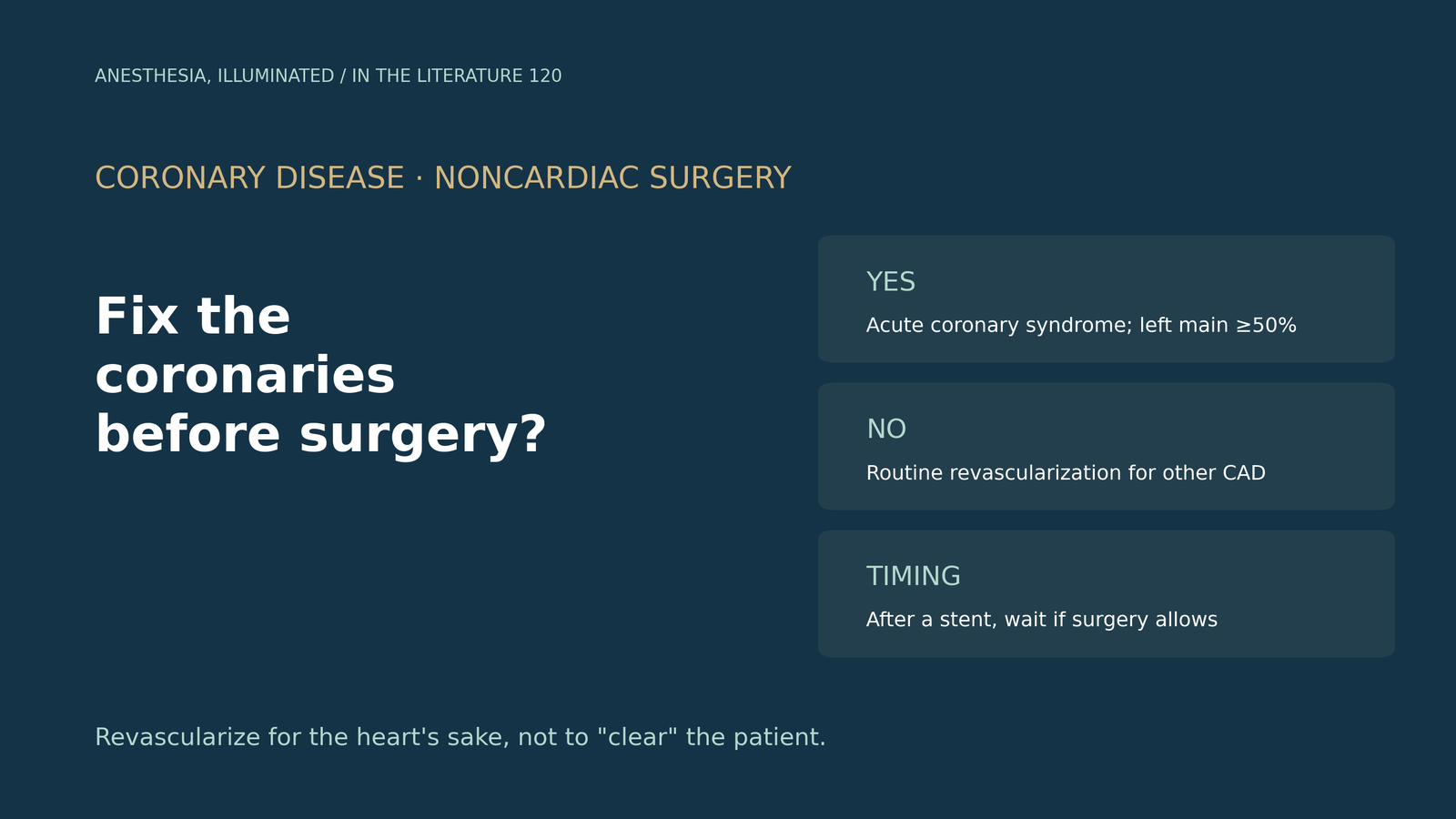
- Revascularize before noncardiac surgery only when the heart itself needs it. The 2026 AHA/ACC guideline recommends revascularization and deferral of elective surgery for acute coronary syndrome (Class 1) and considers it reasonable for stable disease with left main stenosis of 50% or more (Class 2a).[1]
- For other coronary disease, routine preoperative revascularization is not recommended (Class 3: No Benefit). In CARP, it did not change 30-day or 1-year death or myocardial infarction; patients with left main disease, LVEF below 20% or severe aortic stenosis were excluded.[1]
- A 2024 Cochrane review found only 3 randomized trials (1,144 patients), all in vascular surgery. The effect on perioperative myocardial infarction was very uncertain (relative risk 0.28; 95% CI 0.02 to 4.57), and long-term mortality was 22% versus 23% in CARP. In stable coronary disease generally, ISCHEMIA found 145 versus 144 deaths with invasive or conservative care.[2], [3]
- If a stent is placed, timing matters when antiplatelet therapy must be interrupted: ideally 12 months or more after a drug-eluting stent for acute coronary syndrome, 6 months for stable disease, at least 3 months for time-sensitive surgery, and never within 30 days.[1]
- Continue aspirin in patients with prior PCI when possible (Class 1). In ASSURE-DES, continuing aspirin did not increase major bleeding but caused more minor bleeding.[1], [4]
A patient with stable angina and known two-vessel coronary disease is scheduled for open abdominal aortic surgery. The surgeon asks whether a cardiac catheterization and stents should come first. When does coronary revascularization before noncardiac surgery help, and if a stent is placed, how long should surgery wait?[1], [2]
What the guideline recommends
The 2026 AHA/ACC perioperative guideline, which reaffirms the 2024 text, makes three recommendations. In patients with acute coronary syndrome being considered for elective surgery, revascularization as appropriate and deferral of surgery is recommended (Class 1). In stable coronary disease with left main stenosis of 50% or more, revascularization and deferral of surgery are reasonable (Class 2a); in vascular surgery patients, unprotected left main disease was the only angiographic subset with a survival benefit from preoperative revascularization. For non–left main disease, routine preoperative revascularization is not recommended to reduce perioperative events (Class 3: No Benefit).[1]
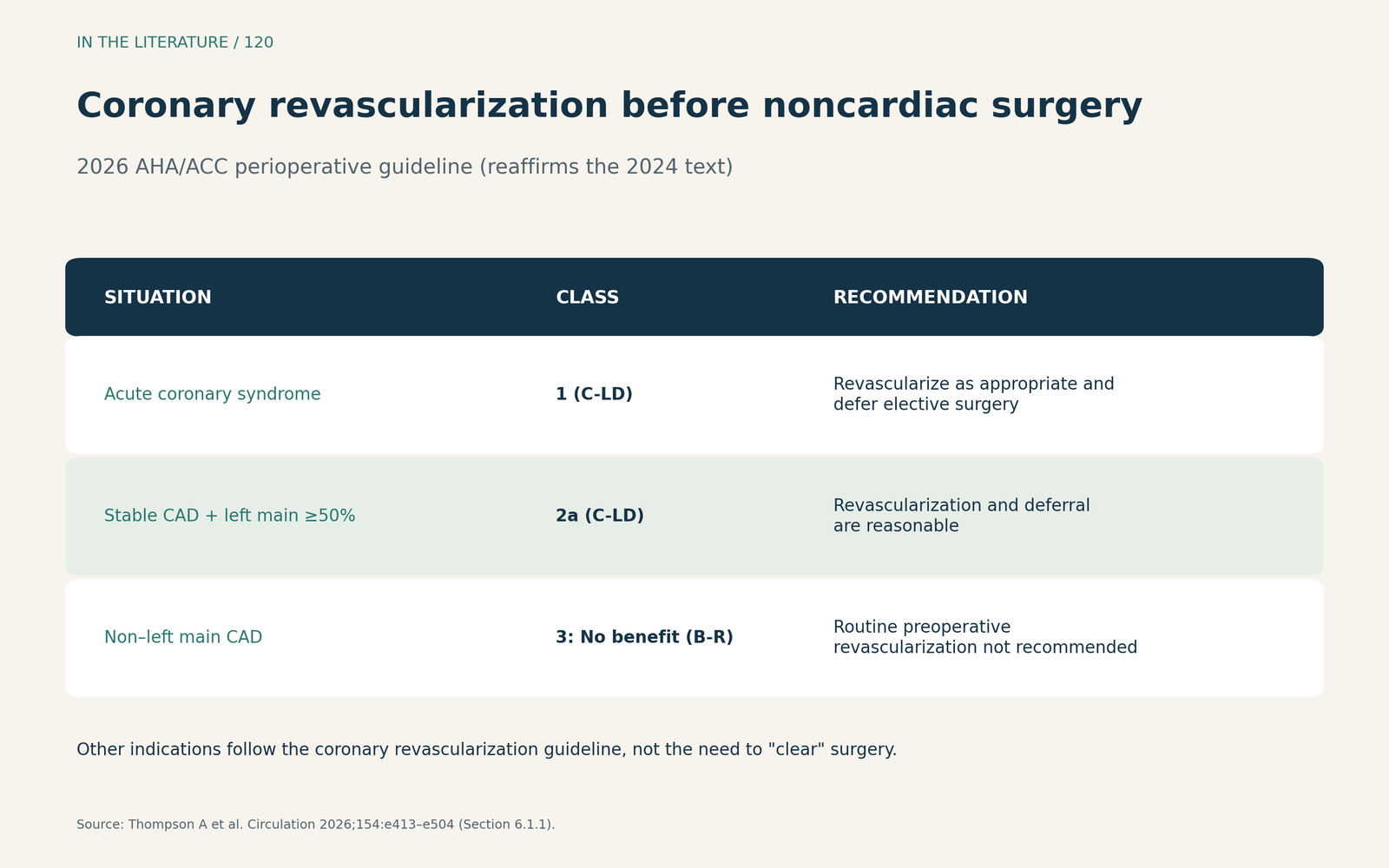
Figure 1. Coronary revascularization before noncardiac surgery. Synthesized from the 2026 AHA/ACC guideline, Section 6.1.1.[1] View larger.

Why routine revascularization does not help
The guideline notes that in CARP, prophylactic PCI or CABG before elective major vascular surgery did not change 30-day or 1-year death or myocardial infarction, and that a meta-analysis including CARP did not show any benefit from routine revascularization before surgery.[1] In 2024, Botelho and colleagues found 3 randomized trials with 1,144 patients. The relative risk of perioperative myocardial infarction was 0.28 (95% CI 0.02 to 4.57; very low certainty), and long-term mortality in CARP was 22% with revascularization and 23% with usual care. DECREASE-V was excluded because of misconduct concerns, no trial studied endovascular surgery, and the authors conclude that routine use remains questionable.[2]
Outside surgery, ISCHEMIA randomized 5,179 patients with stable coronary disease to an invasive or conservative strategy, with 145 and 144 deaths respectively.[3]
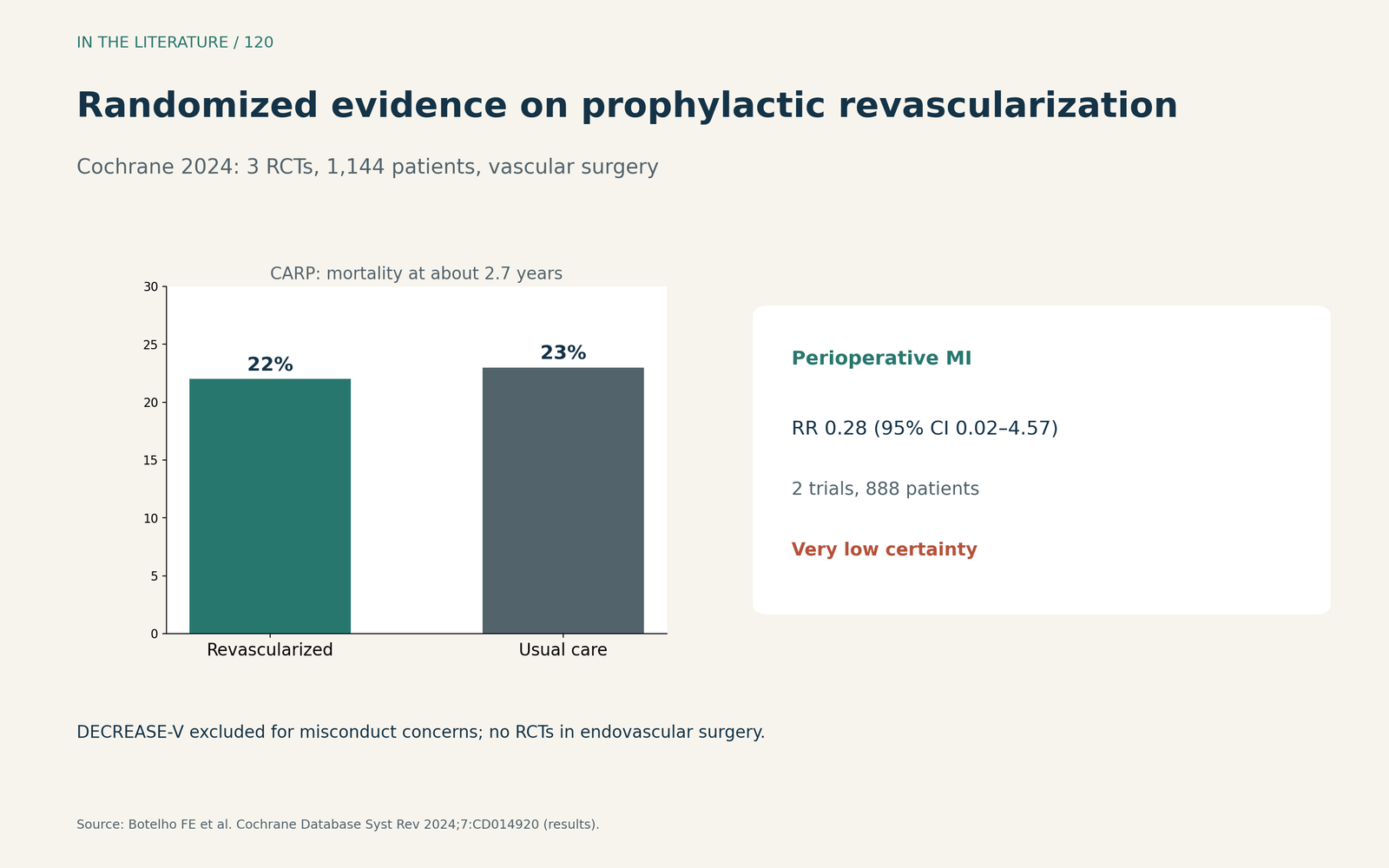
Figure 2. Randomized evidence on prophylactic revascularization. Redrawn from the results of Botelho et al.[2] View larger.

If a stent is placed, how long to wait
When elective surgery requires interrupting at least one antiplatelet drug, the guideline advises waiting at least 14 days after balloon angioplasty, ideally 12 months or more after a drug-eluting stent placed for acute coronary syndrome (Class 1), and 6 months or more after one placed for stable disease (Class 2a). Surgery may be considered 3 months or more after a drug-eluting stent if delay is riskier (Class 2b), and interrupting antiplatelet therapy within 30 days of any stent is potentially harmful (Class 3: Harm).[1]
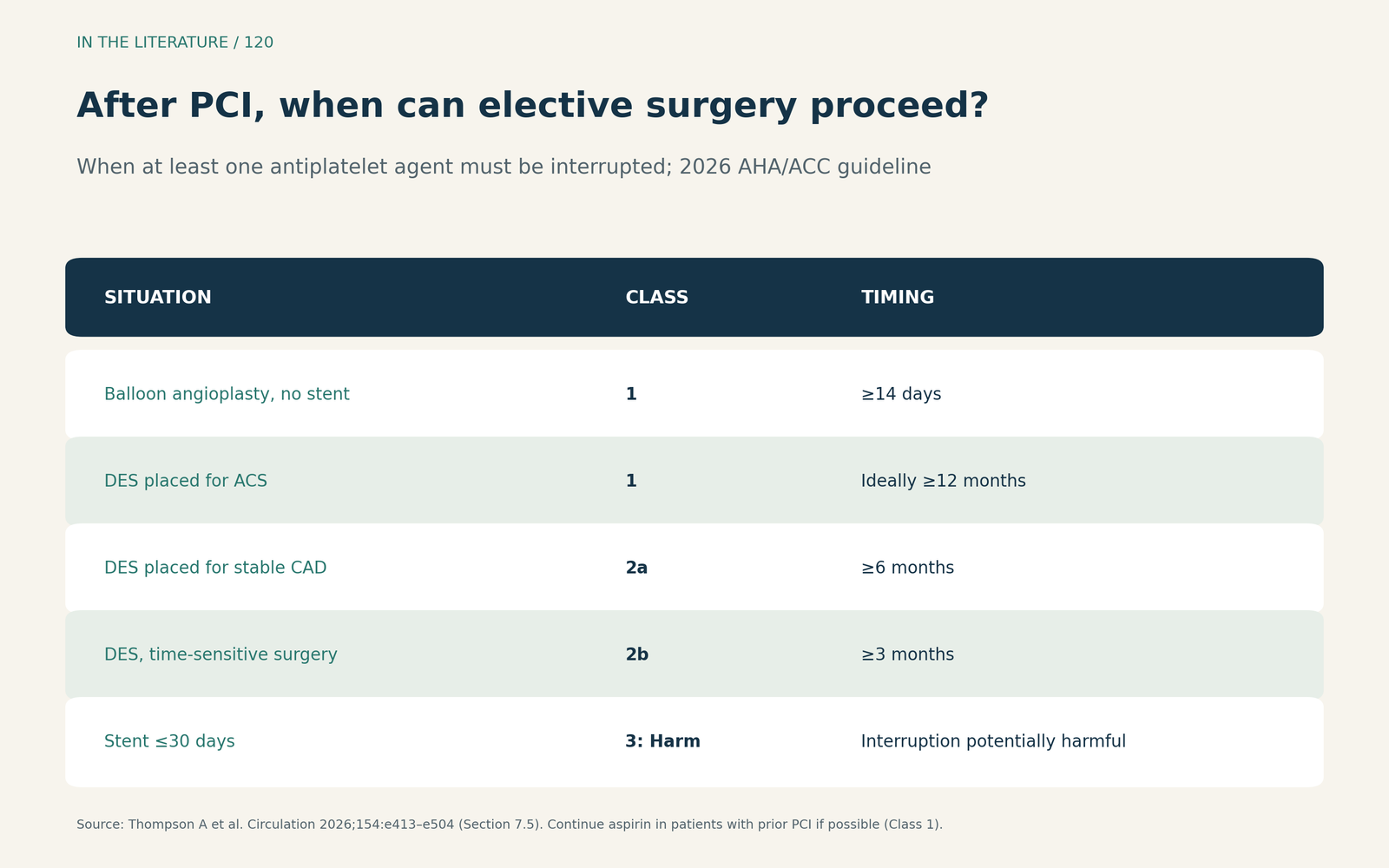
Figure 3. When elective surgery can proceed after PCI. Synthesized from the 2026 AHA/ACC guideline, Section 7.5.[1] View larger.

Aspirin around surgery
The guideline recommends continuing aspirin in patients with prior PCI, if possible, to reduce cardiac events (Class 1).[1] In ASSURE-DES, patients with stents placed at least a year earlier were randomized to continue aspirin or stop all antiplatelet agents 5 days before low-to-intermediate risk surgery. The primary composite outcome occurred in 0.6% versus 0.9%, major bleeding did not differ, and minor bleeding was more frequent with aspirin (14.9% vs 10.1%); the trial was small and underpowered for rare events.[4]
Three takeaways
- Revascularize for the heart's sake. Acute coronary syndrome and significant left main disease are the indications; surgery alone is not.[1]
- Do not stent to "clear" a patient. Randomized evidence shows no benefit of routine prophylactic revascularization.[1], [2], [3]
- Respect the stent clock and keep aspirin. Delay elective surgery after drug-eluting stents when antiplatelet therapy must stop, and continue aspirin when possible.[1], [4]
References
- Thompson A, Fleischmann KE, Smilowitz NR, et al. 2026 AHA/ACC/ACS/ASNC/HRS/SCA/SCCT/SCMR/SVM guideline for perioperative cardiovascular management for noncardiac surgery: a report of the American College of Cardiology/American Heart Association Joint Committee on Clinical Practice Guidelines. Circulation. 2026;154(13):e413–e504. doi:10.1161/CIR.0000000000001472
- Botelho FE, Flumignan RL, Shiomatsu GY, et al. Preoperative coronary interventions for preventing acute myocardial infarction in the perioperative period of major open vascular or endovascular surgery. Cochrane Database Syst Rev. 2024;7(7):CD014920. doi:10.1002/14651858.CD014920.pub2
- Hennessey B, Núñez-Gil IJ, Villablanca P, Ramakrishna H. Initial invasive or conservative strategy for stable coronary disease: the ISCHEMIA trial and its clinical implications. J Cardiothorac Vasc Anesth. 2021;35(11):3151–3153. doi:10.1053/j.jvca.2021.05.055
- Kang DY, Lee SH, Lee SW, et al. Aspirin monotherapy vs no antiplatelet therapy in stable patients with coronary stents undergoing low-to-intermediate risk noncardiac surgery. J Am Coll Cardiol. 2024;84(24):2380–2389. doi:10.1016/j.jacc.2024.08.024