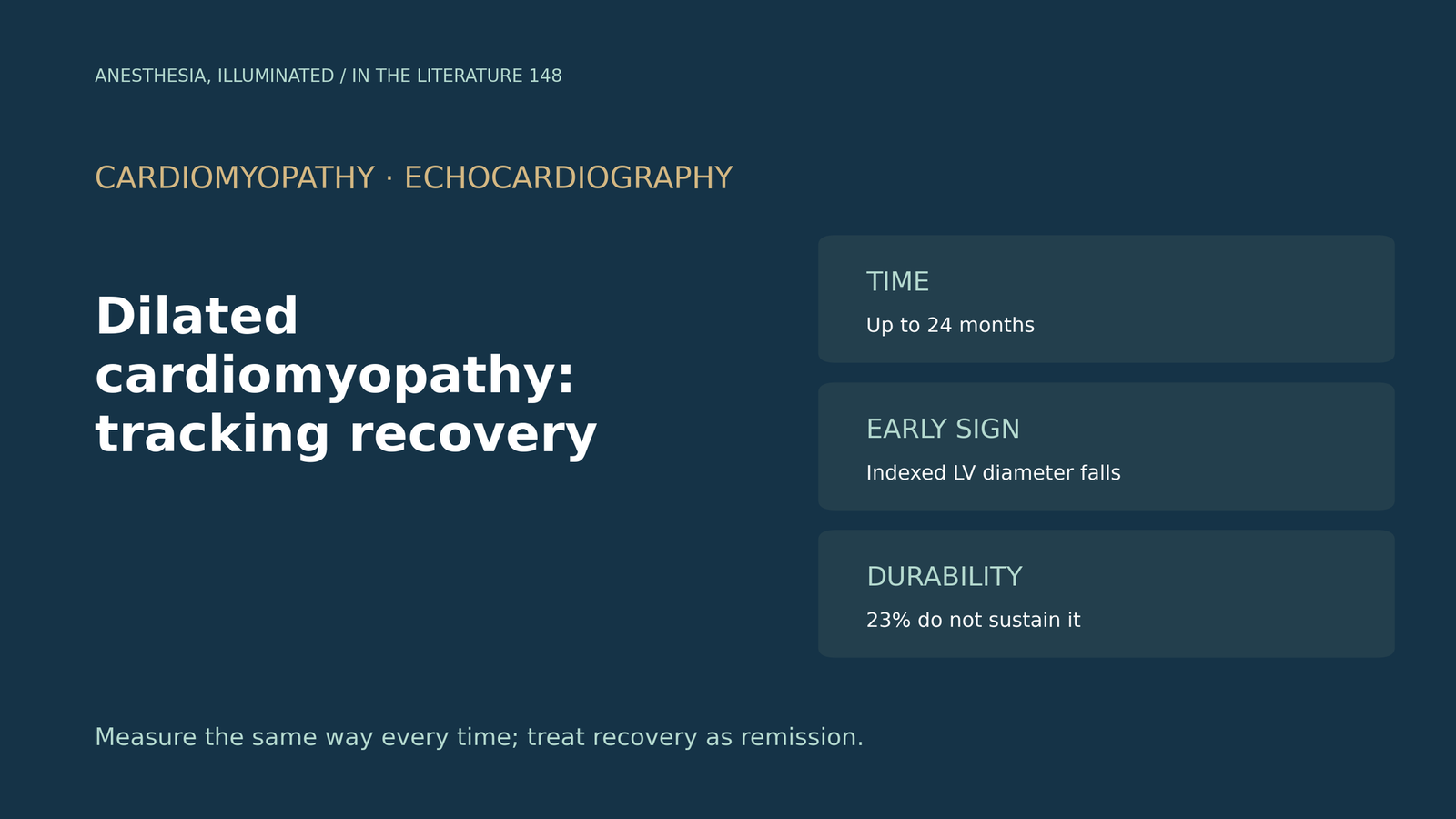
ITL-c5aa53982572
Juan Li, MD · Updated November 17, 2026
Watch the video
Key points
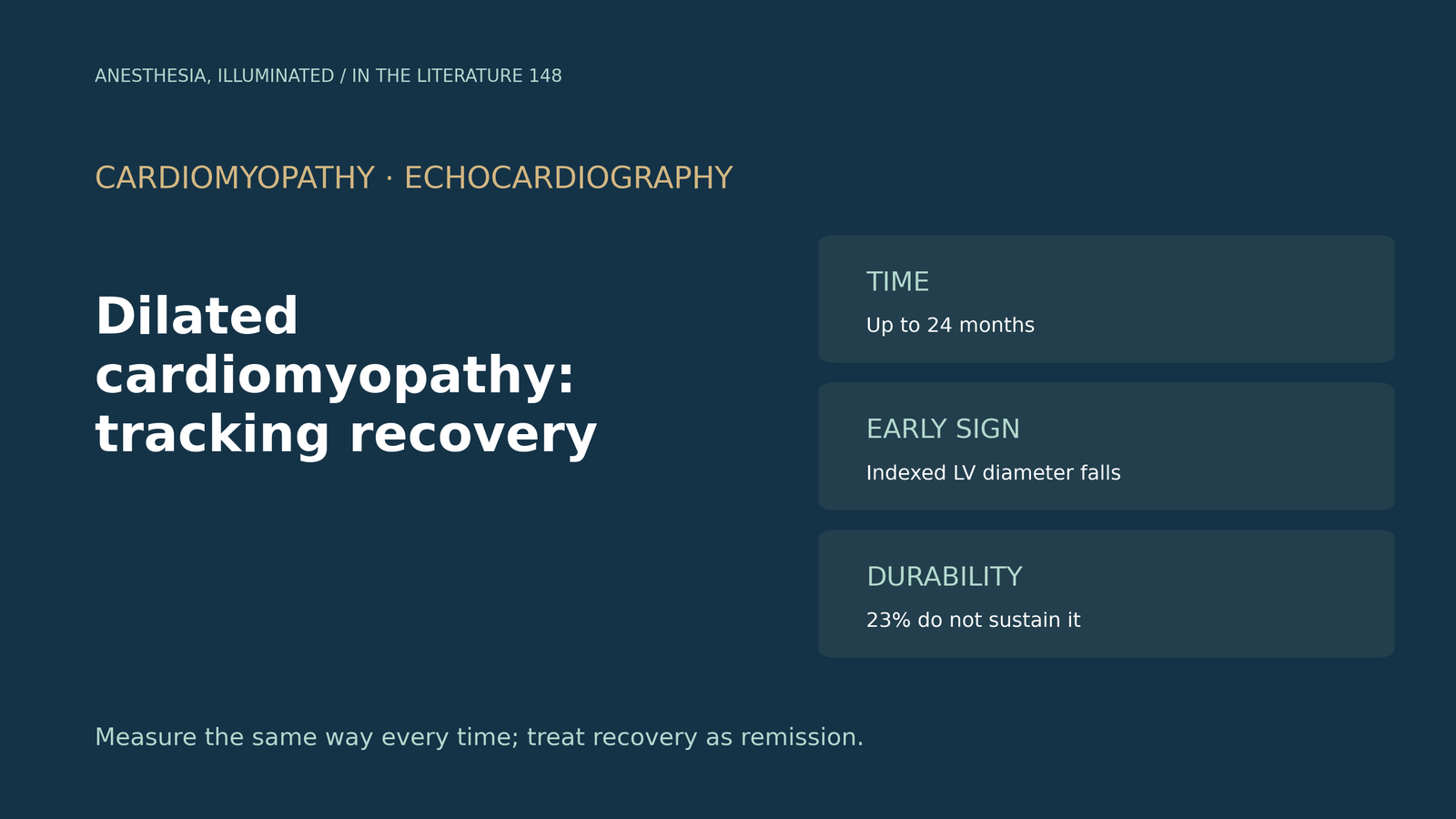
- Give it time. Reverse remodeling continued for up to 24 months; of 131 patients whose ejection fraction was still 35% or less at 6 months, 88 (67%) later rose above 35%.[1]
- Watch the diameter early. A fall in indexed left ventricular end-diastolic diameter by 6 months was the only independent predictor of late recovery; 25 of 28 such patients (89%) later improved.[1]
- Measure the atrium too. Left atrial reverse remodeling, defined with a 10% threshold set at twice interobserver variability, occurred in 31% after 1 year, and rising atrial volume signals worsening.[2]
- Strain helps predict recovery. In sinus rhythm, baseline global longitudinal strain discriminated patients who recovered (area under the curve 0.854).[3]
- Recovery is not cure. In a large heart failure cohort, 23% of patients whose ejection fraction recovered did not sustain it.[4], [5]
A patient with dilated cardiomyopathy, on therapy for 8 months, comes for elective surgery. The last echo shows an ejection fraction of 38%, up from 25%. Has the ventricle truly remodeled, and which echo measures should be compared with previous studies?[1], [4]
The left ventricle: what to measure and when
In a registry of recent-onset nonischemic dilated cardiomyopathy, De Angelis and colleagues measured volumes and ejection fraction by the biplane Simpson method and indexed end-diastolic diameter to body size, at enrollment, about 6 months and about 24 months. Reverse remodeling continued for up to 24 months: of 131 patients with an ejection fraction of 35% or less at 6 months, 88 (67%) later exceeded 35%. A fall in indexed diameter by 6 months was the only independent predictor of this late recovery, seen in 25 of 28 patients (89%) with such a fall; the authors argue that indexed diameter does not depend on hemodynamic load.[1]
Jung and colleagues used a similar definition, including a fall in indexed diameter of at least 10%, and found reverse remodeling in 28% (45 patients) with sinus rhythm. Baseline global longitudinal strain predicted recovery with 98% sensitivity, 63% specificity and an area under the curve of 0.854, so they suggest measuring strain in patients with sinus rhythm; the study was small and retrospective.[3]
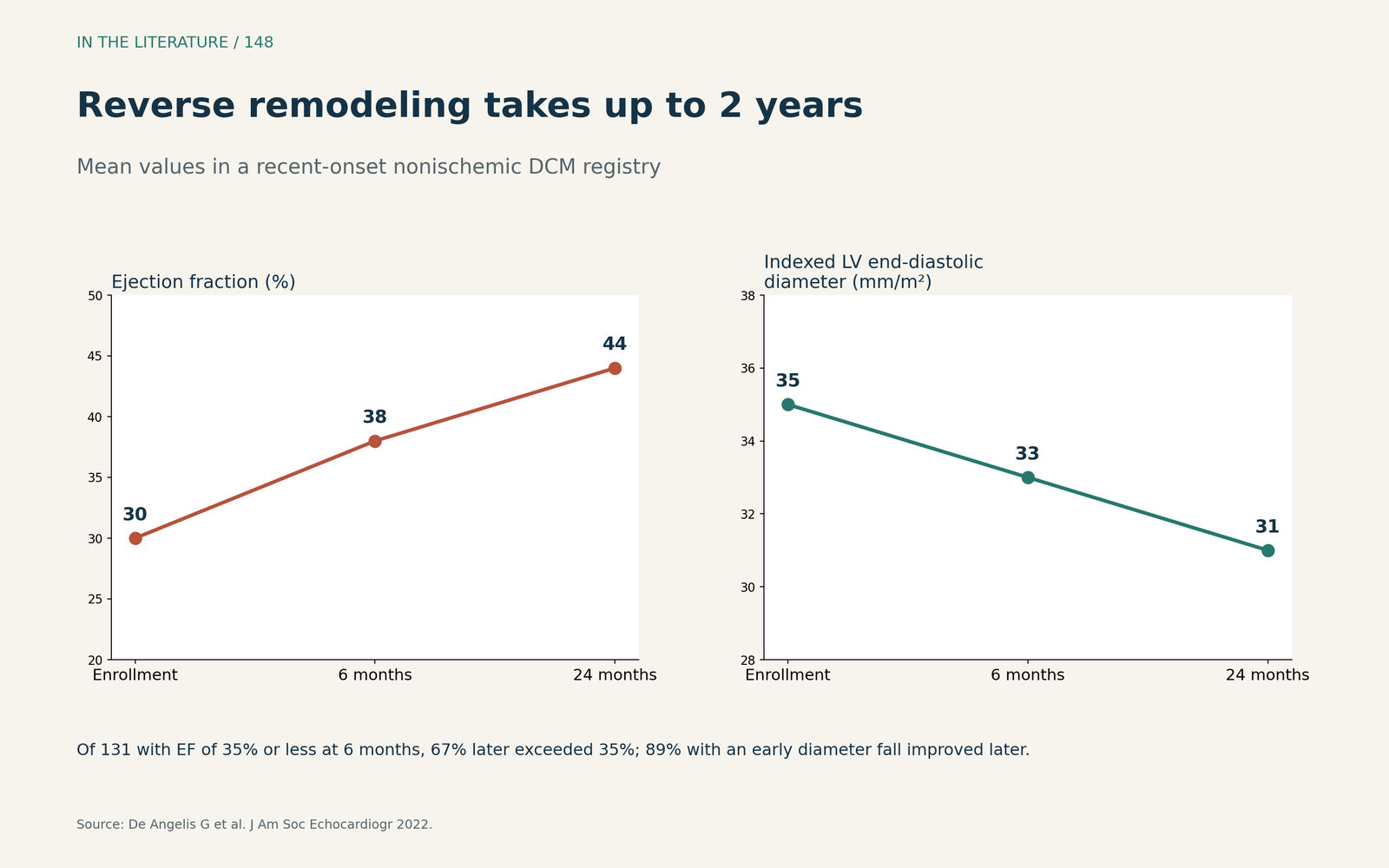
Figure 1. Reverse remodeling takes up to 2 years. Redrawn from De Angelis et al.[1] View larger.

The left atrium adds information
Nuzzi and colleagues measured left atrial volume index by biplane disk summation at baseline and 1 year, with the same operator for each patient. Volume decreased in 374 patients; left atrial reverse remodeling, a 10% fall (double the interobserver variability) to a normal volume, occurred in 31%. The change was not merely a consequence of the ventricular response, and increasing atrial volume at follow-up indicates worsening clinical status.[2]
Recovery may not last
Furquim and colleagues followed 3628 patients with three echos: ejection fraction improved in 1342 (37%), but 310 of these (23%) did not sustain it, and greater recovery favored maintenance; normalization does not mean a cure.[4] Segev and colleagues found improvement in 174 of 567 patients (31%); male sex, ischemic cause, lower ejection fraction, larger ventricles and late gadolinium enhancement predicted no improvement. They caution that improved ejection fraction does not mean full myocardial recovery and that visually estimated changes may reflect interobserver variability. Both cohorts included mixed causes of heart failure, not dilated cardiomyopathy alone.[5]
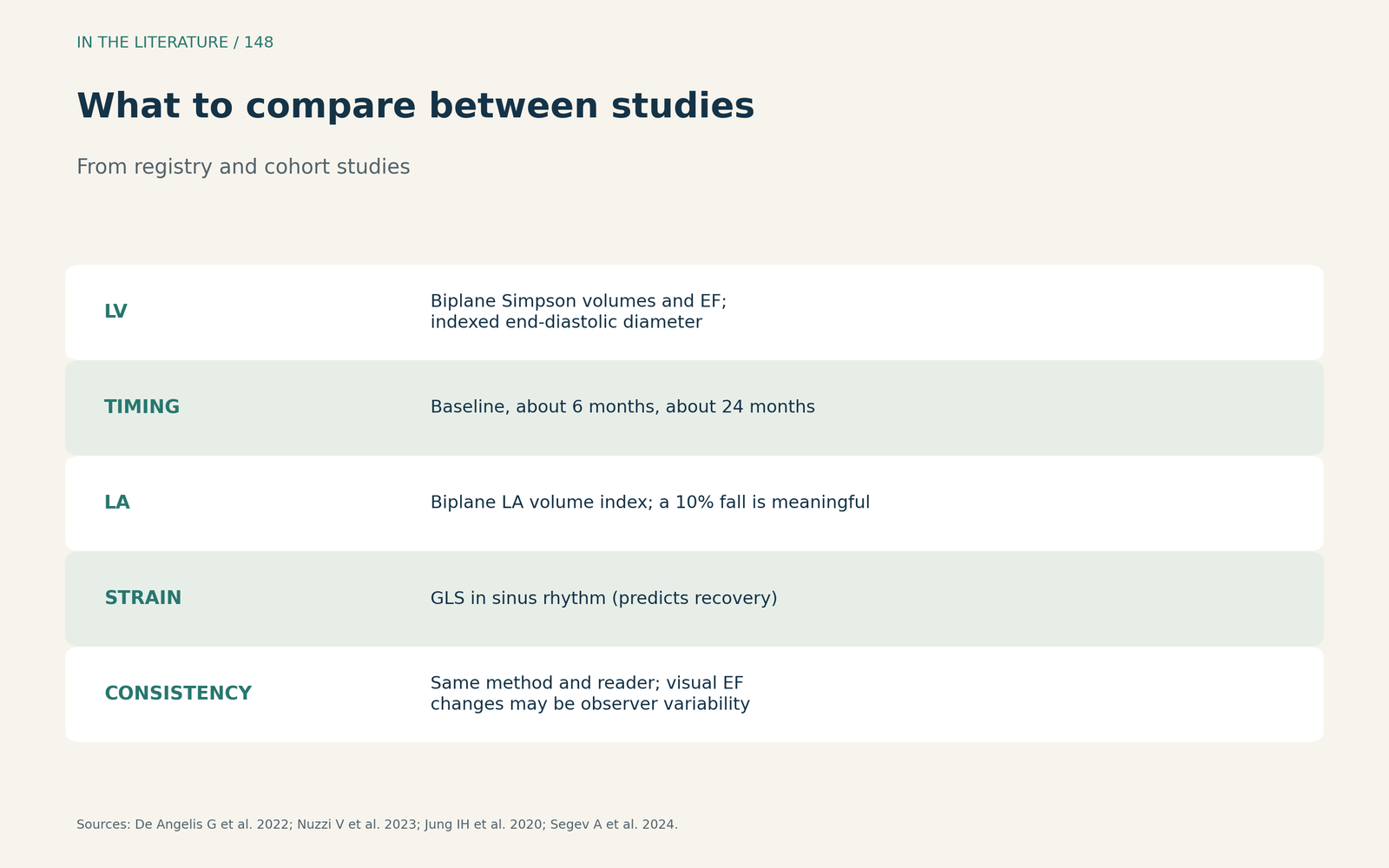
Figure 2. What to compare between studies. Synthesized from De Angelis et al., Nuzzi et al., Jung et al. and Segev et al.[1], [2], [3], [5] View larger.

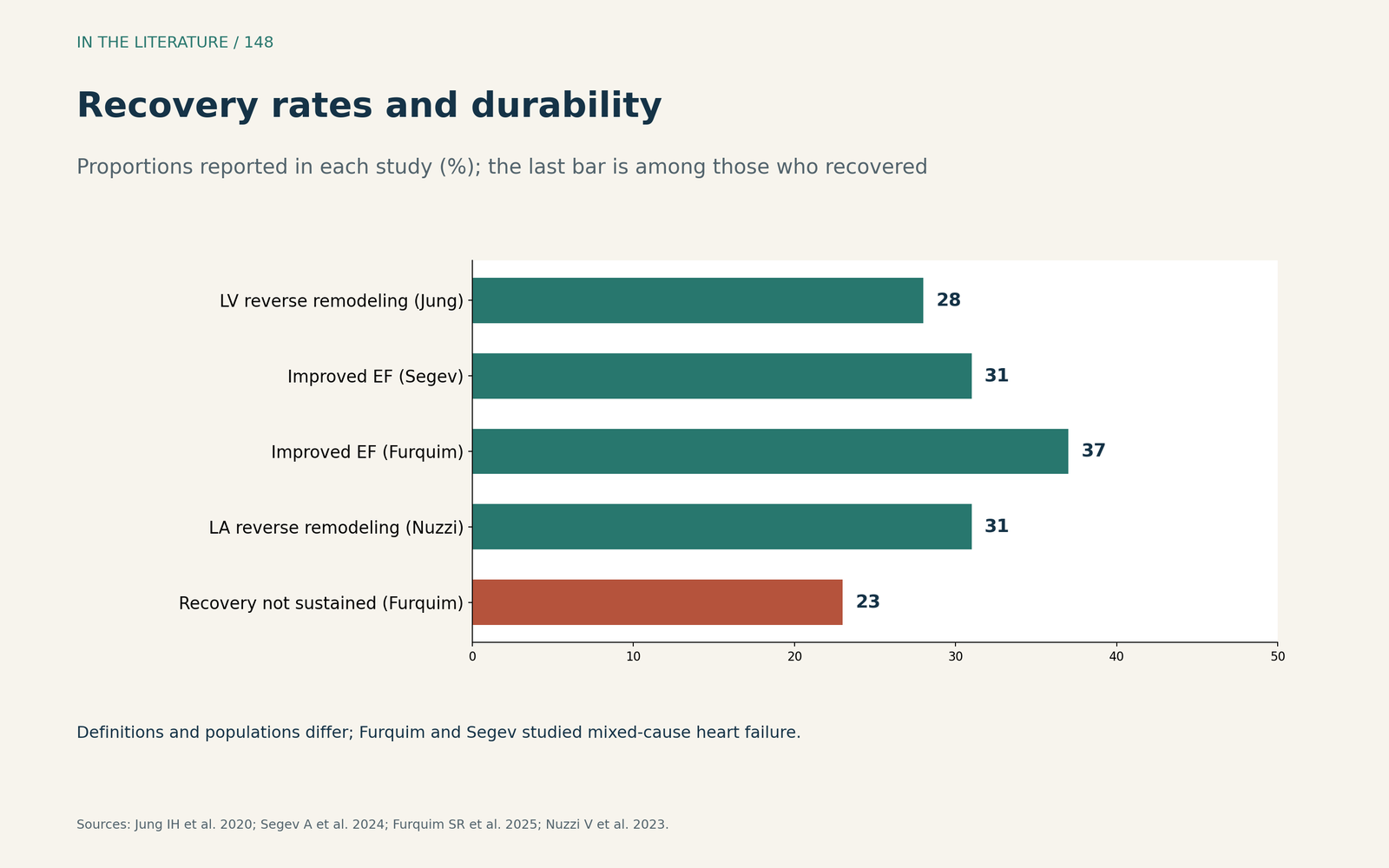
Figure 3. Recovery rates and durability. Redrawn from Jung et al., Segev et al., Furquim et al. and Nuzzi et al.[3], [5], [4], [2] View larger.

Three takeaways
- Compare like with like. Use biplane volumes, indexed diameter and atrial volume, measured the same way each time.[1], [2]
- Look early, judge late. Early shrinkage predicts recovery that may take up to 24 months.[1]
- Treat recovery as remission. Improvement can be lost, and a visual ejection fraction change may be noise.[4], [5]
References
- De Angelis G, Merlo M, Barbati G, et al. Longitudinal arrhythmic risk assessment based on ejection fraction in patients with recent-onset nonischemic dilated cardiomyopathy. J Am Soc Echocardiogr. 2022;35(8):801–809.e3. doi:10.1016/j.echo.2022.03.019
- Nuzzi V, Raafs A, Manca P, et al. Left atrial reverse remodeling in dilated cardiomyopathy. J Am Soc Echocardiogr. 2023;36(2):154–162. doi:10.1016/j.echo.2022.10.017
- Jung IH, Park JH, Lee JA, et al. Left ventricular global longitudinal strain as a predictor for left ventricular reverse remodeling in dilated cardiomyopathy. J Cardiovasc Imaging. 2020;28(2):137–149. doi:10.4250/jcvi.2019.0111
- Furquim SR, Bocchi EA, Lira MTSS, et al. Predictors of sustained reverse remodelling in patients with heart failure with reduced ejection fraction. ESC Heart Fail. 2025;12(3):2190–2199. doi:10.1002/ehf2.15241
- Segev A, Avrahamy B, Fardman A, et al. Heart failure with improved ejection fraction: patient characteristics, clinical outcomes and predictors for improvement. Front Cardiovasc Med. 2024;11:1378955. doi:10.3389/fcvm.2024.1378955