ITL-80e61a73da87
Juan Li, MD · Updated November 18, 2026
Key points
- Same recommendation. The 2023 ISHLT guideline gives durable support as a bridge to transplant or candidacy, and as long-term or destination therapy, Class I, Level A support.[1]
- Labels move. As many as 17% of destination therapy recipients eventually undergo heart transplant, and one-third of bridge patients in an earlier era became non-candidates.[1], [2]
- Benefit did not depend on intent. In MOMENTUM 3, the centrifugal pump's benefit was similar for bridge and destination patients (HR 0.62 and 0.61).[3]
- Many barriers are reversible. Age alone should not preclude an LVAD, and fixed pulmonary vascular resistance is not a contraindication unless severe RV failure coexists.[4]
- A few are not. Inability to take anticoagulation, anticipated permanent dialysis for destination therapy, and illness limiting survival to under 2 years argue against implant.[4], [1], [2]
An older patient with advanced heart failure is referred for an LVAD, and the team is unsure whether to call it a bridge to transplant or destination therapy. Does the label change who should get a pump, or what they can expect?[1], [3]
What the guideline asks for
Saeed et al. (2023 ISHLT guideline) recommend that refractory NYHA IIIB-IV patients be considered for durable support as a bridge to transplant or candidacy, and for long-term support if transplant is unlikely soon or the patient is ineligible; both are Class I, Level A. Every referred patient should have transplant candidacy assessed before implant. INTERMACS profiles 1 to 3 gain survival benefit from an LVAD, and anticipated permanent dialysis should be a contraindication to destination therapy.[1] Lietz and Miller (Curr Opin Cardiol 2009) noted that up to 17% of destination recipients were later transplanted, that one-third of bridge patients became non-candidates with destination-like outcomes, and that elective bridging is reasonable when a long wait is expected.[2]
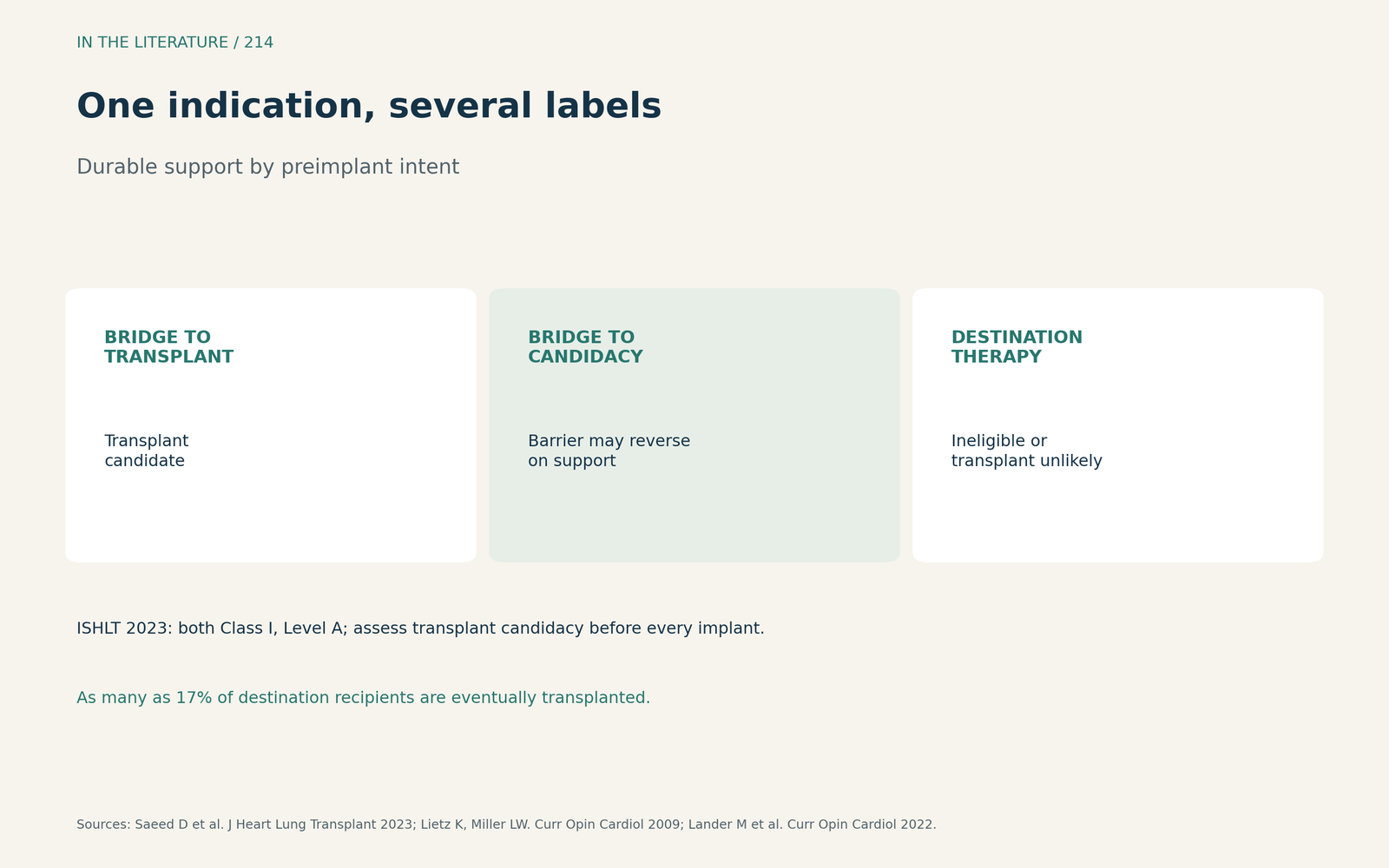
Figure 1. One indication, several labels. Synthesized from Saeed et al., Lietz and Miller, and Lander et al.[1], [2], [4] View larger.

What the trial showed by intent
In the MOMENTUM 3 prespecified analysis (Goldstein et al., JAMA Cardiol 2020), 396 patients (38.8%) were designated bridge to transplant or candidacy. Destination patients were older (mean 63 vs 55 years) and had more gastrointestinal bleeding. The centrifugal pump's benefit was similar by intent (HR 0.62 and 0.61); with that pump, event-free survival was 76.8% for bridge and 73.2% for destination patients, and intent was not significantly associated with the primary outcome. Among destination patients, 12.3% and 14.7% were transplanted within two years; among bridge-to-candidacy patients, transplant rates were 40.9%, 32.3% and 9.1% by likely, moderate and unlikely eligibility. The trial was not powered for this analysis.[3]
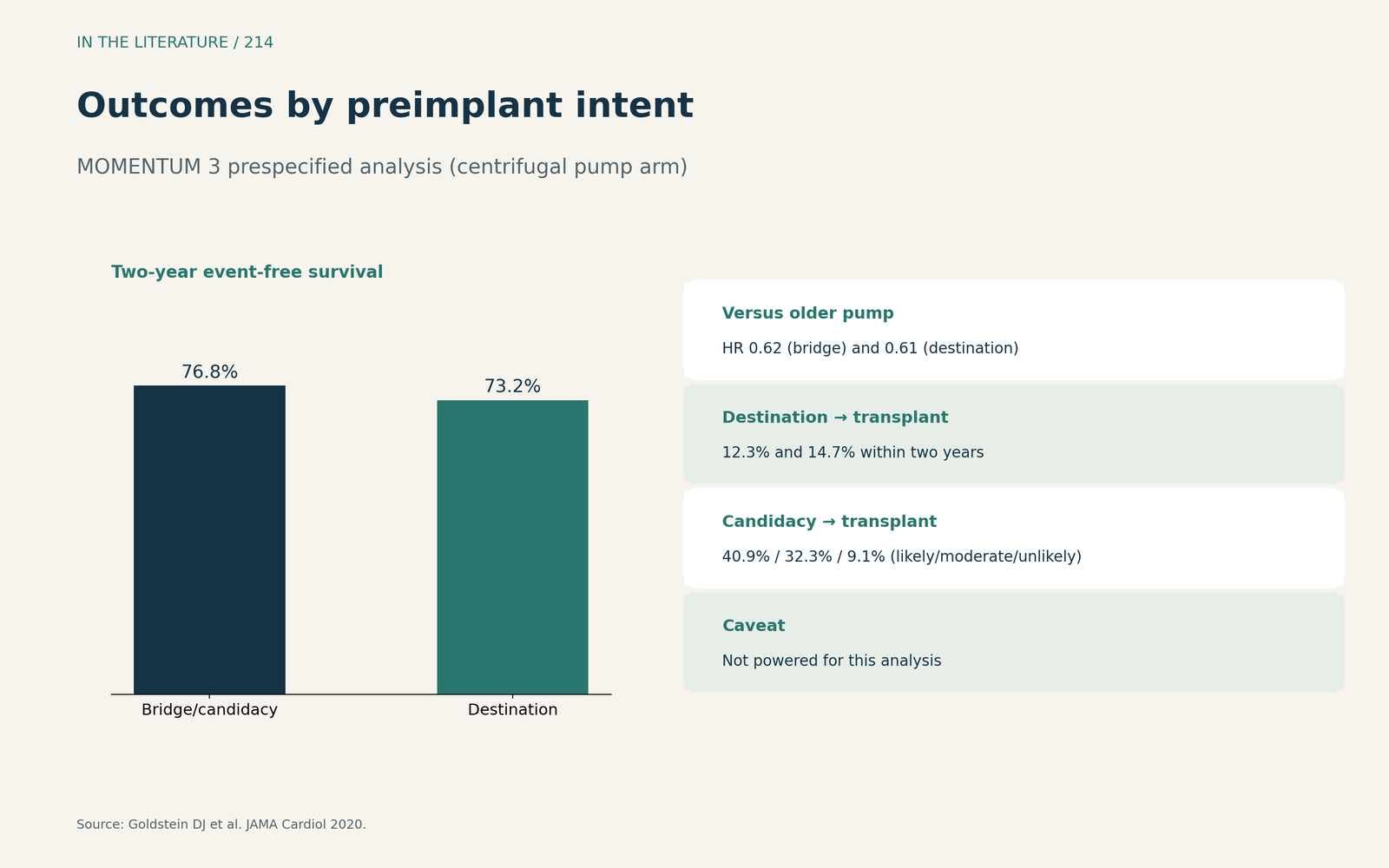
Figure 2. Similar benefit, shifting goals. Redrawn from Goldstein et al.[3] View larger.

What decides candidacy
Lander et al. (Curr Opin Cardiol 2022) argue that age alone should not preclude LVAD therapy and that fixed pulmonary vascular resistance does not preclude an LVAD unless severe RV failure coexists. Any contraindication to anticoagulation contraindicates a durable LVAD. Frail patients had higher one-year mortality, and only 29% of 278 recipients at one centre met a composite success metric.[4] Systemic illness limiting predicted survival to under 2 years is a contraindication,[2] and MELD and MELD-XI scores above 17 are associated with poor outcomes.[5]
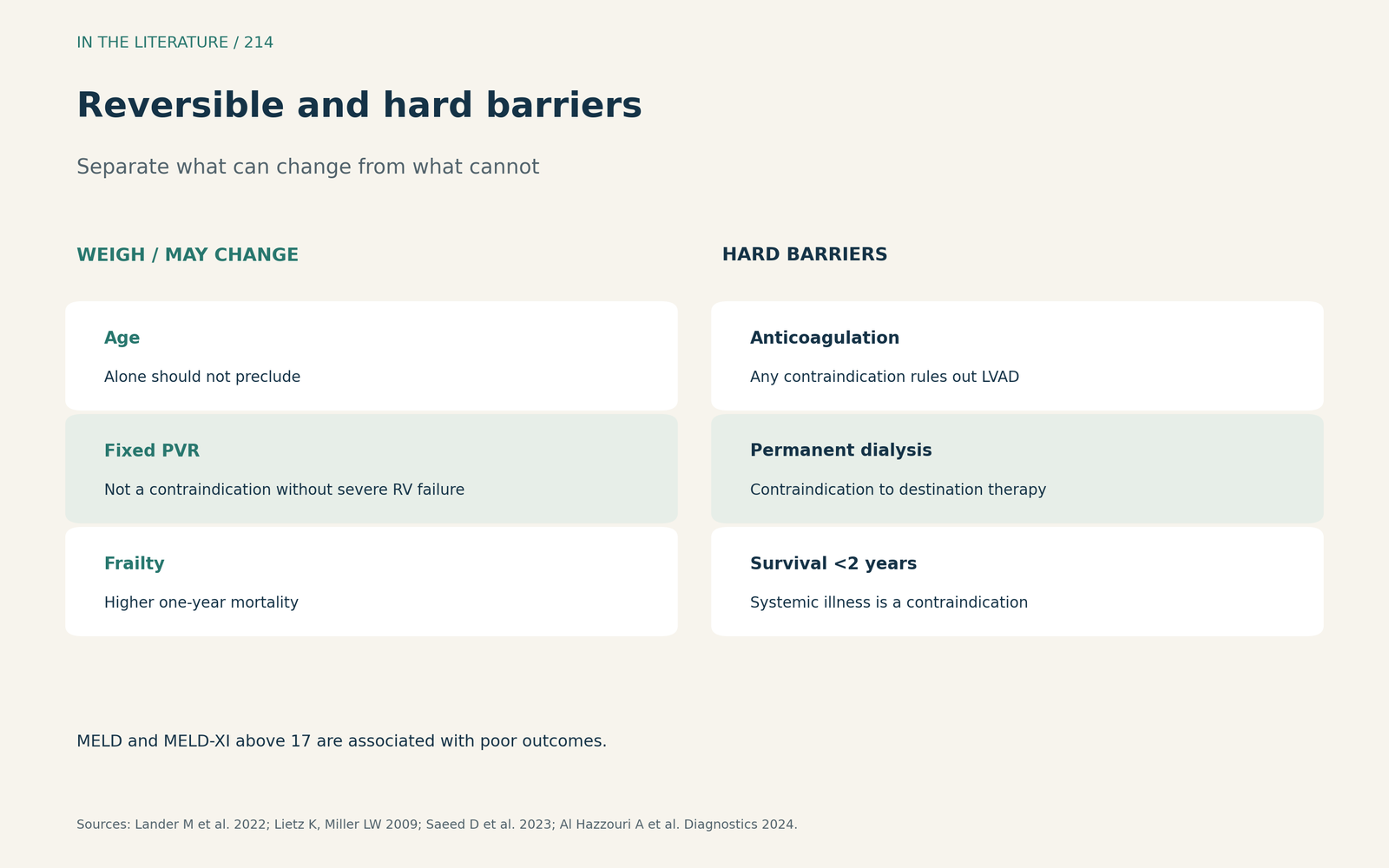
Figure 3. Separate what can change from what cannot. Synthesized from Lander et al., Lietz and Miller, Saeed et al. and Al Hazzouri et al.[4], [2], [1], [5] View larger.

Three takeaways
- Assess transplant candidacy in every LVAD referral, but do not let the label decide who benefits.[1], [3]
- Expect the goal to change on support, in both directions.[1], [2], [3]
- Separate reversible barriers from hard ones such as anticoagulation intolerance and permanent dialysis.[4], [1]
References
- Saeed D, Feldman D, El Banayosy A, et al. The 2023 International Society for Heart and Lung Transplantation guidelines for mechanical circulatory support: a 10-year update. J Heart Lung Transplant. 2023;42(7):e1–e222. doi:10.1016/j.healun.2022.12.004
- Lietz K, Miller LW. Patient selection for left-ventricular assist devices. Curr Opin Cardiol. 2009;24(3):246–251. doi:10.1097/HCO.0b013e32832a0743
- Goldstein DJ, Naka Y, Horstmanshof D, et al. Association of clinical outcomes with left ventricular assist device use by bridge to transplant or destination therapy intent: the MOMENTUM 3 randomized clinical trial. JAMA Cardiol. 2020;5(4):411–419. doi:10.1001/jamacardio.2019.5323
- Lander M, Bhardwaj A, Kanwar M. Selection and management considerations to enhance outcomes in patients supported by left ventricular assist devices. Curr Opin Cardiol. 2022;37(6):502–510. doi:10.1097/HCO.0000000000000996
- Al Hazzouri A, Attieh P, Sleiman C, et al. Left ventricular assist device in advanced refractory heart failure: a comprehensive review of patient selection, surgical approaches, complications and future perspectives. Diagnostics (Basel). 2024;14(22):2480. doi:10.3390/diagnostics14222480