
ITL-4b20bf558ece
Juan Li, MD · Updated November 18, 2026
Key points
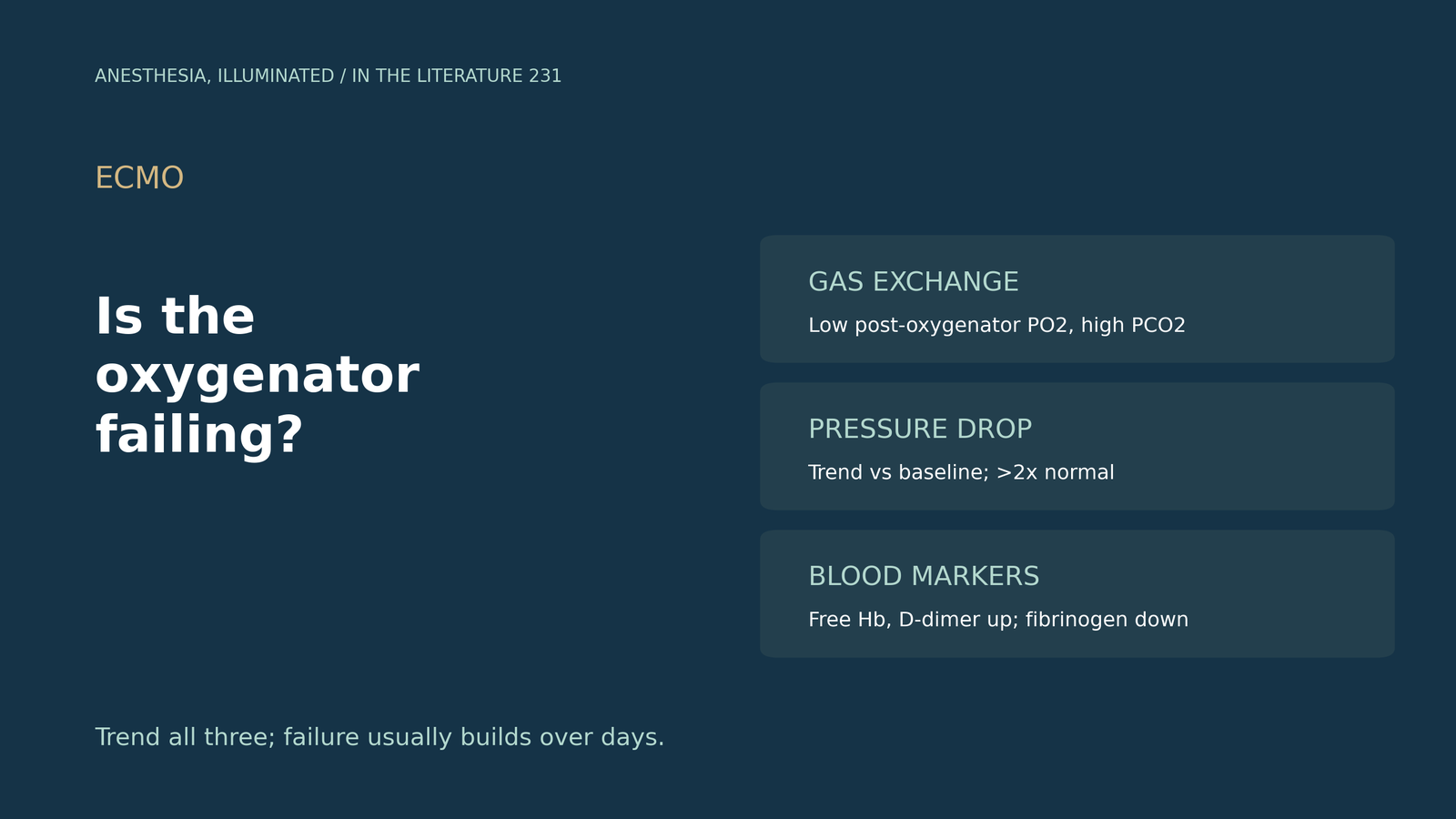
- Gas exchange is the direct test. Post-oxygenator PO2 should be 300 to 600 mmHg; low PO2 and high PCO2 for a given sweep indicate failure.[1]
- Pressure drop is read as a trend. A drop of 30 to 150 mmHg is normal, more than twice normal is abnormal, and no universal threshold exists.[1], [2]
- Blood markers warn early. Plasma-free hemoglobin rose 42-fold around circuit exchange and was the optimal marker of circuit dysfunction.[3]
- Rising D-dimer with falling fibrinogen suggests hyperfibrinolysis in the circuit.[3]
- Failure is usually gradual. Polymethylpentene oxygenators typically fail slowly over several days, which leaves time to trend.[1]
A patient on venovenous ECMO needs more sweep and more FiO2 to hold the same saturation, and the circuit check shows fibrin on the membrane. Is the oxygenator failing, and what should be measured?[1], [3]
Gas exchange: the most direct sign
Sidebotham et al. (J Cardiothorac Vasc Anesth 2012) state that post-oxygenator PO2 should be 300 to 600 mmHg, and that low post-oxygenator PO2 and high PCO2 for a given sweep indicate oxygenator failure.[1] Kwak et al. (J Cardiothorac Vasc Anesth 2020) advise measuring saturations before and after the gas exchanger, so the membrane's own contribution can be separated from the patient's lungs.[4] Butt et al. (J Extra Corpor Technol 2024) explain why performance falls: deposits on membrane fibers hinder gas exchange and reduce oxygen transfer.[5] A review (Quintel et al., Anesthesiology 2020) adds that a progressive fall in outlet PO2 on a simple blood gas is a quick bedside check of membrane function,[6] and failure is not rare: in a nationwide COVID-19 cohort, membrane lung failures were more frequent than in the ELSO registry (12% vs 8%; Nesseler et al., Anesthesiology 2022).[7]
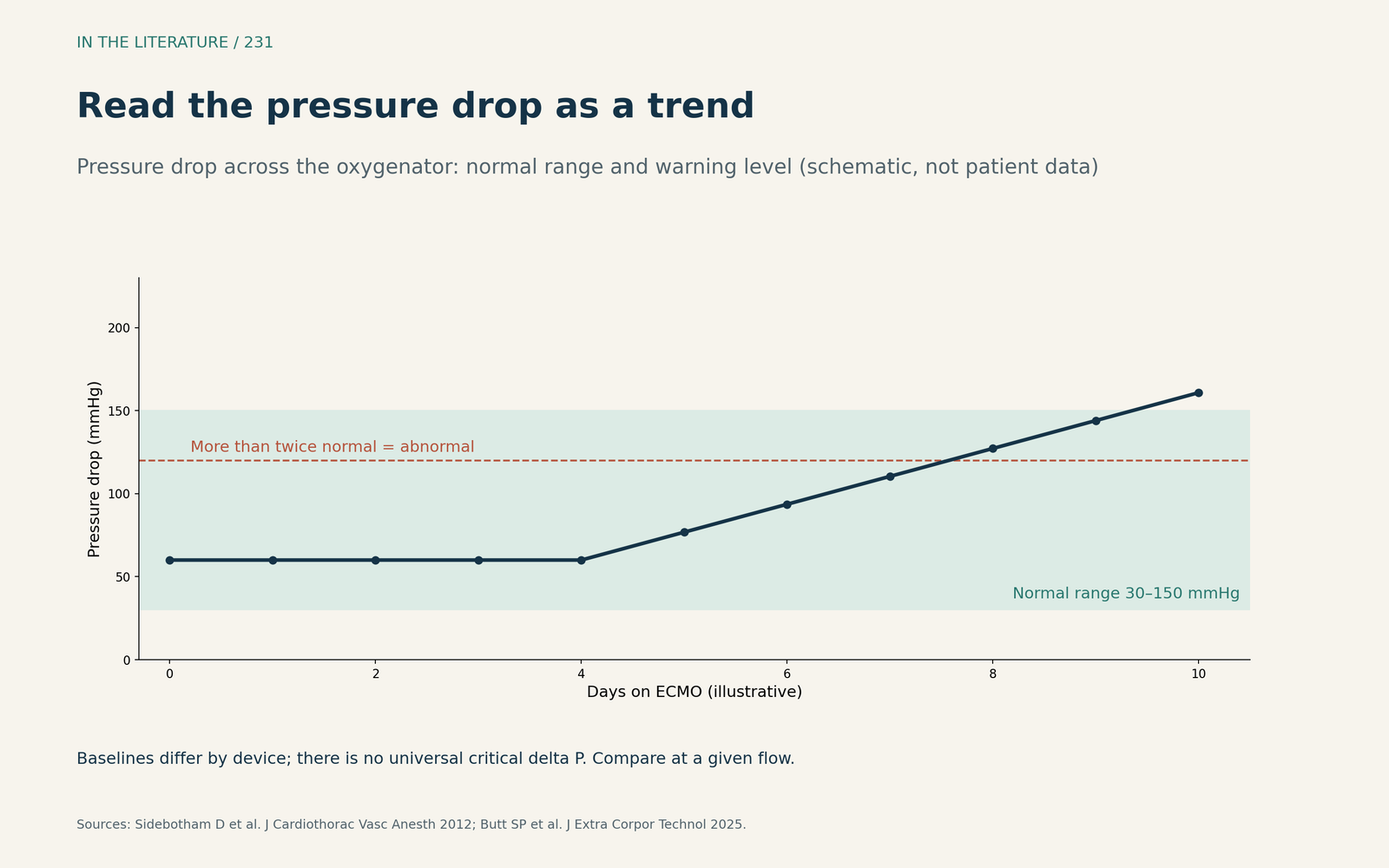
Figure 1. Read the pressure drop against flow and against its own baseline. Concept redrawn from Sidebotham et al.; values from Sidebotham et al. and Butt et al.[1], [2] View larger.

Pressure drop: a trend, not a cut-off
Sidebotham et al. describe a normal pressure drop of 30 to 150 mmHg across the oxygenator, and a drop more than twice normal signals an abnormal oxygenator.[1] Butt et al. (J Extra Corpor Technol 2025) call delta P a critical early indicator of thrombus in the oxygenator, but note there is no universal threshold for a critical delta P because baselines differ between devices.[2] Abnormal circuit pressures can indicate thrombosis,[5] and Blum et al. (Crit Care 2024) add that circuit resistance can be monitored by the pump pressure head at a given flow.[8]
Blood markers: hemolysis and consumption
In a systematic review, Materne et al. (Int J Med Sci 2021) found reported hemolysis on VV ECMO ranged from 0 to 41%; free hemoglobin above 50 mg/dL is commonly used to define it, and all reported pump head thromboses were accompanied by hemolysis.[9] Blum et al. found hemolysis was minimal at low pump pressures and low circuit resistance, and noted that LDH is only an indirect surrogate.[8] In the Hoffman et al. cohort (ASAIO J 2023), plasma-free hemoglobin rose 42-fold from baseline to its peak around exchange, visible fibrin stranding in the oxygenator was documented in 66%, and plasma-free hemoglobin was the optimal marker of circuit dysfunction.[3] Platelets and fibrinogen fell while D-dimer rose up to circuit exchange.[3] The authors also note that a rising D-dimer with falling fibrinogen suggests hyperfibrinolysis in the circuit, and that pump head thrombosis is a late complication.[3]
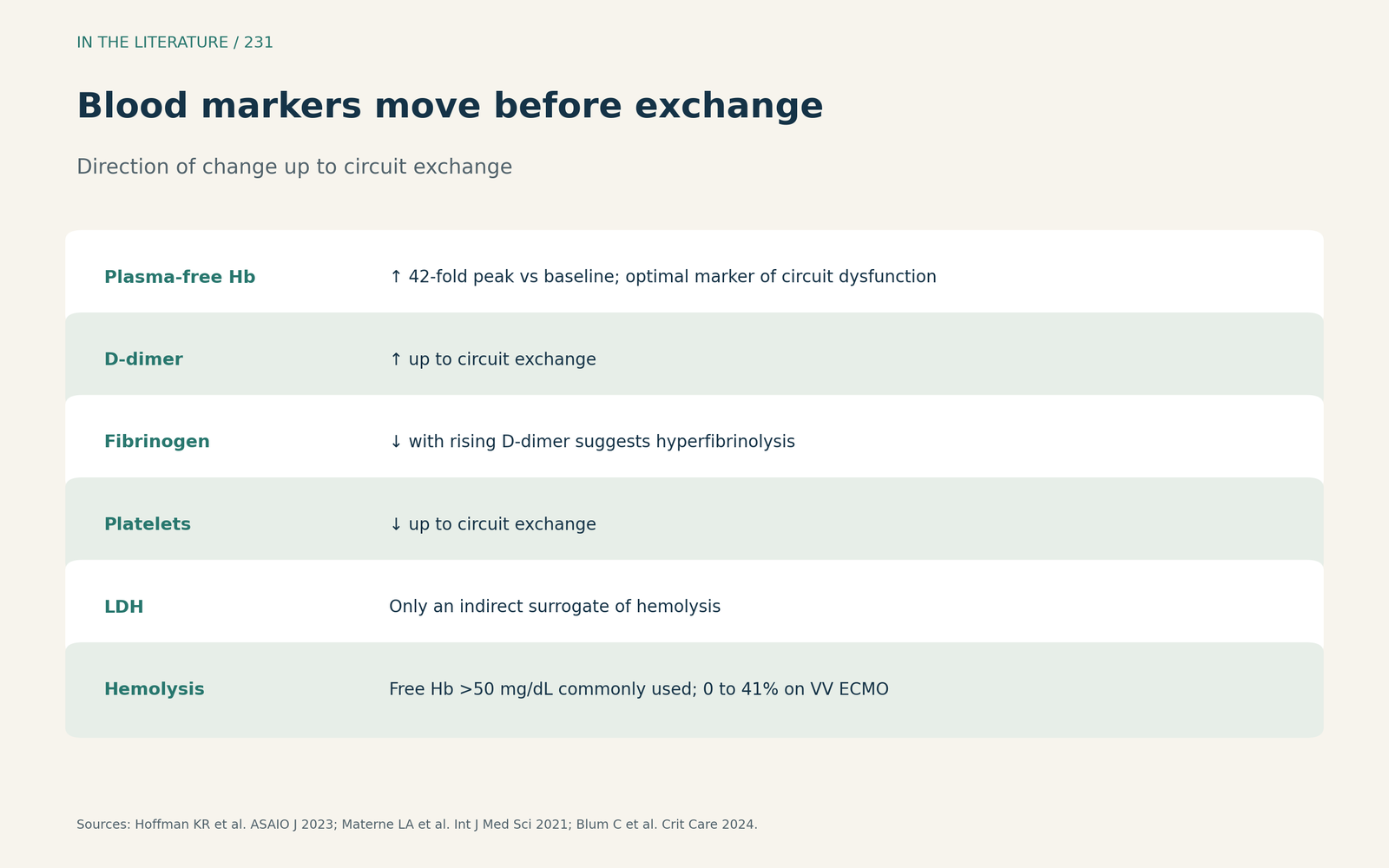
Figure 2. Free hemoglobin and coagulation markers move before and around exchange. Synthesized from Hoffman et al., Materne et al. and Blum et al.[3], [9], [8] View larger.

When to change
Failure of polymethylpentene oxygenators typically develops slowly over several days, so serial trends are more useful than a single value.[1] Sidebotham et al. suggest that when the oxygenator needs changing, exchanging the entire circuit is often best.[1] No validated cut-off predicts the need for exchange; the evidence is reviews, small cohorts and a letter.[2], [3]
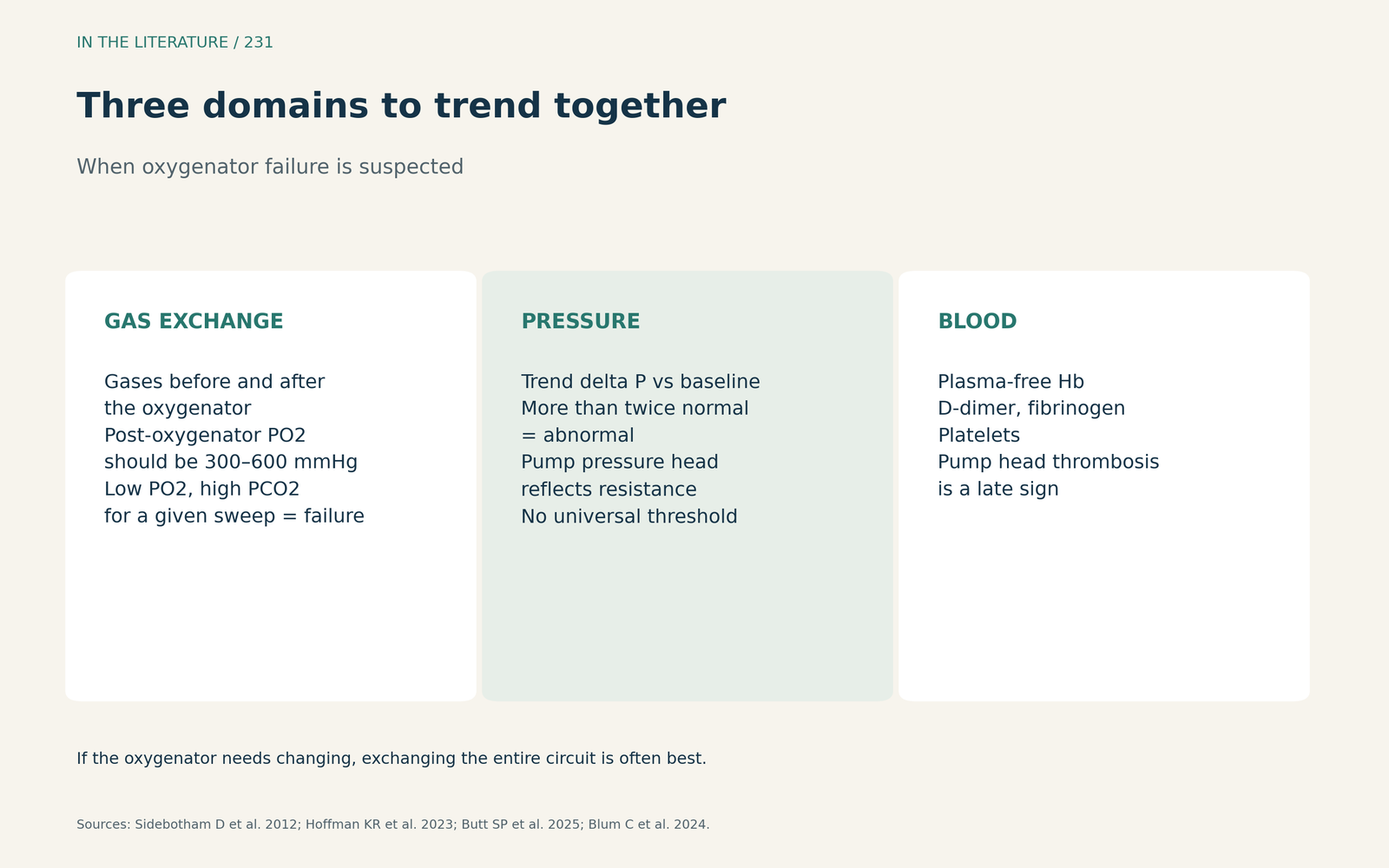
Figure 3. Three domains to trend together. Synthesized from Sidebotham et al., Hoffman et al., Butt et al. and Blum et al.[1], [3], [2], [8] View larger.

Three takeaways
- Measure post-oxygenator gases: low PO2 or high PCO2 for a given sweep is the direct sign of failure.[1], [4]
- Trend the pressure drop against its own baseline; a rise to more than twice normal is abnormal, but no universal threshold exists.[1], [2]
- Follow free hemoglobin, D-dimer and fibrinogen; they can flag circuit clot before gas exchange falls.[3], [9]
References
- Sidebotham D, Allen SJ, McGeorge A, et al. Venovenous extracorporeal membrane oxygenation in adults: practical aspects of circuits, cannulae, and procedures. J Cardiothorac Vasc Anesth. 2012;26(5):893–909. doi:10.1053/j.jvca.2012.02.001
- Butt SP, Abdulaziz S, Mahdaly A, et al. Delta-P as an early indicator of oxygenator failure: the case for standardized manufacturer reference values. J Extra Corpor Technol. 2025;57(4):292–293. doi:10.1051/ject/2025039
- Hoffman KR, Diehl A, Paul E, Burrell AJC. The hematological effects of extracorporeal membrane oxygenator exchange. ASAIO J. 2023;69(7):e308–e314. doi:10.1097/MAT.0000000000001976
- Kwak J, Majewski MB, Jellish WS. Extracorporeal membrane oxygenation: the new jack-of-all-trades? J Cardiothorac Vasc Anesth. 2020;34(1):192–207. doi:10.1053/j.jvca.2019.09.031
- Butt SP, Razzaq N, Saleem Y, et al. Improving ECMO therapy: monitoring oxygenator functionality and identifying key indicators, factors, and considerations for changeout. J Extra Corpor Technol. 2024;56(1):20–29. doi:10.1051/ject/2023047
- Quintel M, Bartlett RH, Grocott MPW, et al. Extracorporeal membrane oxygenation for respiratory failure. Anesthesiology. 2020;132(5):1257–1276. doi:10.1097/ALN.0000000000003221
- Nesseler N, Fadel G, Mansour A, et al. Extracorporeal membrane oxygenation for respiratory failure related to COVID-19: a nationwide cohort study. Anesthesiology. 2022;136(5):732–748. doi:10.1097/ALN.0000000000004168
- Blum C, Landoll M, Strassmann SE, et al. Blood trauma in veno-venous extracorporeal membrane oxygenation: low pump pressures and low circuit resistance matter. Crit Care. 2024;28(1):330. doi:10.1186/s13054-024-05121-9
- Materne LA, Hunsicker O, Menk M, Graw JA. Hemolysis in patients with extracorporeal membrane oxygenation therapy for severe acute respiratory distress syndrome—a systematic review of the literature. Int J Med Sci. 2021;18(8):1730–1738. doi:10.7150/ijms.50217