ITL-42243b4065a0
Juan Li, MD · Updated November 18, 2026
Key points
- Decide first. Retrieval is considered when the risk of a conventional transport is unacceptable, and candidacy for ECMO and for retrieval are assessed separately.[1]
- Fix the fixable. Reversible problems such as untreated pneumothorax are addressed first and candidacy re-evaluated.[1]
- Confirm, then anticoagulate. Systemic anticoagulation starts once correct cannula position is confirmed by ultrasound.[1]
- Rehearse failure. Training covers moving the oxygenator to a hand crank and full ventilator support during pump failure.[2]
- Events are common. Adverse events have been reported in up to 28% of missions, most of them patient-related.[2]
A hospital without ECMO calls about a patient with refractory hypoxemia who is too unstable to move by ordinary ambulance. The ECMO team is ready to go. What has to be settled before the patient leaves the bedside?[1], [2]
Is retrieval needed?
Hermann et al. (Wien Klin Wochenschr 2024) describe retrieval as a strategy to avoid primary interhospital transfer of compromised patients, because transferring patients with severely impaired gas exchange or circulation may be hazardous.[1] Candidacy for ECMO treatment and for retrieval are assessed separately; retrieval is considered when conventional transport risk is unacceptable, with rule-in criteria including no transport option without ECMO and rapid deterioration.[1] Reversible problems such as untreated pneumothorax are addressed first.[1]
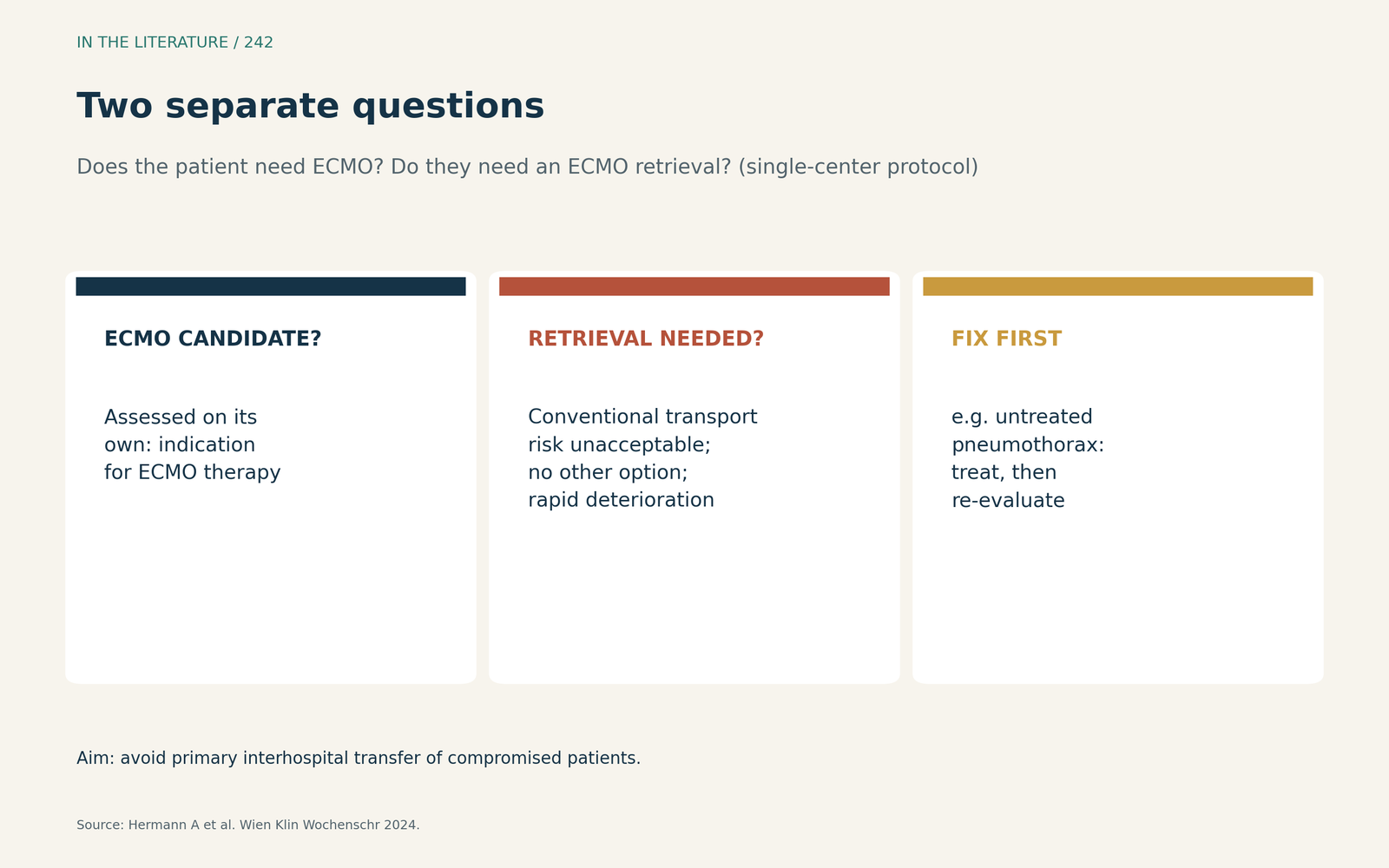
Figure 1. Two separate questions: ECMO candidacy and retrieval candidacy. Synthesized from Hermann et al.[1] View larger.

Before departure
The Vienna team prefers transporting ready-primed circuits, uses checklists covering oxygen and air supply, 220 V power and solution for ECMO fixation, requests blood when hemoglobin is 7 g/dl or less after initiation for short transports, and starts systemic anticoagulation only once correct cannula position is confirmed by ultrasound.[1] Labib and Alinier (J Cardiothorac Vasc Anesth 2021) train teams to move the oxygenator to a hand crank and put the patient on full ventilator support during pump failure, and to keep everyone seated with seatbelts on while the vehicle moves.[2]
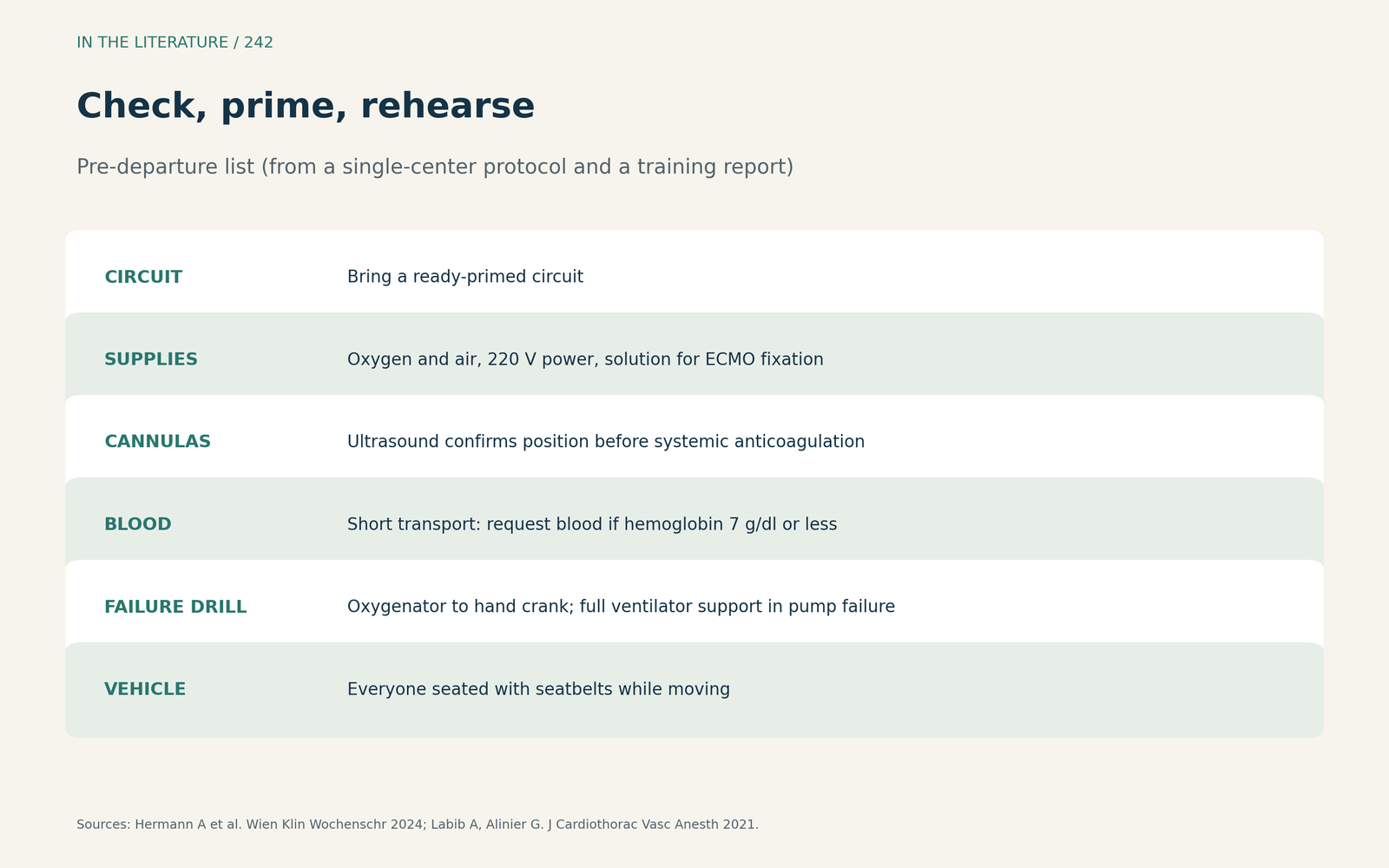
Figure 2. Check, prime, rehearse. Synthesized from Hermann et al. and Labib and Alinier.[1], [2] View larger.

How risky is the trip?
The transport phase is fraught with challenges: adverse events have been reported in up to 28% of missions, and most were patient-related (62%).[2] In one experienced center (Liu et al., J Intensive Med 2025), the median distance was 190 km and no severe adverse events, including death or mechanical failure, occurred; after matching, 28-day survival did not differ significantly between transported and non-transported patients, lactate above 5 mmol/L was associated with mortality (OR 2.80), and checklists, simpler equipment and a dedicated ambulance decreased complications.[3] In a VA-ECMO retrieval program (Krasivskyi et al., Life 2023), overall survival was 37%, non-survivors had longer resuscitation before ECMO (52 vs 22 min), and the authors urge careful patient selection.[4]
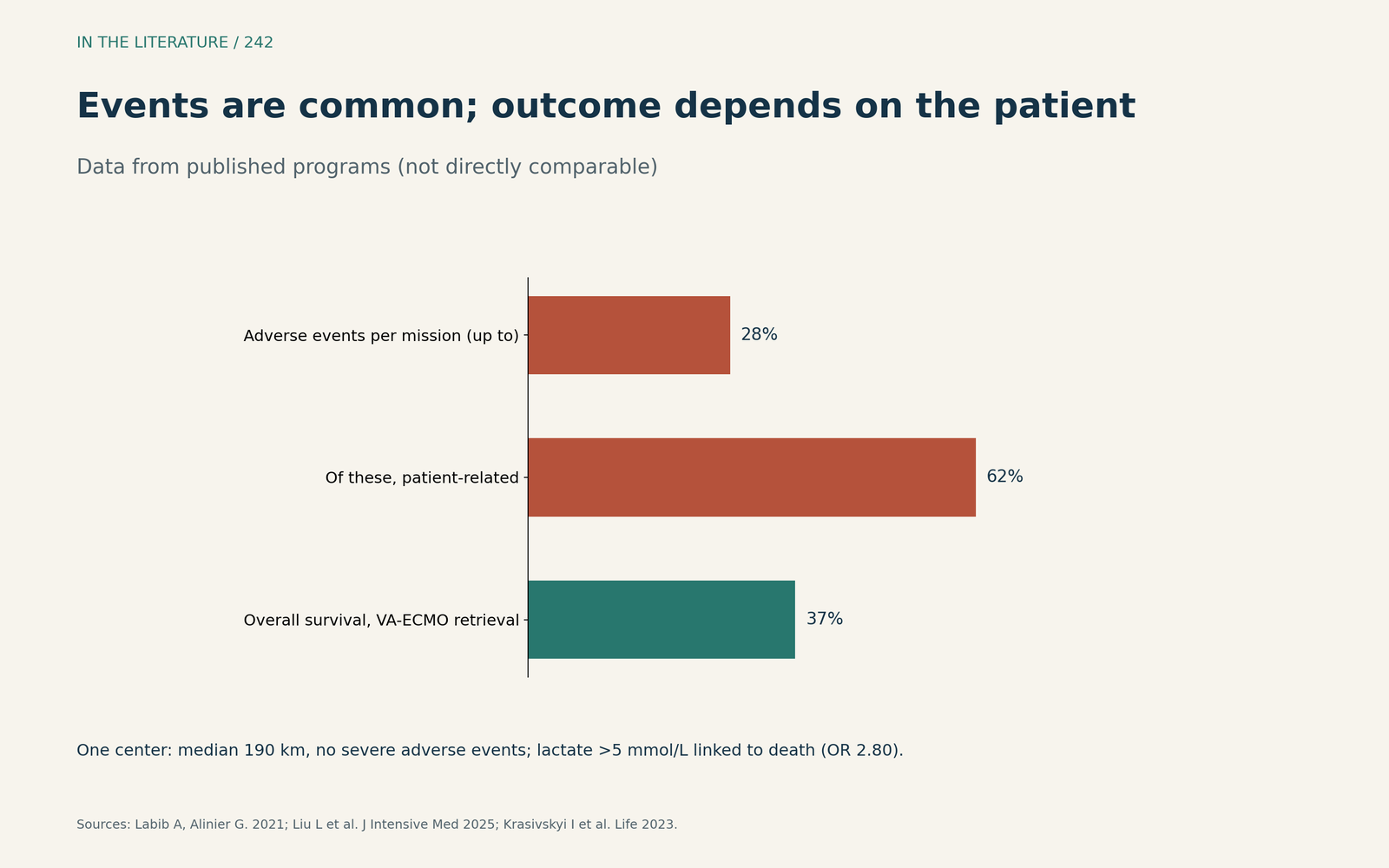
Figure 3. Events are common; outcomes depend on the patient. Data from Labib and Alinier, Liu et al. and Krasivskyi et al.[2], [3], [4] View larger.

Three takeaways
- Decide separately whether the patient needs ECMO and whether they need an ECMO retrieval.[1]
- Fix reversible problems, confirm cannula position, then anticoagulate and check gas, power and fixation.[1]
- Rehearse pump failure and expect adverse events; careful patient selection matters.[2], [4]
References
- Hermann A, Schellongowski P, Robak O, et al. Our approach for out-of-center initiation of extracorporeal membrane oxygenation and subsequent interhospital transport. Wien Klin Wochenschr. 2024;136(23-24):674–682. doi:10.1007/s00508-024-02469-4
- Labib A, Alinier G. Transport and retrieval on extracorporeal membrane oxygenation (ECMO): setup and activities of an immersive transport and retrieval on ECMO workshop. J Cardiothorac Vasc Anesth. 2021;35(6):1603–1610. doi:10.1053/j.jvca.2020.11.069
- Liu L, Hu D, Hao T, et al. Outcomes and risk factors of transported patients with extracorporeal membrane oxygenation: an ECMO center experience. J Intensive Med. 2025;5(1):35–42. doi:10.1016/j.jointm.2024.04.003
- Krasivskyi I, Großmann C, Dechow M, et al. ECMO retrieval program: what have we learned so far. Life (Basel). 2023;13(1):157. doi:10.3390/life13010157