ITL-319e984593a8
Juan Li, MD · Updated November 18, 2026
Key points
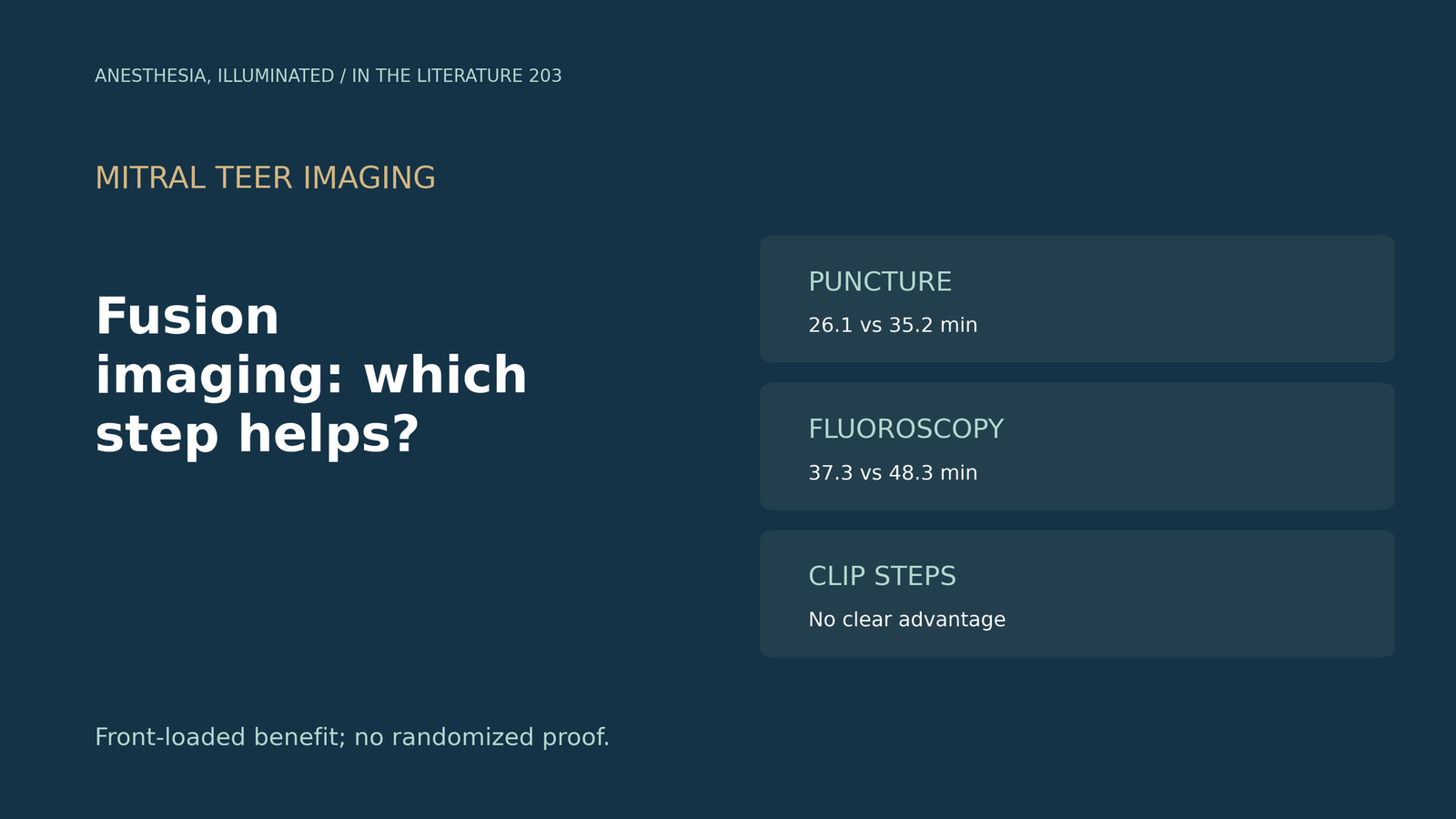
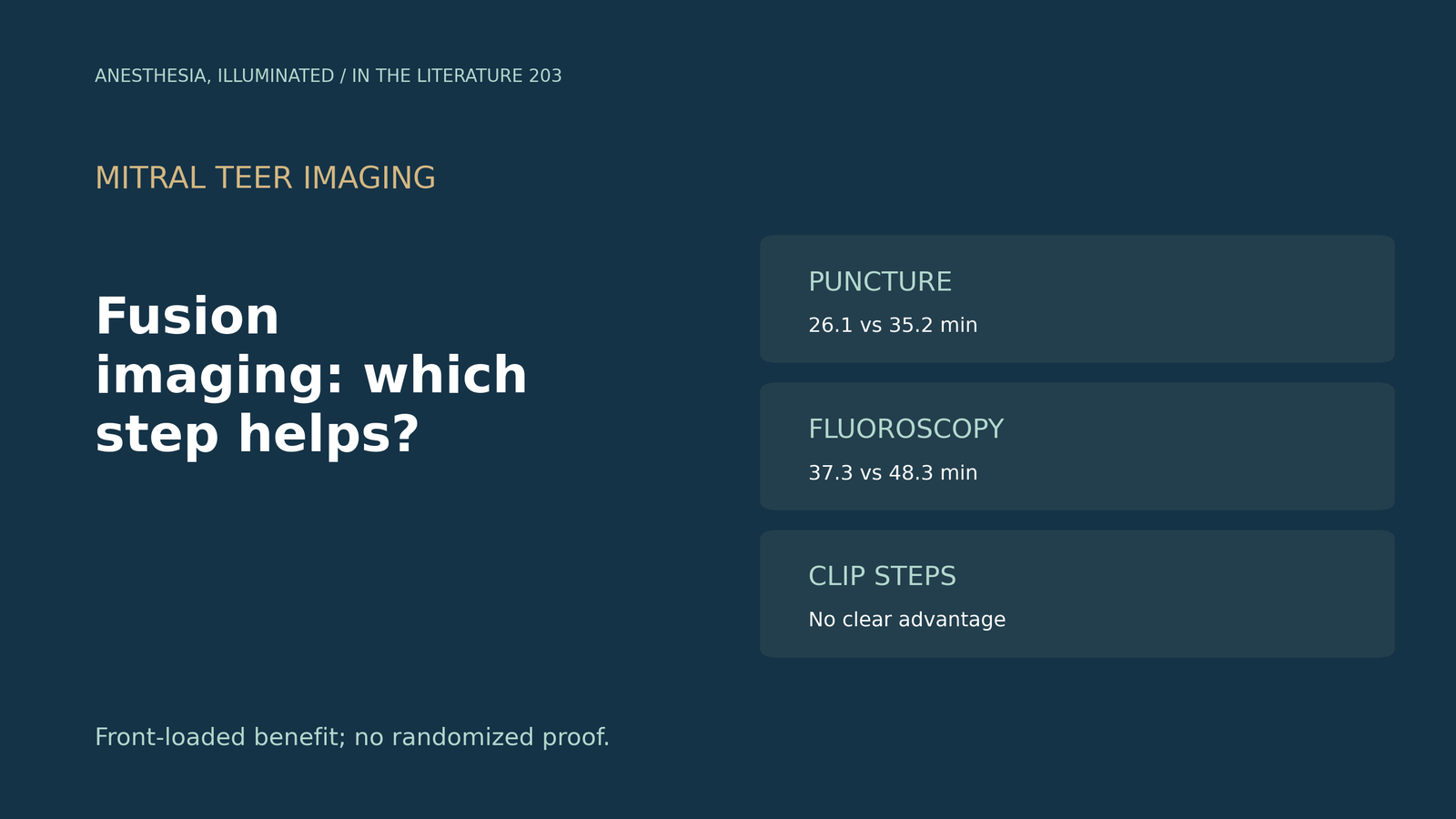
- The value is early in the procedure. Fusion helps most with transseptal puncture, navigation and steering.[1]
- It saves fluoroscopy. Fluoroscopy time was 37.3 vs 48.3 min with versus without fusion, and complication rates were similar.[1]
- It speeds the puncture. Time to transseptal puncture was 26.1 vs 35.2 min, but for later steps fusion offered no clear advantage over echo.[2]
- The evidence is thin. One cohort was underpowered for safety, and reviewers judge the data insufficient for wide implementation.[3], [4]
- AI tracking is promising but uncontrolled. AI fusion was rated helpful across 51 procedures, but the design was non-comparative.[5]
During TEER under general anesthesia, the interventionalist asks for the echo–fluoroscopy overlay to be switched on before the transseptal puncture. At which step does fusion imaging actually help, and when does conventional TEE guidance suffice?[1], [2]
Where fusion helps: puncture and navigation
Melillo and colleagues found that fusion can help most in three steps: transseptal puncture, navigation and steering. In 80 vs 80 patients, many with complex mitral anatomy (32.5%), fluoroscopy time was 37.3 vs 48.3 min, procedural success at the end of the procedure improved (OR 2.87), and complication rates were similar (8.9% vs 13.0%). They suggest that fusion adds value with a thickened interatrial septum and might help axial alignment of the delivery system.[1] Afzal and colleagues analyzed 194 consecutive patients: time to transseptal puncture was 26.1 vs 35.2 min.[2] An earlier Afzal cohort found 18.48 vs 23.20 min, with successful puncture and no adverse events in both groups; calibration took under 10 seconds.[3]
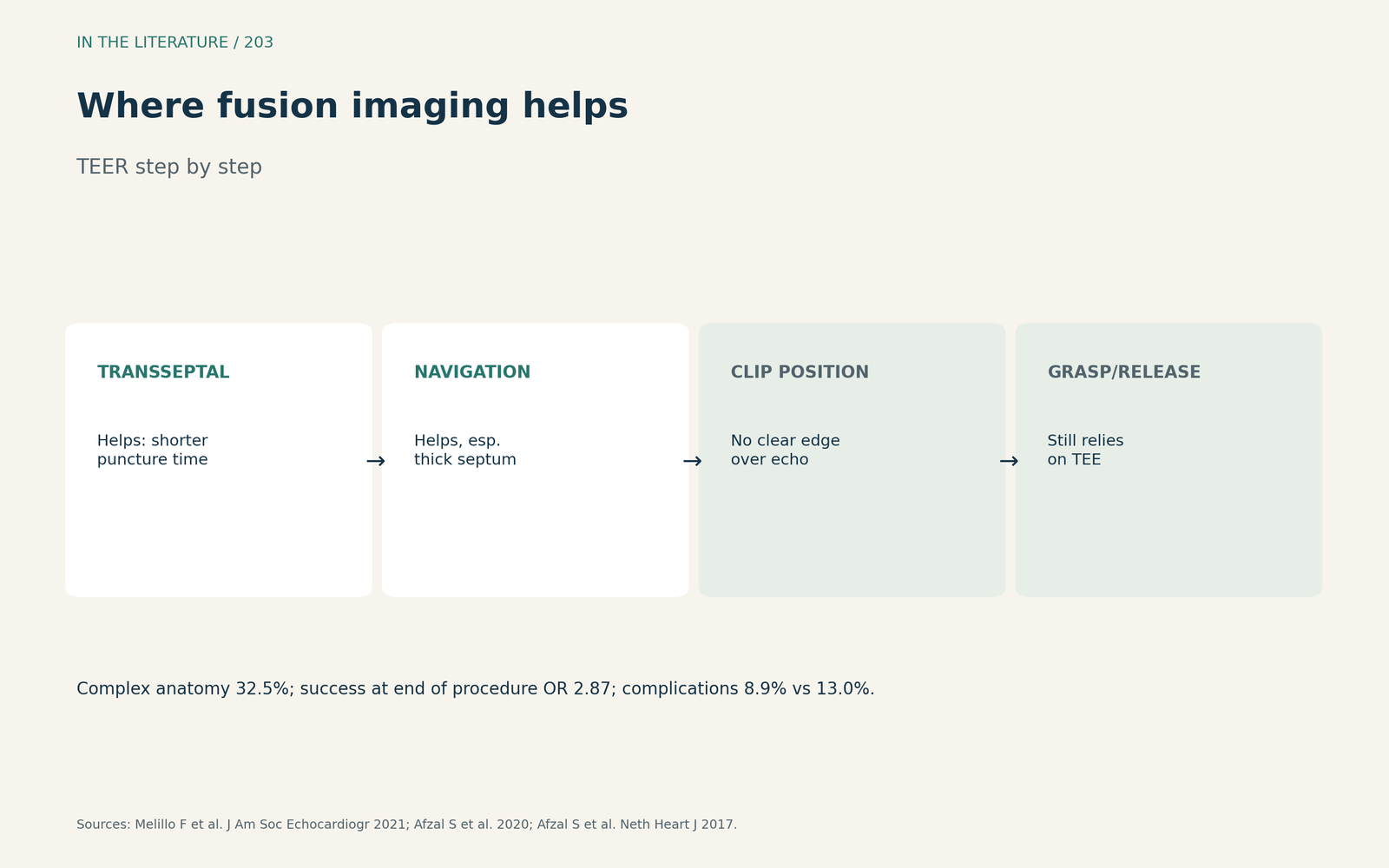
Figure 1. Front-loaded benefit. Synthesized from Melillo et al., Afzal et al. (2020) and Afzal et al. (2017).[1], [2], [3] View larger.

Where it does not, and why the evidence is limited
For later steps such as guide sheath advancement, clip orientation and positioning, Afzal and colleagues found that fusion offered no clear advantage over echo, and called for prospective randomized trials.[2] Melillo and colleagues could not quantify the effect on single steps and could not exclude misguidance by fusion.[1] Afzal's earlier study was underpowered for safety.[3] Pascual and colleagues list assistance during transseptal puncture among the advantages but conclude that more data are needed on procedural and clinical outcomes and that data are insufficient to support wide implementation.[4]
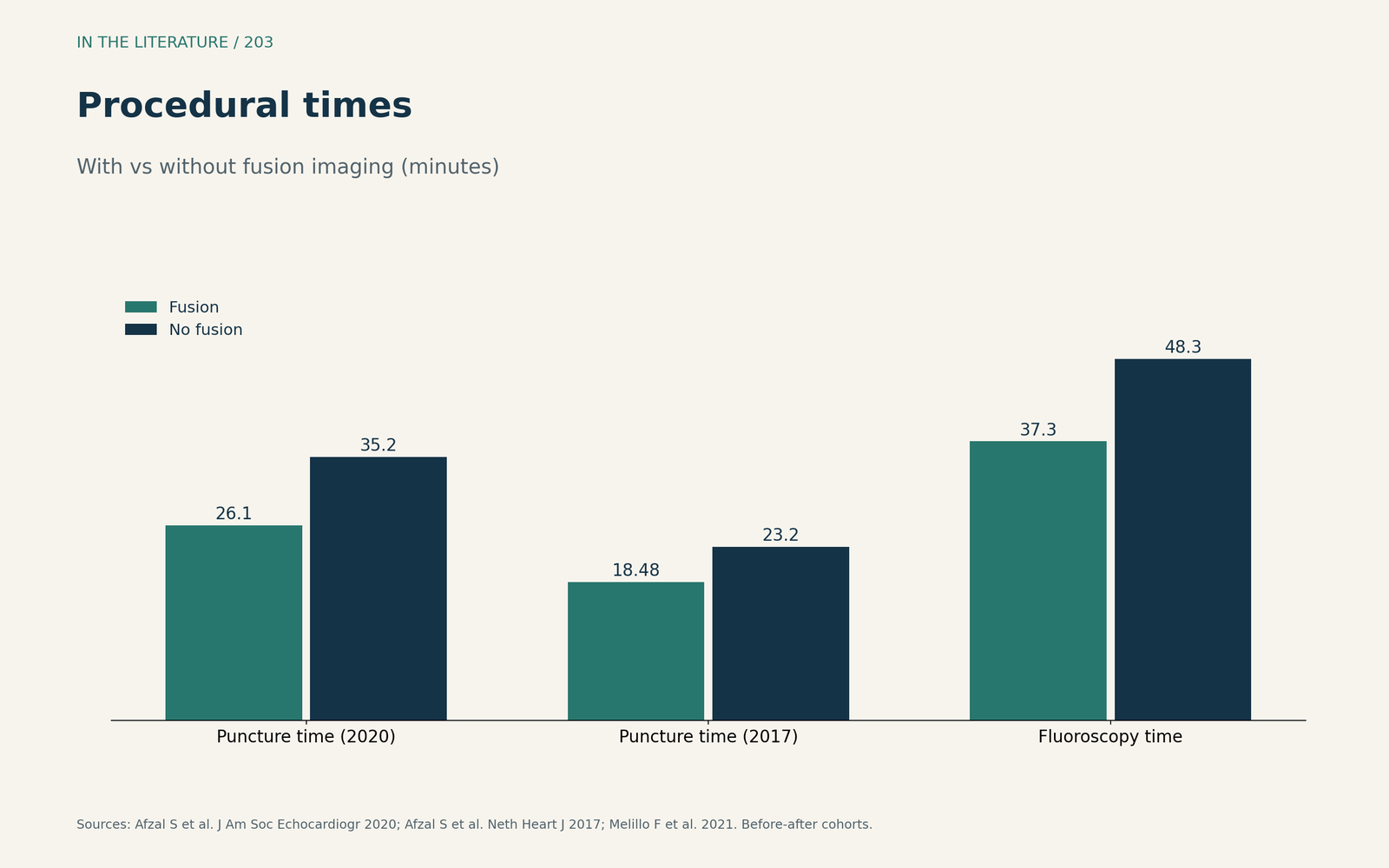
Figure 2. Shorter puncture and fluoroscopy times in before-after cohorts. Redrawn from Afzal et al. (2020), Afzal et al. (2017) and Melillo et al.[2], [3], [1] View larger.

What AI tracking adds
Biaggi and colleagues tested AI-based device-tracking fusion in 51 procedures. It helped guide the intervention in 68.7% of cases, and helped device steering, leaflet capture and closure in 93.1%, 72.6% and 74.5%, but the non-comparative design prevents firm conclusions.[5]
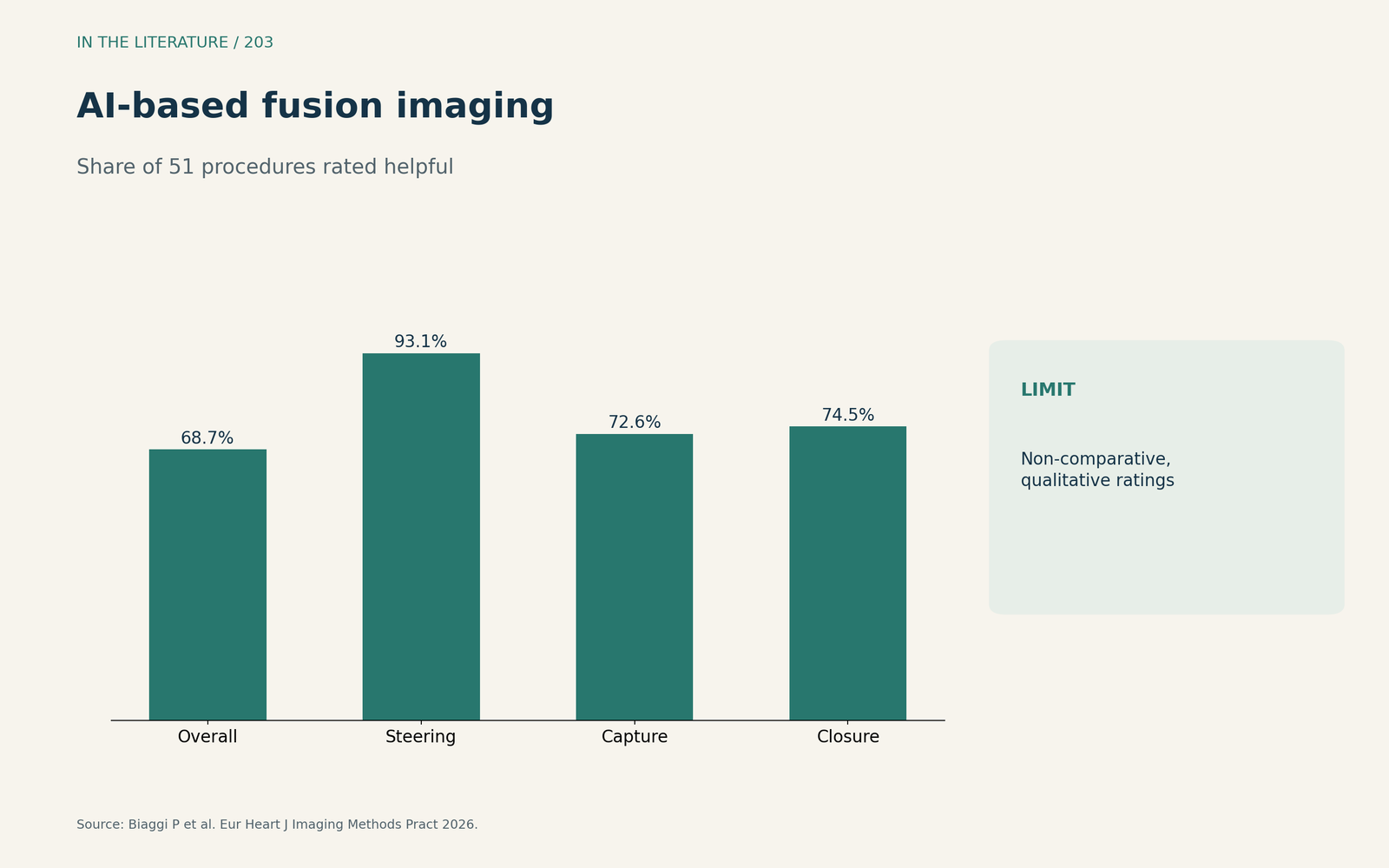
Figure 3. Rated helpful, not yet proven. Redrawn from Biaggi et al.[5] View larger.

Three takeaways
- Fusion imaging helps most with transseptal puncture and early navigation.[1], [2]
- It shortens fluoroscopy and puncture time without more complications, but clip steps still rely on TEE.[1], [2]
- Evidence is from before-after cohorts; no randomized trial links fusion to clinical outcomes.[3], [4]
References
- Melillo F, Fisicaro A, Stella S, et al. Systematic fluoroscopic-echocardiographic fusion imaging protocol for transcatheter edge-to-edge mitral valve repair intraprocedural monitoring. J Am Soc Echocardiogr. 2021;34(6):604–613. doi:10.1016/j.echo.2021.01.010
- Afzal S, Veulemans V, Piayda K, et al. Real-time echocardiographic-fluoroscopic fusion imaging for transcatheter edge-to-edge mitral valve repair. J Am Soc Echocardiogr. 2020;33(5):635–636. doi:10.1016/j.echo.2020.01.018
- Afzal S, Veulemans V, Balzer J, et al. Safety and efficacy of transseptal puncture guided by real-time fusion of echocardiography and fluoroscopy. Neth Heart J. 2017;25(2):131–136. doi:10.1007/s12471-016-0937-0
- Pascual I, Pozzoli A, Taramasso M, Maisano F, Ho EC. Fusion imaging for transcatheter mitral and tricuspid interventions. Ann Transl Med. 2020;8(15):965. doi:10.21037/atm.2020.02.169
- Biaggi P, Corti R, Gaemperli O, et al. Artificial intelligence based fusion imaging streamlining mitral transcatheter edge-to-edge repair. Eur Heart J Imaging Methods Pract. 2026;4(1):qyag048. doi:10.1093/ehjimp/qyag048