ITL-b6cda8935dec
Juan Li, MD · Updated November 18, 2026
Watch the video
Key points
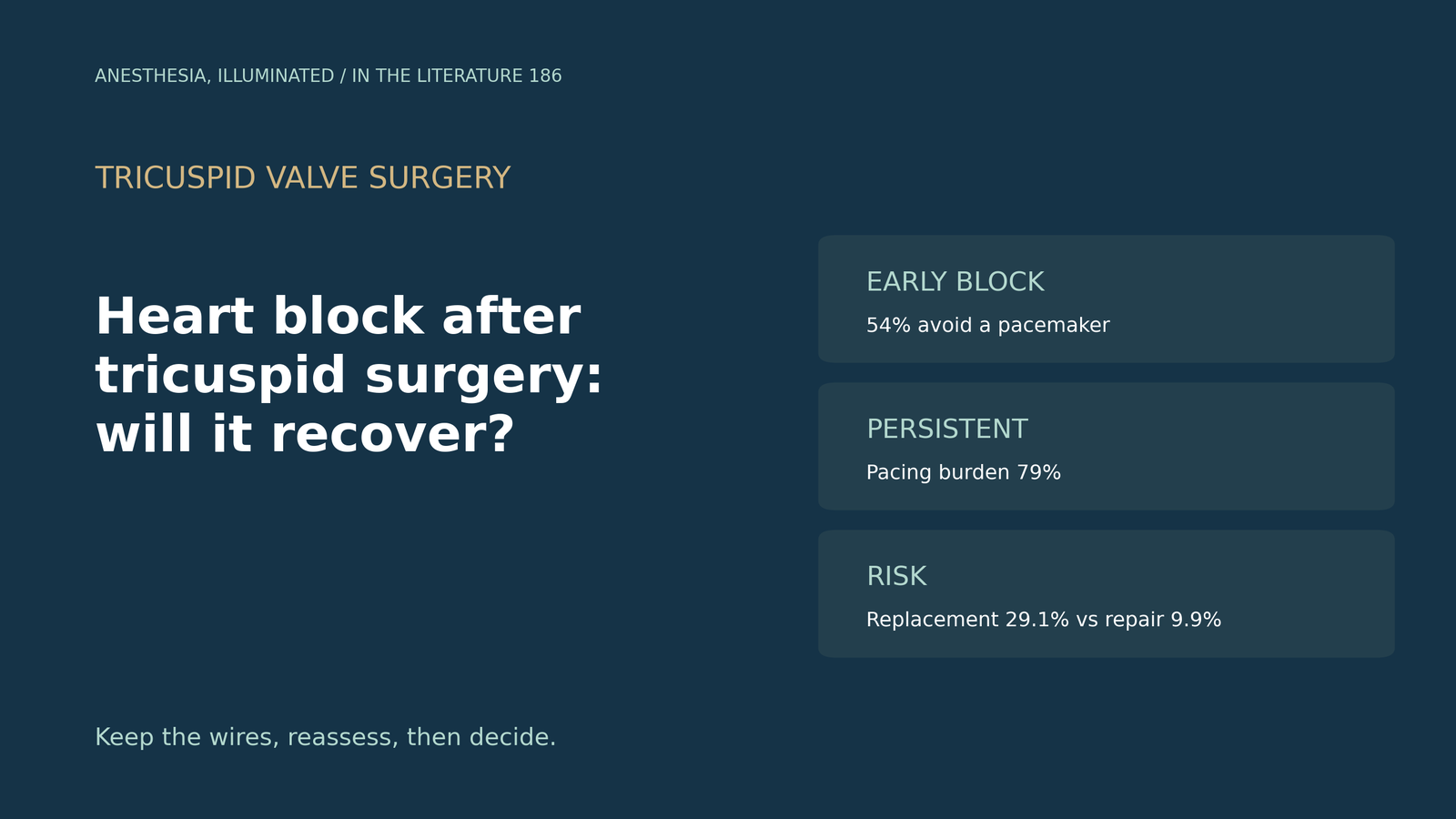
- Many early blocks recover. Of 37 patients with complete block on ICU arrival, 20 (54%) did not need a pacemaker, while 14 (38%) received one for AV block.[1]
- Know who is at risk. Complete block on arrival (OR 9.7) and tricuspid endocarditis (OR 12.4) predicted pacemaker need, but 58% of later recipients had no complete block on arrival.[1]
- Persistent block rarely improves. After implantation, mean ventricular pacing burden was 79%, without relevant rhythm recovery.[1]
- Repair carries less risk than replacement. Pooled pacemaker incidence was 12.1% overall, 29.1% after replacement and 9.9% after repair.[2], [3]
- Waiting periods are practice, not evidence. Deferring implantation about 5 to 7 days, or 7 to 14 days if stable, is described, but no study defines the right interval.[2]
After tricuspid valve repair combined with mitral surgery, a patient arrives in the ICU in complete heart block and is paced through epicardial wires. How likely is the block to recover, and how long should the team wait before a permanent pacemaker?[1], [2]
What happens after early block
Herrmann and colleagues followed 505 patients after tricuspid surgery. By one year, 5.8% of survivors had received a pacemaker for AV block. Of 37 patients with complete block on ICU arrival, 14 (38%) received pacemakers for AV block and 20 (54%) did not. Complete block on arrival (OR 9.7) and tricuspid endocarditis (OR 12.4) predicted implantation, 76% of pacemakers were implanted within the first 20 days, and 58% of later pacemaker recipients had no complete block on arrival. After implantation, mean ventricular pacing burden was 79% and conduction did not improve over time. The authors advise not removing epicardial wires without careful rhythm evaluation, and cite another study in which only 12% had complete long-term recovery.[1]
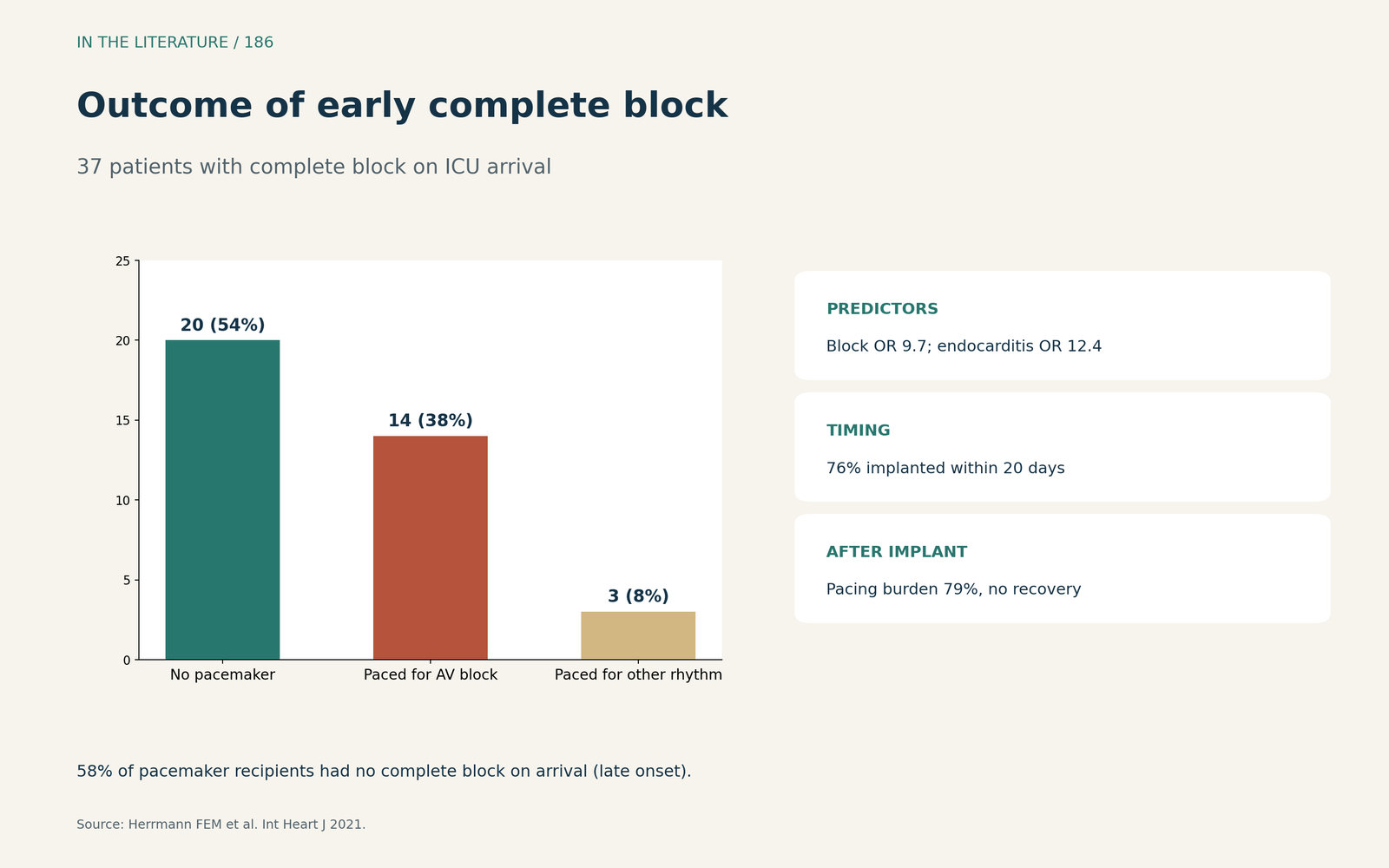
Figure 1. Half recover, the rest rarely do. Redrawn from Herrmann et al.[1] View larger.

How often a pacemaker is needed
Shafiei and colleagues pooled 12 studies: pacemaker incidence was 12.1% after tricuspid surgery overall and 11.1% after isolated tricuspid surgery, 29.1% after replacement and 9.9% after repair. They note that inflammation may cause transient or delayed conduction impairment, describe deferring implantation about 5 to 7 days as reasonable and note that many centres wait 7 to 14 days if the patient is stable, and point out that most studies did not separate early from late implantation.[2] Lee and colleagues found that repair was associated with a lower new pacemaker risk than replacement; in one cohort the rates were 14% versus 32%, and the pooled incidence after isolated tricuspid surgery was 12.6%. At their own centre, pacemakers were placed intraoperatively in 44 of 107 cases (41%), mostly leadless devices.[3]
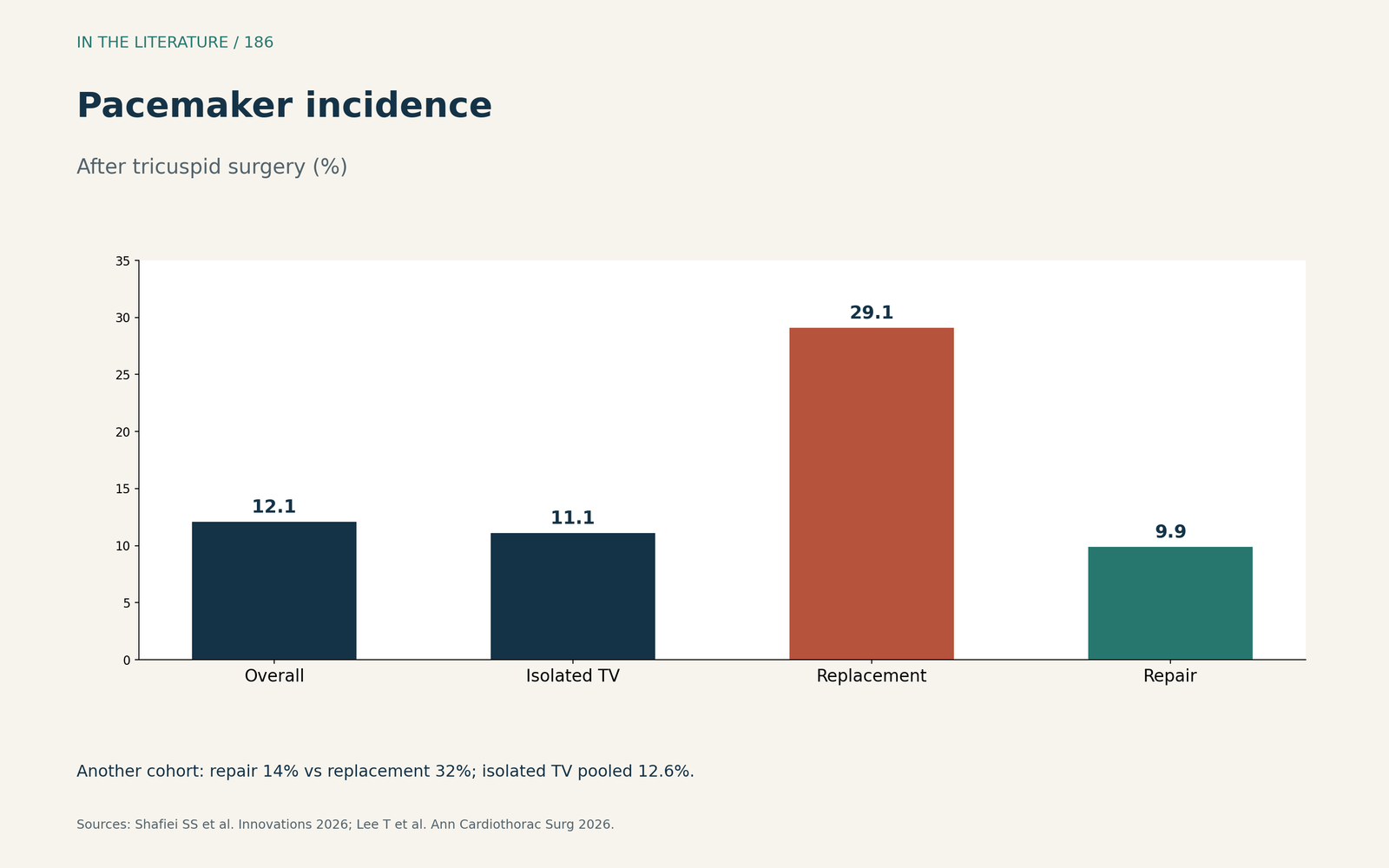
Figure 2. Replacement carries more risk. Redrawn from Shafiei et al. and Lee et al.[2], [3] View larger.

A practical approach
Taken together, early complete block after tricuspid surgery deserves a period of observation with epicardial pacing, closer attention when endocarditis or replacement is involved, and awareness that block can appear late. The interval before implantation remains a matter of practice rather than trial evidence.[1], [2]
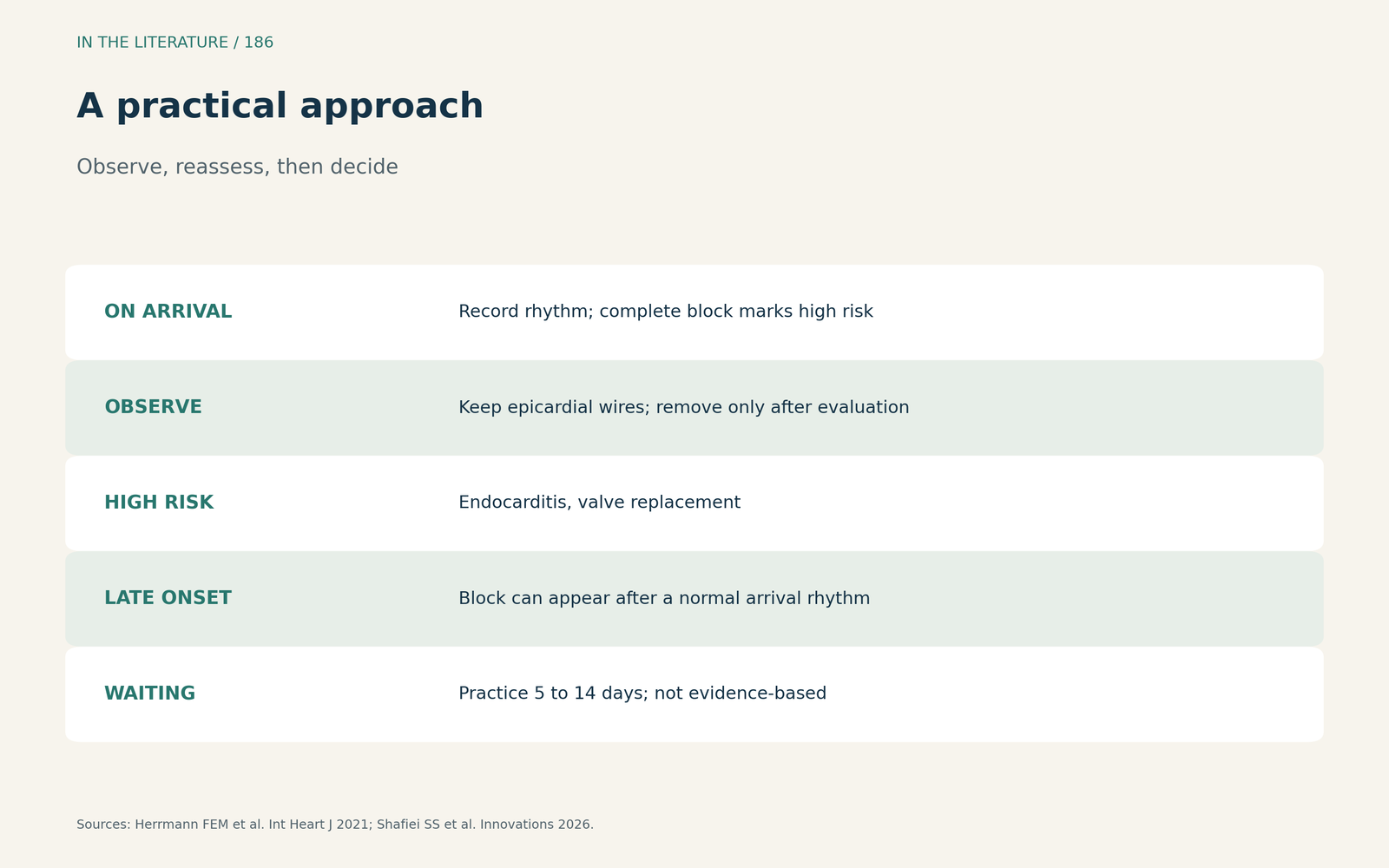
Figure 3. Observe, reassess, then decide. Synthesized from Herrmann et al. and Shafiei et al.[1], [2] View larger.

Three takeaways
- About half of early complete blocks recover. Keep the epicardial wires and reassess.[1]
- Endocarditis and replacement raise the odds of permanent pacing.[1], [2]
- Once a pacemaker is needed, recovery is unlikely; the waiting period itself is not evidence-based.[1], [2]
References
- Herrmann FEM, Graf H, Wellmann P, Sadoni S, Hagl C, Juchem G. Atrioventricular block after tricuspid valve surgery: is it a significant issue? Int Heart J. 2021;62(1):57–64. doi:10.1536/ihj.20-278
- Shafiei SS, Hosseini S, Heuts S, Hosseinnataj A, Sardari Nia P. Incidence of permanent pacemaker implantation following tricuspid valve surgeries: a systematic review and meta-analysis. Innovations (Phila). 2026;21(3):217–230. doi:10.1177/15569845261455899
- Lee T, Tavolacci SC, Boateng P, El-Eshmawi A. Contemporary practice patterns and outcomes of isolated tricuspid valve surgery in North America: systematic review with meta-analysis. Ann Cardiothorac Surg. 2026;15(3):31. doi:10.21037/acs-2026-0132-tvd