
ITL-4e7c48cc199a
Watch the video

Figure 1. Preserved ejection fraction is one part of the assessment. Conceptual illustration, not a diagnostic image.
Key points
- A preserved ejection fraction does not erase the perioperative risk associated with established heart failure.[1, 2]
- Recent symptoms, congestion, functional capacity, and the planned operation matter alongside EF.[2, 3]
- For nonemergency surgery, active decompensation usually calls for treatment and reassessment before proceeding.[3]
- A stable patient needs a coordinated perioperative plan; repeat imaging should answer a clinical question.[3]
- Postoperative heart failure can emerge after an apparently uneventful operation, and its symptoms may be masked.[3]
The echocardiogram says “EF 60%.” The patient has a history of heart failure but reports no breathlessness at rest. Is that enough reassurance to proceed with elective noncardiac surgery?
The useful question is whether the patient is compensated and able to tolerate the particular operation. An EF value describes only part of cardiac performance. Heart failure with preserved EF remains a clinical syndrome with important perioperative implications; an isolated normal EF neither excludes heart failure nor establishes readiness for surgery.[1, 3]
What the outcome data actually show
Lerman and colleagues studied 609,735 veterans undergoing elective noncardiac surgery, including 47,997 with heart failure. Even among those with no recent heart failure symptoms and EF ≥50%, crude 90-day mortality was 4.42%, compared with 1.22% in patients without heart failure. After adjustment, the odds ratio was 1.46 (95% CI 1.35–1.57).[2]
These figures are a reason to assess carefully, not a personal risk estimate. The retrospective cohort underwent surgery in 2009–2016, was overwhelmingly male, and included only patients selected to undergo an operation. “Asymptomatic” referred to the preceding 30 days; EF could come from an examination within five years. Comorbidities and operation type also contributed to risk.[2]
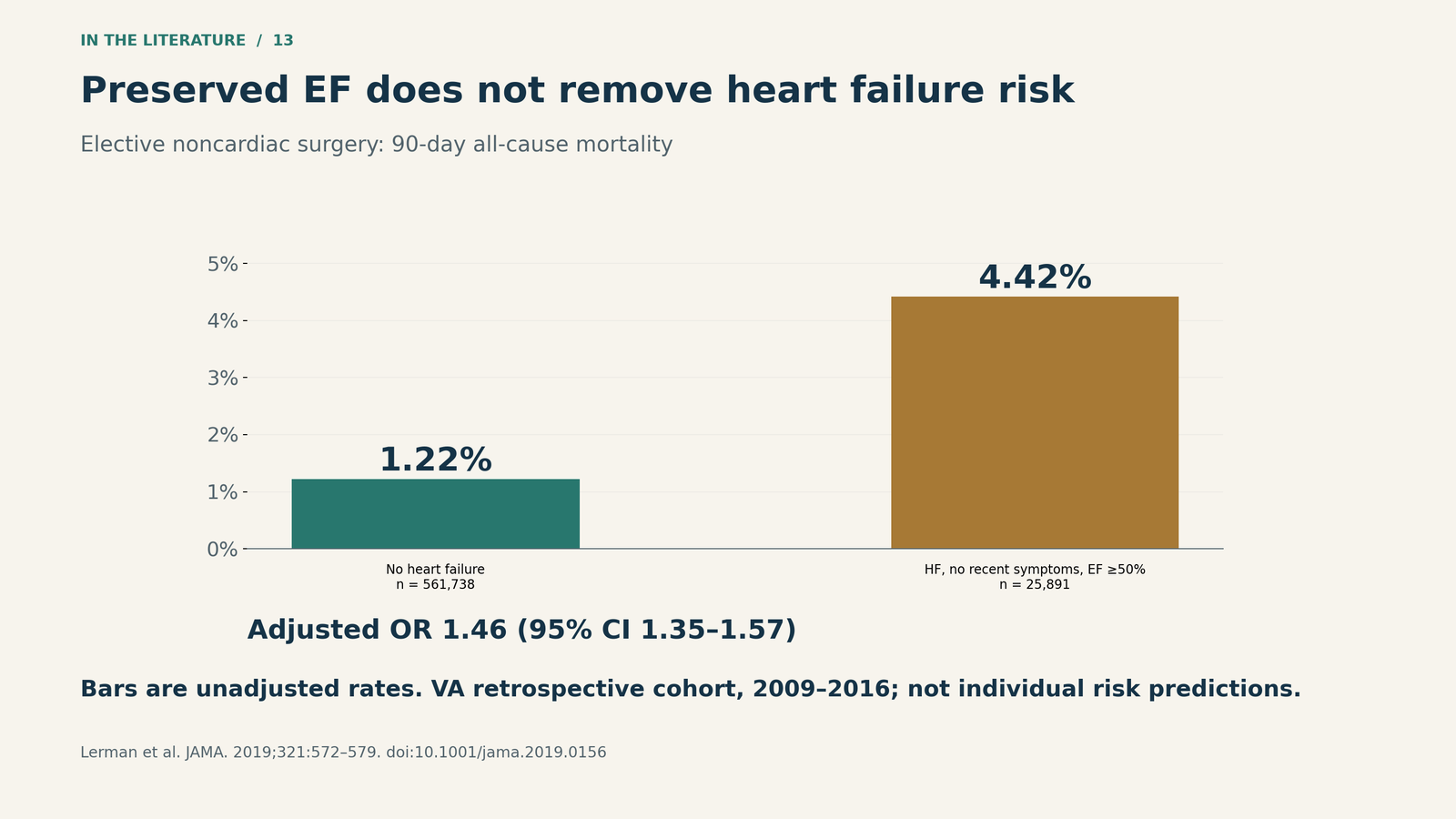
Figure 2. The comparison is between study groups, not individualized predictions. Bars show unadjusted mortality; the adjusted association is reported separately. Source: Lerman et al.[2]

Establish compensation before deciding on timing
Start with change from baseline: exertional breathlessness, orthopnea, reduced activity, edema, or increasing diuretic requirements. Look for congestion and impaired perfusion rather than relying on the absence of resting dyspnea. Ask what the patient can actually do; avoiding exertion can make symptoms less apparent.[3]
The 2025 ACVC/HFA consensus advises postponing nonemergency surgery in patients with clinical acute heart failure until compensation is achieved. For substantial functional limitation, improvement and decongestion before elective surgery are reasonable objectives. This is not an EF threshold or a fixed waiting interval.[3]
Urgency changes the decision. Emergency surgery may need to proceed while stabilization occurs. For time-sensitive surgery, such as cancer treatment, the team must weigh the consequences of delay against the opportunity to improve heart failure. The surgeon, anesthesiologist, and heart failure team need a shared assessment of that tradeoff.[3]
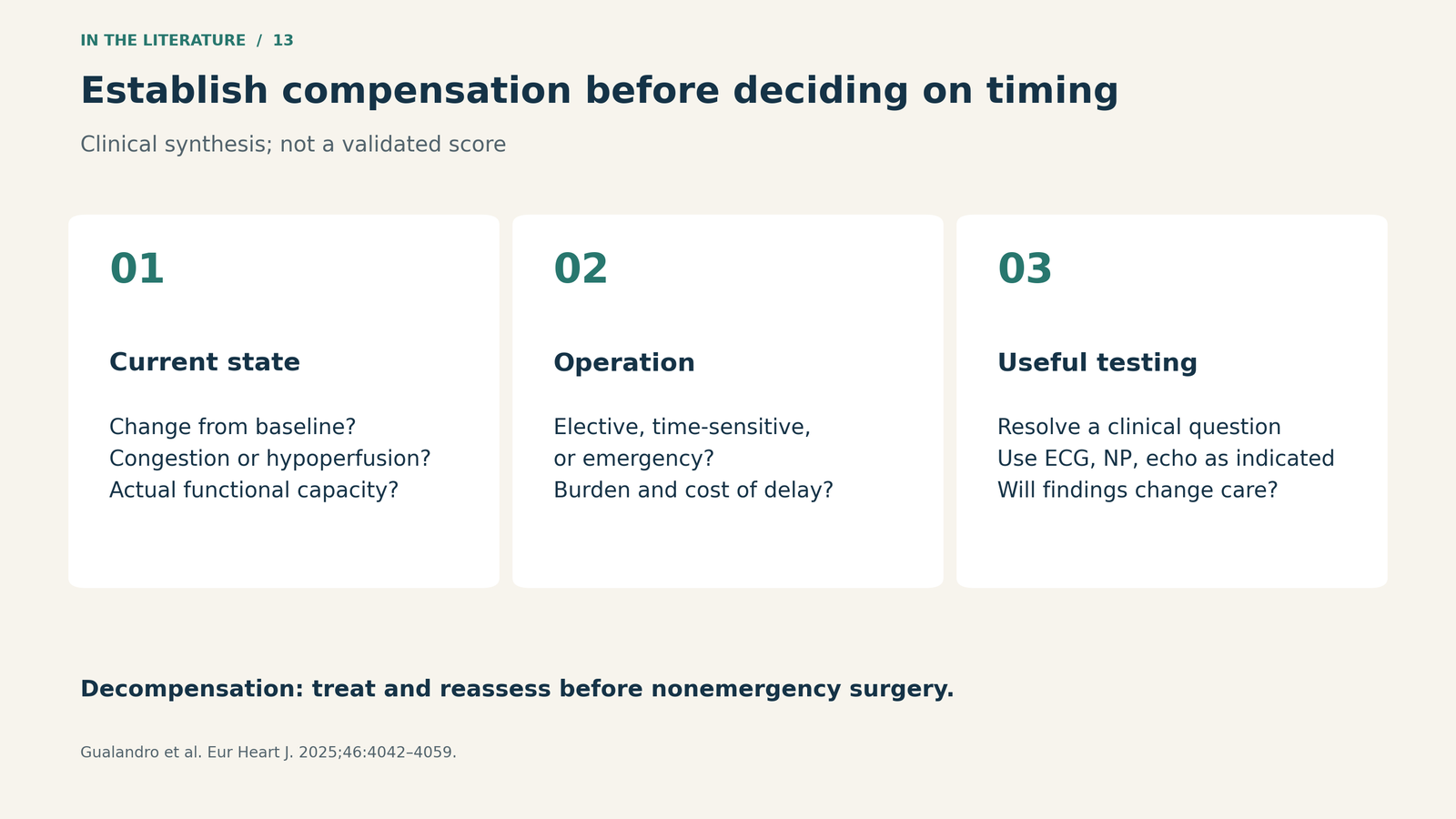
Figure 3. A practical assessment framework synthesized from the ACVC/HFA consensus. It is not a validated scoring system.[3]

Use testing to resolve uncertainty
New or unexplained dyspnea warrants clinical assessment, ECG, and consideration of natriuretic peptides; suspected heart failure or a relevant murmur should prompt echocardiographic evaluation. In an otherwise stable patient with a recent adequate examination, repeating an echo simply to obtain another EF may add little.[3]
The aim is to identify something that changes management: worsening ventricular function, elevated filling pressures or congestion, important valve disease, or another explanation for symptoms. Biomarkers can complement the clinical picture, but a number does not replace it. After surgery, commonly used acute-heart-failure natriuretic peptide thresholds have not been specifically validated for that setting.[3]
Carry the assessment beyond the operating room
In HFpEF, fluid loading and surgical stress can raise filling pressures substantially; rapid atrial fibrillation can further compromise filling. Planning therefore includes serial volume assessment, attention to blood pressure and rhythm, and recognition of fluids delivered with medications and blood products.[3]
Postoperative dyspnea or hypoxemia should trigger an explanation, not an automatic fluid bolus or an assumption of pulmonary edema. Atelectasis, pneumonia, pulmonary embolism, and metabolic causes may mimic or coexist with heart failure. Analgesia and limited activity can obscure symptoms. Monitoring and the postoperative care setting should reflect the patient's condition and surgical burden.[3]
Medication reconciliation also matters: document which treatments are continued, temporarily interrupted, and restarted when clinically appropriate. Drug-specific decisions, including SGLT2 inhibitor interruption, need their own plan. The practical endpoint is a patient who remains adequately perfused and free of worsening congestion, with a clear handoff and follow-up plan.[3]
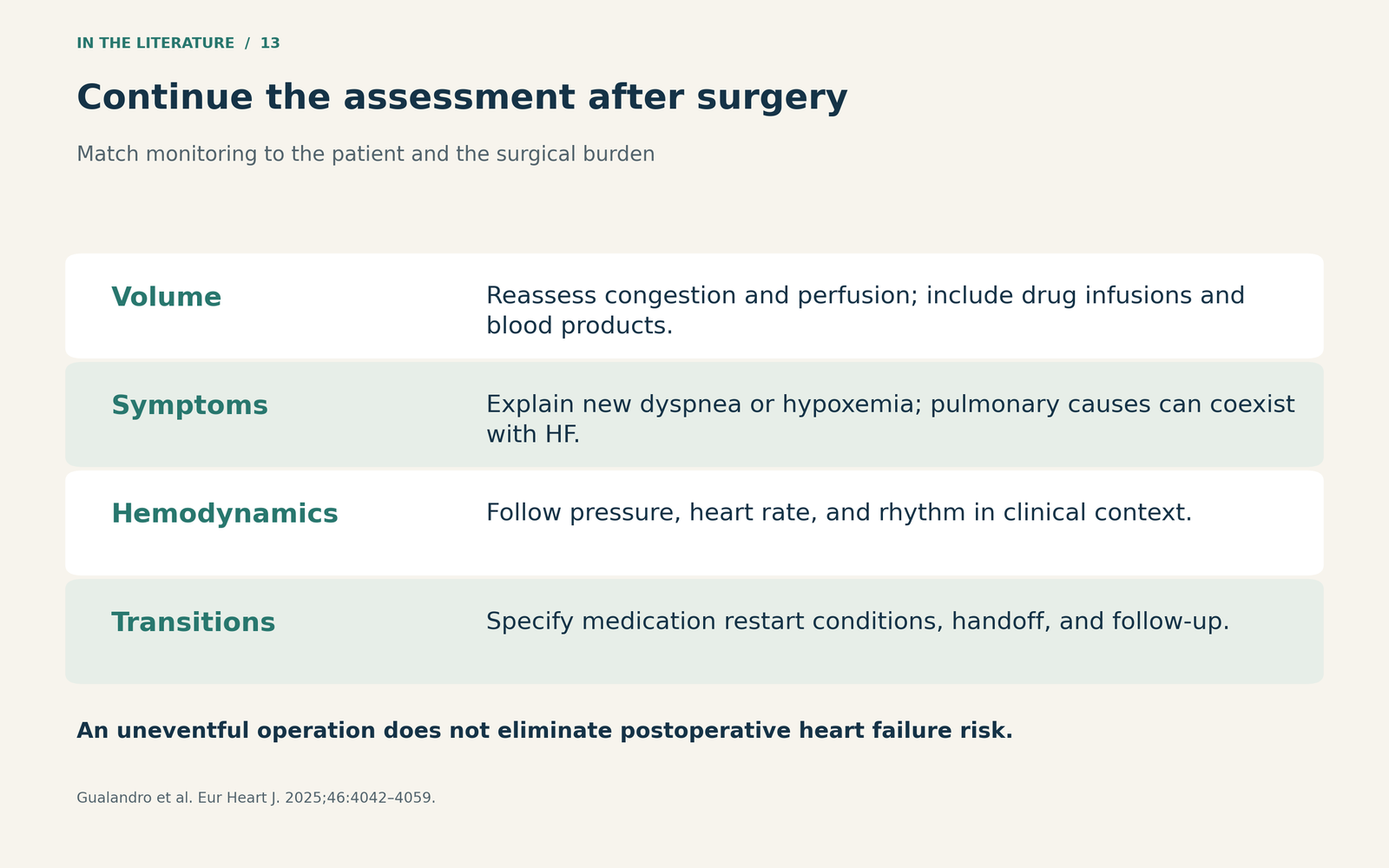
Figure 4. Postoperative priorities derived from the ACVC/HFA consensus; assessment remains individualized.[3]

Three takeaways
- Read EF in context. Preserved EF and absent recent symptoms do not make established heart failure disappear from the risk assessment.
- Let clinical stability and urgency guide timing. Treat active decompensation before nonemergency surgery; balance delay against the need for time-sensitive treatment.
- Plan for the postoperative period. Volume, rhythm, new symptoms, and medication transitions deserve explicit attention after the procedure ends.
References
- Pagel PS, Tawil JN, Boettcher BT, Izquierdo DA, Lazicki TJ, Crystal GJ, et al. Heart failure with preserved ejection fraction: a comprehensive review and update of diagnosis, pathophysiology, treatment, and perioperative implications. J Cardiothorac Vasc Anesth. 2021;35:1839–1859. doi:10.1053/j.jvca.2020.07.016.
- Lerman BJ, Popat RA, Assimes TL, Heidenreich PA, Wren SM. Association of left ventricular ejection fraction and symptoms with mortality after elective noncardiac surgery among patients with heart failure. JAMA. 2019;321(6):572–579. doi:10.1001/jama.2019.0156.
- Gualandro DM, Masip J, Halvorsen S, Price S, Rosselló X, Chioncel O, et al. Acute heart failure in non-cardiac surgery: a clinical consensus statement of the Association for Acute CardioVascular Care (ACVC) and the Heart Failure Association (HFA) of the ESC. Eur Heart J. 2025;46(40):4042–4059. doi:10.1093/eurheartj/ehaf559.