ITL-aa1a27cfc9ae
Juan Li, MD · Updated November 18, 2026
Key points
- Stratify first. HIT risk should be stratified with the 4T score; a low score has a negative predictive value above 99%.[1]
- Beware overdiagnosis. Pooled HIT incidence on ECMO was 2.7% by functional assay but 14.5% by immunoassay alone.[2]
- Act fast when suspicion is supported. Stop heparin and start a direct thrombin inhibitor; each day of delay raises the risk of thrombosis, limb loss or death by 5–10%.[1], [3]
- Remove hidden heparin. Heparin-coated tubing and cannulas should be avoided, and four-factor PCC, which contains heparin, is contraindicated.[1], [4]
- Pick the agent by the patient. Guidelines give no specific choice; argatroban is contraindicated in severe hepatic impairment, and bivalirudin may raise thrombosis risk where blood stagnates.[3]
A patient on VA ECMO for six days has platelets that have fallen by half, and a new clot appears in the oxygenator. Is this HIT, and what changes now?[1], [2]
Making the diagnosis
Mazzeffi et al. (SCA expert consensus, J Cardiothorac Vasc Anesth 2021) recommend stratifying HIT risk with the 4T score, whose low result has a negative predictive value above 99%, and note that HIT is very unlikely if the antibody optical density is below 1.0.[1] Song et al. (Thromb J 2024) pooled 19 studies with 9411 patients: HIT incidence on ECMO was 4.2% overall, 2.7% when diagnosed by functional assay and 14.5% when diagnosed by immunoassay alone, so relying on immunoassay results may lead to overdiagnosis.[2] Welker et al. (J Cardiothorac Vasc Anesth 2022) put HIT positivity in ECLS at about 1%.[5]
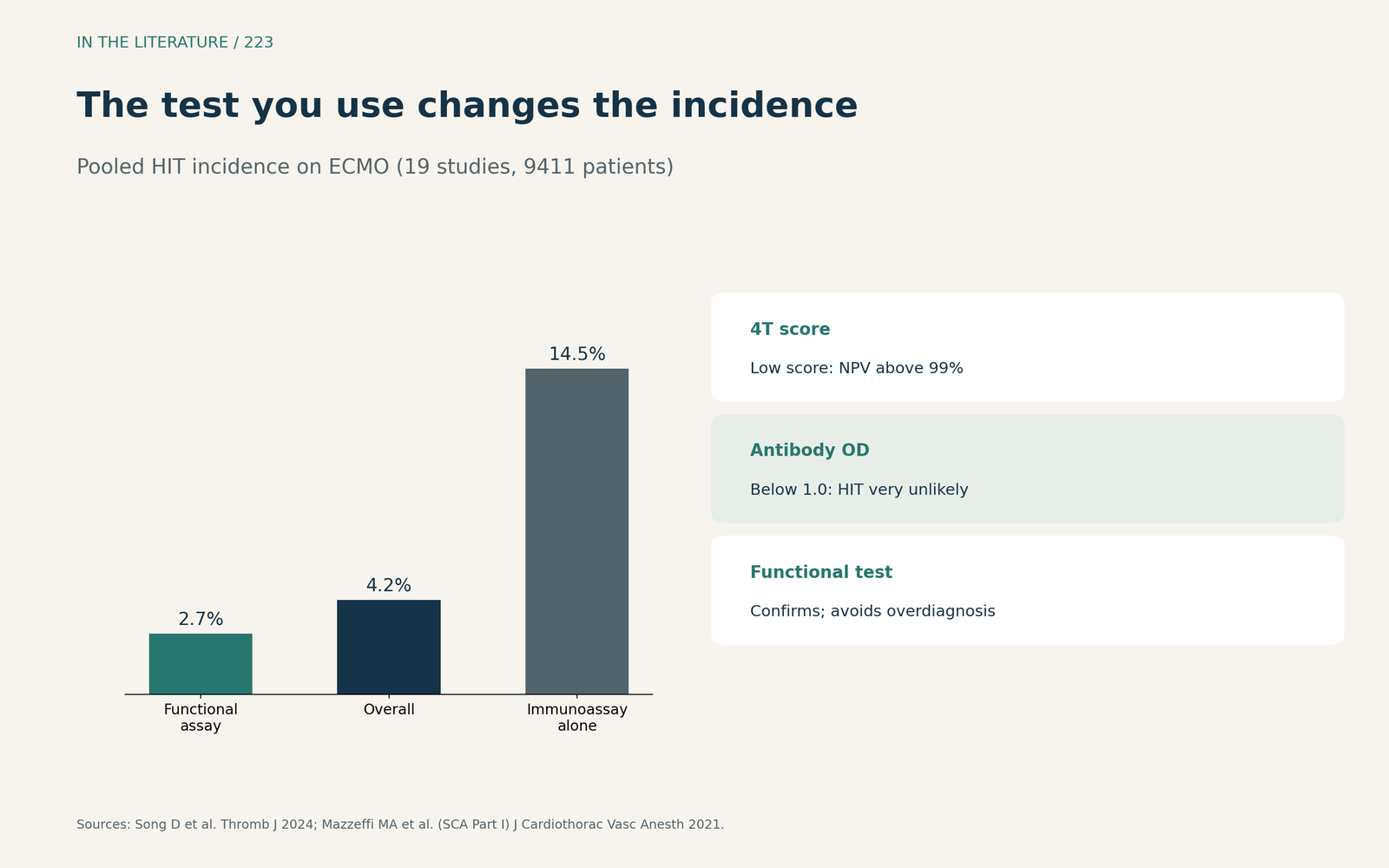
Figure 1. The test you use changes the incidence. Synthesized from Mazzeffi et al. and Song et al.[1], [2] View larger.

What to do once suspicion is supported
With suspected HIT, heparin should be held and a direct thrombin inhibitor started, and heparin-coated tubing and cannulas should be avoided.[1] Unic-Stojanovic et al. (Biomedicines 2025) advise starting alternative anticoagulants when suspicion is supported by a positive ELISA, warning that delay raises the daily risk of thrombosis, limb loss or death by 5–10%.[3] Welker et al. call for an immediate switch to a direct thrombin inhibitor, although they note a suggestion that heparin-coated circuits can still be used, which conflicts with the SCA consensus.[5] Four-factor PCC contains a small amount of heparin and is contraindicated in HIT.[4]
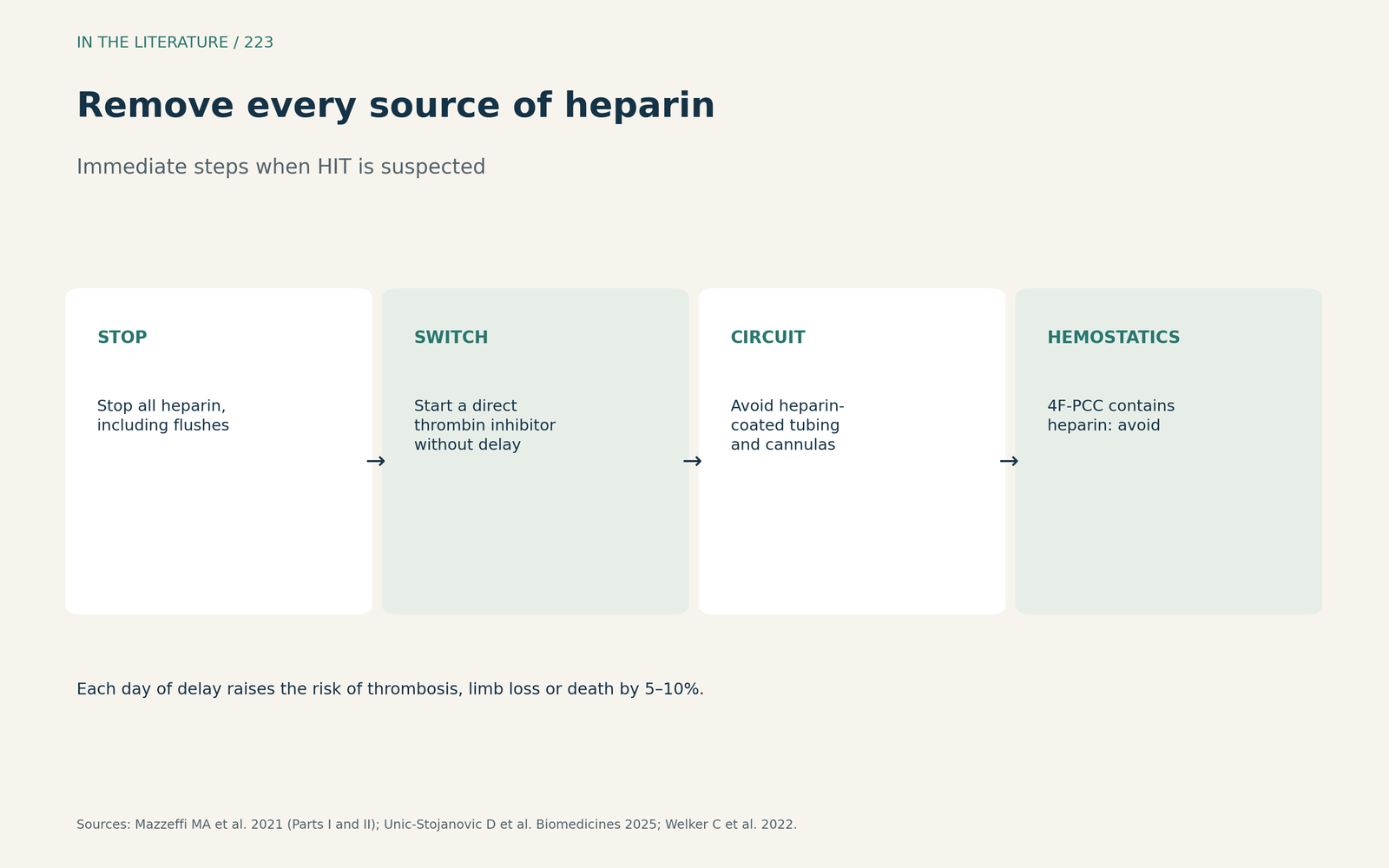
Figure 2. Remove every source of heparin. Synthesized from Mazzeffi et al., Unic-Stojanovic et al. and Welker et al.[1], [3], [5], [4] View larger.

Choosing the alternative
Argatroban and bivalirudin are both used for ECMO patients with HIT;[1] in Song et al., argatroban was used in 9 studies and bivalirudin in 6. Among confirmed HIT, 45.5% had thrombotic events and 50.1% bleeding events, and pooled mortality was 46.6%, although the odds of death were not significantly higher than without HIT (OR 1.084).[2] Guidelines give no specific recommendation on which agent to use; argatroban is contraindicated in severe hepatic impairment, and bivalirudin may raise thrombosis risk in stagnant blood, such as a non-ejecting, unvented LV.[3]
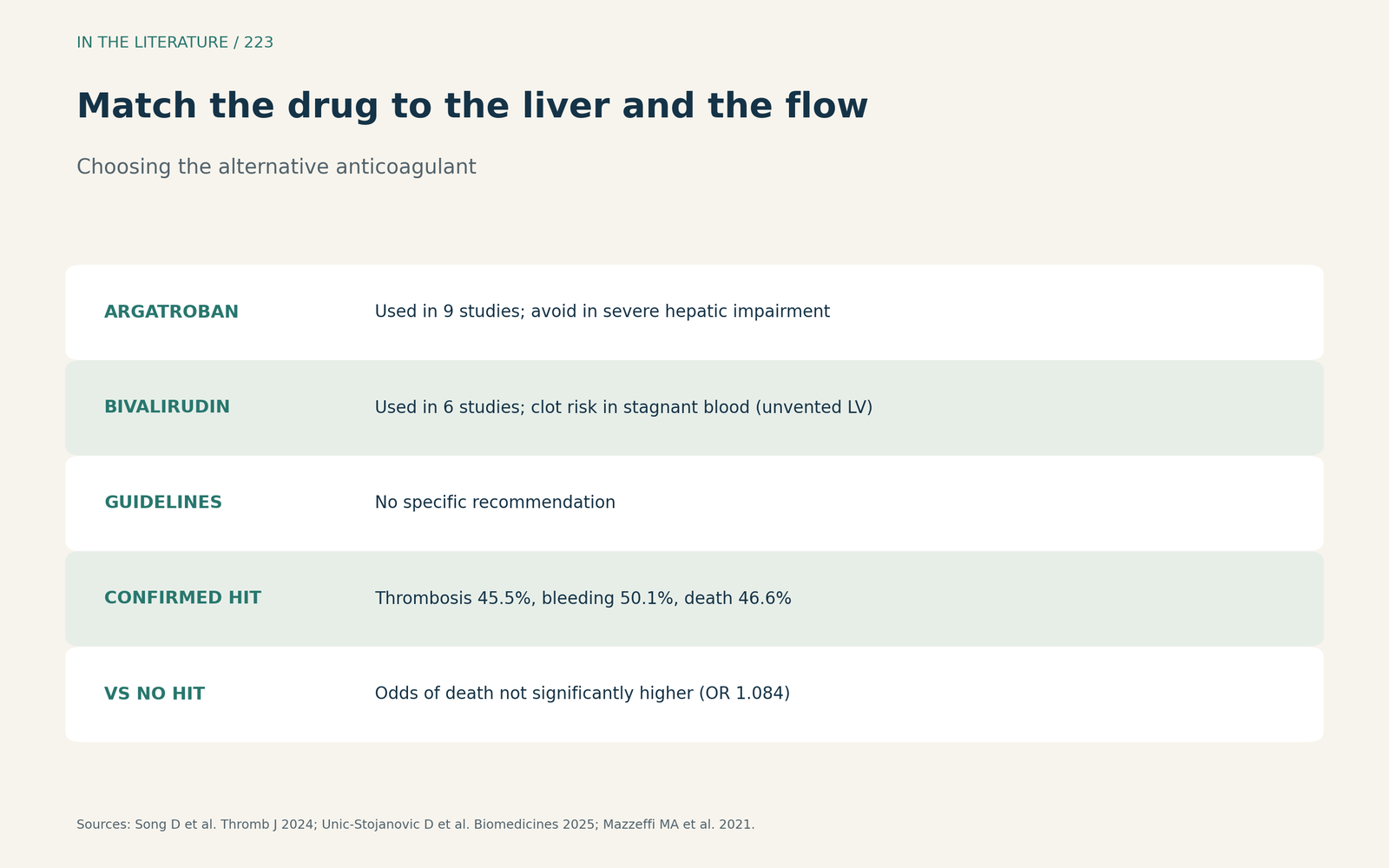
Figure 3. Match the drug to the liver and the flow. Synthesized from Song et al., Unic-Stojanovic et al. and Mazzeffi et al.[2], [3], [1] View larger.

Three takeaways
- Use the 4T score and functional testing; an immunoassay alone overdiagnoses HIT.[1], [2]
- When suspicion is supported, stop all heparin, including coated circuits and PCC, and switch without delay.[1], [3], [4]
- Choose argatroban or bivalirudin by liver function and stasis risk; neither is proven better.[3]
References
- Mazzeffi MA, Rao VK, Dodd-o J, et al. Intraoperative management of adult patients on extracorporeal membrane oxygenation: an expert consensus statement from the Society of Cardiovascular Anesthesiologists—Part I, technical aspects of extracorporeal membrane oxygenation. J Cardiothorac Vasc Anesth. 2021;35(12):3496–3512. doi:10.1053/j.jvca.2021.07.046
- Song D, Jin Y, Zhang Y, et al. Heparin-induced thrombocytopenia in extracorporeal membrane oxygenation-supported patients: a systematic review and meta-analysis. Thromb J. 2024;22(1):55. doi:10.1186/s12959-024-00624-5
- Unic-Stojanovic D, Vukovic P, Ilic I, et al. Alternative anticoagulation for patients with heparin-induced thrombocytopenia on ECMO: a narrative review. Biomedicines. 2025;13(11):2705. doi:10.3390/biomedicines13112705
- Mazzeffi MA, Rao VK, Dodd-o J, et al. Intraoperative management of adult patients on extracorporeal membrane oxygenation: an expert consensus statement from the Society of Cardiovascular Anesthesiologists—Part II, intraoperative management and troubleshooting. J Cardiothorac Vasc Anesth. 2021;35(12):3513–3527. doi:10.1053/j.jvca.2021.07.047
- Welker C, Huang J, Ramakrishna H. Analysis of the 2020 EACTS/ELSO/STS/AATS expert guidelines on the management of adult postcardiotomy extracorporeal life support. J Cardiothorac Vasc Anesth. 2022;36(7):2207–2219. doi:10.1053/j.jvca.2021.06.022