ITL-1c2d2f3e8db7
Juan Li · In the Literature · Updated November 17, 2026
Watch the video
Key points
- Readiness for rescue, planned active support and unplanned bailout are different strategies.
- A low ejection fraction alone is not a validated indication for prophylactic mechanical support during TAVR.
- Better outcomes with planned support than with emergency rescue do not prove a preventive treatment benefit.
- Device selection must account for both ventricles, oxygenation, valve anatomy and vascular access.
- The support plan should explain what failure is anticipated, how support would help and how the underlying problem would be corrected.
Define the decision before choosing a device
For a patient with severe aortic stenosis and markedly reduced LV function, the useful question is not simply whether an ECMO circuit or axial-flow pump is available. It is whether circulation should be supported before the intervention, or whether the team should be prepared to institute support if deterioration occurs. Published TAVR cohorts have used ventricular dysfunction, preprocedural instability and substantial vasoactive requirements to select patients, but they have not validated a universal EF trigger. [1]
Three situations should remain separate. Readiness means that a rescue response has been planned without active support already running. Planned support means establishing support before the anticipated hazardous phase. Bailout follows unexpected deterioration or a procedural complication. A 2026 Virginia registry reported unplanned temporary support in 44 of 7,735 TAVR procedures (0.57%) from 2012 through 2024. None had support established at the procedure's start. This describes a rescue cohort, not a test of prophylactic support, and its frequency is not a universal contemporary rate. [1, 2]
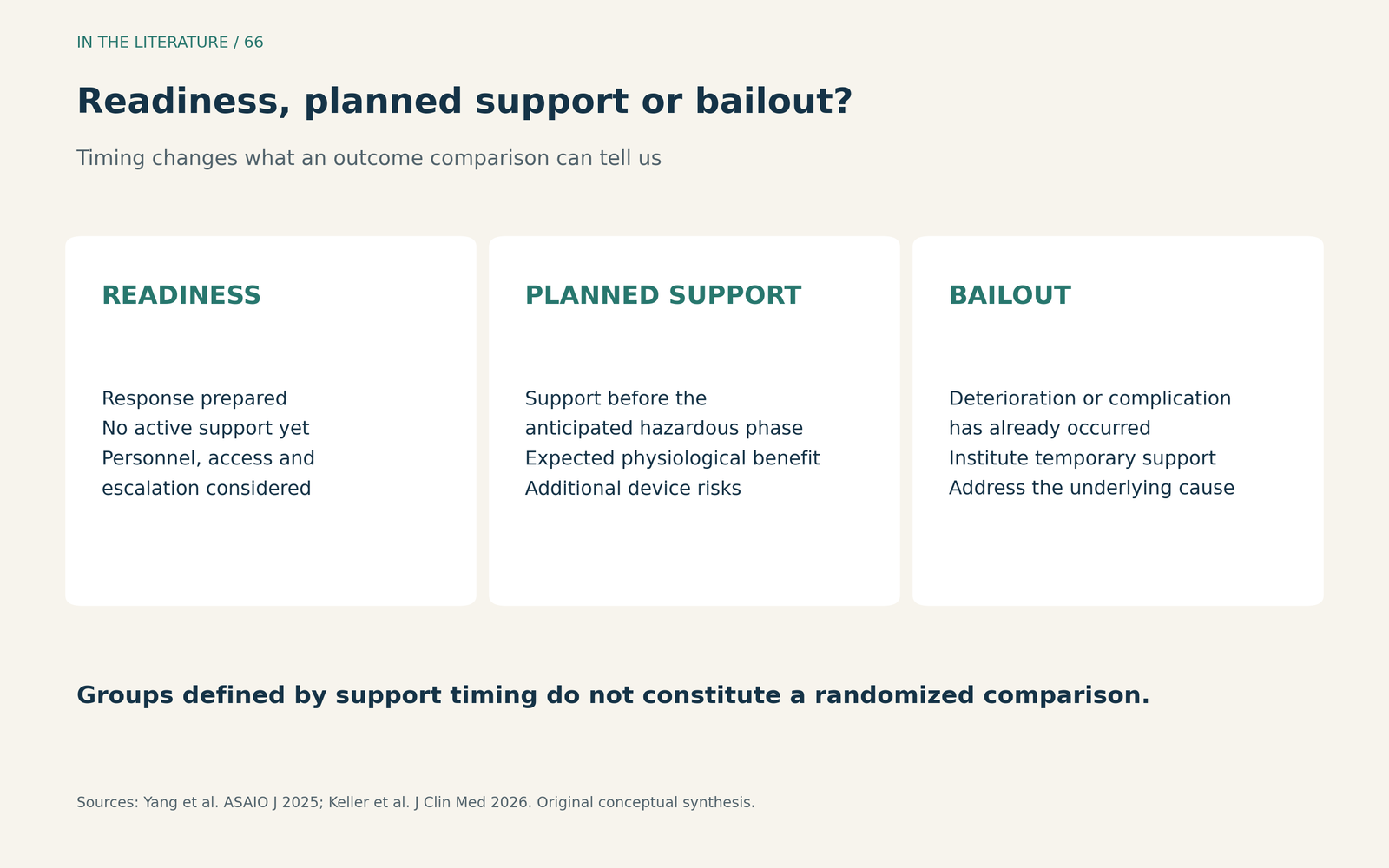
Figure 1. Original conceptual diagram. Anticipating a need for rescue is different from initiating support. The categories clarify timing; they are not a validated treatment-assignment algorithm. [1, 2] View figure

Does starting support early improve outcomes?
The most tempting comparison is also easy to misinterpret. Yang and colleagues studied 538 patients at four Chinese centres: 498 without support, 22 with prophylactic support and 18 requiring emergency support. Thirty-day mortality was 0/22 versus 6/18 in the prophylactic and emergency groups. However, the emergency patients had already experienced serious deterioration, and support devices differed between groups. The cohort also included pure aortic regurgitation and many transapical procedures. This is not evidence that prophylactic support prevents those deaths in contemporary transfemoral AS practice. [1]
An earlier two-centre comparison by Trenkwalder and colleagues, available here as a formal abstract only, included 222 patients with LVEF ≤40%, of whom 21 received prophylactic ECMO. Propensity-matched analyses did not demonstrate a survival benefit; the estimates were imprecise. Transfusion was more frequent with ECMO, 30% versus 7%. Selection and residual confounding prevent a causal benefit-or-harm conclusion. The full matching methods and outcome definitions could not be checked. [3]
Faizov and colleagues' 2025 follow-up described 27 selected patients among 590 TAVR procedures treated with prophylactic awake peripheral VA-ECMO. No ECMO-related vascular or bleeding complications were reported, but there was no control group. This supports feasibility in a particular experienced centre; it cannot establish comparative safety or a survival advantage. The report follows the same patients described previously, rather than supplying an independent second cohort. [4]
Taken together, these studies support an individualized discussion. They do not justify treating low EF as an automatic reason to insert a support device, nor do they establish that waiting for collapse is preferable. The question is whether a particular anticipated failure mechanism is likely to benefit from support enough to justify its own risks. [1, 3, 4]
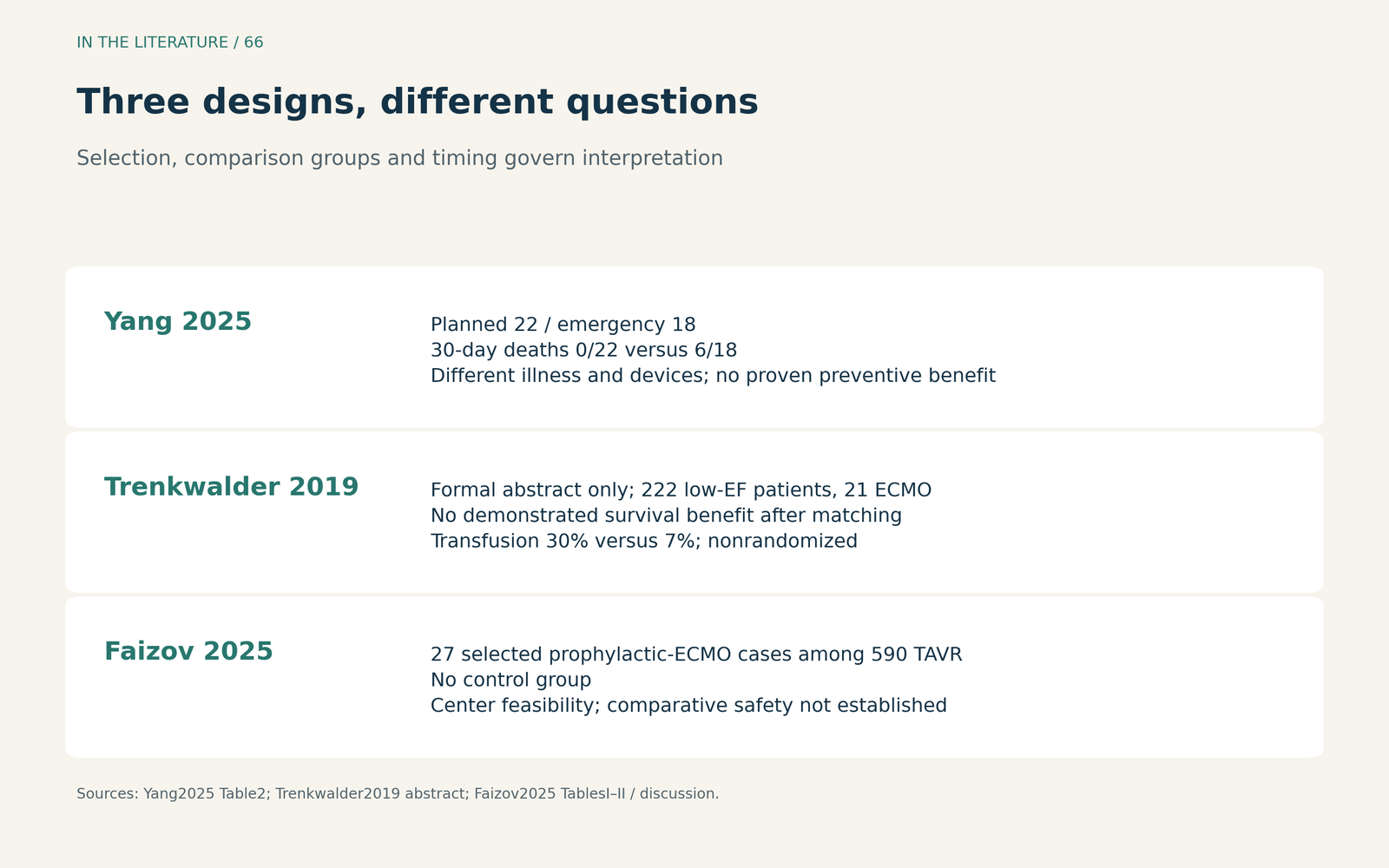
Figure 2. Original evidence comparison. These observational populations and designs should not be pooled into a treatment rule. Trenkwalder 2019 is formal-abstract-only evidence. [1, 3, 4] View figure

Match the support to the anticipated failure
The 2024 ACVC/EACVI/EuroELSO imaging consensus recommends integrating biventricular function, valve disease, respiratory involvement, perfusion and congestion when selecting acute mechanical support. It concerns acute MCS and cardiogenic shock; applying those physiological principles to a planned TAVR discussion does not create trial evidence for prophylaxis. [5]
Peripheral VA-ECMO can support circulation and gas exchange, but may increase LV afterload. An adequately supported systemic pressure does not ensure that the LV is decompressed. Progressive distension, inadequate aortic-valve opening, blood stasis or worsening congestion warrants reassessment of unloading. This is not a mandate to add a second device to every circuit. Severe aortic regurgitation is also an important constraint when considering peripheral VA-ECMO. [5]
A left-sided axial-flow device directly unloads the LV, but effective support still depends on RV function and adequate respiratory function. Valve anatomy, device position and access suitability matter. Native severe AS, regurgitation and prosthetic-valve interactions require device-specific assessment; one successful TAVR case cannot establish suitability for another device, anatomy or regulatory indication. [5]
Vascular imaging and bleeding risk belong in the initial decision. A device that addresses the haemodynamic problem can still introduce access injury, limb ischaemia or bleeding. The relevant comparison is therefore not “support versus no risk,” but the expected physiological benefit versus the additional burden of that particular configuration. [5]
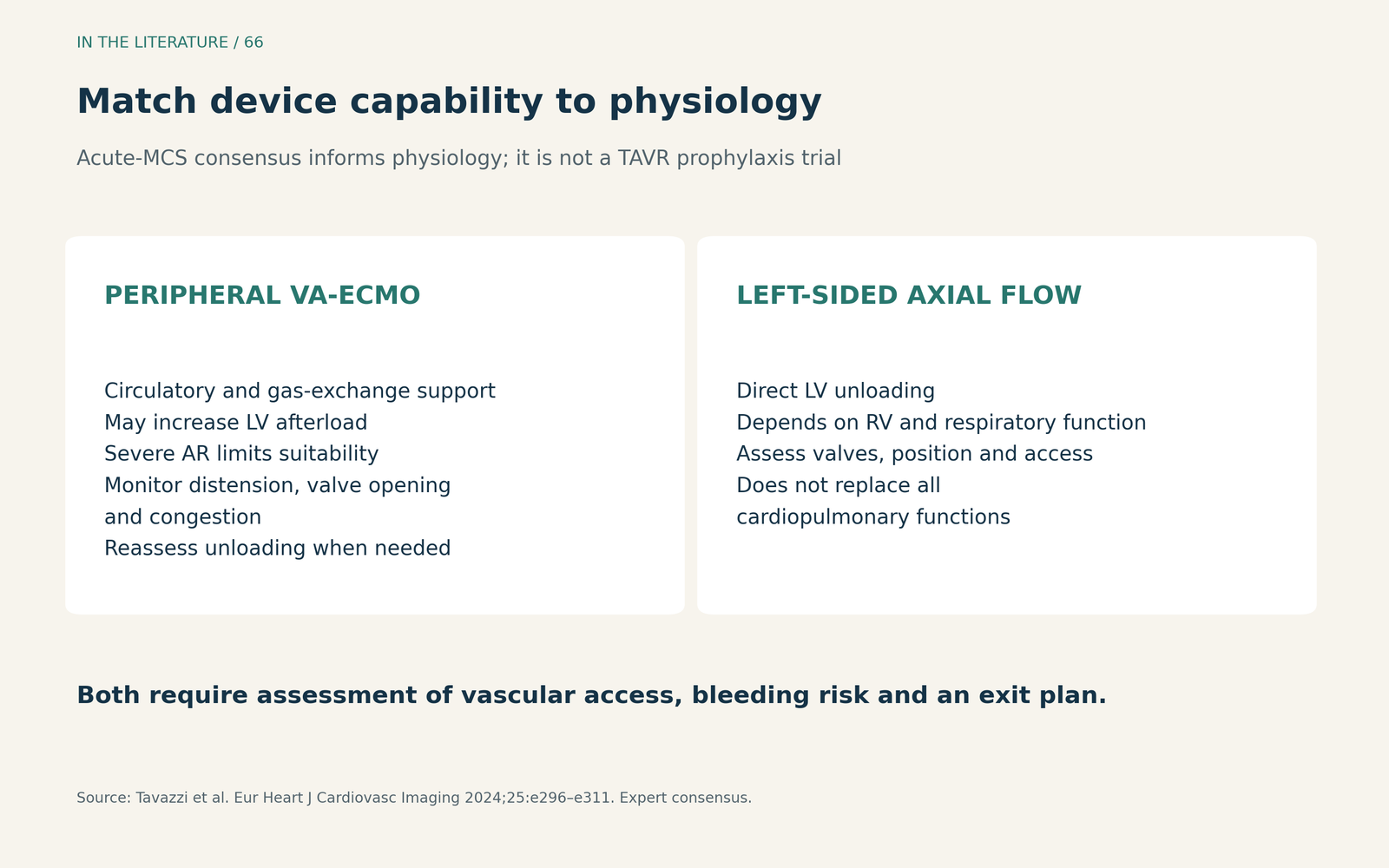
Figure 3. Original physiological summary based on expert consensus. It describes device capabilities and concerns, not comparative efficacy or automatic indications for high-risk TAVR. [5] View figure

Make the plan specific enough to use
A practical application of this evidence is to agree on the anticipated failure mechanism, the intended support configuration, suitable access, available personnel and the circumstances that would trigger escalation. Persistent instability before TAVR is a different starting point from stable low EF. Planned support requires its own monitoring and exit plan; readiness requires a response that can actually be delivered. These are team-planning implications, not a validated scoring system. [1, 5]
Finally, support can sustain circulation while the cause is addressed. It does not itself repair annular rupture, relieve coronary obstruction or correct another mechanical complication. The rescue discussion must therefore include definitive treatment, rather than end with the name of a pump. [1, 2]
Three takeaways
- Name the strategy. Distinguish prepared rescue capability, planned active support and unplanned bailout before comparing outcomes.
- Explain the physiological reason. EF contributes to the assessment; instability, RV function, oxygenation, valves and access can change the decision.
- Plan beyond device insertion. Agree on monitoring, escalation, correction of the underlying problem and an exit strategy; observational success is not proof of routine benefit.
References
- Yang C, Liu Y, Mao Y, et al. Effect of Mechanical Circulatory Support on Mortality After Transcatheter Aortic Valve Replacement: An Analysis. ASAIO J. 2025;71(3):204–212. doi:10.1097/MAT.0000000000002313. PubMed.
- Keller M, Kwon YIC, Gertz Z, et al. Unplanned Mechanical Circulatory Support as Hemodynamic Rescue Worsens Outcomes in Transcatheter Aortic Valve Replacement. J Clin Med. 2026;15(6):2371. doi:10.3390/jcm15062371. PubMed.
- Trenkwalder T, Pellegrini C, Holzamer A, et al. Prophylactic ECMO during TAVI in patients with depressed left ventricular ejection fraction. Clin Res Cardiol. 2019;108(4):366–374. doi:10.1007/s00392-018-1364-6. PubMed. Formal abstract only.
- Faizov L, Lesbekov T, Kuanyshbek A, et al. Four-year follow-up after prophylactic awake peripheral veno-arterial ECMO during transcatheter aortic valve replacement. Postepy Kardiol Interwencyjnej. 2025;21(1):104–107. doi:10.5114/aic.2025.148113. PubMed.
- Tavazzi G, Price S, Beitnes JO, et al. Imaging in acute percutaneous mechanical circulatory support in adults: a clinical consensus statement of the Association for Acute CardioVascular Care (ACVC) of the ESC, the European Association of Cardiovascular Imaging (EACVI) of the ESC and the European branch of the Extracorporeal Life Support Organization (EuroELSO). Eur Heart J Cardiovasc Imaging. 2024;25(12):e296-e311. doi:10.1093/ehjci/jeae219. PubMed.