
ITL-04fd0cf3c92e
Juan Li, MD · Updated November 17, 2026
Watch the video

Key points
- Choose a speed that provides appropriate LV unloading while preserving right-heart performance; the highest tested speed is not automatically the final setting.[1], [2]
- Compare LV size, septal position, RV function, valve findings and device parameters at documented speeds. Serial images are more informative when the accompanying clinical conditions are recorded.[1], [3]
- A small HM3 study demonstrated feasible echo-guided speed adjustment, but it did not validate echo against invasive measurements or establish improved clinical outcomes.[4]
- A smaller LV does not establish normal filling pressures. When symptoms or congestion remain unexplained, invasive hemodynamics can address questions that echo alone has not resolved.[2], [4]
A clinically stable patient with a HeartMate 3 undergoes an echocardiographic ramp study. As speed rises, the LV becomes smaller and mitral regurgitation decreases. Those are useful observations—but they do not, by themselves, identify the best setting for that patient. The practical question is whether the change improves the balance of support without creating another problem, and whether the final setting remains appropriate after the test.[1], [2]
Define the question before changing speed
Speed optimization, investigation of suspected device dysfunction and assessment for myocardial recovery are different examinations. Specify the purpose, the permitted speeds, the stopping criteria and the setting to restore or select at the end. Start with a baseline examination at the usual pump speed; do not begin with an unexplained sequence of speed changes.[1]
Record blood pressure, rhythm, symptoms, volume status and controller parameters alongside the echo findings. Review anticoagulation and look for safety concerns such as intracardiac or aortic-root thrombus before proceeding. Speed testing requires the LVAD team and staff who can recognize adverse responses and terminate the test. The 2024 ASE recommendations describe HM3 changes typically in 100-rpm increments; this is a device-specific description, not permission to apply a fixed protocol regardless of the patient's response. New symptoms, deteriorating hemodynamics, device alarms or signs of suction are reasons to stop speed changes and reassess with the team.[1]
Read the response of both ventricles and the valves
LV unloading: examine LV dimensions and mitral regurgitation together. A reduction in LV size can support increased unloading, but LV diameter is not a direct pressure measurement. Persistent MR may reflect inadequate unloading, yet blood pressure, cannula position and mechanical problems can also affect the result.[1], [4]
RV response and septal position: assess RV size and function, TR and the interventricular septum as speed changes. A setting that reduces LV size but produces suction, adverse septal displacement or an unfavorable right-heart response needs reassessment. Do not interpret a smaller LV in isolation from its supply of blood through the right heart.[1], [2]
Valve behavior and clinical context: document aortic-valve opening and AR, as well as blood pressure and device readings. Intermittent AV opening can be desirable when compatible with adequate unloading, but forcing AV opening at the cost of inadequate support is not the objective. Significant AR can produce recirculation; a higher displayed pump flow then need not mean better effective systemic output.[1], [2]
The 2025 SIECVI consensus reinforces a multiparameter examination and comparison with previous studies. For a useful longitudinal report, make clear which findings occurred at which speed and under which clinical conditions.[3]
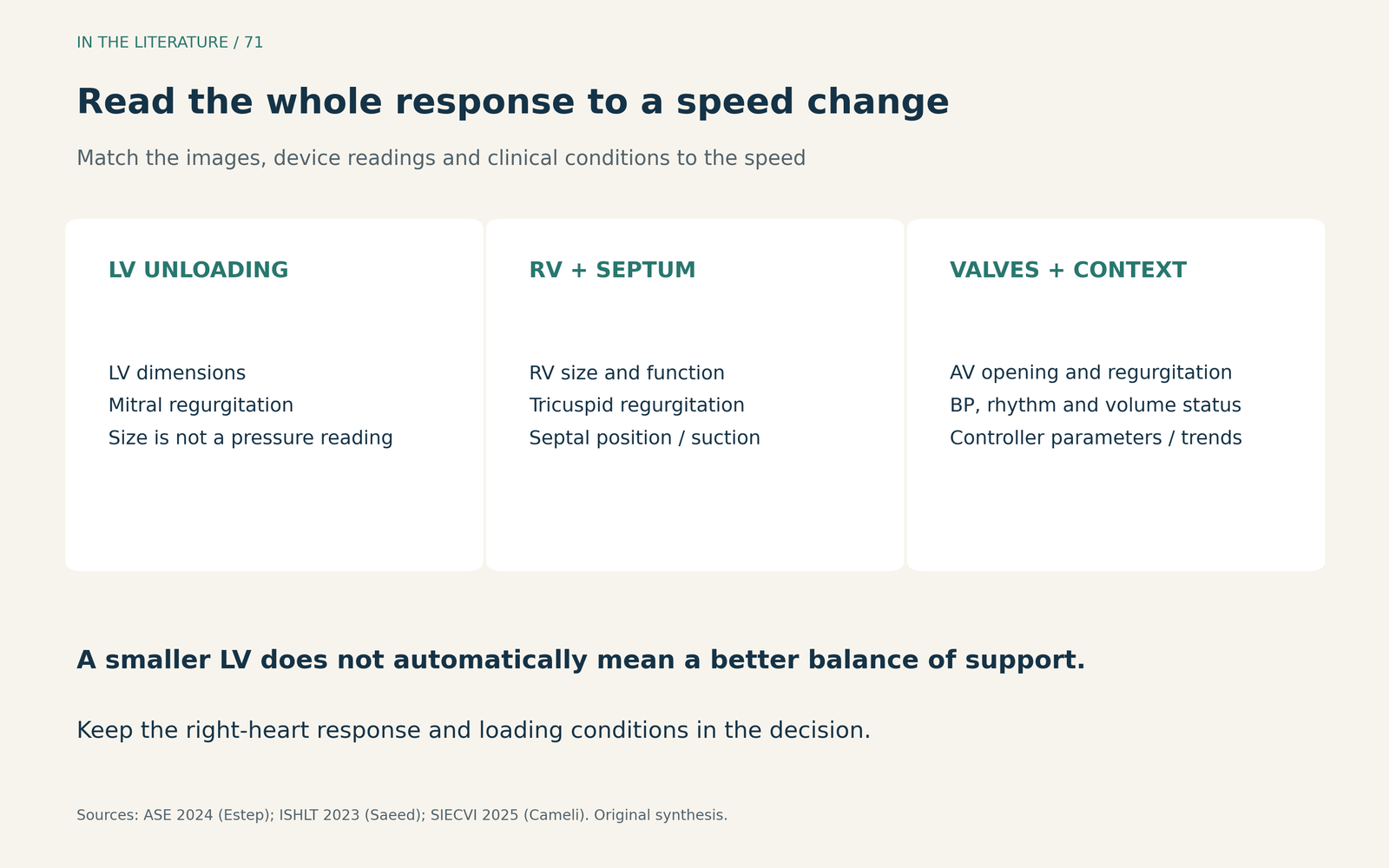
Figure 1. Judge the response as a whole. These are complementary observations, not independent pass–fail targets or a validated scoring system.[1], [2], [3] View larger.

Keep the highest tested speed separate from the final setting
Najjar and colleagues retrospectively studied 14 clinically stable HM3 recipients early after implantation. The median speed was 4,950 rpm before testing, 5,550 rpm at the highest tested setting and 5,200 rpm at follow-up. The median interval from the ramp study to follow-up echo was 55 days. These are cohort medians, not recommended settings for another patient.[4]
Using the study's three echo criteria, 6/14 patients met its unloading definition before the ramp, 10/14 at the highest tested speed and 6/13 at follow-up; one patient had undergone transplantation before follow-up imaging. The baseline assessment compared LV size with the preimplant study, whereas the later assessments compared it with the preramp study. The definition also accepted either intermittent AV opening or a closed AV. These details matter when interpreting the apparent changes.[4]
At follow-up, three previously optimized patients remained optimized and three additional patients met the criteria. Thus, “three newly optimized patients” is not a net improvement of three patients across the cohort. The study did not include invasive validation or establish effects on readmissions, exercise capacity or hemocompatibility events. Its useful contribution is a demonstration of structured speed assessment—not proof that every patient benefits from routine echo-only ramp testing.[4]
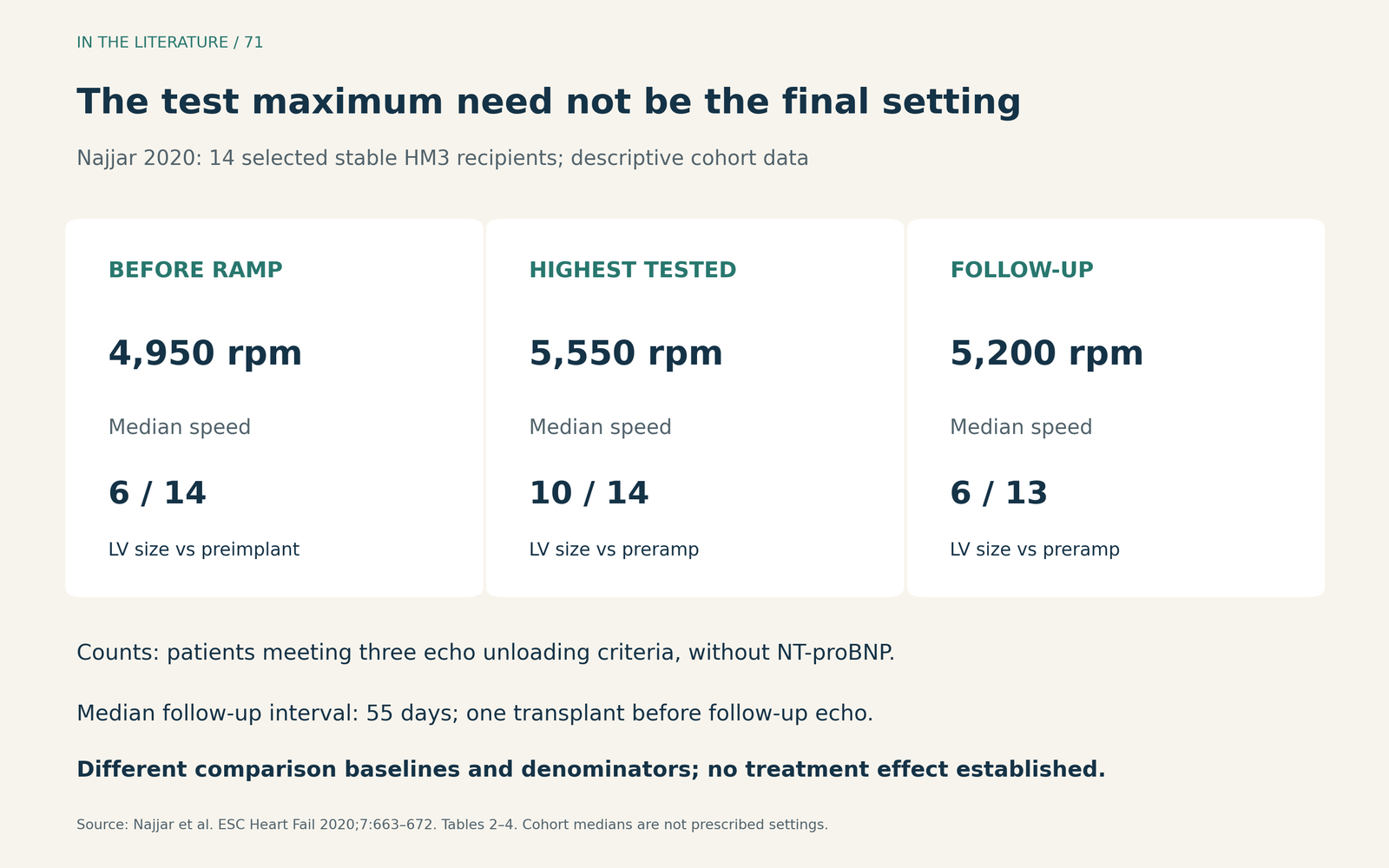
Figure 2. Acute testing and follow-up are distinct assessments. Counts use the three echo criteria, without NT-proBNP; LV-size comparisons differ between assessments. The data are descriptive and do not establish a treatment effect.[4] View larger.

Use pressure measurements when pressure is the unresolved question
Echo describes chamber geometry, valve behavior and the response to speed changes. Right-heart catheterization measures filling pressures and cardiac output, helping distinguish persistent left-sided congestion, right-sided congestion and inadequate forward output. ISHLT guidance supports invasive assessment when symptoms or clinical findings require clarification and for appropriate device optimization.[2]
A 2024 report by Rubinstein and colleagues adds contemporary HM3 data. Its published abstract describes 60 stable outpatients undergoing invasive ramp assessment: 35 met the study's filling-pressure definition at baseline and 39 at the final setting. That definition required CVP below 12 mm Hg and PCWP below 18 mm Hg. These are the study's criteria, not universal discharge targets. Only the abstract was available for the main article; these counts show that clinical stability did not guarantee that both pressures met the study definition, but they do not prove that ramp testing improved outcomes.[5]
In practice, persistent congestion, symptoms inconsistent with the echo picture or an uncertain balance between the two ventricles should prompt discussion of invasive assessment with the LVAD team. Pressure findings can guide consideration of volume management and medical therapy as well as pump speed. A ramp study should end with a documented setting, its rationale and a plan to reassess the patient—not merely a record of the smallest LV seen during testing.[1], [2]
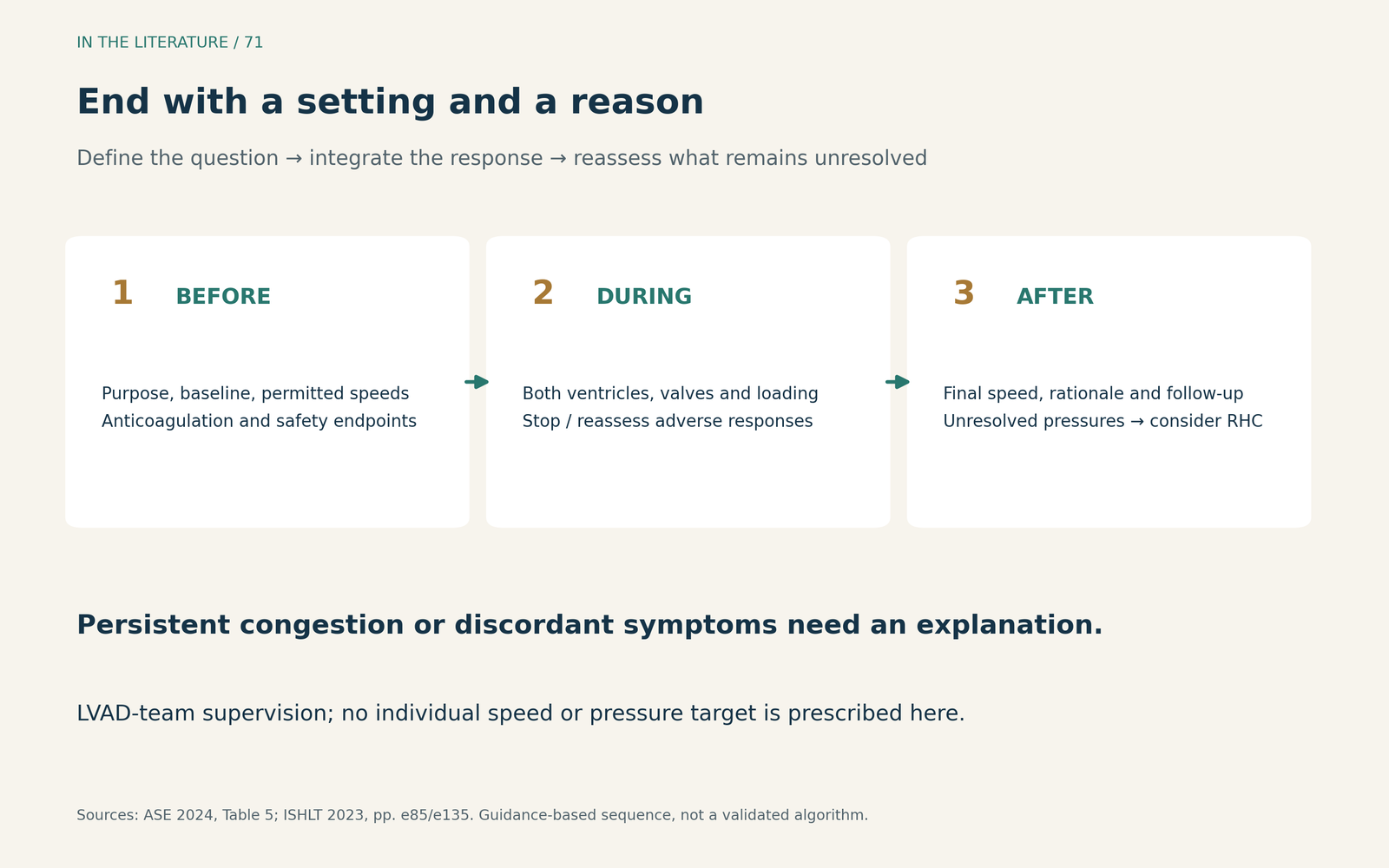
Figure 3. A clinical sequence derived from the cited guidance. An adverse response requires stopping or reassessing according to the supervised protocol; this diagram does not prescribe individual speed or pressure targets.[1], [2] View larger.

Three takeaways
- A smaller LV is one observation, not the whole decision. Read it with RV performance, septal position, valve behavior and the patient's clinical state.
- The highest tested speed is not automatically the final prescription. Document why the selected setting provides an acceptable balance and reassess that balance over time.
- Do not infer normal pressures from favorable images. Persistent symptoms or congestion may require invasive clarification; small observational studies do not establish an outcome benefit from routine echo-only testing.[1], [2], [4], [5]
References
- Estep JD, Nicoara A, Cavalcante J, et al. Recommendations for Multimodality Imaging of Patients With Left Ventricular Assist Devices and Temporary Mechanical Support: Updated Recommendations from the American Society of Echocardiography. J Am Soc Echocardiogr. 2024;37(9):820-871. doi:10.1016/j.echo.2024.06.005. doi:10.1016/j.echo.2024.06.005
- Saeed D, Feldman D, Banayosy AE, et al. The 2023 International Society for Heart and Lung Transplantation Guidelines for Mechanical Circulatory Support: A 10-Year Update. J Heart Lung Transplant. 2023;42(7):e1-e222. doi:10.1016/j.healun.2022.12.004. doi:10.1016/j.healun.2022.12.004
- Cameli M, Pastore MC, Agricola E, et al. How to Do Echocardiography in Heart Failure Patients with Long-term Left Ventricular Assist Devices: A Consensus Statement of the Italian Society of Echocardiography and Cardiovascular Imaging. J Cardiovasc Echogr. 2025;35(2):193-198. doi:10.4103/jcecho.jcecho_63_25. doi:10.4103/jcecho.jcecho_63_25
- Najjar E, Thorvaldsen T, Dalén M, et al. Validation of non-invasive ramp testing for HeartMate 3. ESC Heart Fail. 2020;7(2):663–672. doi:10.1002/ehf2.12638
- Rubinstein G, Moeller CM, Lotan D, et al. Hemodynamic Optimization by Invasive Ramp Test in Patients Supported With HeartMate 3 Left Ventricular Assist Device. ASAIO J. 2024;70(8):641–650. doi:10.1097/MAT.0000000000002167 Abstract only.