ITL-d6af1e9c69c2
Juan Li, MD · Updated November 18, 2026
Key points
- The burden is real. Six months after ICU, most survivors reported serious physical problems and many reported mental ones.[1]
- Severity predicts sequelae. ICU survivors carry the highest risk, so assessment should be careful and multidisciplinary.[2]
- The anaesthetic plan changes. Delay elective surgery while symptomatic, protect restrictive lungs, watch for thrombosis and avoid succinylcholine after long ICU stays.[3]
- Hearts often recover. Even after a troponin rise, echo showed no lasting structural or functional sequelae.[4]
- Long COVID adds new checks. Look for dysautonomia and adrenal issues, use simple functional tests, and expect consensus-based advice.[5], [6], [7]
A patient who spent three weeks ventilated with COVID a year ago now needs a hernia repair and still gets breathless on stairs. What should the preoperative assessment add?
The burden after ICU
In one ICU cohort, in-hospital mortality was 44.9%. At six months, 68% of ICU survivors had serious problems in physical health, and nearly half (48%) reported serious problems in the mental component of health (Likhvantsev et al., J Cardiothorac Vasc Anesth 2022).[1]
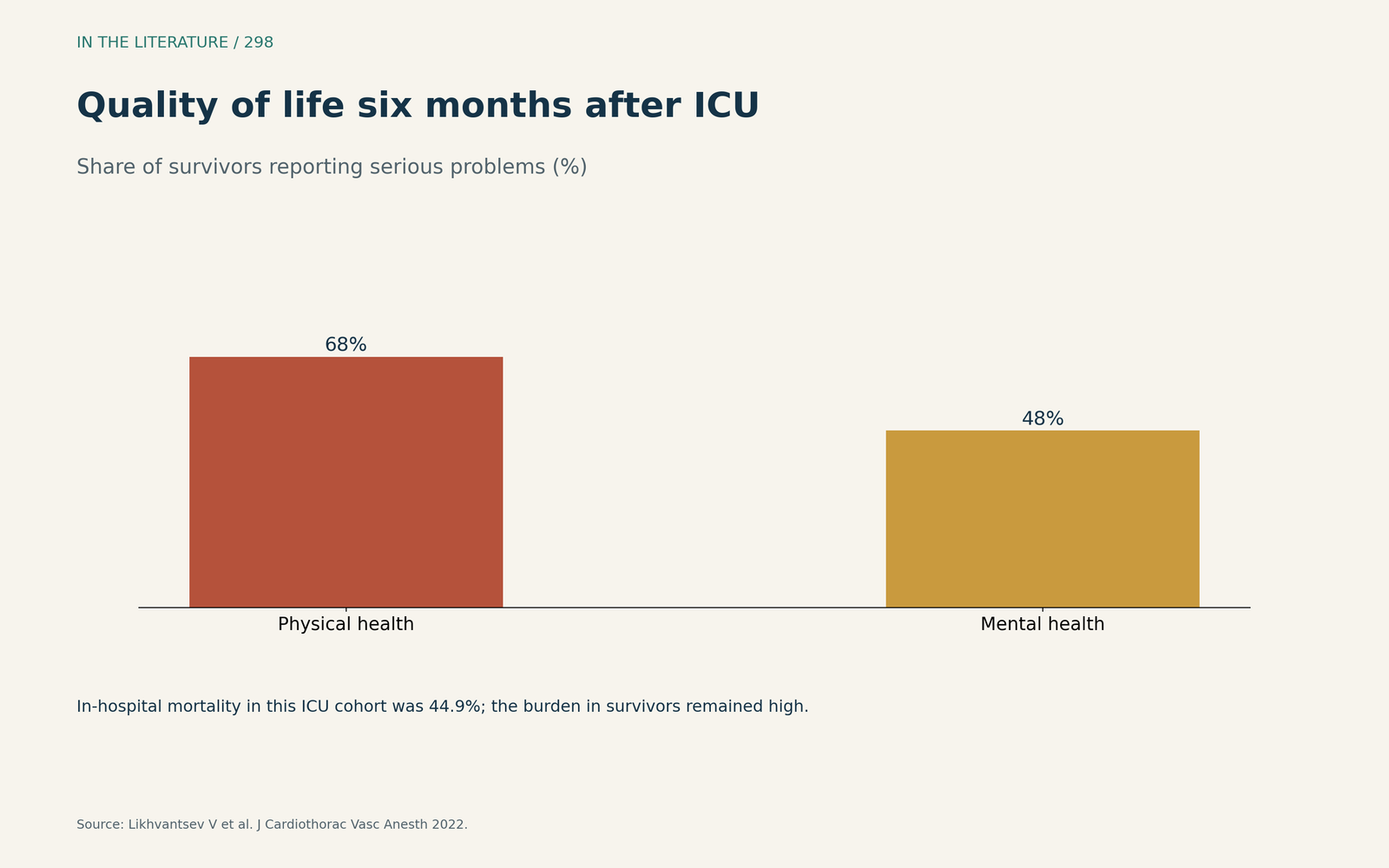
Figure 1. Most survivors still had serious physical problems at six months. Data from Likhvantsev et al.[1] View larger.

What to assess, and how to adapt
Severity of acute illness tracks long-term sequelae, so ICU survivors carry the highest risk, and a cautious multidisciplinary preoperative evaluation should be performed; studies report diastolic dysfunction in roughly 32% to 55% of patients after COVID (Kopanczyk et al., J Cardiothorac Vasc Anesth 2022).[2]
Elective surgery should be delayed until symptoms resolve; for time-sensitive surgery, pulmonary function tests can classify restrictive disease, and with restrictive lung disease, lower tidal volumes and more modest PEEP are suggested. Thrombosis rates of 11.5% overall and 29.4% in ICU patients have been reported, and after long ICU stays, avoiding succinylcholine may be prudent to reduce rhabdomyolysis and hyperkalaemia (Ortoleva, J Cardiothorac Vasc Anesth 2021).[3]
In one follow-up study, echocardiography was done a median of 41 days after recovery, and even after a troponin rise it showed no structural or functional cardiac sequelae (Catena et al., J Am Soc Echocardiogr 2021).[4]
Long COVID
There are no specific guidelines for perioperative management of long COVID. The ACC advises triad testing with troponin, ECG and transthoracic echo; patients with dysautonomia or POTS are prone to prolonged intraoperative hypotension, and preoperative cortisol screening could help avoid adrenal crisis (Yogendra et al., Perioper Med 2025).[5] Assessment should record the severity and duration of the initial infection, functional tests such as a six-minute walk with SpO2 monitoring are suggested, and most recommendations come from expert consensus rather than high-quality trials (Montoya et al., Cureus 2026).[6]
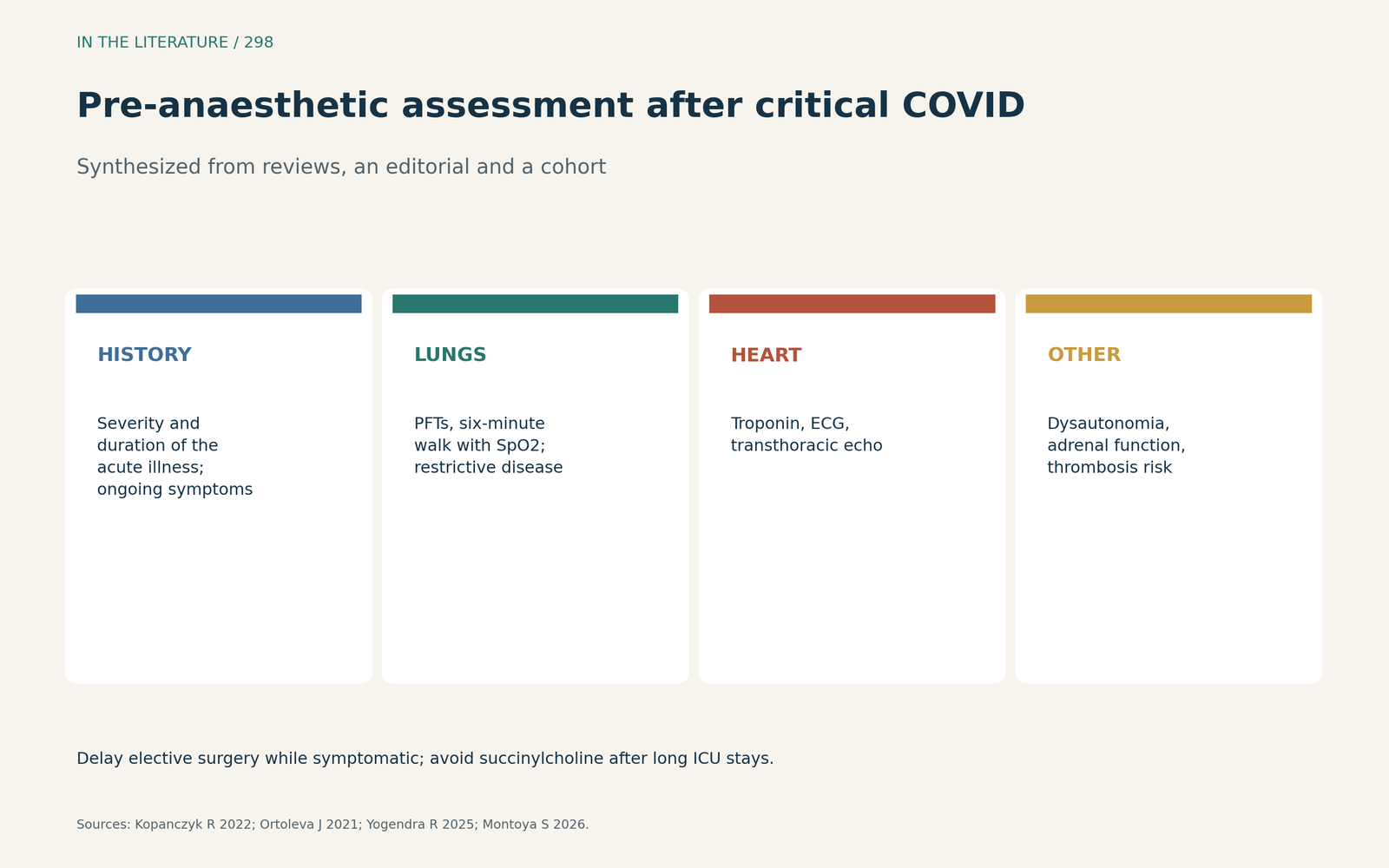
Figure 2. History, lungs, heart and other systems each need a look. Synthesized from Kopanczyk et al., Ortoleva, Yogendra et al. and Montoya et al.[2], [3], [5], [6] View larger.

A prospective cohort followed 167 COVID survivors through surgery (Özen et al., Medicine 2024). Intraoperative general and airway complications occurred in 19.8% and 10.2%, and postoperatively, 57 of 167 patients (34.1%) had at least one complication.[7]
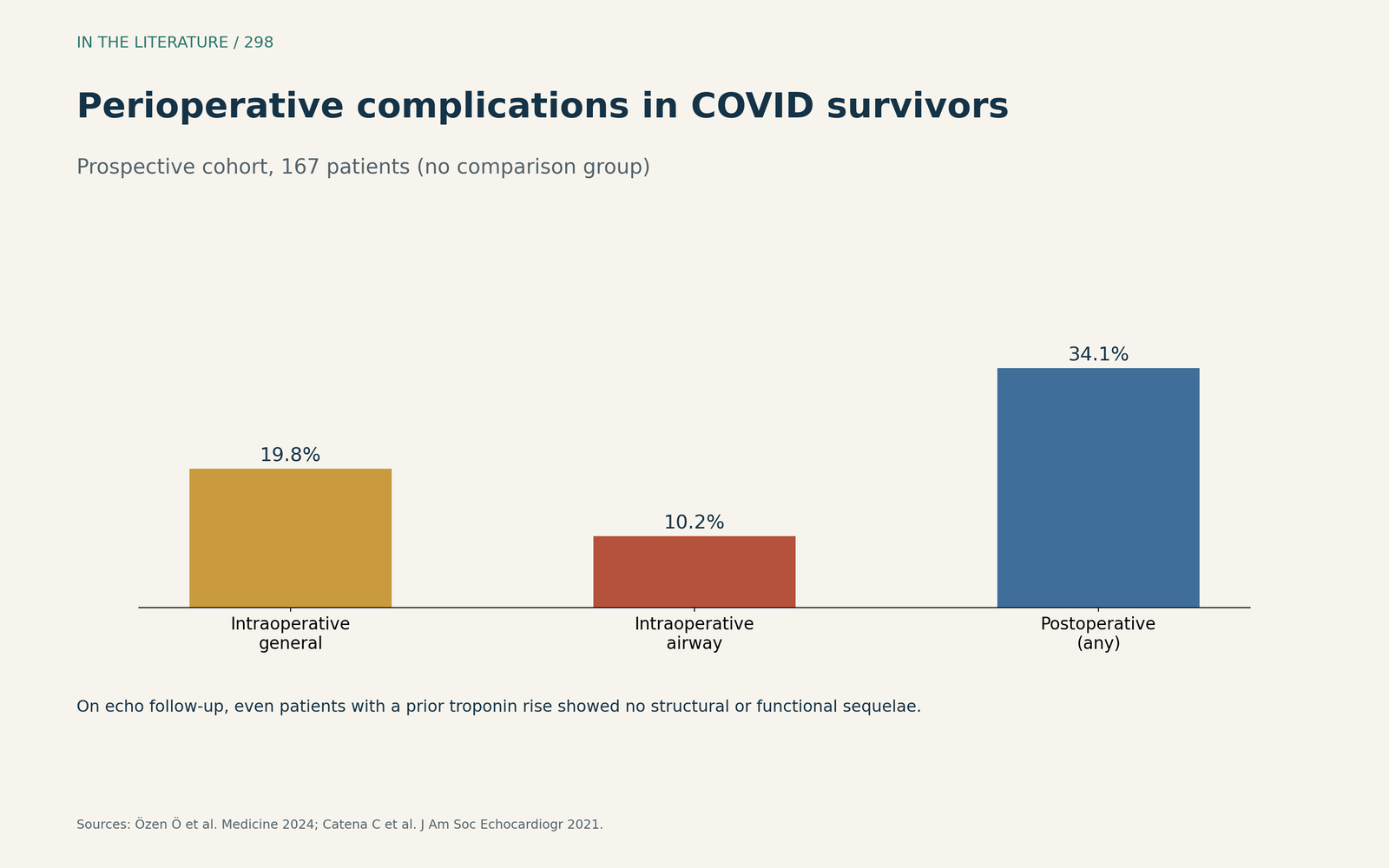
Figure 3. Complications were common, although the cohort had no comparison group; cardiac sequelae on echo were not seen. Data from Catena et al. and Özen et al.[4], [7] View larger.

Three takeaways
- Ask how sick the patient was and what symptoms persist; ICU survivors carry the highest risk.[1], [2]
- Delay elective surgery while symptomatic, test lungs and heart as symptoms suggest, and adapt ventilation and drugs.[3], [4], [5]
- Screen for dysautonomia and adrenal problems, and expect a higher complication rate.[5], [6], [7]
References
- Likhvantsev V, Landoni G, Perekhodov S, et al. Six-month quality of life in COVID-19 intensive care unit survivors. J Cardiothorac Vasc Anesth. 2022;36:1949–1955. doi:10.1053/j.jvca.2021.08.036
- Kopanczyk R, Kumar N, Papadimos T. Post-acute COVID-19 syndrome for anesthesiologists: a narrative review and a pragmatic approach to clinical care. J Cardiothorac Vasc Anesth. 2022;36:2727–2737. doi:10.1053/j.jvca.2021.09.051
- Ortoleva J. Anesthetic considerations for recovered COVID-19 patients. J Cardiothorac Vasc Anesth. 2021;35:376–377. doi:10.1053/j.jvca.2020.10.032
- Catena C, Colussi G, Bulfone L, et al. Echocardiographic comparison of COVID-19 patients with or without prior biochemical evidence of cardiac injury after recovery. J Am Soc Echocardiogr. 2021;34:193–195. doi:10.1016/j.echo.2020.10.009
- Yogendra R, Perlowski A, Johng B, et al. Perioperative and anesthetic considerations for post-acute sequelae of COVID (PASC)/long COVID. Perioper Med (Lond). 2025;14:80. doi:10.1186/s13741-025-00558-0
- Montoya S, Alvarez Ramirez D, Chavarría R, et al. Anesthesia in patients with long COVID or post-infectious respiratory sequelae undergoing emergency surgery: clinical challenges and perioperative strategies. Cureus. 2026;18(2):e104067. doi:10.7759/cureus.104067
- Özen Ö, Ankay Yilbaş A, Kanbak M. Incidence of perioperative complications in COVID-19 survivors: prospective observational clinical trial. Medicine (Baltimore). 2024;103(20):e38246. doi:10.1097/MD.0000000000038246