ITL-7f5fd5f6411e
Juan Li, MD · Updated November 18, 2026
Key points
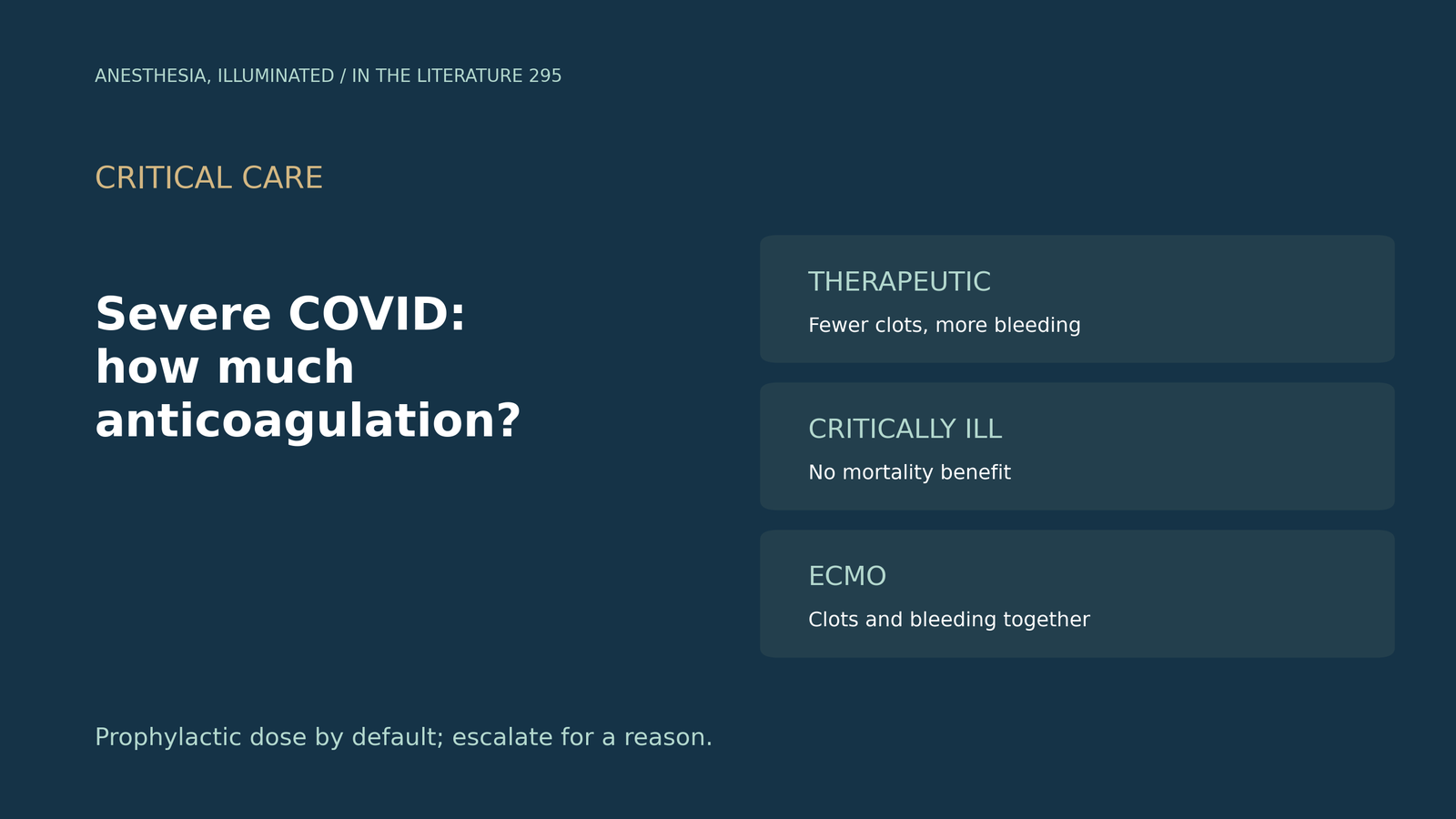
- Therapeutic dosing trades clots for bleeding. It reduced thrombosis but increased major bleeding, without lowering mortality in critically ill patients.[1]
- No strategy wins in the ICU. Across 35 trials, no antithrombotic strategy changed outcomes in critically ill patients.[2]
- Routine escalation did not help. The newest trial found no significant benefit and more bleeding with therapeutic dosing.[3]
- ECMO makes both worse. Circuits clot while intracranial bleeding rises, so intensity must follow bleeding risk.[4], [5], [6]
A ventilated patient with severe COVID pneumonia has a rising D-dimer but no proven thrombosis. Should the heparin dose be increased to therapeutic?
Pooled randomized evidence
A meta-analysis pooled 18 RCTs with 10,234 patients comparing therapeutic with lower-dose anticoagulation (Selvarajan et al., EJHaem 2025). Therapeutic dosing reduced thrombosis (RR 0.55) but increased major bleeding. In critically ill patients, therapeutic dosing did not affect all-cause mortality (RR 1.03), and the authors conclude that therapeutic dosing is not beneficial in critically ill patients.[1]
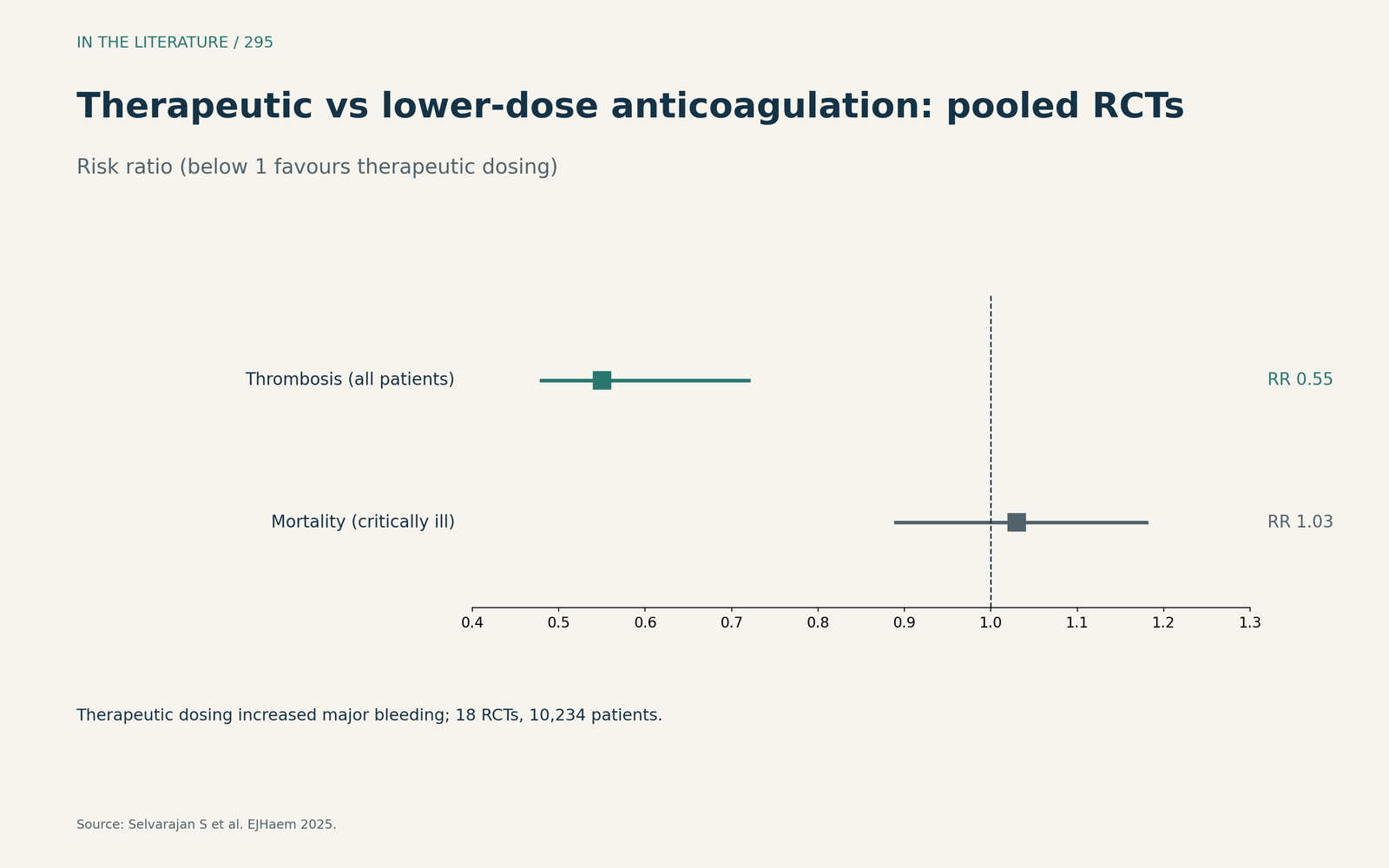
Figure 1. Fewer thromboses, but no survival gain in the critically ill. Data from Selvarajan et al.[1] View larger.

A network meta-analysis included 39 949 participants from randomized trials (Chen et al., BMJ Open 2025). For critically ill patients, no antithrombotic strategy showed a significant difference; antiplatelet monotherapy increased the risk of major bleeding (RR 2.27), and evidence on 28-day mortality was mainly of very low to low quality.[2]
The newest trial
A German multicentre trial randomized 140 hospitalized patients to therapeutic or prophylactic anticoagulation (Karakas et al., JAMA Netw Open 2026). The primary outcome did not differ significantly (HR 0.74), event rates remained high, with 10% arterial and 6% venous thromboembolic events, and seven major or clinically relevant nonmajor bleeding events occurred in the therapeutic group. The authors find no support for routine escalation from prophylactic to therapeutic dosing.[3]
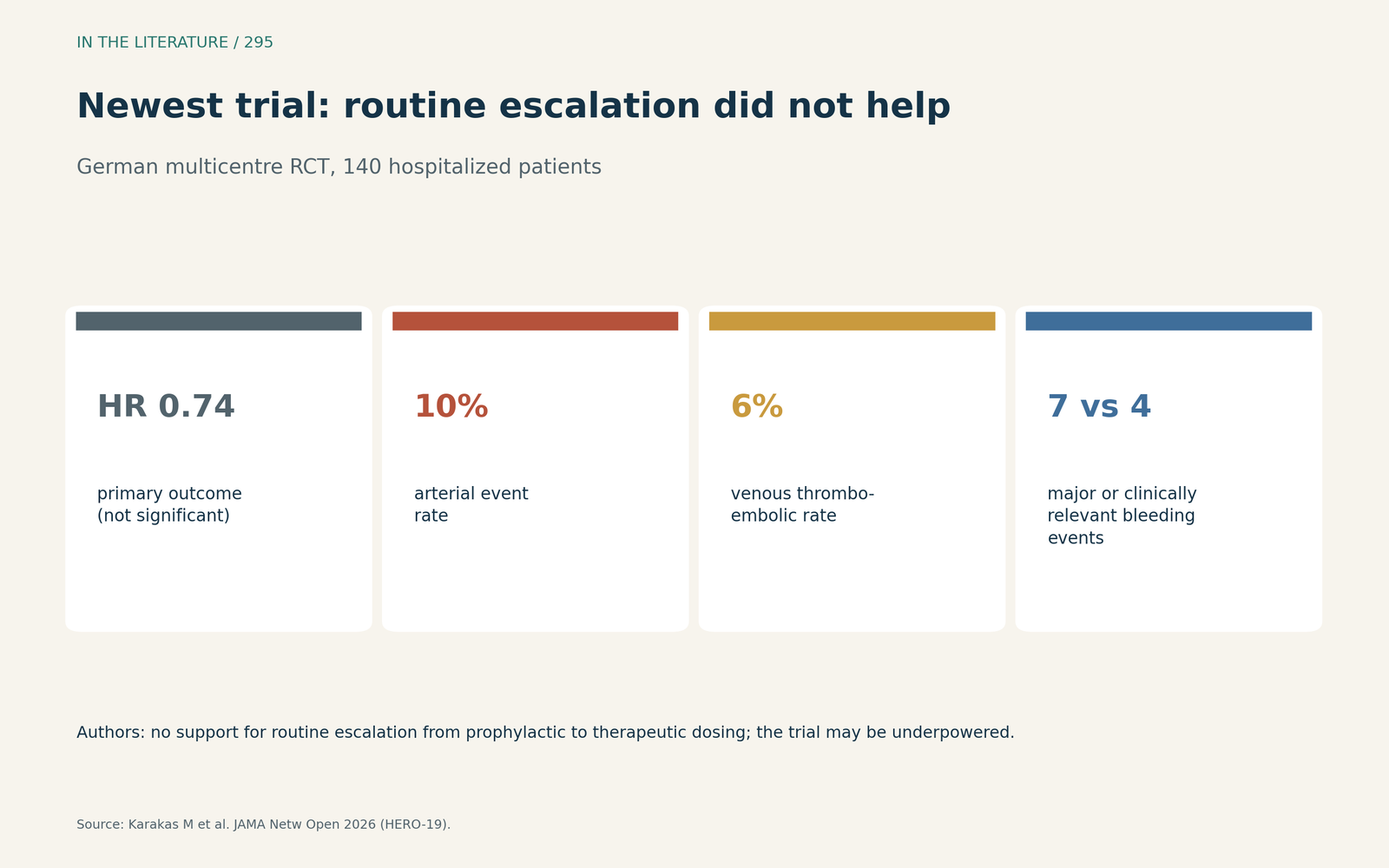
Figure 2. Escalation did not reduce events and added bleeding. Data from HERO-19.[3] View larger.

Patients on ECMO
In COVID patients on ECMO, intracranial haemorrhage rates were considerably higher; a review suggests standard anticoagulation targeting anti-Xa 0.3–0.5, with alternative agents for HIT or severe heparin resistance, and that patients with active bleeding should receive appropriate blood product support (Yusuff et al., J Cardiothorac Vasc Anesth 2022).[4] In 8 patients on VV-ECMO, the oxygenator was replaced 13 times; the authors advise that anticoagulation intensity consider each patient's bleeding risk, since the circuit can remain prothrombotic while the patient is bleeding (Guo et al., J Cardiothorac Vasc Anesth 2021).[5]
Bleeding was more frequent with bivalirudin than heparin (65% vs 40%), in a sicker group with more ECMO, and hospital mortality was 57% with bivalirudin and 45 percent with heparin, a non-significant difference (Pieri et al., J Cardiothorac Vasc Anesth 2022).[6]
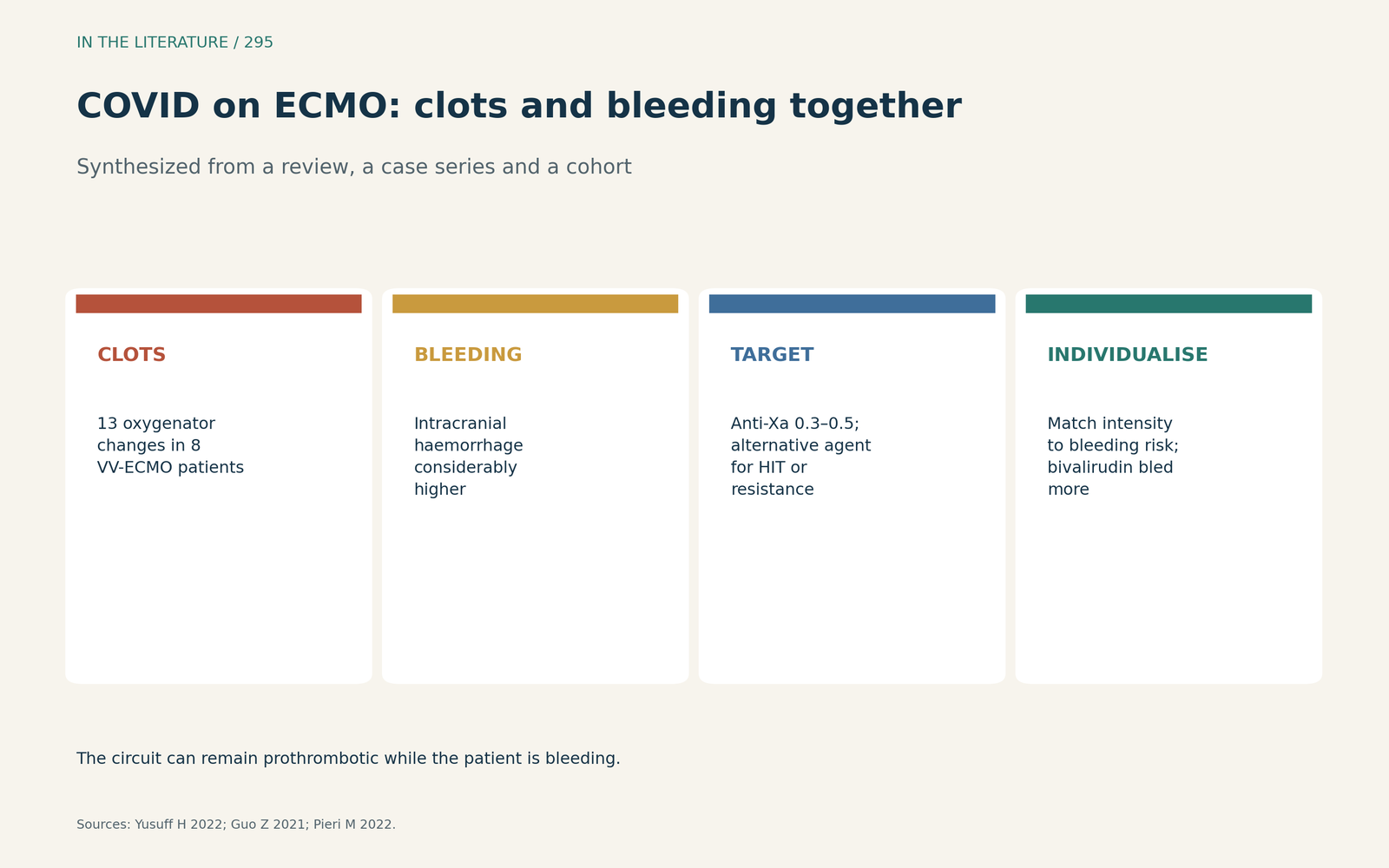
Figure 3. On ECMO, thrombosis and bleeding coexist, so anticoagulation must be individualised. Synthesized from Yusuff et al., Guo et al. and Pieri et al.[4], [5], [6] View larger.

Three takeaways
- In critically ill COVID, use prophylactic-dose anticoagulation by default; therapeutic dosing did not lower mortality and added bleeding.[1], [2], [3]
- Escalate for a reason, such as confirmed thrombosis or circuit needs, not for markers alone.[3], [4]
- On ECMO, aim for moderate targets and adjust to each patient's bleeding risk.[4], [5], [6]
References
- Selvarajan S, John JS, Tharyan P, et al. Therapeutic versus non-therapeutic dose anticoagulation in COVID-19 infection: a systematic review and meta-analysis of randomised controlled trials. EJHaem. 2025;6(1):e1100. doi:10.1002/jha2.1100
- Chen HB, Chen H, Xu JY, et al. Antithrombotic strategies in adult COVID-19 patients: a systematic review and Bayesian network meta-analysis. BMJ Open. 2025;15(9):e088917. doi:10.1136/bmjopen-2024-088917
- Karakas M, Nicolay SS, Wichmann D, et al. Prophylactic vs therapeutic anticoagulation in hospitalized patients with COVID-19. JAMA Netw Open. 2026;9(9):e2635333. doi:10.1001/jamanetworkopen.2026.35333
- Yusuff H, Zochios V, Brodie D. Thrombosis and coagulopathy in COVID-19 patients receiving ECMO: a narrative review of current literature. J Cardiothorac Vasc Anesth. 2022;36:3312–3317. doi:10.1053/j.jvca.2022.03.032
- Guo Z, Sun L, Li B, et al. Anticoagulation management in severe coronavirus disease 2019 patients on extracorporeal membrane oxygenation. J Cardiothorac Vasc Anesth. 2021;35:389–397. doi:10.1053/j.jvca.2020.08.067
- Pieri M, Quaggiotti L, Fominskiy E, et al. Anticoagulation strategies in critically ill patients with SARS-CoV-2 infection: the role of direct thrombin inhibitors. J Cardiothorac Vasc Anesth. 2022;36:2961–2967. doi:10.1053/j.jvca.2022.03.004