ITL-54b654ca56c0
Juan Li, MD · Updated November 17, 2026
Watch the video
Key points
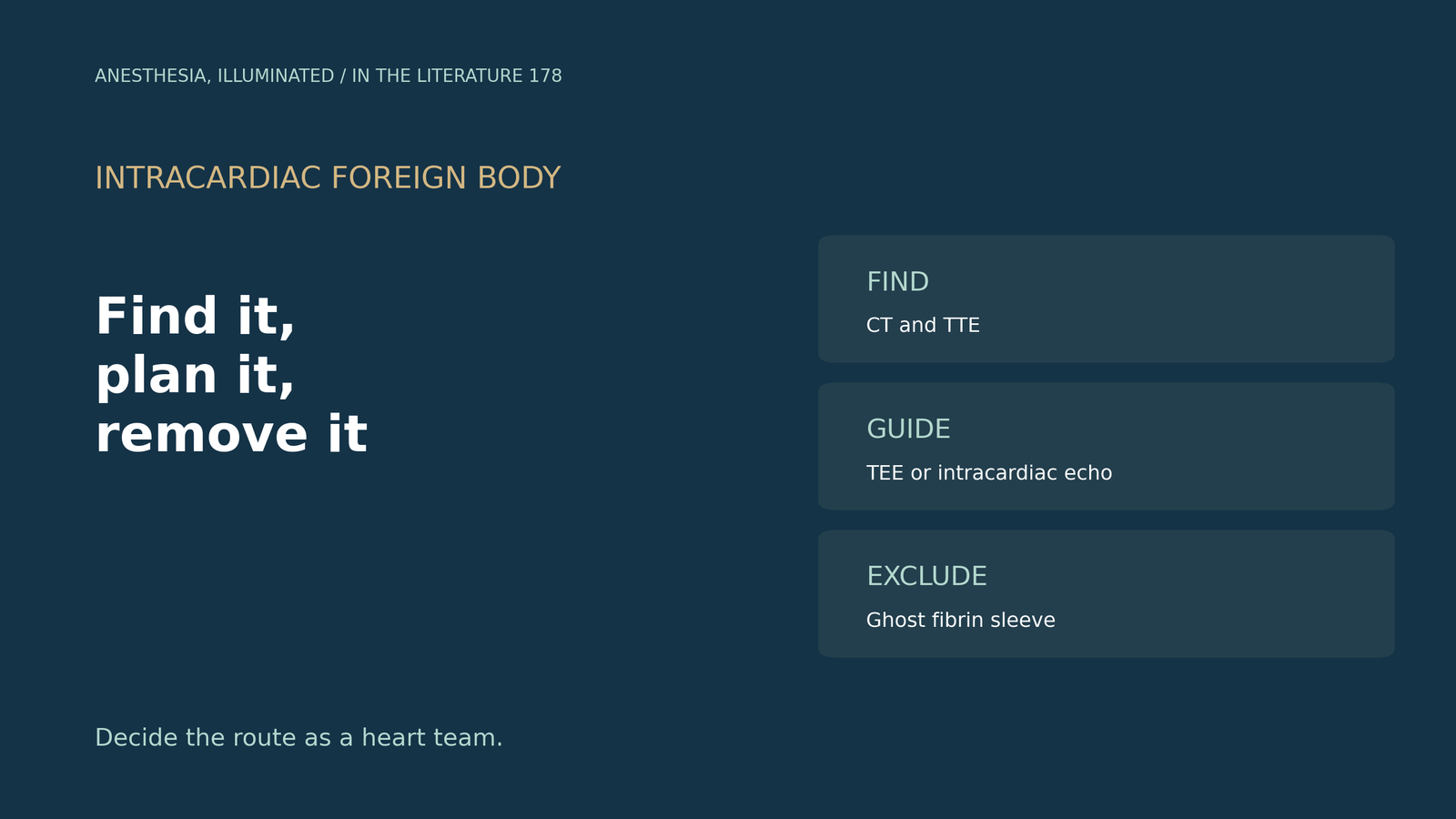
- Expect more migrations. Device migration is likely to increase, anesthesiologists should suspect dislodgement, and TEE can localize devices and guide treatment.[1]
- CT and echo find what x-ray misses. A 10-cm radiolucent fragment invisible on chest x-ray was found on CT and confirmed by TTE crossing the tricuspid valve.[2]
- Ultrasound can guide retrieval. When fluoroscopy could not see the fragment, combined intracardiac and transesophageal echo guided forceps retrieval in a hybrid room with surgical standby.[2]
- Choose the route deliberately. Endovascular retrieval succeeds in about 90%, but a stent at the atrioventricular junction made it riskier than surgery.[3], [1]
- Do not chase a ghost. A fibrin sleeve left after catheter removal is often mistaken for a catheter fragment.[4]
After a difficult central catheter removal, a retained fragment is suspected, and the chest x-ray is unremarkable. How should the fragment be found, and how should its removal be planned?[1], [2]
Suspect and localize
Holloway and colleagues expect device migration to increase as implantable devices become more common; anesthesiologists should keep a high index of suspicion for dislodgement, take care with pulmonary artery catheters, and use TEE, which can localize devices and guide treatment. ASD occluders embolize in 0.2% to 0.62%.[1] Howick and colleagues describe a radiolucent fragment unrevealed by chest x-ray but seen on CT as a 10-cm linear fragment and confirmed on TTE as an echogenic structure crossing the tricuspid valve.[2] Damito and colleagues found a migrated stent as a hyperechoic mesh-like mobile object in the right atrium on TTE, with concern for myocardial penetration.[3]
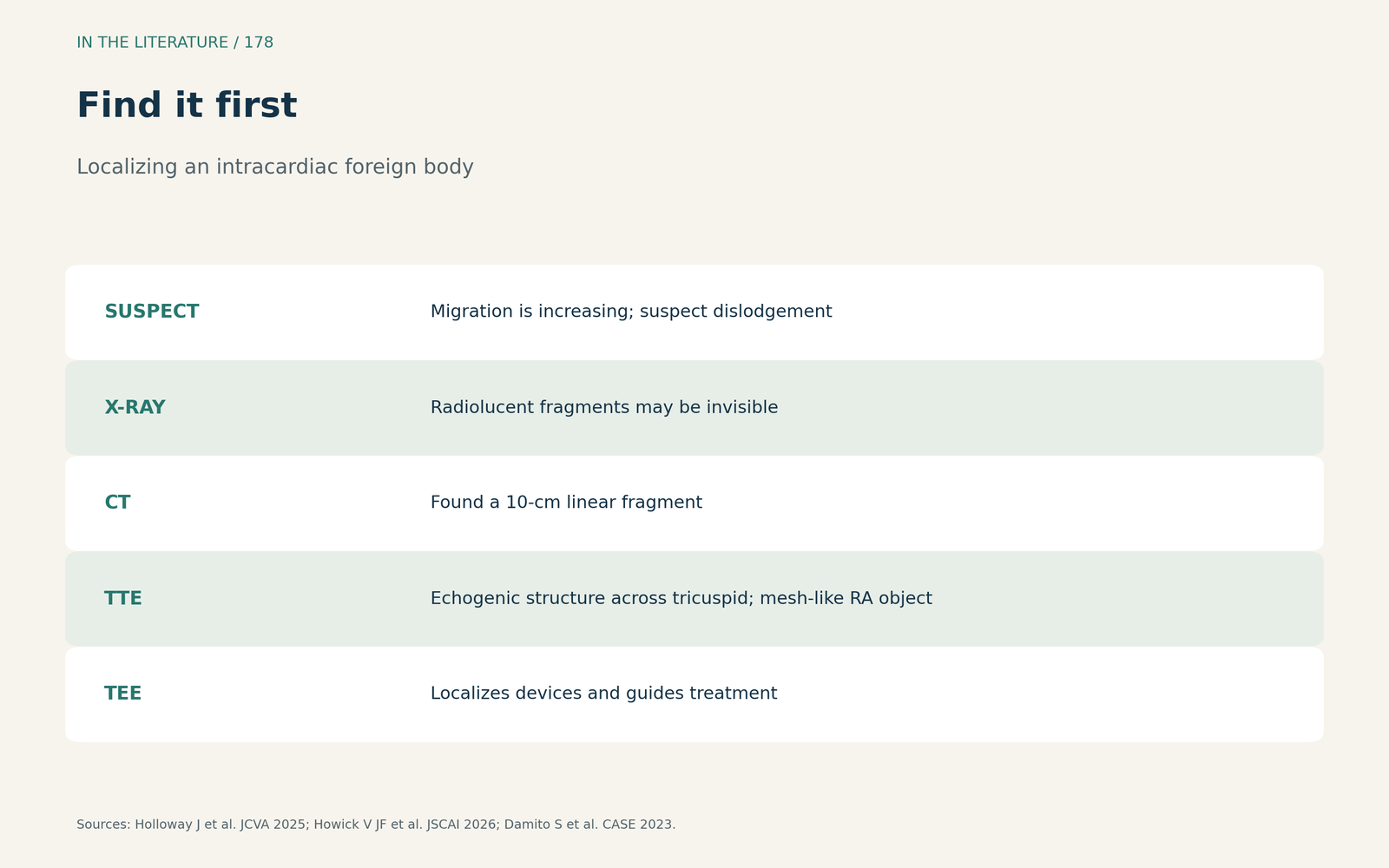
Figure 1. Find it first. Synthesized from Holloway et al., Howick et al. and Damito et al.[1], [2], [3] View larger.

Plan the retrieval
In Howick's case the heart team chose hybrid-room retrieval with surgical standby; because the fragment was invisible on fluoroscopy, combined intracardiac and transesophageal echo guided the forceps, cross-plane imaging kept them clear of the atrial wall, no new effusion or valve injury followed, and the approach may avoid sternotomy in selected patients.[2] Damito and colleagues chose an endovascular approach for lower risk and quicker recovery; endovascular retrieval succeeds in about 90%, and incorrect sizing is the leading cause of stent migration.[3] For a stent at the atrioventricular junction, Holloway's team judged endovascular retrieval more dangerous than operative removal.[1]
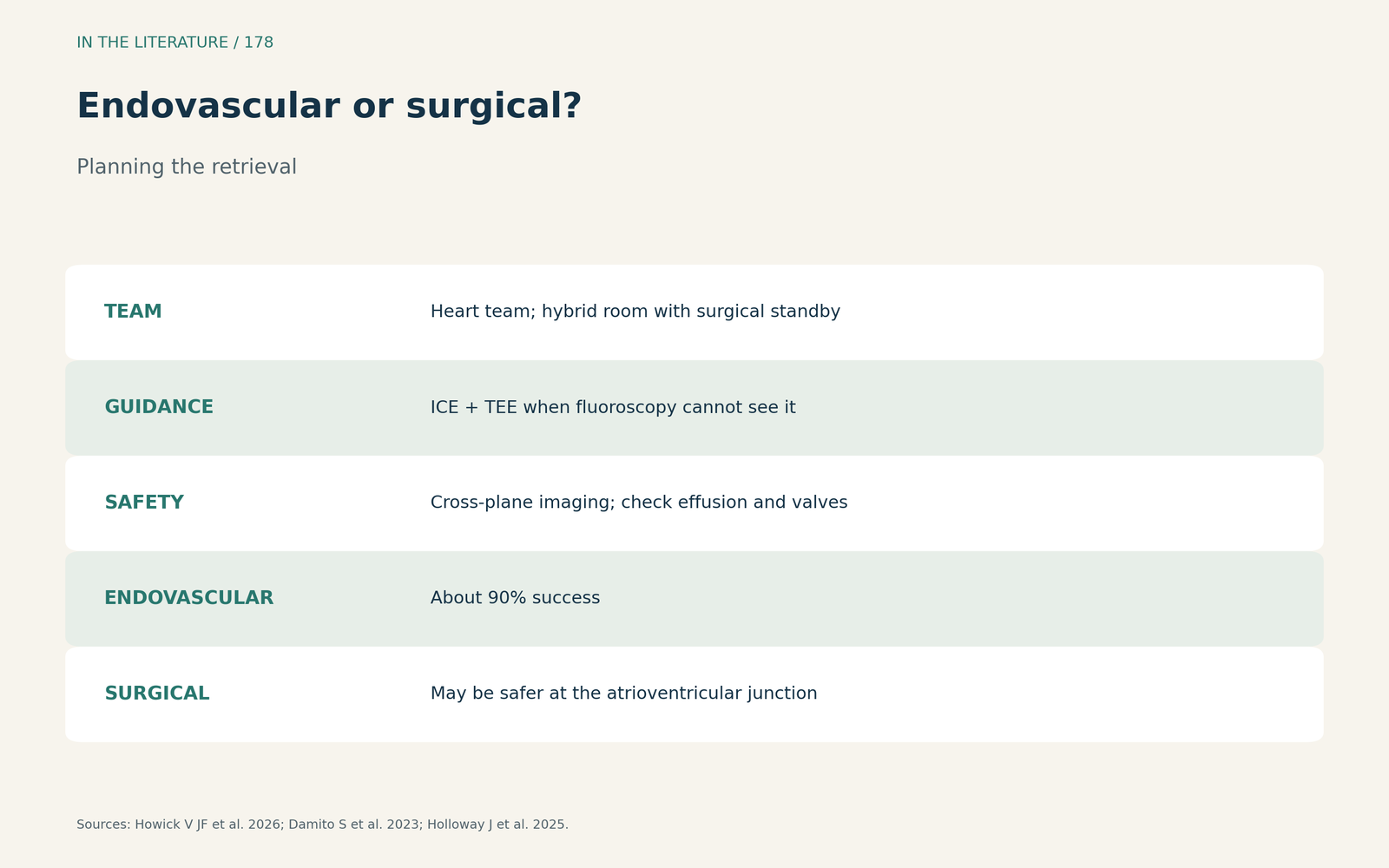
Figure 2. Endovascular or surgical? Synthesized from Howick et al., Damito et al. and Holloway et al.[2], [3], [1] View larger.

The ghost in the vein
Jena and Ananthasubramaniam note that fibrin sheaths commonly form on indwelling catheters; after removal, the sleeve lies where the catheter was and resembles a tubular cast, is often misdiagnosed as a catheter fragment and can lead to unnecessary surgery, and distinguishing it from thrombus can be challenging.[4]
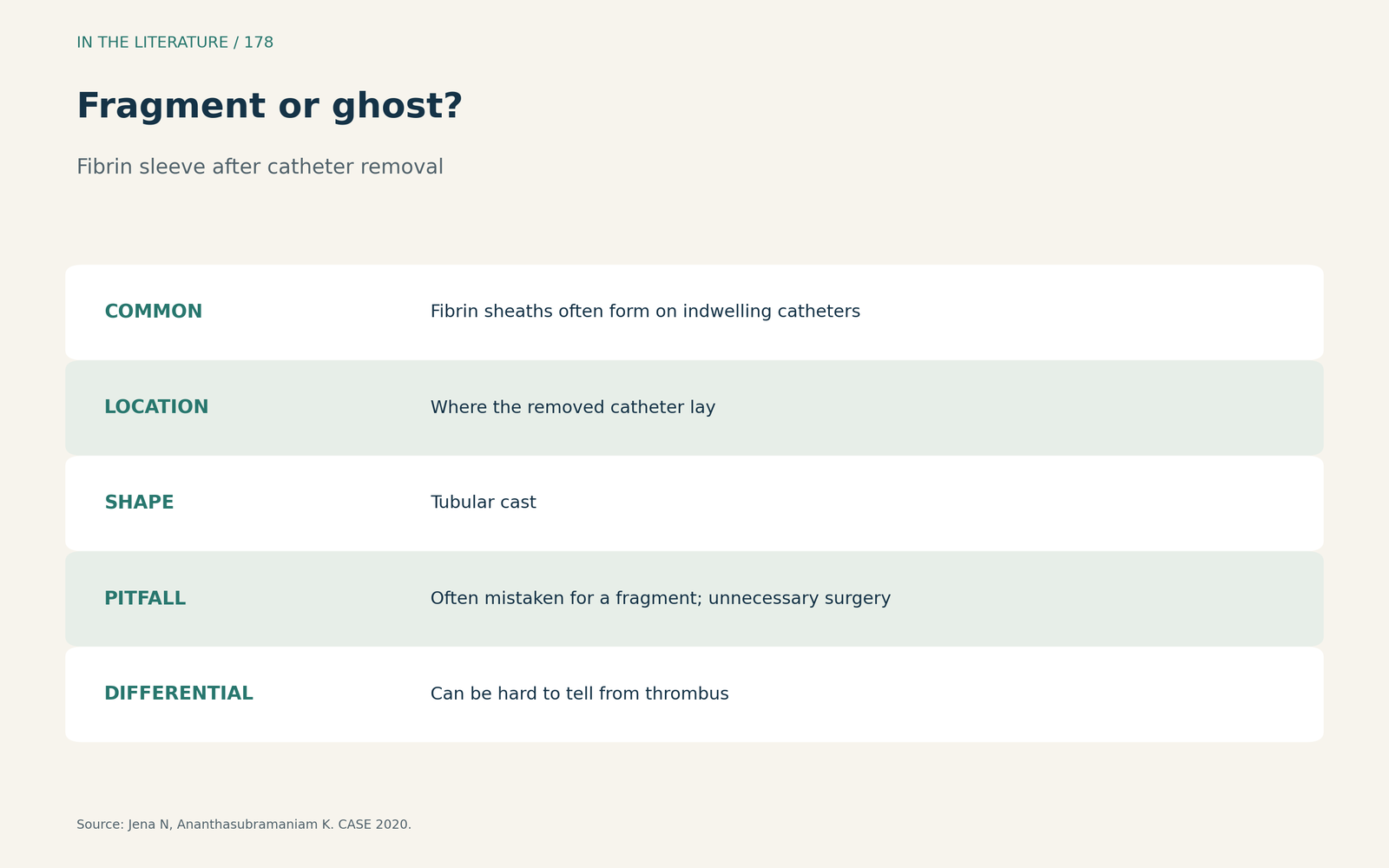
Figure 3. Fragment or ghost? Synthesized from Jena and Ananthasubramaniam.[4] View larger.

Three takeaways
- Suspect migration and image early. CT and TTE find what x-ray misses.[1], [2]
- Let ultrasound guide retrieval when fluoroscopy cannot. Plan the route with the heart team and surgical backup.[2], [3]
- Exclude a ghost before retrieval. A fibrin sleeve can mimic a fragment.[4]
References
- Holloway J, Lee M, Stephens B, et al. Anesthetic management of intracardiac migration of medical devices. J Cardiothorac Vasc Anesth. 2025;39(7):1866–1877. doi:10.1053/j.jvca.2024.07.015
- Howick V JF, Robinson G, van Niekerk C, Reddy P, Pollak P. Raptor-assisted retrieval of a radiolucent perforating intracardiac foreign body. J Soc Cardiovasc Angiogr Interv. 2026;5(6):105341. doi:10.1016/j.jscai.2026.105341
- Damito S, Shah NS, Fata M, et al. Iliac stent migration to the right atrium—late detection, a complex clinical problem. CASE (Phila). 2023;7(12):474–480. doi:10.1016/j.case.2023.08.006
- Jena N, Ananthasubramaniam K. Ghost catheter fibrin sleeve: case report and literature review. CASE (Phila). 2020;4(5):405–409. doi:10.1016/j.case.2020.05.011