ITL-eeaf593edc1d
Juan Li, MD · Updated November 18, 2026
Key points
- Technique changes who passes. In TIP-EX, the first SBT succeeded in 79.1% with pressure support versus 71.7% with a T-piece, without more ventilator-free days.[1]
- A pass is not a promise. A meta-analysis of 26,847 participants found 26 factors linked to failure despite a passed SBT; consciousness had the strongest association.[2]
- High-risk patients still fail. In one cohort, 19% of high-risk patients were reintubated within 72 hours after passing.[3]
- Practice varies. In WEAN SAFE, more than 30% of successfully weaned patients never had a declared SBT.[4]
- Plan the support after the tube comes out. In very-high-risk patients, reintubation was 23.3% with NIV versus 38.8% with HFNC.[5]
A patient ventilated for several days is awake, on low support, and passes a 30-minute pressure-support trial. Is a passed spontaneous breathing trial enough to remove the tube?
How the trial is run changes who passes
TIP-EX (Thille et al., N Engl J Med 2022) randomized 969 patients at high risk of extubation failure to pressure-support or T-piece SBTs. The first trial succeeded in 79.1% with pressure support versus 71.7% with a T-piece, but pressure support did not yield significantly more ventilator-free days at day 28 (median 27 in both groups).[1] A no-difference result is not proof of equivalence. Nearly 80% of TIP-EX patients received prophylactic NIV after extubation, which limits generalizability.[1] An earlier multicentre trial (Subirà et al., JAMA 2019) found that a 30-minute pressure-support SBT led to more successful extubation than a 2-hour T-piece SBT (82.3% vs 74.0%), although investigators were not blinded.[6]
A network meta-analysis of 40 RCTs with 6716 patients (Burns et al., Crit Care 2024) found that pressure-support SBTs raised successful extubation versus T-piece (RR 1.06, 1.03 to 1.09), with little difference in reintubation (RR 1.05, 0.91 to 1.21; low certainty). The authors concluded that a single SBT technique is unlikely to be optimal for all patients.[7] A 2026 review (Burns et al., J Clin Med 2026) notes that a 30-minute SBT may be reasonable for most patients, but it is unknown who benefits from a longer trial.[8]
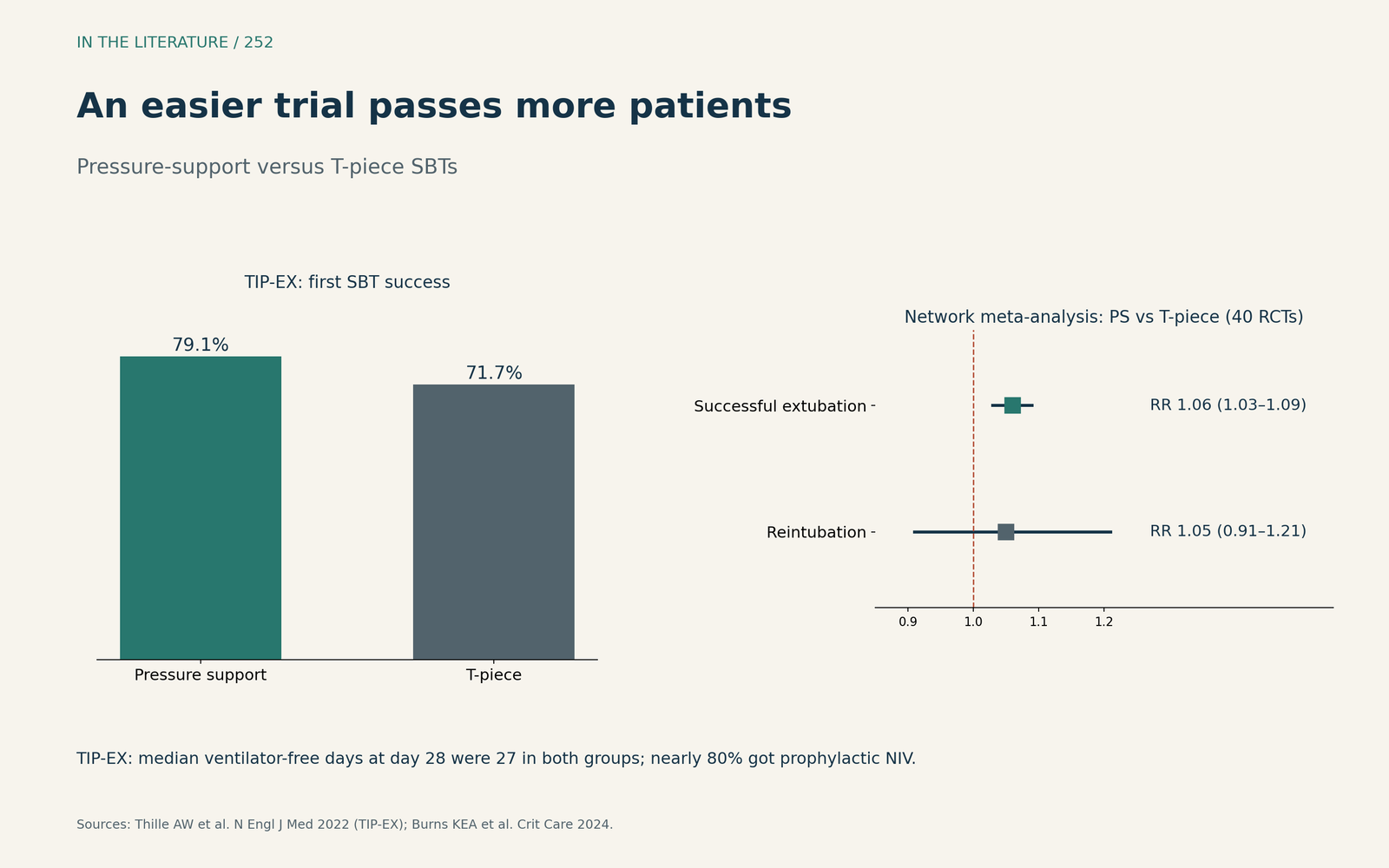
Figure 1. An easier trial passes more patients; reintubation is similar. Data from TIP-EX and the Burns network meta-analysis.[1], [7] View larger.

Passing is not the same as safe extubation
Overall ICU reintubation risk is about 10%, but it may exceed 20% in high-risk patients.[1] Torrini et al. (Crit Care 2021) pooled 26,847 participants and found 26 factors associated with extubation failure despite a passed SBT. The Glasgow Coma Scale before extubation had the strongest independent association, and the authors state that a simple tool for predicting failure is not available.[2] WEAN SAFE (Pham et al., Lancet Respir Med 2023) found that only 65% of patients ventilated for at least 2 days were weaned at 90 days, and more than 30% of successfully weaned patients never had a declared SBT.[4]
Murgolo et al. (Am J Respir Crit Care Med 2025) found that 46 of 238 high-risk patients (19%) needed reintubation within 72 hours after passing. The SBT-induced rise in occlusion pressure was the best predictor (AUC 0.94), but the method relied on one ventilator model that is no longer sold.[3] The RSBI is sensitive (83%) but not specific (58%).[8] An overview of reviews (Grillo-Ardila et al., J Intensive Care 2026) estimated a 6–47% chance that readiness tests falsely signal success and 12–42% that they falsely signal failure.[9]
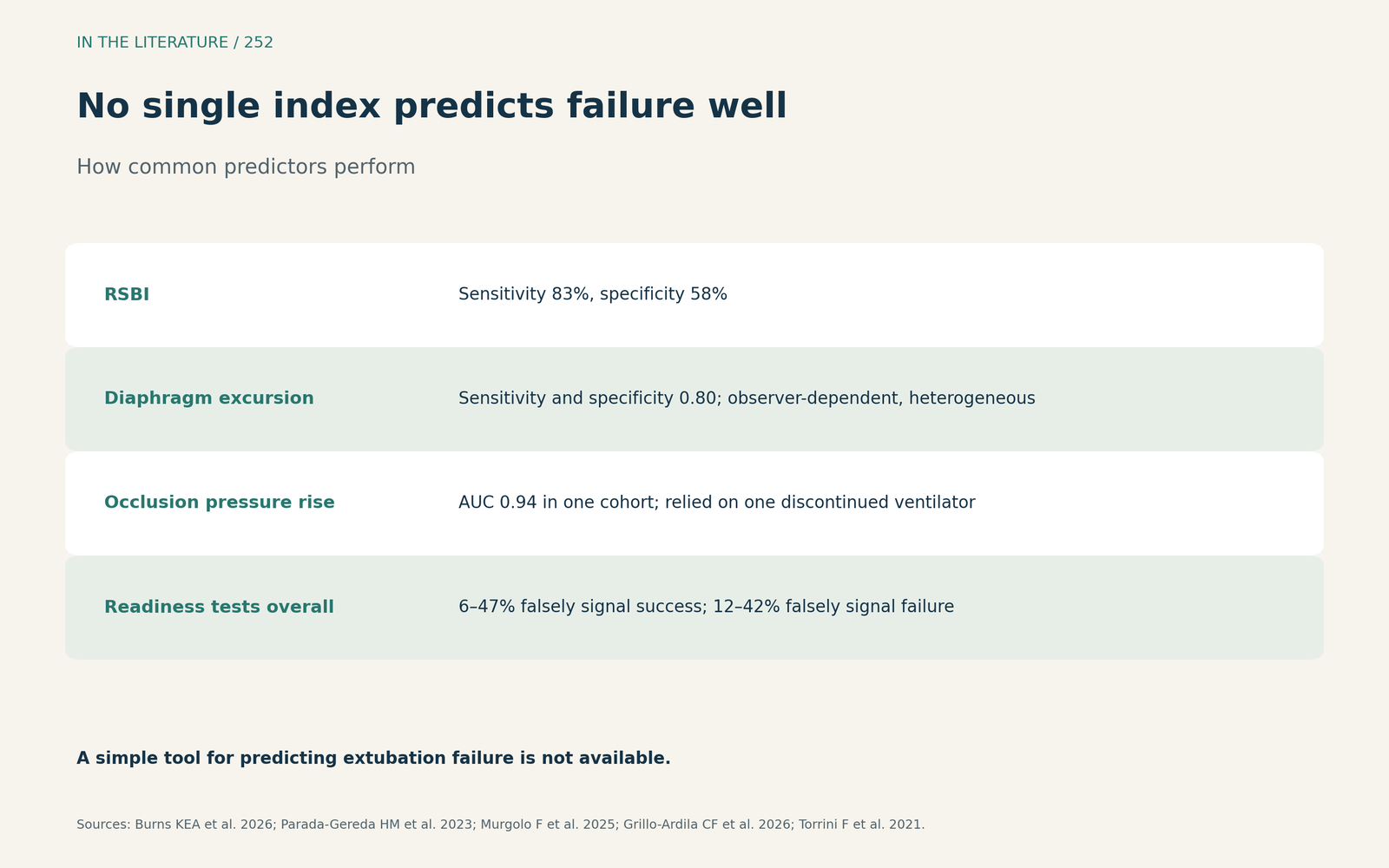
Figure 2. Each predictor misclassifies some patients. Data from Burns et al. 2026, Grillo-Ardila et al., Murgolo et al. and Parada-Gereda et al.[8], [9], [3], [10] View larger.

What to add around a passed trial
Extubation failure is rarely the consequence of a single physiological abnormality.[8] In a meta-analysis of 19 studies with 1204 patients (Parada-Gereda et al., Crit Care 2023), diaphragm excursion measured during the SBT had a sensitivity and specificity of 0.80, but the studies were heterogeneous and the technique is observer-dependent.[10] For patients who pass but are at very high risk, a randomized trial (Hernández et al., Intensive Care Med 2022) found reintubation in 23.3% with NIV versus 38.8% with HFNC, although ICU mortality tended to be higher with NIV.[5] Parasternal intercostal ultrasound (Dres et al., Anesthesiology 2020) did not predict SBT failure better than diaphragm thickening fraction.[11] In difficult weaning, a single-centre trial (Liu et al., Anesthesiology 2020) found that NAVA shortened weaning by 4.4 days versus pressure support.[12]
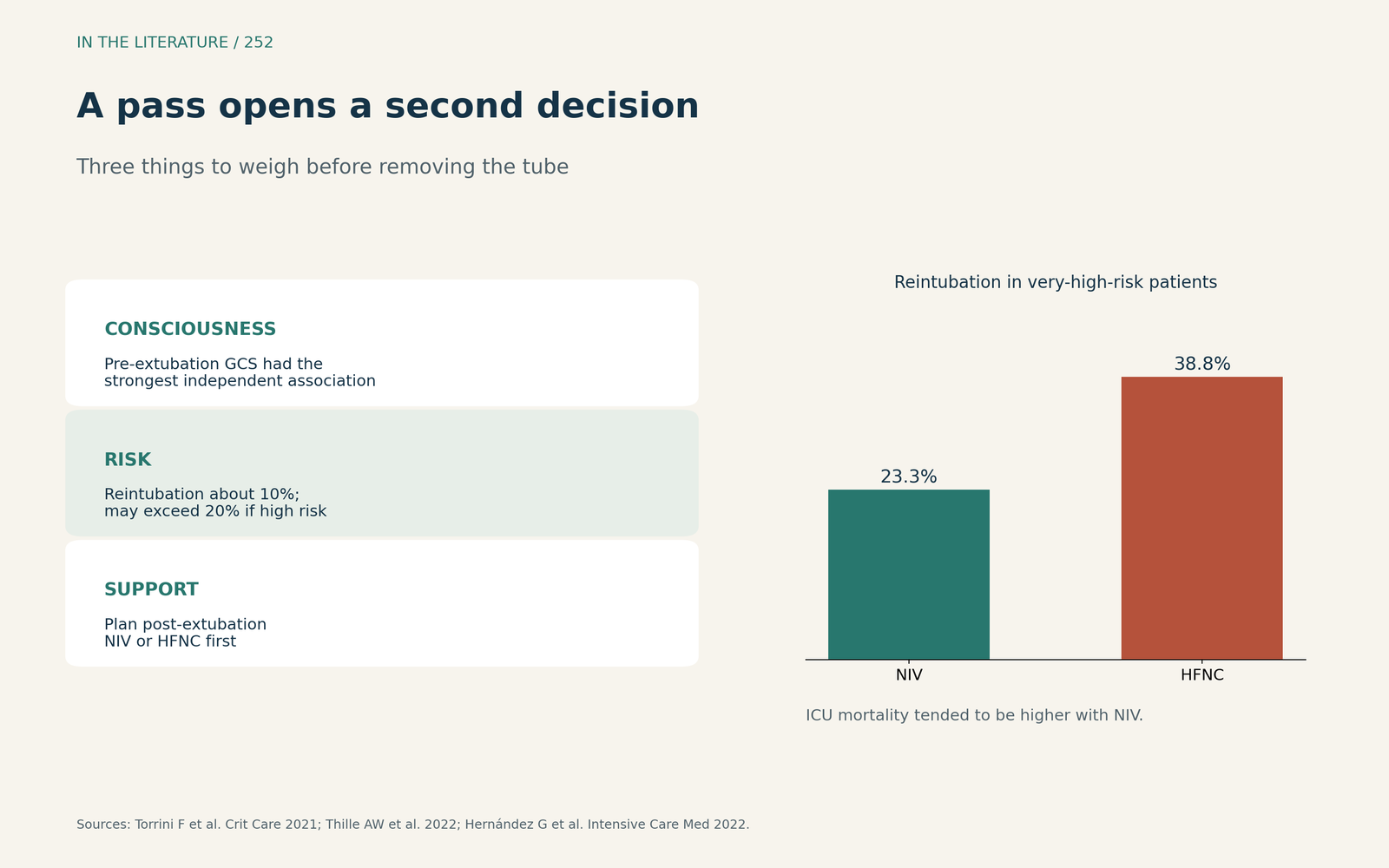
Figure 3. A pass opens a second decision. Data from Torrini et al., Hernández et al. and Parada-Gereda et al.[2], [5], [10] View larger.

Three takeaways
- Treat the SBT as a readiness test: pressure-support trials pass more patients and modestly raise successful extubation, with little difference in reintubation.[1], [7]
- Do not treat a pass as a guarantee: failure still occurs, consciousness matters most, and no simple tool predicts it.[2], [9]
- Decide on post-extubation support before removing the tube; very-high-risk patients had less reintubation with NIV than with HFNC.[5]
References
- Thille AW, Gacouin A, Coudroy R, et al. Spontaneous-breathing trials with pressure-support ventilation or a T-piece. N Engl J Med. 2022;387(20):1843–1854. doi:10.1056/NEJMoa2209041
- Torrini F, Gendreau S, Morel J, et al. Prediction of extubation outcome in critically ill patients: a systematic review and meta-analysis. Crit Care. 2021;25(1):391. doi:10.1186/s13054-021-03802-3
- Murgolo F, Spadaro S, Grieco DL, et al. Assessment of respiratory mechanics and inspiratory effort during spontaneous breathing trials to predict extubation failure in high-risk patients. Am J Respir Crit Care Med. 2025;211(12):2340–2351. doi:10.1164/rccm.202503-0544OC
- Pham T, Heunks L, Bellani G, et al. Weaning from mechanical ventilation in intensive care units across 50 countries (WEAN SAFE): a multicentre, prospective, observational cohort study. Lancet Respir Med. 2023;11(5):465–476. doi:10.1016/S2213-2600(22)00449-0
- Hernández G, Paredes I, Moran F, et al. Effect of postextubation noninvasive ventilation with active humidification vs high-flow nasal cannula on reintubation in patients at very high risk for extubation failure: a randomized trial. Intensive Care Med. 2022;48(12):1751–1759. doi:10.1007/s00134-022-06919-3
- Subirà C, Hernández G, Vázquez A, et al. Effect of pressure support vs T-piece ventilation strategies during spontaneous breathing trials on successful extubation among patients receiving mechanical ventilation: a randomized clinical trial. JAMA. 2019;321(22):2175–2182. doi:10.1001/jama.2019.7234
- Burns KEA, Sadeghirad B, Ghadimi M, et al. Comparative effectiveness of alternative spontaneous breathing trial techniques: a systematic review and network meta-analysis of randomized trials. Crit Care. 2024;28(1):194. doi:10.1186/s13054-024-04958-4
- Burns KEA, Bosma KJ, Ferreyro BL, et al. Liberation from mechanical ventilation in acute hypoxemic respiratory failure or adult respiratory distress syndrome: a review. J Clin Med. 2026;15(15):6019. doi:10.3390/jcm15156019
- Grillo-Ardila CF, Triana-Moreno LC, Laverde-Sabogal CE, et al. Diagnostic accuracy of tests for assessing readiness for liberation from mechanical ventilation in adults: an overview of reviews. J Intensive Care. 2026;14(1):14. doi:10.1186/s40560-026-00848-9
- Parada-Gereda HM, Tibaduiza AL, Rico-Mendoza A, et al. Effectiveness of diaphragmatic ultrasound as a predictor of successful weaning from mechanical ventilation: a systematic review and meta-analysis. Crit Care. 2023;27(1):174. doi:10.1186/s13054-023-04430-9
- Dres M, Dubé BP, Goligher E, et al. Usefulness of parasternal intercostal muscle ultrasound during weaning from mechanical ventilation. Anesthesiology. 2020;132(5):1114–1125. doi:10.1097/ALN.0000000000003191
- Liu L, Xu X, Sun Q, et al. Neurally adjusted ventilatory assist versus pressure support ventilation in difficult weaning: a randomized trial. Anesthesiology. 2020;132(6):1482–1493. doi:10.1097/ALN.0000000000003207