
ITL-c3e4a7ff48ff
Juan Li, MD · Updated November 18, 2026

Key points
- Common. Pooled limb ischemia incidence on VA ECMO was 16.9%.[1]
- Size matters. Cannula-to-vessel size mismatch is a fundamental determinant, and unsuccessful percutaneous cannulation predicted ischemia (OR 3.72).[1]
- Check often. Pulse checks, with Doppler if nonpulsatile, should occur at least every 4 hours; a Doppler pressure below 50 mmHg is concerning.[2]
- NIRS helps but is not standardized. A fall of 25% or more from baseline may indicate evolving ischemia, but validated universal cut-offs are unavailable.[3]
- Catheters reduce but do not abolish risk. With routine distal perfusion catheters, 6.4% still developed limb ischemia.[4]
A patient on femoral VA ECMO after cardiac arrest has a cool, mottled foot on the cannulated side. Was this preventable, and how fast must you act?[1], [2]
Who is at risk
Guo et al. (Nurs Crit Care 2026) pooled 2812 VA ECMO patients with 507 limb ischemia events: incidence was 16.9%. Unsuccessful percutaneous cannulation predicted ischemia (OR 3.72), cannula-to-vessel size mismatch was judged a fundamental determinant, and the association with peripheral artery disease was not robust in sensitivity analyses. Ischemia lasting more than 6 h may cause irreversible tissue injury.[1] Karan et al. (World J Crit Care Med 2026) report lower 4-year survival after acute limb ischemia (46.8% vs 65.1%).[3]
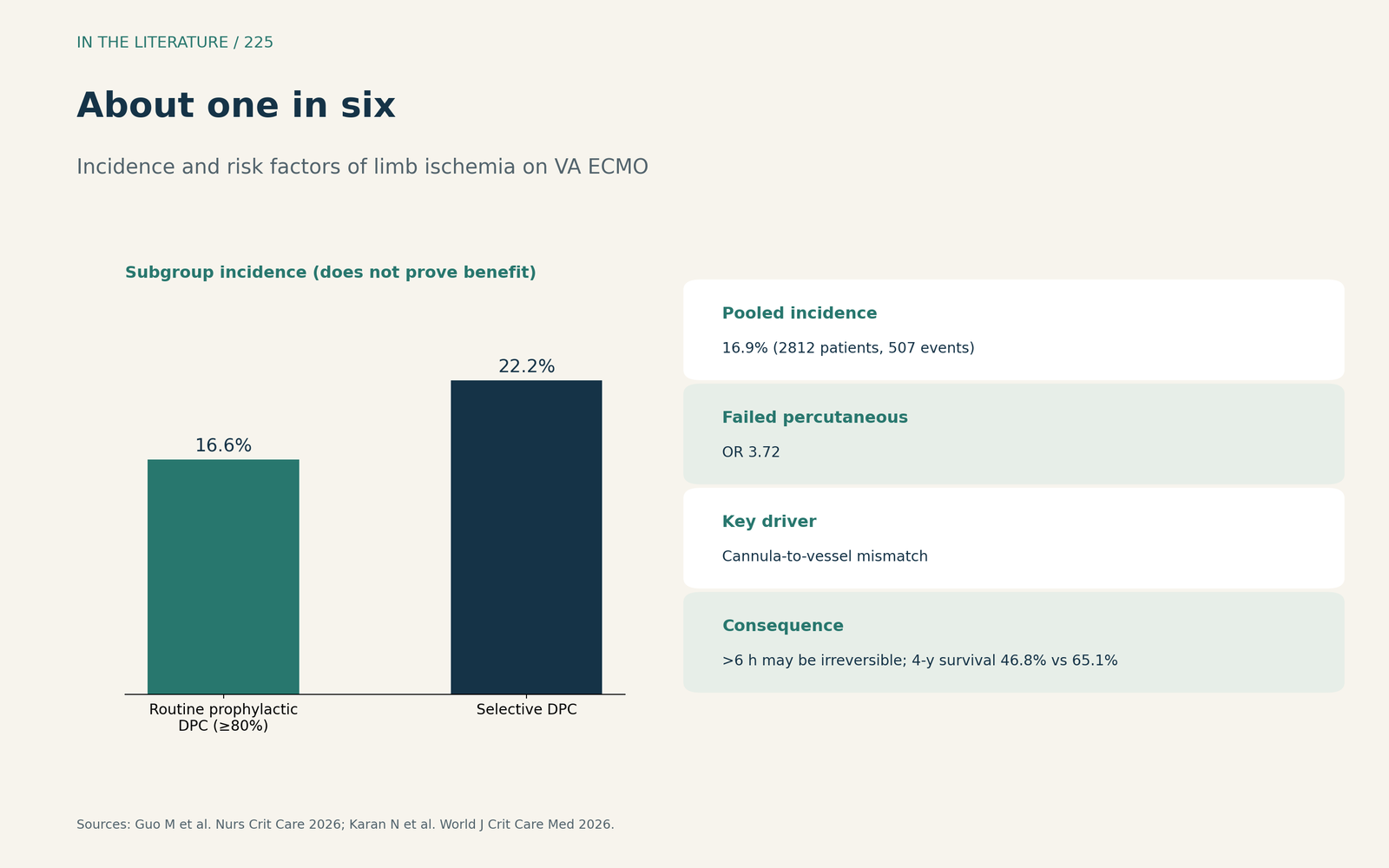
Figure 1. About one in six. Redrawn from Guo et al. and Karan et al.[1], [3] View larger.

Prevention
In Guo et al., incidence was 16.6% in studies where a distal perfusion catheter was placed prophylactically in at least 80% of patients, vs 22.2% with selective use, although this subgroup comparison does not prove benefit.[1] Karan et al. recommend a short 6–8 Fr reinforced catheter for distal perfusion.[3] In a surgical cohort with routine catheters, Dragulescu et al. (J Cardiothorac Vasc Anesth 2023) still found ischemia in 6.4%; female sex was associated with it (OR 4.38), and 7 of the ischemic patients (58.3%) needed Fogarty thrombectomy.[4] Adding an Impella to VA ECMO increases ischemia risk.[5]
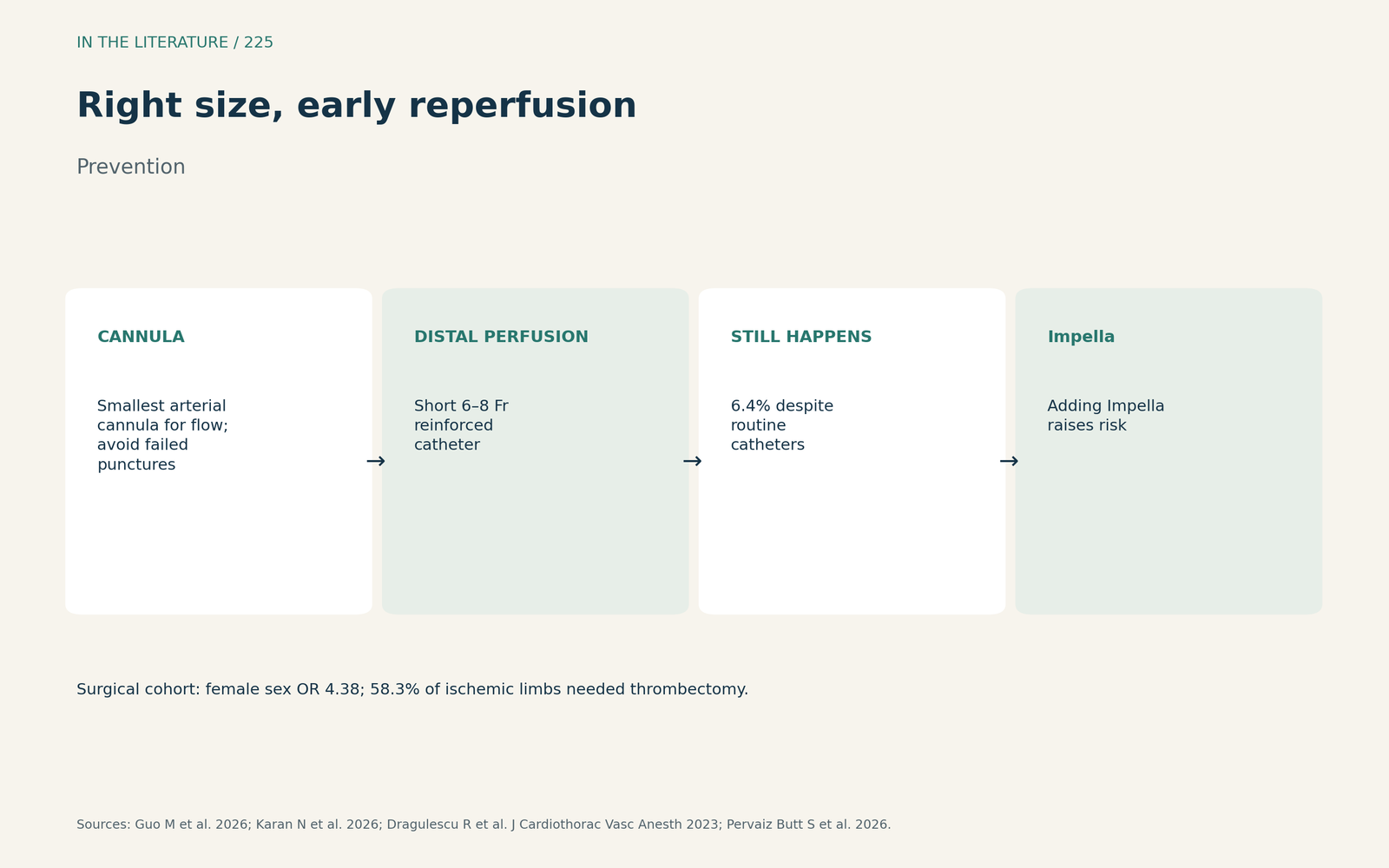
Figure 2. Right size, early reperfusion. Synthesized from Guo et al., Karan et al., Dragulescu et al. and Pervaiz Butt et al.[1], [3], [4], [5] View larger.

Recognition
Chanan et al. (J Cardiothorac Vasc Anesth 2020) recommend pulse checks, with Doppler if nonpulsatile, at least every 4 hours, and consider a Doppler perfusion pressure below 50 mmHg concerning. NIRS use is not standardized; some use tissue saturation below 40% or a 25% fall from baseline as intervention criteria.[2] Karan et al. add that an inter-limb rSO2 difference above 15% suggests cannula obstruction, while validated universal cut-offs are unavailable; compartment pressure above 30 mmHg necessitates emergent fasciotomy.[3] Compartment syndrome can occur despite palpable distal pulses.[6]
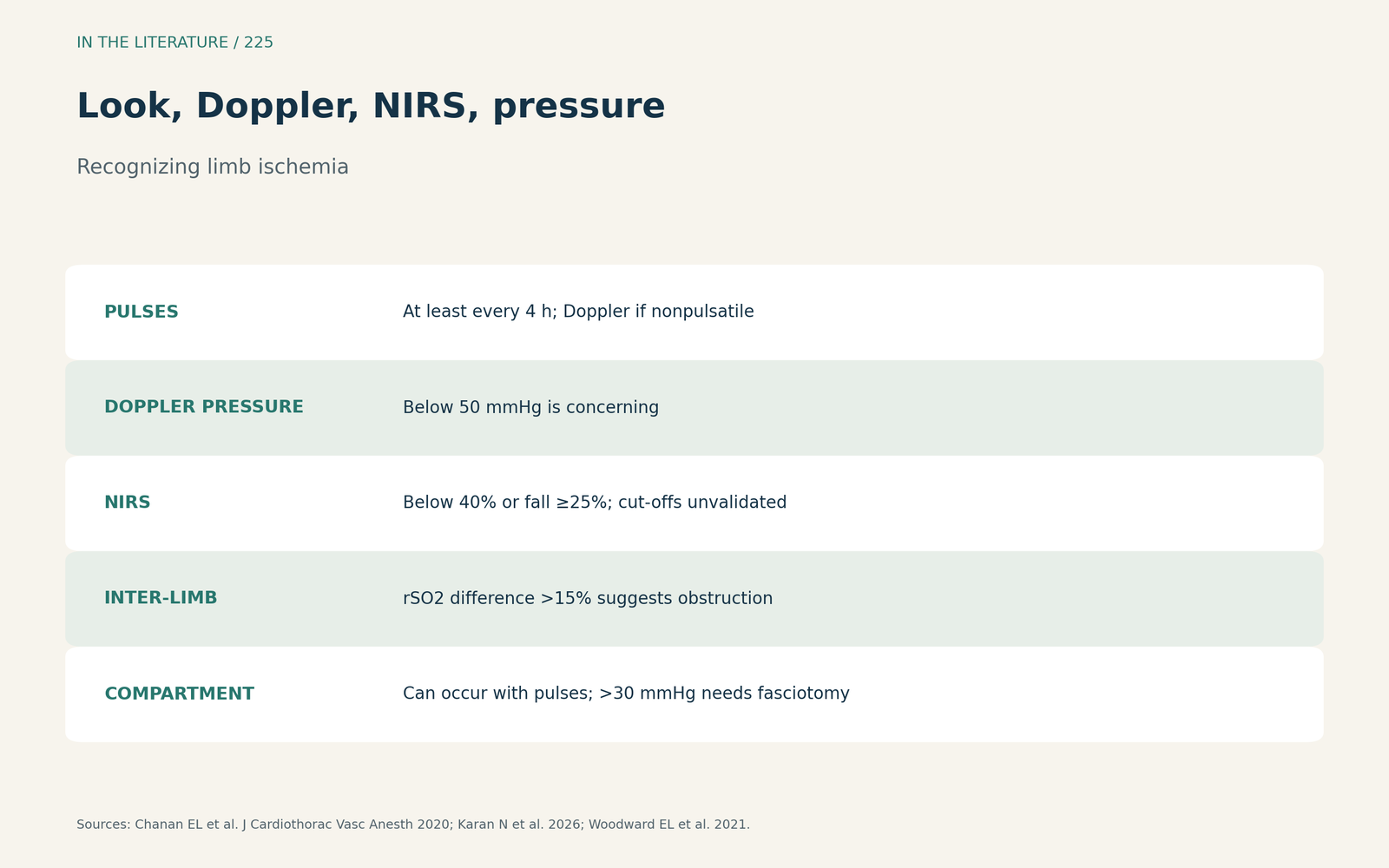
Figure 3. Look, Doppler, NIRS, pressure. Synthesized from Chanan et al., Karan et al. and Woodward et al.[2], [3], [6] View larger.

Three takeaways
- Choose the smallest arterial cannula that meets flow goals and avoid repeated failed punctures.[1]
- Place a distal perfusion catheter early, but keep checking: it reduces, not abolishes, ischemia.[3], [4]
- Check pulses and Doppler at least every 4 hours, trend NIRS, and do not let palpable pulses exclude compartment syndrome.[2], [6]
References
- Guo M, Ji M, Qu J, et al. Incidence and risk factors of limb ischaemia in adult patients receiving veno-arterial extracorporeal membrane oxygenation: a systematic review and meta-analysis. Nurs Crit Care. 2026;31(2):e70365. doi:10.1111/nicc.70365
- Chanan EL, Bingham N, Smith DE, et al. Early detection, prevention, and management of acute limb ischemia in adults supported with venoarterial extracorporeal membrane oxygenation. J Cardiothorac Vasc Anesth. 2020;34(11):3125–3132. doi:10.1053/j.jvca.2020.02.020
- Karan N, Patnaik R, Pattanaik SS, et al. Mitigating limb ischemia in veno-arterial extracorporeal membrane oxygenation: a narrative review of evolving role of distal perfusion catheters. World J Crit Care Med. 2026;15(3):120664. doi:10.5492/wjccm.120664
- Dragulescu R, Armoiry X, Jacquet-Lagrèze M, et al. Lower limb ischemia in surgical femoral veno-arterial extracorporeal membrane oxygenation. J Cardiothorac Vasc Anesth. 2023;37(11):2272–2279. doi:10.1053/j.jvca.2023.07.025
- Pervaiz Butt S, Abdulaziz S, Razzaq N, et al. Toward standardized guidelines for distal perfusion cannulae in V-A ECMO and ECPELLA: timing, sizing, monitoring, and management. J Extra Corpor Technol. 2026;58(2):202–204. doi:10.1051/ject/2025065
- Woodward EL, Shen T, Ramsay JG. Suspected lower extremity ischemia after end-to-side femoral arterial grafting for VA-ECMO. J Cardiothorac Vasc Anesth. 2021;35(6):1824–1829. doi:10.1053/j.jvca.2020.07.075