
ITL-62cc8f39530a
Juan Li, MD · Updated November 18, 2026
Key points
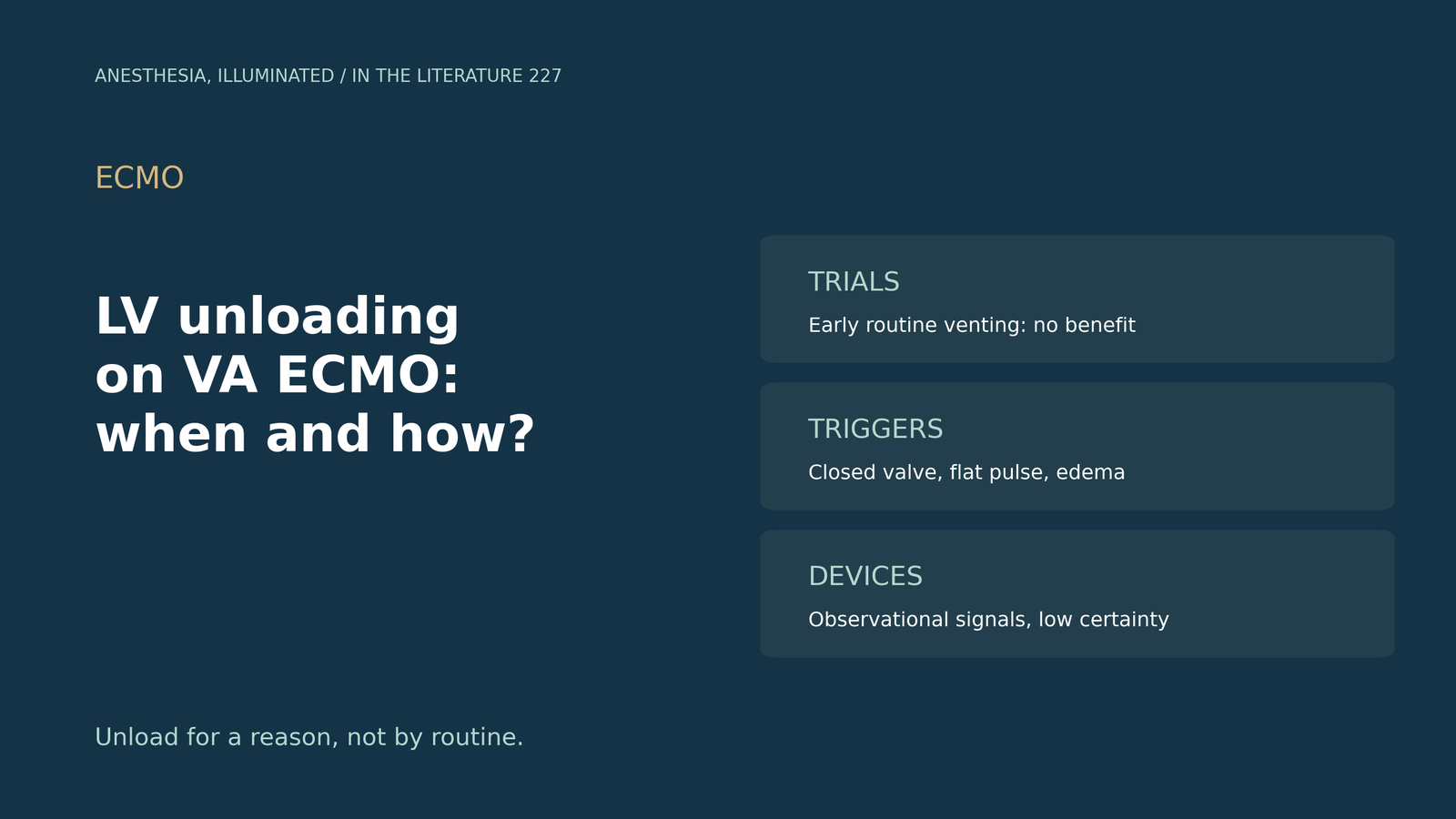
- Timing is unsettled. The optimal timing of LV unloading during VA ECMO is still an open question.[1]
- Early routine unloading has not helped in trials. In EARLY-UNLOAD, unloading within 12 hours did not reduce 30-day mortality (46.6% vs 44.8%), and in EVOLVE-ECMO early venting did not improve weaning.[1], [2]
- Watch for overload. A pulse pressure below 10 mmHg, a closed aortic valve and pulmonary edema suggest the LV needs unloading.[1], [3]
- Devices differ. IABP and percutaneous LVAD were associated with lower mortality than no unloading, but only in observational data with low certainty.[4]
- Mechanism matters. A left atrial drain returned to the circuit reduces preload but not LV afterload.[3]
On day 1 of VA ECMO for cardiogenic shock, the arterial line is almost flat and the chest film shows new pulmonary edema. Is it time to unload the ventricle, and with which device?[1], [3]
When to unload
Lim et al. (Acute Crit Care 2024) describe the optimal timing as an open question; in the EARLY-UNLOAD trial, routine transseptal unloading within 12 hours did not reduce 30-day mortality (46.6% vs 44.8%; HR 1.02), and evidence is insufficient to recommend early or prophylactic unloading uniformly.[1] EVOLVE-ECMO (Park et al., Eur J Heart Fail 2023) tested early percutaneous transseptal left atrial venting: weaning was not improved (70.0% vs 76.7%), although 96.7% of patients had pulmonary congestion at randomization.[2] Picado-Loaiza et al. (J Cardiothorac Vasc Anesth 2025), defining early as within 12 hours, pooled patients of whom 936 (60%) had early unloading; it was not associated with lower in-hospital mortality (RR 0.95).[5] Peng et al. (BMC Cardiovasc Disord 2025) pooled 2,117 patients, mostly from cohorts: 30-day mortality did not differ significantly (39.2% vs 54.1%; RR 0.75), and a 36% renal benefit appeared only in cohort studies.[6]
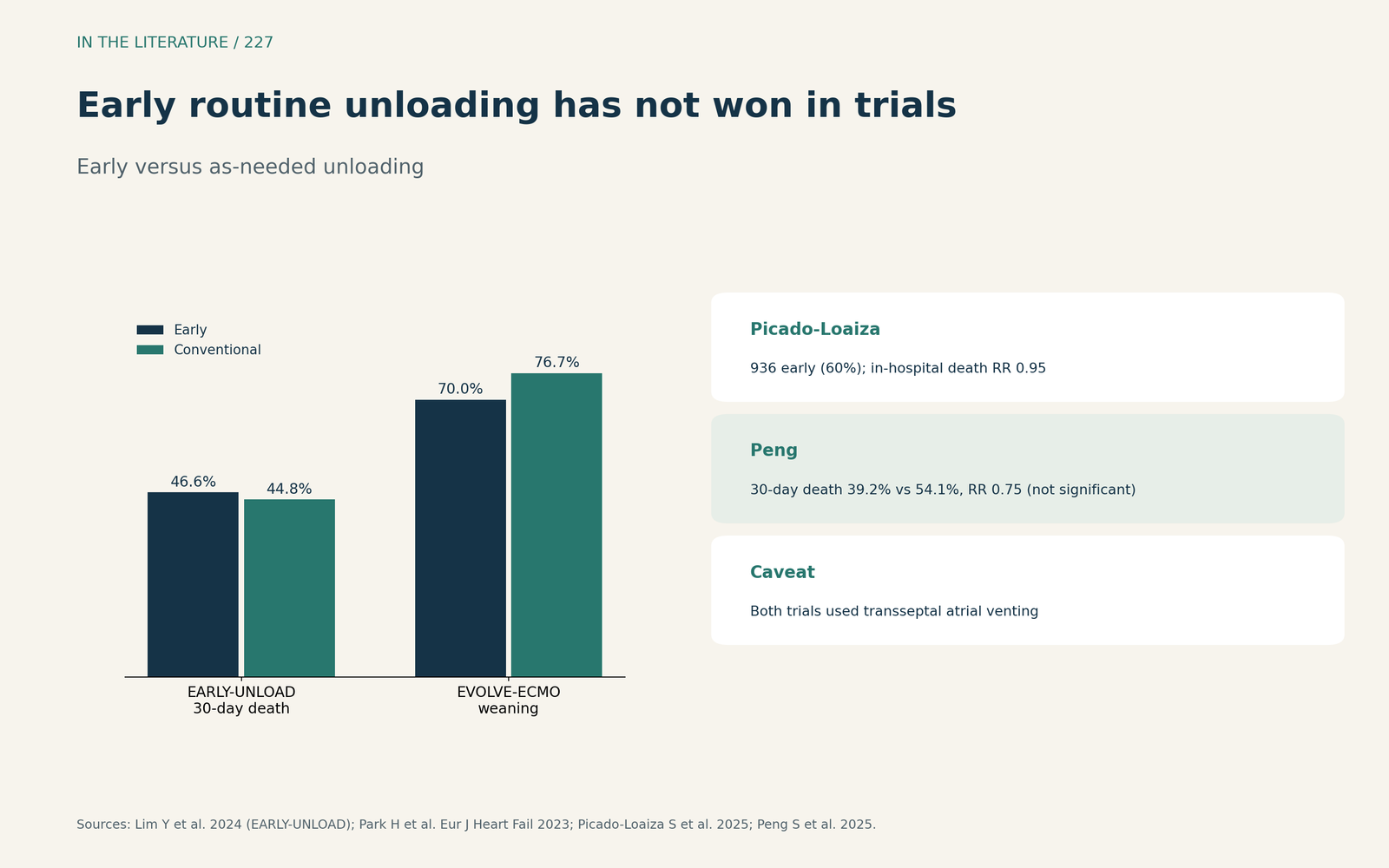
Figure 1. Early routine unloading has not won in trials. Redrawn from Lim et al., Park et al., Picado-Loaiza et al. and Peng et al.[1], [2], [5], [6] View larger.

Triggers for unloading
A pulse pressure below 10 mmHg early in VA ECMO suggests LV overload, and some centres use a PCWP above 15 mmHg as an indication.[1] Cevasco et al. (J Thorac Dis 2019) list a closed aortic valve throughout the cardiac cycle and persistent pulmonary edema among distension signs.[3] Desai and Hwang (J Cardiothorac Vasc Anesth 2020) stress that early restoration of ventricular ejection helps prevent intracardiac thrombosis and distension.[7]
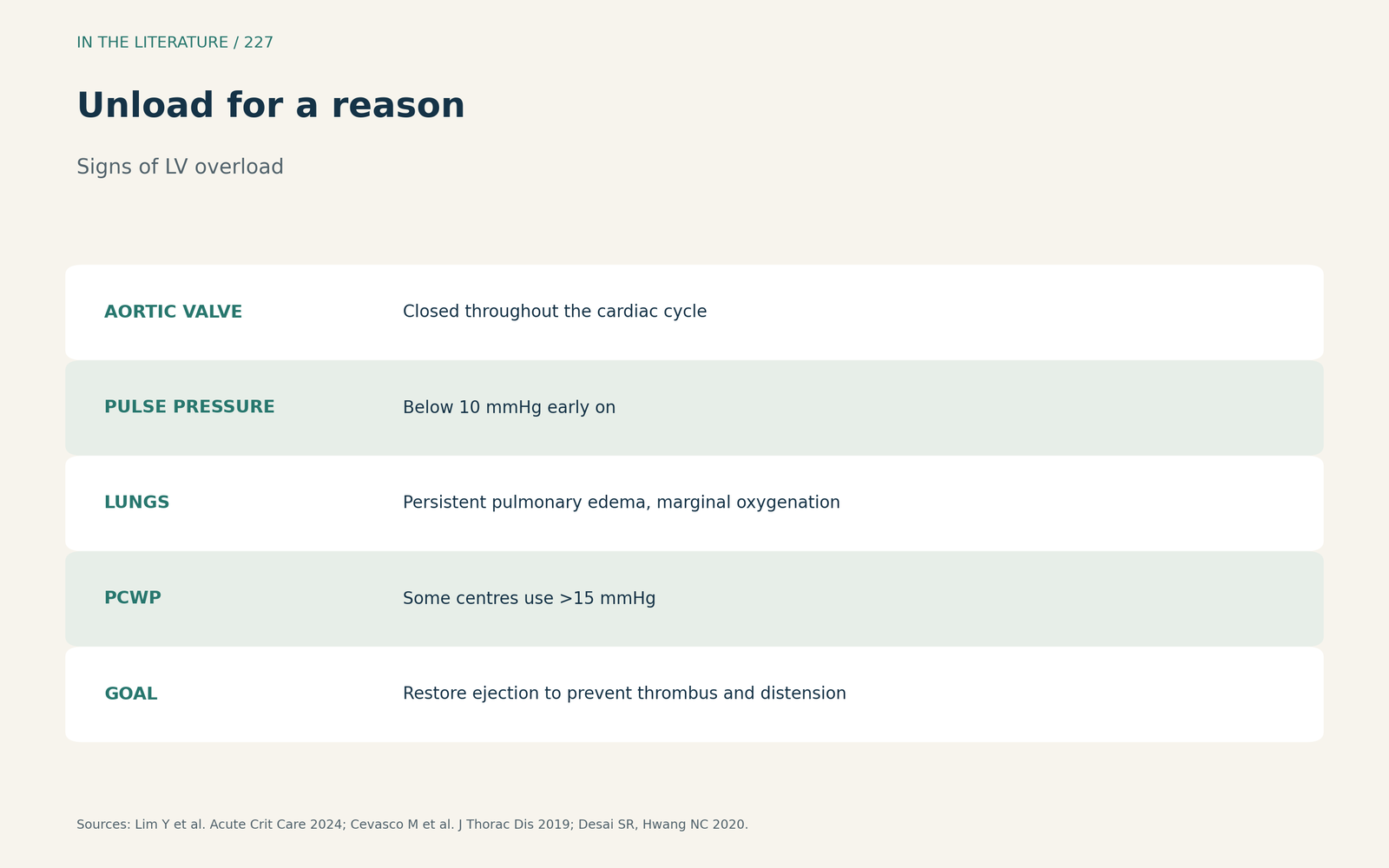
Figure 2. Unload for a reason. Synthesized from Lim et al., Cevasco et al. and Desai and Hwang.[1], [3], [7] View larger.

Which device
Zhang et al. (IJC Heart Vasc 2024) included 34,235 patients from 45 observational studies with pooled mortality of 58 percent; IABP (OR 0.77) and percutaneous LVAD (OR 0.81) were associated with lower mortality than no unloading, but the level of evidence was low.[4] Compared with IABP, unloading with Impella did not show a mortality benefit.[1] A left atrial drain returned to the circuit reduces preload but not LV afterload and may increase it; one centre runs Impella at 1.5 to 2 L/min to vent the heart.[3]
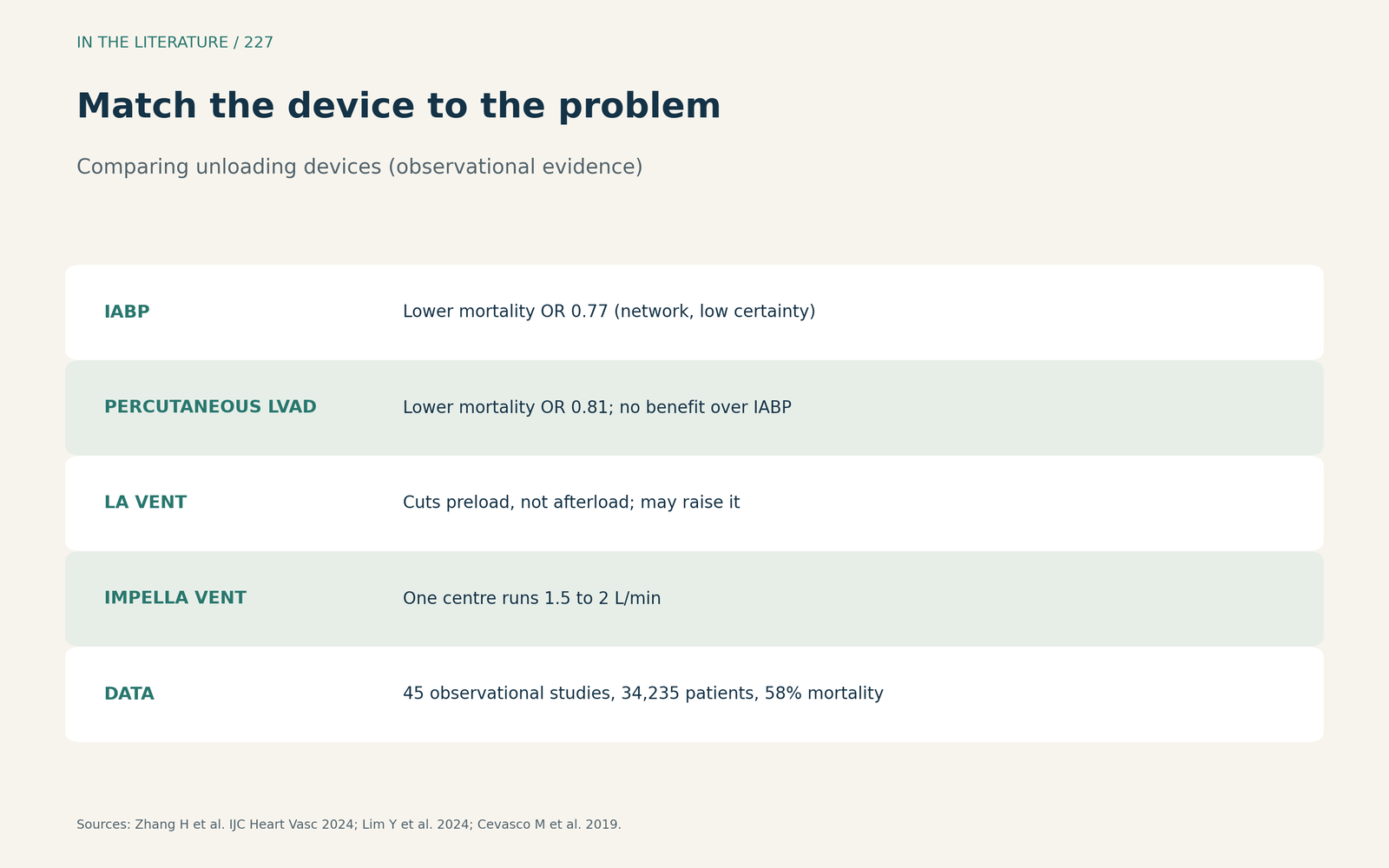
Figure 3. Match the device to the problem. Synthesized from Zhang et al., Lim et al. and Cevasco et al.[4], [1], [3] View larger.

Three takeaways
- Do not unload routinely; trials of early venting showed no survival or weaning benefit.[1], [2]
- Unload when the aortic valve stays shut, pulse pressure collapses or pulmonary edema develops.[1], [3]
- Choose the device by mechanism and risk; observational data favor unloading, but certainty is low.[3], [4]
References
- Lim Y, Kim MC, Jeong IS, et al. Left ventricle unloading during veno-arterial extracorporeal membrane oxygenation: review with updated evidence. Acute Crit Care. 2024;39(4):473–487. doi:10.4266/acc.2024.00801
- Park H, Yang JH, Ahn JM, et al. Early left atrial venting versus conventional treatment for left ventricular decompression during venoarterial extracorporeal membrane oxygenation support: the EVOLVE-ECMO randomized clinical trial. Eur J Heart Fail. 2023;25(11):2037–2046. doi:10.1002/ejhf.3014
- Cevasco M, Takayama H, Ando M, et al. Left ventricular distension and venting strategies for patients on venoarterial extracorporeal membrane oxygenation. J Thorac Dis. 2019;11(4):1676–1683. doi:10.21037/jtd.2019.03.29
- Zhang H, Wang T, Wang J, et al. Different strategies in left ventricle unloading during venoarterial extracorporeal membrane oxygenation: a network meta-analysis. Int J Cardiol Heart Vasc. 2024;54:101506. doi:10.1016/j.ijcha.2024.101506
- Picado-Loaiza S, Ayala R, Ferreira ROM, et al. Early versus bail-out left ventricular unloading during venoarterial extracorporeal membrane oxygenation: a systematic review and meta-analysis. J Cardiothorac Vasc Anesth. 2025;39(4):1015–1025. doi:10.1053/j.jvca.2025.01.005
- Peng S, Li Z, Wang S, et al. Impact of left ventricular unloading timing on clinical outcomes in venoarterial extracorporeal membrane oxygenation: an updated systematic review and meta-analysis. BMC Cardiovasc Disord. 2025;25(1):759. doi:10.1186/s12872-025-05151-3
- Desai SR, Hwang NC. Strategies for left ventricular decompression during venoarterial extracorporeal membrane oxygenation—a narrative review. J Cardiothorac Vasc Anesth. 2020;34(1):208–218. doi:10.1053/j.jvca.2019.08.024