ITL-5e6ffe6a9938
Juan Li, MD · Updated November 17, 2026
Watch the video
Key points
- Think of the device. Phrenic nerve and diaphragm irritation should be considered as a cause of intractable hiccups, and the left phrenic nerve is particularly susceptible.[1]
- A temporary block can work. In one LVAD patient, a left phrenic block gave near-complete relief within about 5 minutes that lasted 3 weeks, but a repeat block lasted only about 3 days.[1]
- A catheter can extend relief. After a single-shot block wore off within 18 hours, an indwelling phrenic catheter gave 90% improvement without respiratory compromise.[2]
- Permanent options disappoint. Phrenic resection stopped hiccups for only 2 days, and an accessory phrenic nerve may explain failures.[3]
- The diaphragm has a cost. Phrenic injury and diaphragm dysfunction occur in 7.6% to 38% after LVAD or transplant.[4]
A patient with a left ventricular assist device has had hiccups for months that disturb sleep and eating, and CT shows the pump pressing on the left hemidiaphragm. What can the pain or anesthesia team offer?[1]
Recognizing a mechanical cause
Patoli and colleagues describe intractable hiccups in an LVAD patient whose displaced pump indented the left hemidiaphragm; they advise considering phrenic nerve and diaphragm irritation as a cause of intractable hiccups, noting that the left phrenic nerve is particularly susceptible, and they avoided permanent phrenic procedures.[1] Hiccups are classified as persistent from 48 hours to 1 month and intractable beyond that.[3]
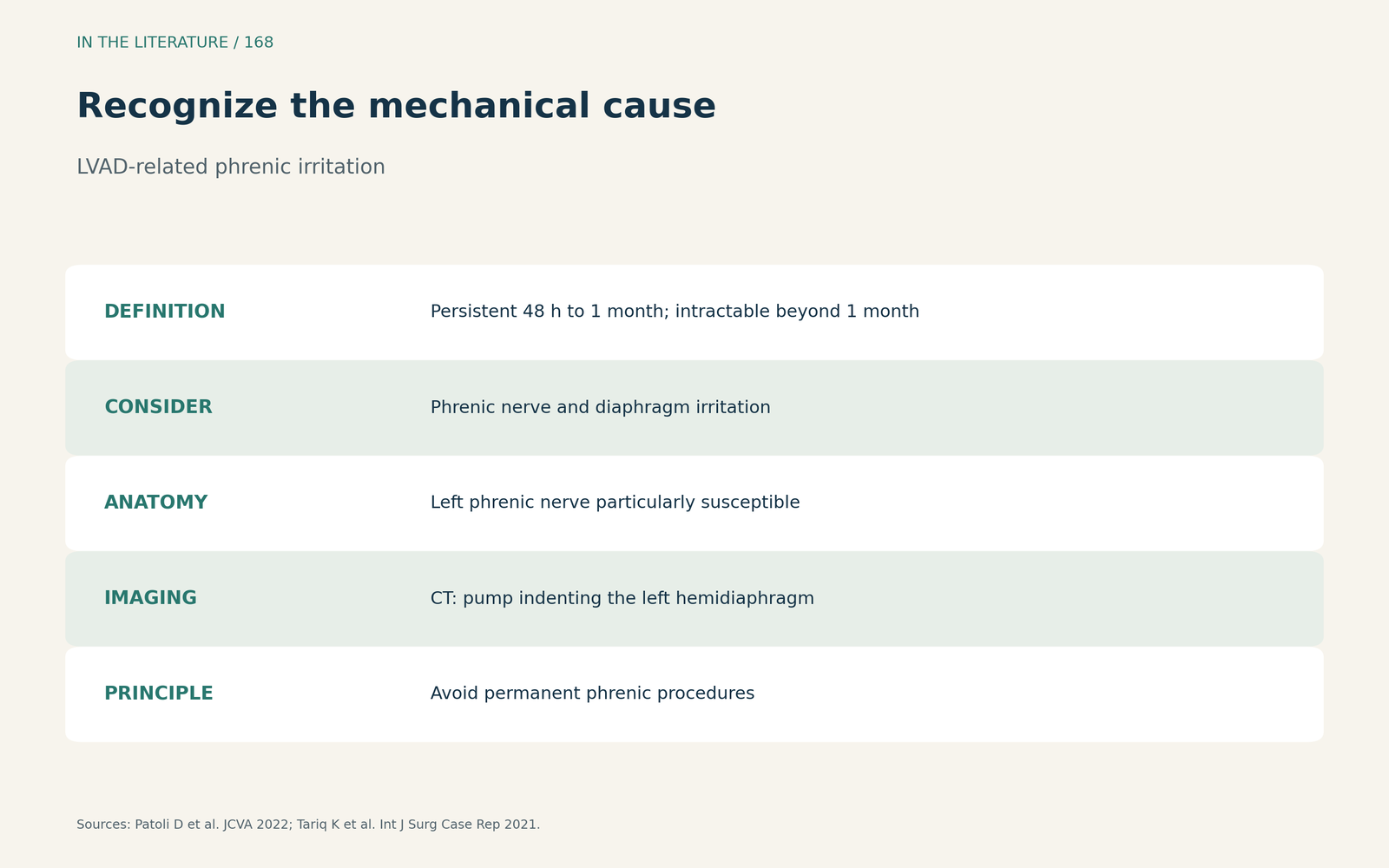
Figure 1. Recognize the mechanical cause. Synthesized from Patoli et al. and Tariq et al.[1], [3] View larger.

Phrenic nerve block and catheter
In Patoli's case, an ultrasound-guided left phrenic block with 8 mL of plain 0.25% bupivacaine (20 mg) gave near 100% resolution about 5 minutes after the block; the patient was asymptomatic for 3 weeks, and a repeat block gave relief for only about 3 days.[1] Rafizadeh and colleagues, in a non-LVAD patient whose hiccups threatened wound dehiscence, saw relief from a single-shot block wear off within 18 hours; an indwelling phrenic catheter then gave 90% improvement, with no respiratory compromise, and was removed on day 17. They note that hiccups are usually unilateral, that case reports show mixed efficacy, and that contraindications include active bleeding with anticoagulation and local anesthetic allergy.[2]
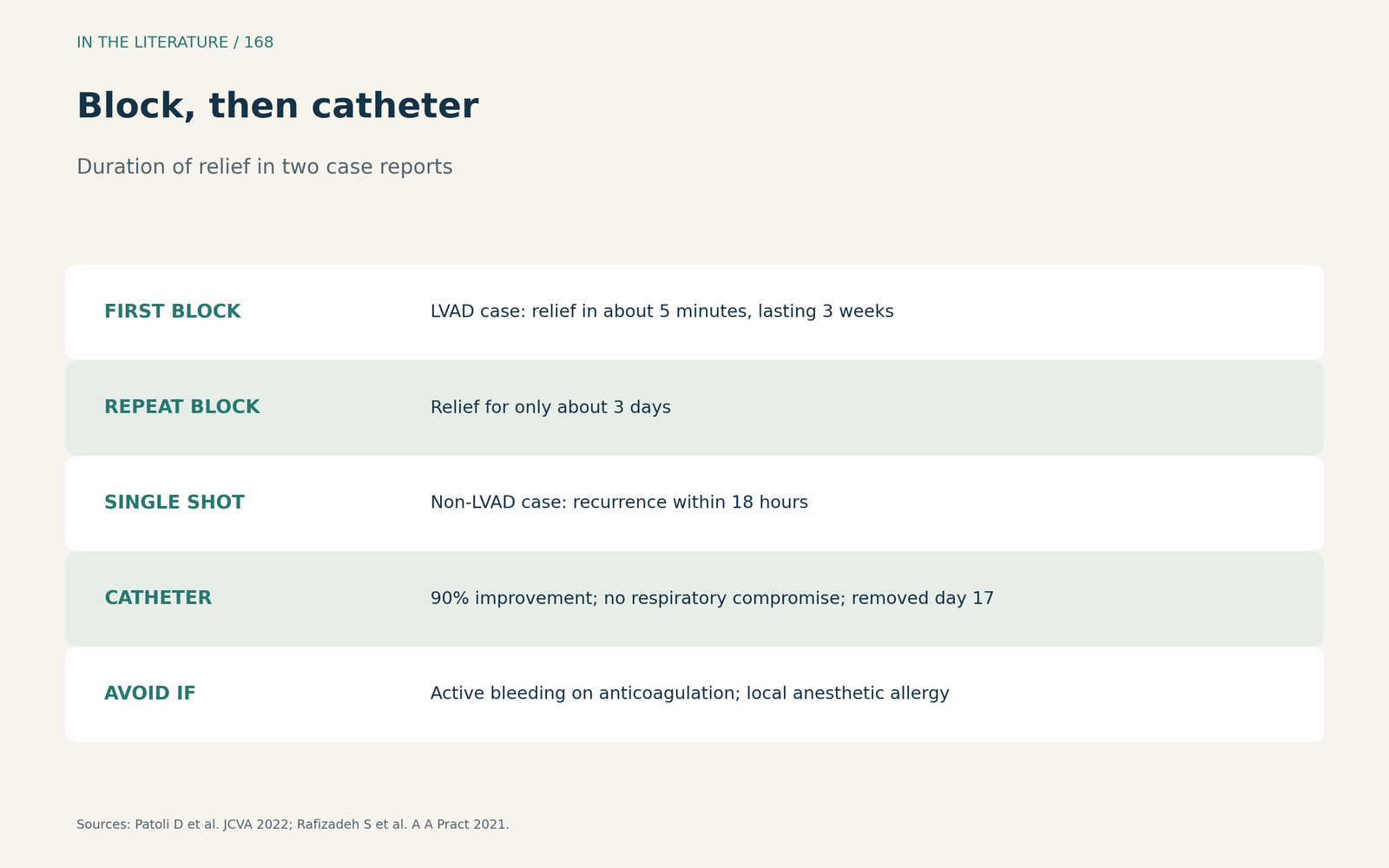
Figure 2. Block, then catheter. Redrawn from Patoli et al. and Rafizadeh et al.[1], [2] View larger.

Other options and their limits
Tariq and colleagues describe a patient whose left phrenic block gave relief for half a day and whose phrenic resection cured the hiccups for only 2 days; phrenic procedures may fail because of an accessory phrenic nerve, and vagus nerve stimulation is not approved for hiccups.[3] Boutros and colleagues report phrenic injury and diaphragm dysfunction in 7.6% to 38% after LVAD or transplant, describe a left diaphragm completely denervated after a previous LVAD, and note that unilateral dysfunction is almost always associated with sleep-disordered breathing; their pacing series was uncontrolled.[4]
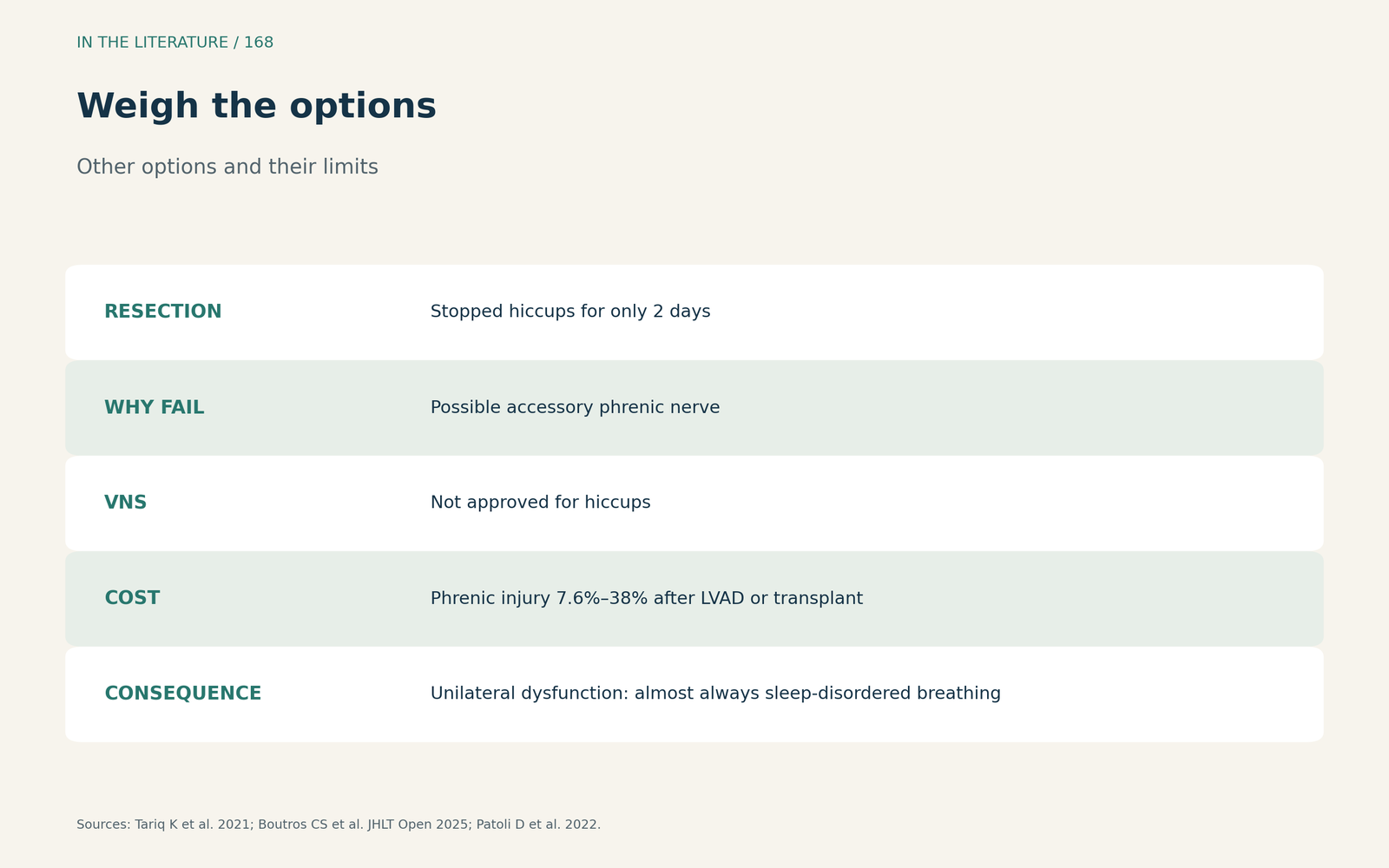
Figure 3. Weigh the options. Synthesized from Tariq et al., Boutros et al. and Patoli et al.[3], [4], [1] View larger.

Three takeaways
- Look at the pump. Device position can explain intractable hiccups.[1]
- Start temporary. A phrenic block, and if needed a catheter, in patients with adequate respiratory reserve and coagulation.[1], [2]
- Avoid permanent phrenic damage. Resection disappoints, and diaphragm dysfunction has real costs.[3], [4]
References
- Patoli D, Chan RCK, Tung A, Rana M. Successful left phrenic nerve block for intractable hiccups in a patient with LVAD-induced diaphragmatic irritation. J Cardiothorac Vasc Anesth. 2022;36(8):2544–2547. doi:10.1053/j.jvca.2021.07.044
- Rafizadeh S, Schenk A, Champion E, Julka I. Regional anesthesia to the rescue: phrenic nerve block to prevent wound dehiscence from intractable hiccups—a case report. A A Pract. 2021;15(5):e01452. doi:10.1213/XAA.0000000000001452
- Tariq K, Das JM, Monaghan S, et al. A case report of vagus nerve stimulation for intractable hiccups. Int J Surg Case Rep. 2021;78:219–222. doi:10.1016/j.ijscr.2020.12.023
- Boutros CS, Elmo M, Carl N, et al. Diaphragm dysfunction from phrenic nerve injuries during LVAD or heart transplant: positive role of diaphragm pacing. JHLT Open. 2025;9:100281. doi:10.1016/j.jhlto.2025.100281