ITL-7ed1fe986e31
Juan Li, MD · Updated November 18, 2026
Watch the video
Key points
- Reoperation and bypass time matter most. In 116 implants, redo sternotomy (OR 2.28) and each additional hour of bypass (OR 1.26) predicted red cell transfusion.[1]
- Blood group is not a clear factor. Blood type O had an OR of 1.33, which was not significant after correction for multiple comparisons.[1]
- The patient's condition adds risk. MELD score, critical cardiogenic shock, acquired von Willebrand syndrome and preoperative anticoagulants are linked to bleeding and transfusion.[2]
- Transfusion carries its own cost. Guidelines urge minimizing transfusion, advise protocol-directed use and suggest a threshold of at least 8 g/dL early after implantation.[2]
- Technique may help. Less-invasive implantation did not increase transfusion despite longer surgery, and some studies found lower red cell and plasma use.[2], [3]
A patient with a previous sternotomy, mild liver congestion and recent antiplatelet therapy is scheduled for a durable LVAD. Which factors will drive transfusion, and what can the team do about them?[1], [2]
Patient and operative predictors
Sun and colleagues reviewed 116 LVAD implants from 2015 to 2018, in a centre where transfusion was not protocol-driven. Redo sternotomy strongly predicted red cell transfusion (OR 2.28), and each additional hour of bypass raised it (OR 1.26). Blood type O had an OR of 1.33, which was not significant after correction for multiple comparisons, and device type and settings were unmeasured confounders.[1] The ISHLT guideline adds that the MELD score independently predicts perioperative transfusion, that acquired von Willebrand syndrome develops immediately after LVAD surgery, that poor nutrition and preoperative anticoagulant use add to bleeding, and that critical cardiogenic shock is associated with higher morbidity and transfusion needs.[2]
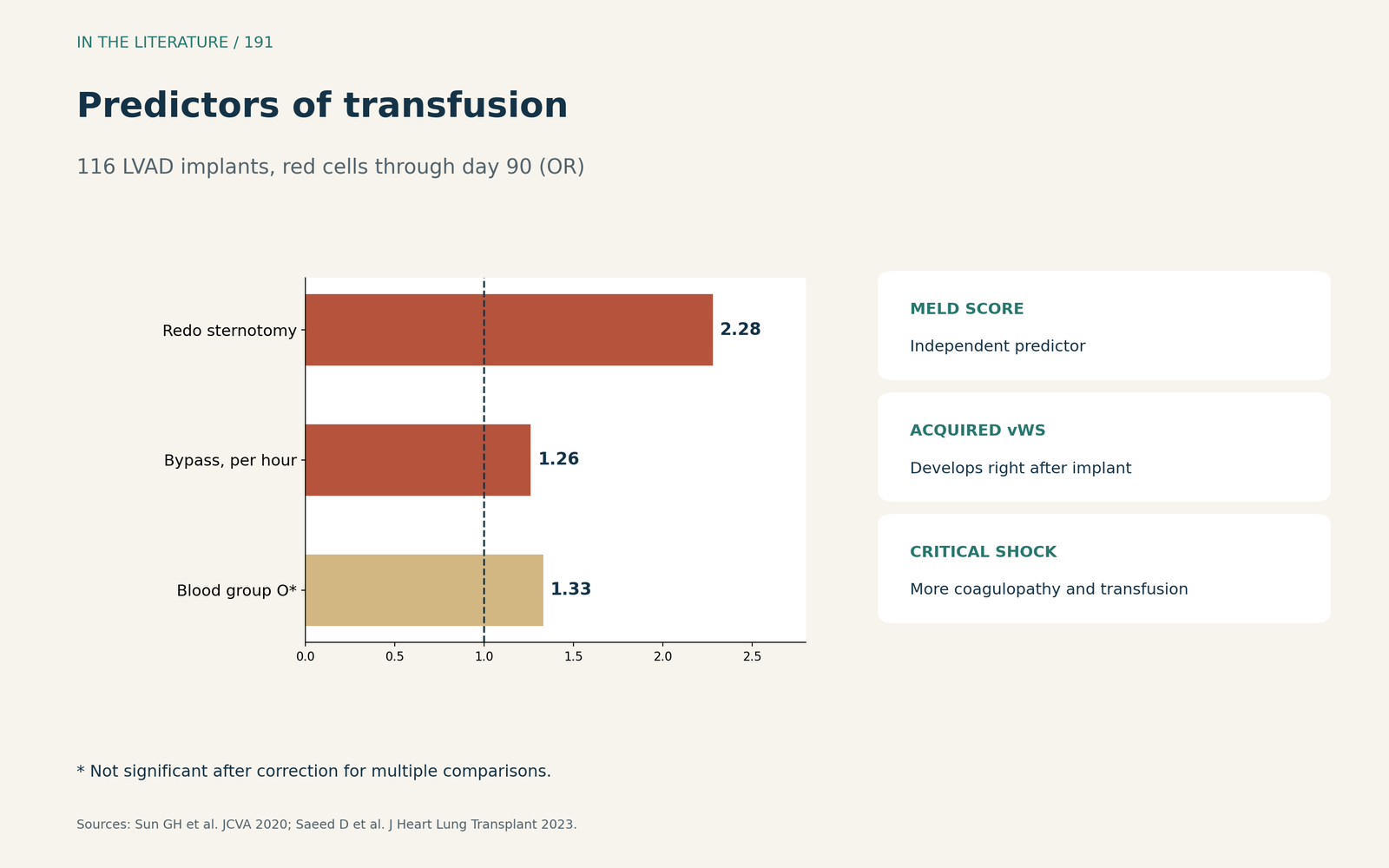
Figure 1. Reoperation, bypass time and a sick liver. Redrawn from Sun et al. and Saeed et al.[1], [2] View larger.

Limiting transfusion
The ISHLT guideline urges efforts to minimize bleeding and transfusion, partly because of allosensitization in transplant candidates. It suggests removing 1 to 2 units of whole blood before heparin when possible, recommends protocol-directed transfusion to correct coagulation anomalies (Class I, Level C), considers a minimum threshold of 8 g/dL early after implantation advisable (Class IIa, Level B), and notes that less-invasive implantation reduces blood product transfusion.[2] Turtabayev and colleagues found that, despite longer surgery, minimally invasive implantation did not increase transfusions and some studies reported lower red cell and plasma use; however, they performed no meta-analysis and none of the included studies was randomized.[3]
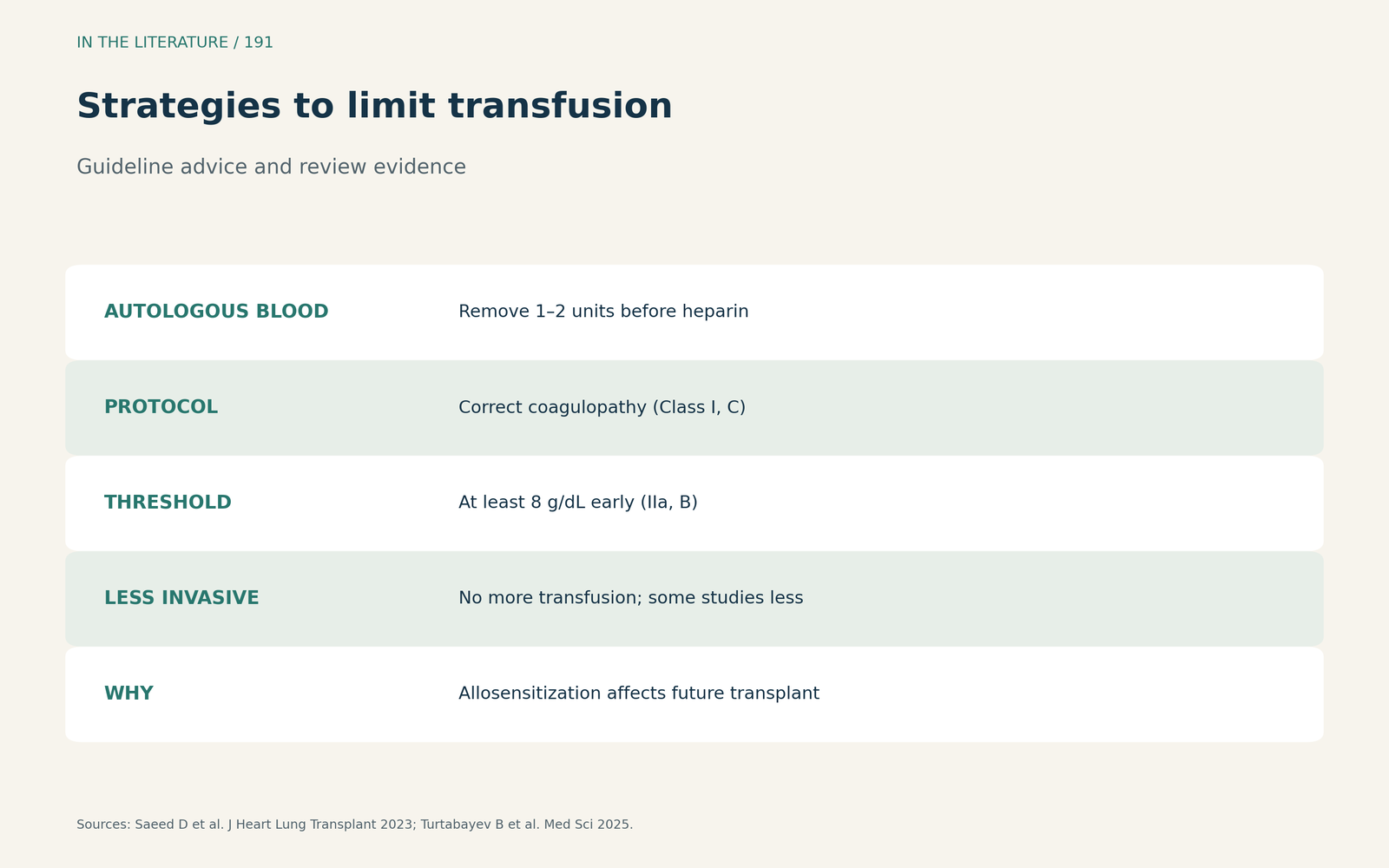
Figure 2. Conserve, follow a protocol, consider the approach. Synthesized from Saeed et al. and Turtabayev et al.[2], [3] View larger.

How strong is the evidence?
The predictors come from a single-centre retrospective series and guideline consensus, and the benefit of less-invasive implantation comes from non-randomized cohorts summarized without pooling.[1], [3]
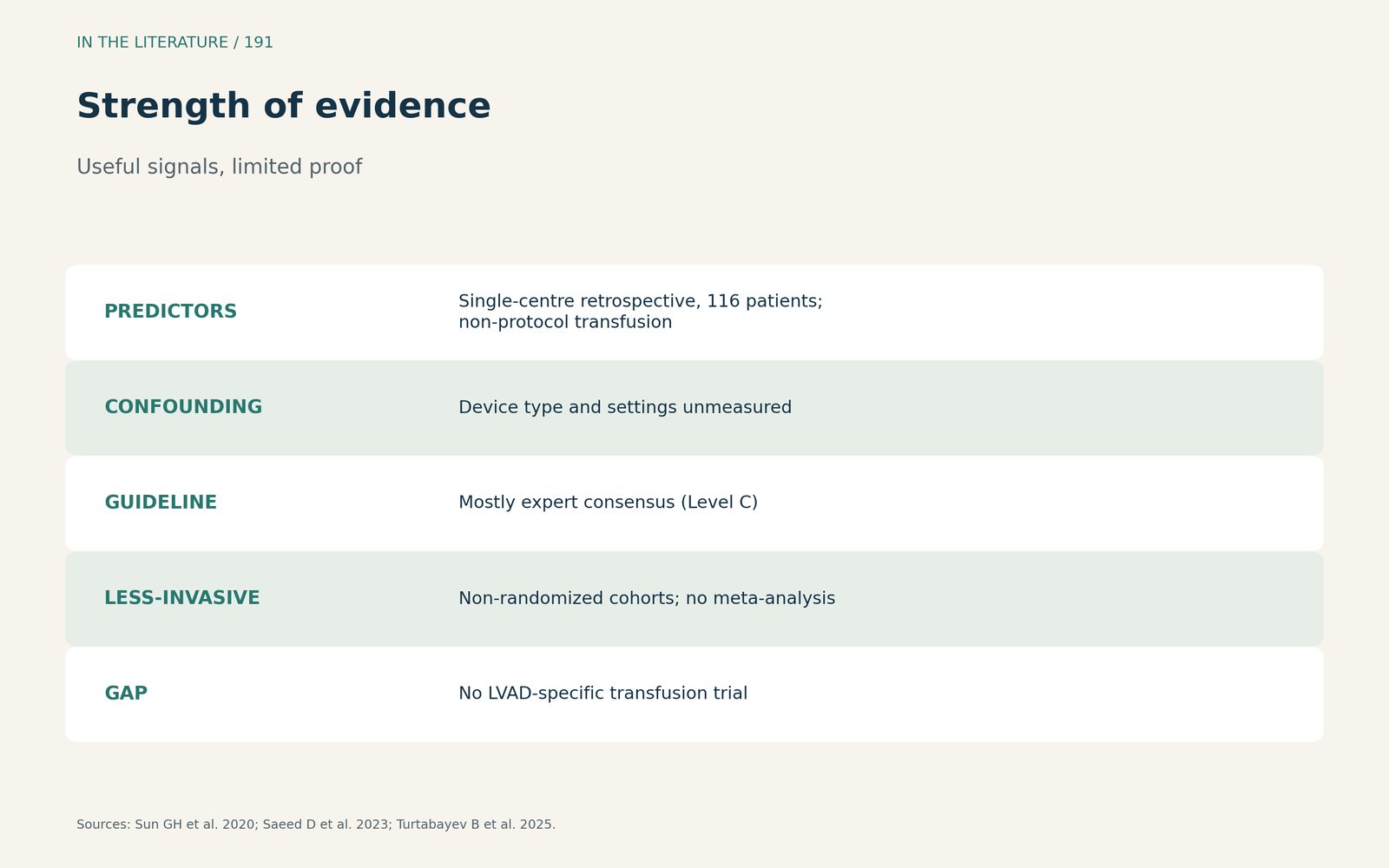
Figure 3. Useful signals, limited proof. Synthesized from Sun et al., Saeed et al. and Turtabayev et al.[1], [2], [3] View larger.

Three takeaways
- Anticipate transfusion with redo sternotomy, long bypass, liver dysfunction and shock.[1], [2]
- Blood group O alone is not a clear reason to expect more transfusion.[1]
- Conserve blood and follow a protocol; transfusion has consequences for future transplant candidates.[2]
References
- Sun GH, Bruguera C, Saadat S, et al. ABO blood group and transfusions in the intraoperative and postoperative period after LVAD implantation. J Cardiothorac Vasc Anesth. 2020;34(4):906–911. doi:10.1053/j.jvca.2019.09.015
- Saeed D, Feldman D, El Banayosy A, et al. The 2023 International Society for Heart and Lung Transplantation guidelines for mechanical circulatory support: a 10-year update. J Heart Lung Transplant. 2023;42(7):e1–e222. doi:10.1016/j.healun.2022.12.004
- Turtabayev B, Joshibayev S, Kervan U, et al. Minimally invasive left ventricular assist device implantation: a systematic review of current evidence on clinical outcomes and surgical approaches. Med Sci (Basel). 2025;13(3):173. doi:10.3390/medsci13030173