ITL-c416910ac341
Juan Li, MD · Updated November 18, 2026
Key points
- The trial enrolled operable patients. MATTERHORN enrolled 210 patients with heart failure who were at increased risk but suitable for surgery.[1]
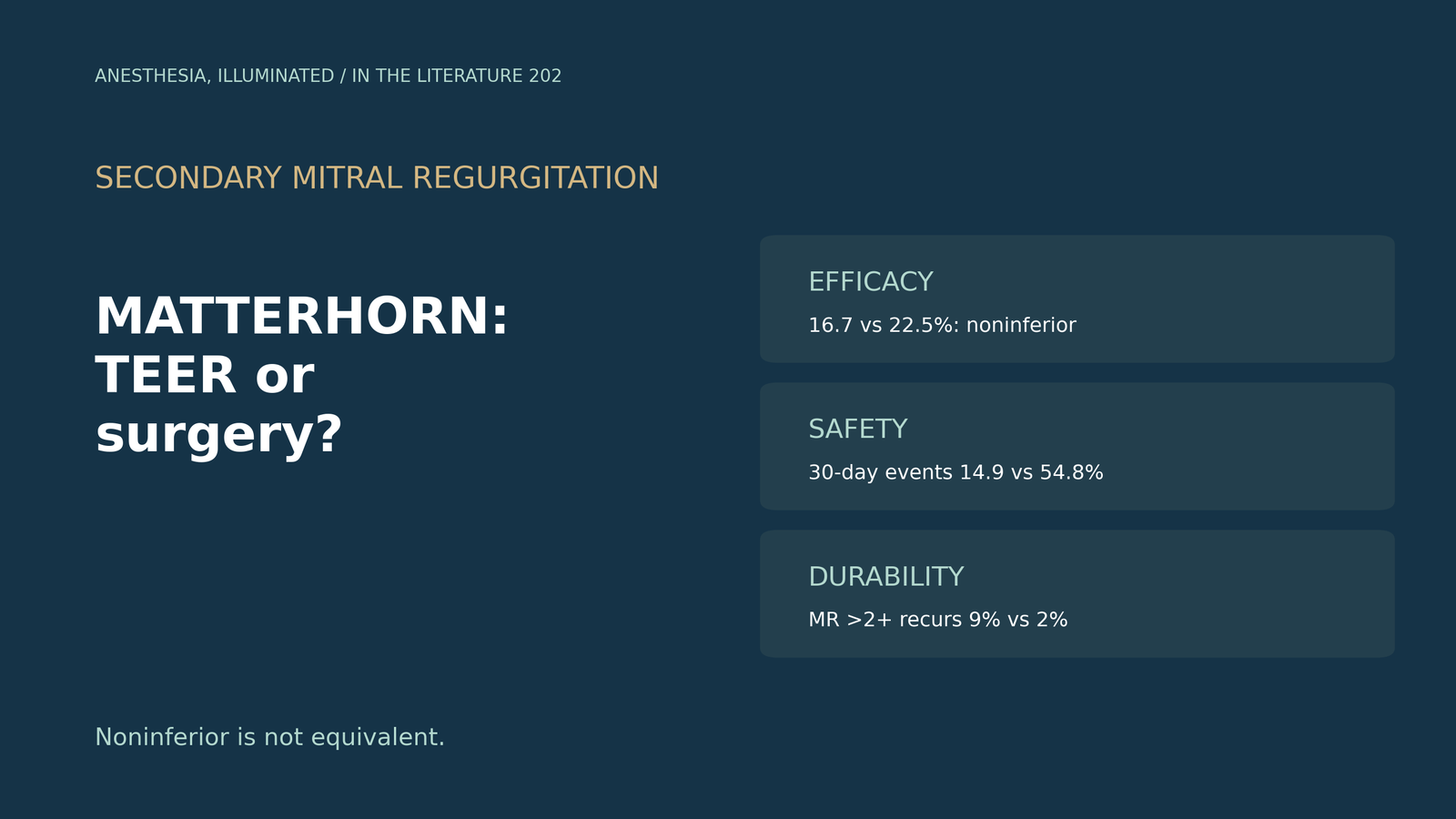
- TEER met noninferiority. The 1-year composite was 16.7 vs 22.5% with TEER vs surgery, and 30-day major adverse events were 14.9 vs 54.8%.[2]
- Surgery cost more early harm. New AF occurred in 3.1% vs 27.8% and major bleeding in 3.1% vs 24.4%.[3]
- Durability favours surgery. MR above 2+ recurred in 9% after TEER and 2% after surgery, and observational data show lower recurrence after surgical repair.[1], [4]
- Guidelines moved toward TEER. TEER was upgraded to Class I, LOE A, while the case for isolated surgery in ventricular secondary MR is less compelling.[2]
A 68-year-old with ischemic cardiomyopathy, an LVEF of 40% and severe secondary MR is referred for mitral intervention and could undergo either approach. What did MATTERHORN show about TEER versus surgery, and what remains unknown?[1], [2]
What MATTERHORN tested and found
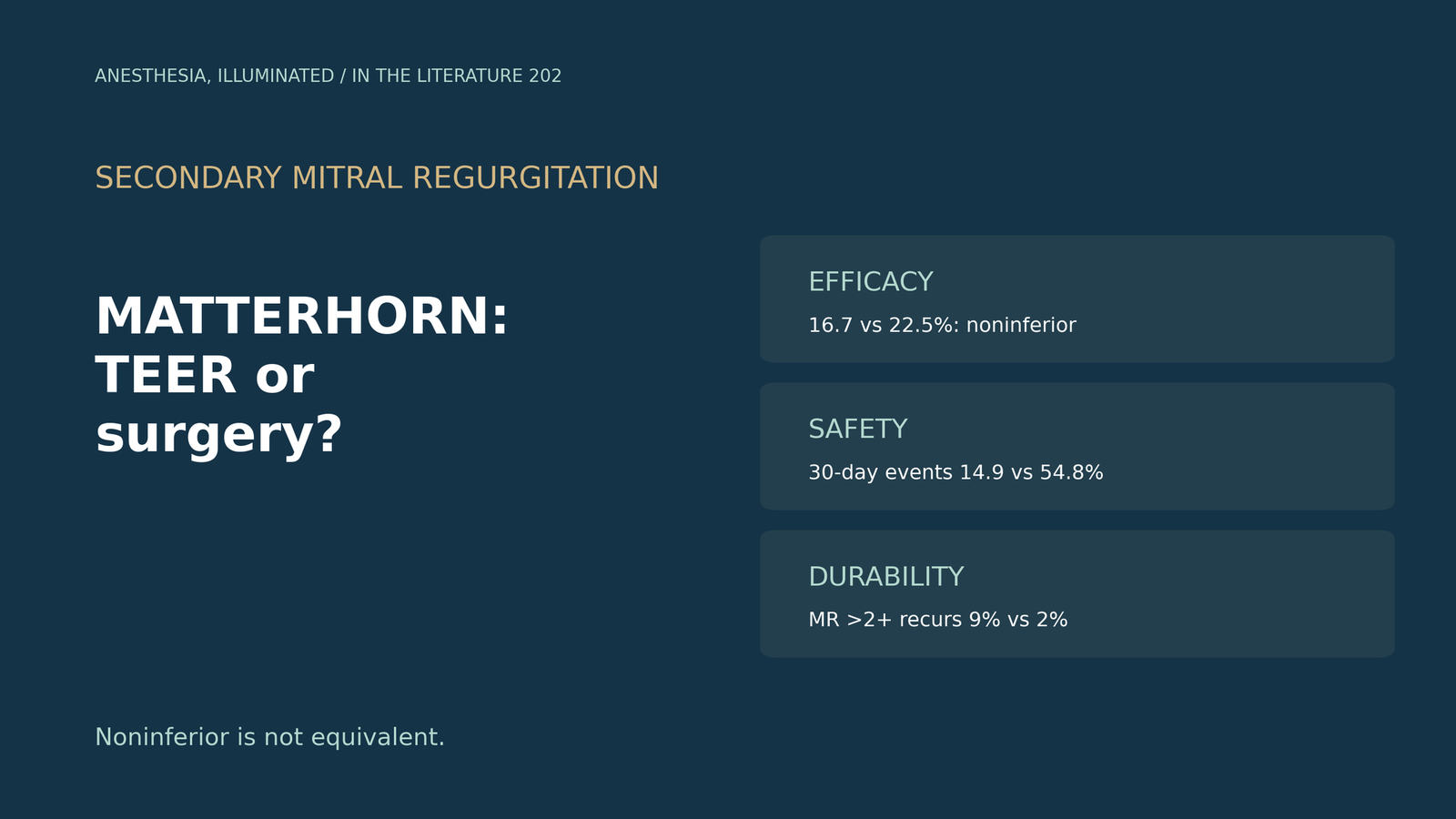
Iliadis and colleagues summarize MATTERHORN: 210 patients with symptomatic heart failure on GDMT, at increased risk but suitable for surgery, with a mean LVEF as high as 43 ± 12%. In the surgical group, repair was done in 72% and replacement in 28%. MR above grade 2+ recurred in 2% after surgery and 9% after TEER, and major adverse events at 30 days were 15% vs 55%.[1] Adamo and colleagues report the primary endpoint, a 1-year composite including death and heart failure hospitalization, as 16.7 vs 22.5% with TEER vs surgery, and 30-day major adverse events as 14.9 vs 54.8%.[2]
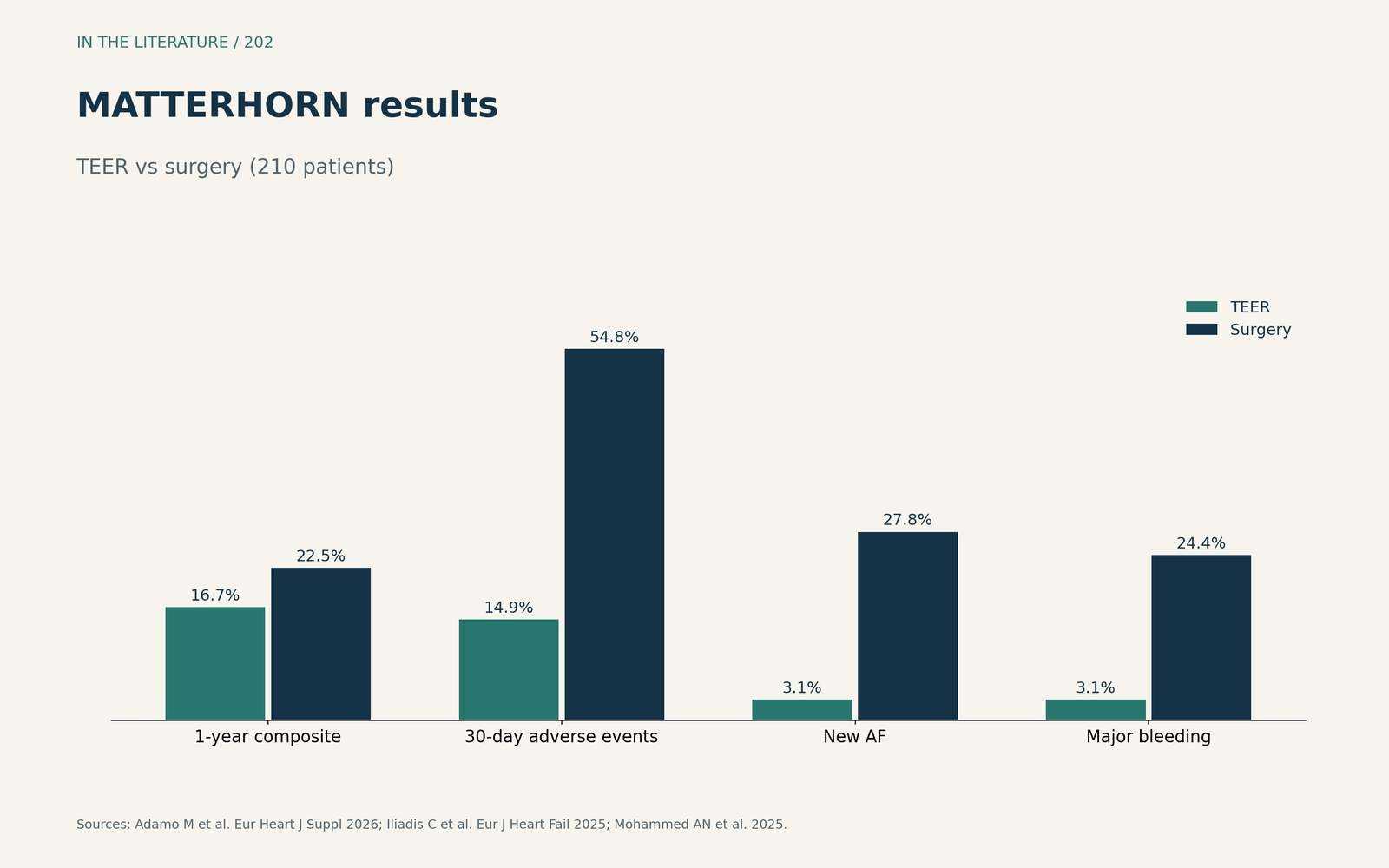
Figure 1. Noninferior efficacy, much less early harm. Redrawn from Adamo et al., Iliadis et al. and Mohammed et al.[2], [1], [3] View larger.

What the critics point out
Mohammed and colleagues note that the 17.5% noninferiority margin appears large and that the median baseline EROA was 0.22 cm². Surgery brought more new AF (27.8% vs 3.1%) and major bleeding (24.4% vs 3.1%), while recurrent grade 3-4+ MR trended higher after TEER; they caution against extrapolating to real-world patients.[3] Iliadis and colleagues add that longer-term data are needed, particularly for younger patients.[1] Hanafy and colleagues pooled 6,224 patients from observational studies, most of them retrospective: surgical repair had lower mortality (rate ratio 0.74) and less recurrent MR, but heterogeneity was moderate to substantial.[4]
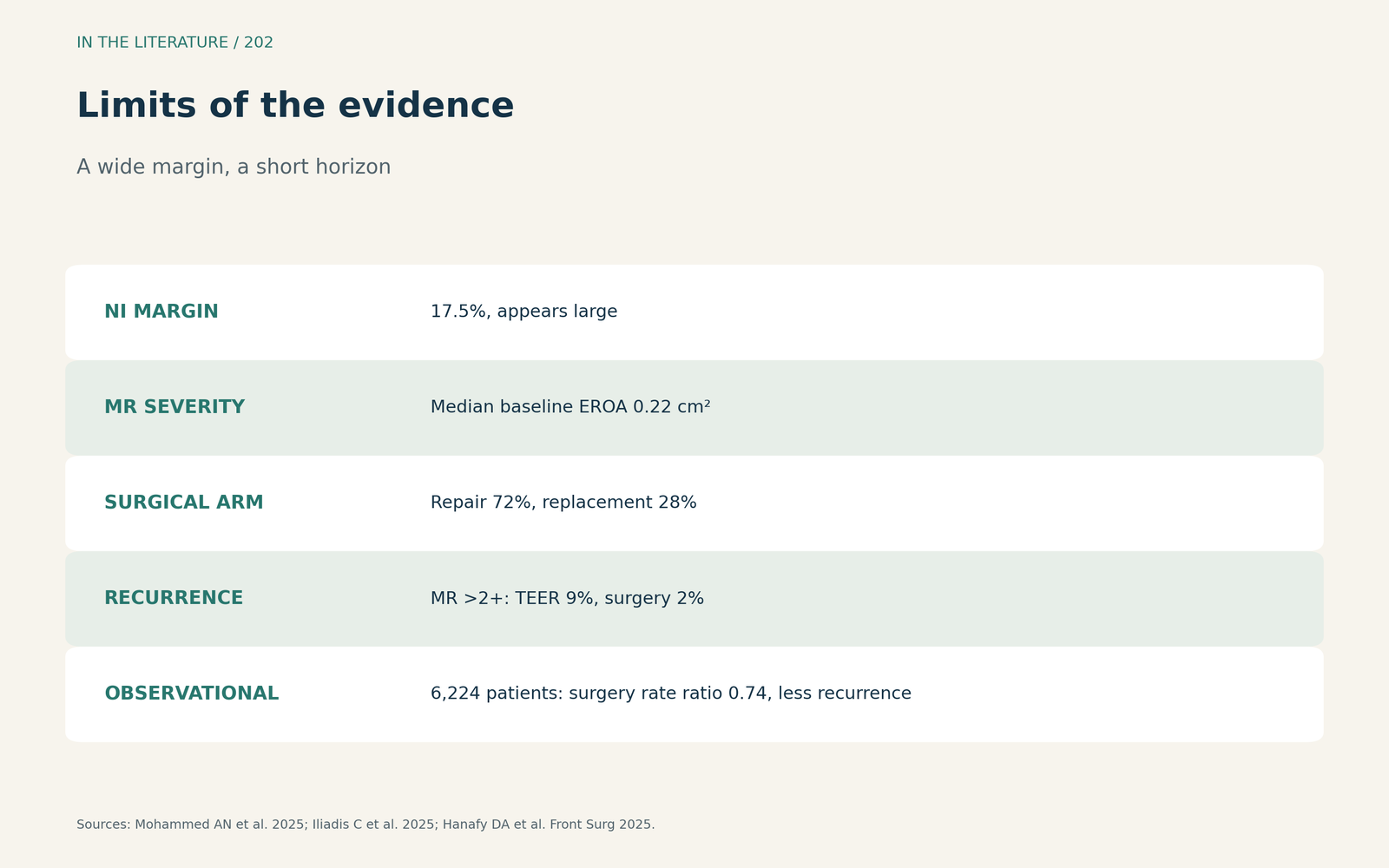
Figure 2. A wide margin, a short horizon. Synthesized from Mohammed et al., Iliadis et al. and Hanafy et al.[3], [1], [4] View larger.

How the guidelines responded
According to Adamo and colleagues, the 2025 ESC/EACTS guideline upgraded TEER to Class I, LOE A in symptomatic patients and regards the case for surgery in isolated ventricular secondary MR as less compelling; a MATTERHORN subgroup of 34 patients informs atrial secondary MR.[2] Iliadis and colleagues describe a class IIb, level C recommendation for isolated mitral surgery.[1]
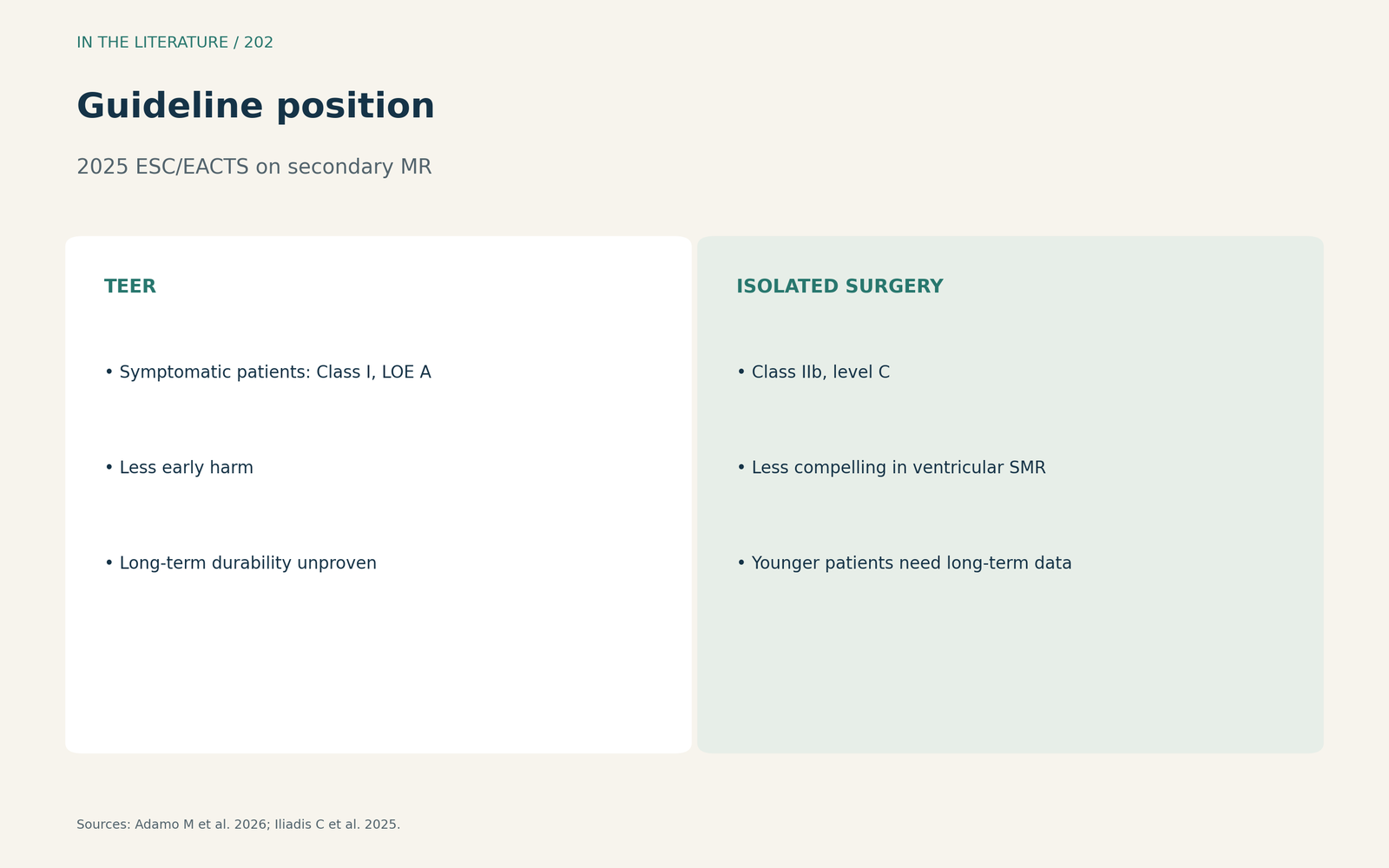
Figure 3. TEER first for isolated ventricular secondary MR. Synthesized from Adamo et al. and Iliadis et al.[2], [1] View larger.

Three takeaways
- In operable patients with secondary MR, TEER was noninferior to surgery at 1 year with far less early harm.[2], [3]
- Surgery gives more durable MR reduction; long-term outcomes of TEER in younger patients are unknown.[1], [4]
- The wide noninferiority margin means MATTERHORN shows TEER is not unacceptably worse, not that the two are equivalent.[3]
References
- Iliadis C, Adamo M, Rudolph V, et al. European Journal of Heart Failure expert consensus statement on transcatheter treatment of mitral regurgitation in heart failure. Eur J Heart Fail. 2025;27(11):2610–2622. doi:10.1002/ejhf.70043
- Adamo M, Massussi M, Ajmone Marsan N, et al. 2025 ESC/EACTS valvular heart disease guidelines: practical updates on mitral and tricuspid regurgitation. Eur Heart J Suppl. 2026;28(Suppl 4):iv83–iv96. doi:10.1093/eurheartjsupp/suag001
- Mohammed AN, Abalo M, Jain P. Transcatheter repair or surgery for secondary mitral regurgitation? The MATTERHORN question that matters. J Cardiothorac Vasc Anesth. 2025;39(6):1372–1375. doi:10.1053/j.jvca.2025.01.044
- Hanafy DA, Sudirman AR, Rahmawati S, et al. Comparative analysis of postoperative outcomes following surgical and transcatheter edge-to-edge mitral valve repair for secondary mitral regurgitation: a meta-analysis and systematic review. Front Surg. 2025;12:1645272. doi:10.3389/fsurg.2025.1645272