
ITL-c814d495ae25
Watch the video

Figure 1. A change in drug concentration is one part of a postoperative analgesia decision. Conceptual illustration.
Key points
- Methadone concentrations can fall substantially during cardiopulmonary bypass (CPB), but the observed fall is not the amount of drug removed by the circuit.
- A proposed 0.05 mg/kg dose after CPB comes from pharmacokinetic simulation, not a randomized trial of supplemental dosing.
- A later randomized trial found less postoperative morphine use after a single induction dose of methadone, despite a decrease in plasma concentration.
- Better analgesia did not translate into earlier extubation or shorter hospitalization in that trial.
- A redosing decision should consider the full opioid regimen, clinical response, respiratory recovery, and individual risk—not simply restore a modeled concentration.
A patient received methadone at induction and is now separating from CPB. If the bypass period has lowered the measured concentration, should the anesthesiologist routinely “replace” the missing drug?
The answer depends on what the evidence actually tested. The 2025 pharmacokinetic study explains why concentrations change. It does not establish that every patient benefits from an additional dose.[1]
What was measured—and what was modeled?
Salas and colleagues studied 29 adults undergoing elective cardiac surgery with CPB. Each received methadone 0.2 mg/kg after induction. Median plasma concentration decreased from 34.8 ng/mL ten minutes before CPB to 18.2 ng/mL after 60 minutes of CPB. A three-compartment model incorporating the circuit best described the data when hemodilution and sequestration were included.[1]
The observed concentration decline combines several processes, including ordinary drug distribution and elimination over time. It should not be interpreted as proof that the circuit physically removed nearly half the administered dose. Sequestration was inferred through the model; it was not measured by recovering drug from the oxygenator.
The investigators then simulated 1000 typical adults. In that simulation, giving another 0.05 mg/kg at the end of CPB compensated for the predicted concentration reduction. That supplemental dose was simulated, not prospectively compared with no supplement for pain, respiratory depression, or recovery. The modeled non-CPB comparison also was not an enrolled clinical control group.[1]
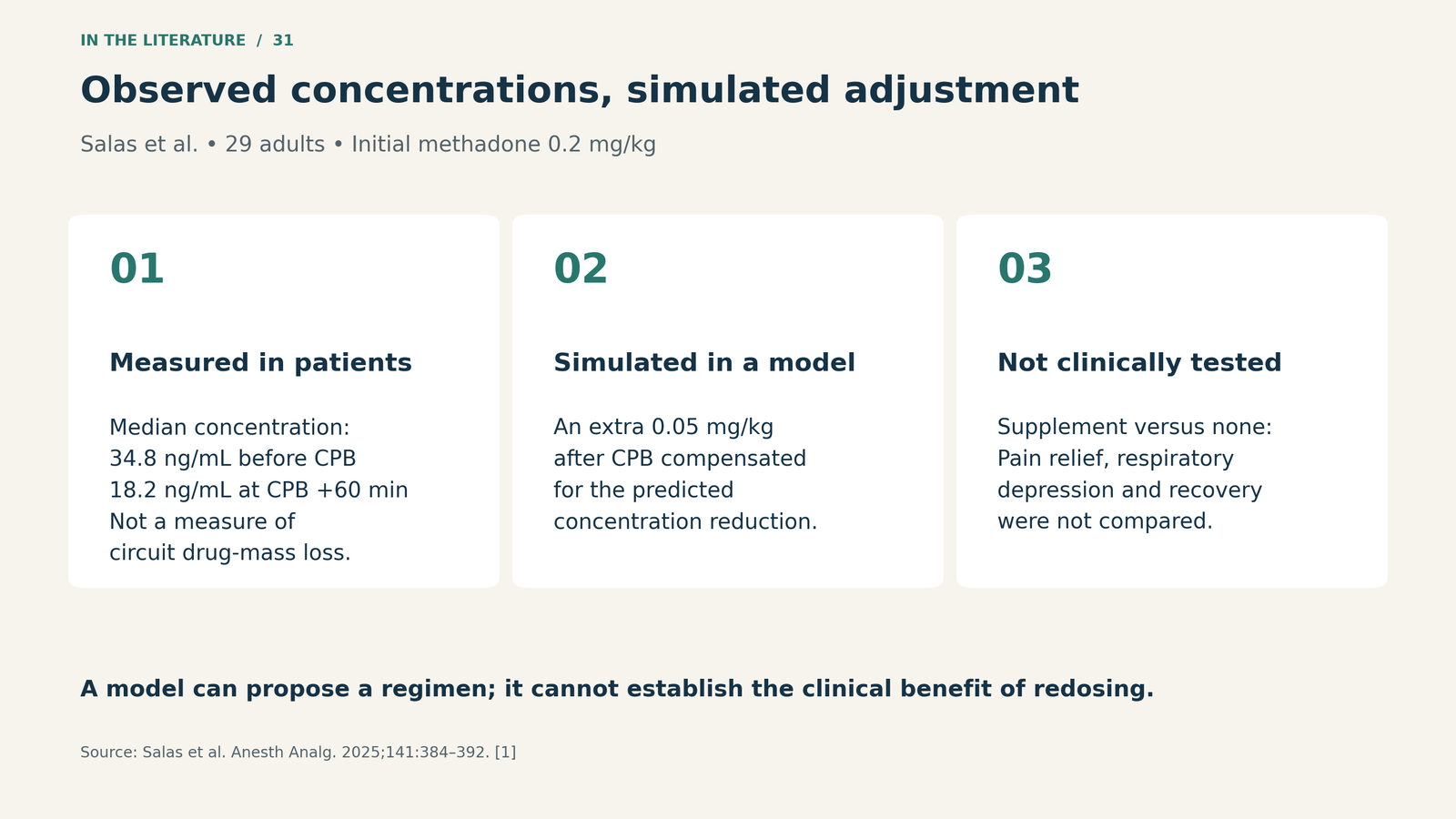
Figure 2. The concentration observations and the proposed dosing adjustment belong to different levels of evidence. Values are medians; the supplemental dose is a simulation result.[1]

Did a single dose still provide useful analgesia?
Wong and colleagues subsequently reported a double-blind randomized trial comparing methadone with morphine in elective cardiac surgery. Both study drugs were given at 0.2 mg/kg actual body weight, capped at 20 mg, intravenously over 30 minutes at induction. No additional intraoperative opioids were administered after the induction regimen. Postoperative care included morphine patient-controlled analgesia and oral analgesics.[2]
Although 86 patients were randomized, the clinical outcome analysis included 40 in each group after exclusion of six patients with postoperative complications; a drug-assignment error was also handled by analyzing the patient according to the drug received. These are per-protocol findings.
Median morphine use in the first 24 hours after extubation was 9 mg with methadone versus 24 mg with morphine. Over 72 hours after extubation, the corresponding values were 11 versus 35 mg. Pain scores over time and satisfaction also favored methadone. These results describe reduced additional postoperative morphine, not an equianalgesic comparison of total opioid exposure, and do not establish that the two induction doses were equally potent.[2]
Plasma concentrations fell around CPB, yet the analgesic benefit persisted. This is evidence against assuming that a lower concentration necessarily means loss of useful analgesia. It does not exclude the possibility that some patients could benefit from supplementation; that comparison remains untested here.
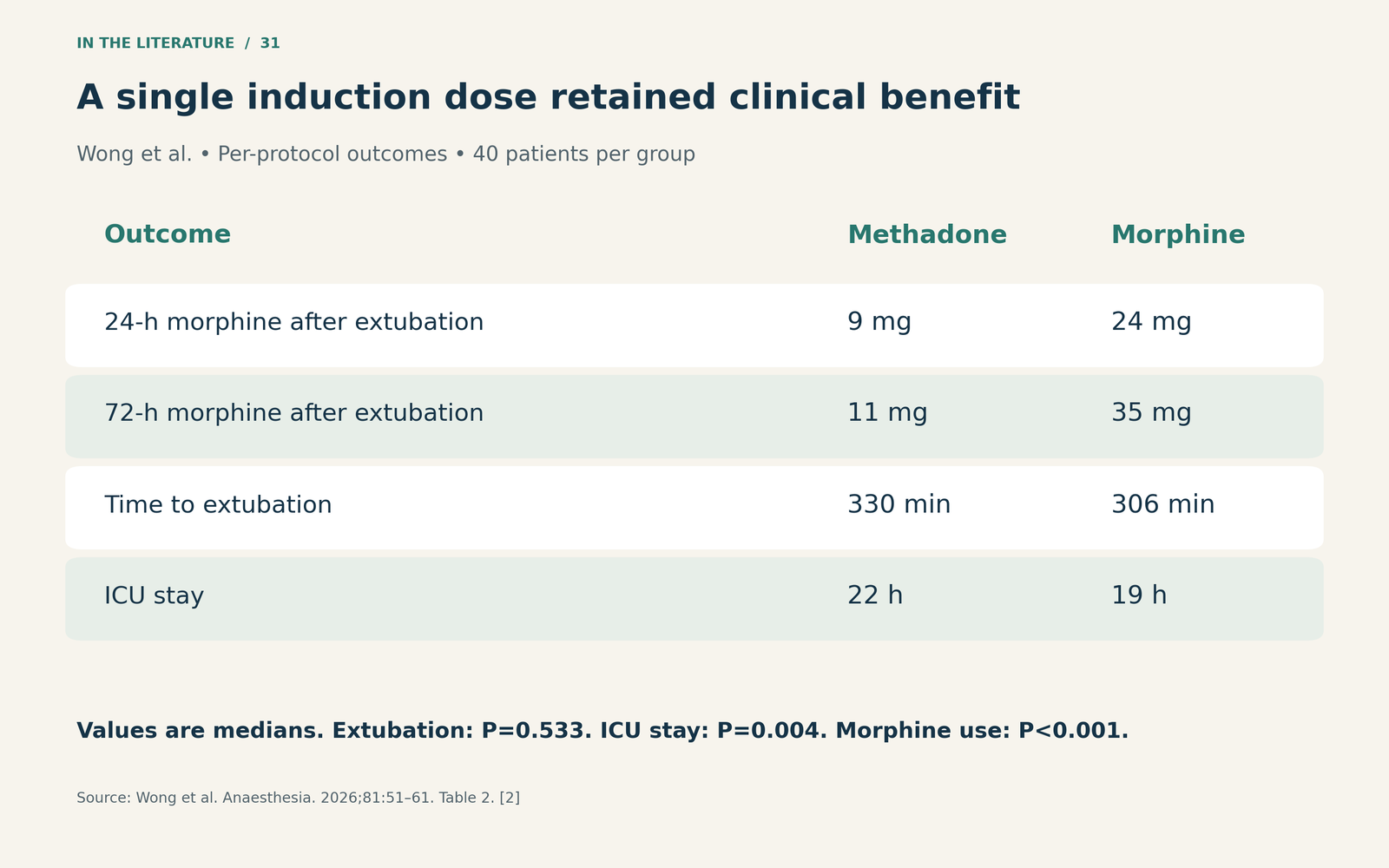
Figure 3. Results in 40 evaluable patients per group. Opioid amounts are medians measured after extubation; ICU stay was modestly longer with methadone. Neither drug regimen included a planned post-CPB methadone supplement.[2]

A concentration threshold is not an on–off switch
The trial compared mean concentrations with a previously reported minimum effective analgesic concentration of 30 ng/mL. Mean concentration was about 30 ng/mL at 24 hours after administration and lower thereafter, while differences in postoperative analgesic requirements persisted. The threshold came from earlier populations and is not a validated, universal redosing trigger for an individual cardiac surgical patient.[2]
Similarly, better pain control should not be equated with faster recovery. Time to extubation and hospital stay did not differ significantly in the trial. Median ICU stay was 22 hours with methadone versus 19 hours with morphine. The study did not establish the reason for that difference. It excluded several important groups, including patients with LVEF below 40%, severe renal dysfunction, chronic pain or regular analgesic use, and emergency, aortic or redo procedures.[2]
What should guide the next dose?
First, review what has already been given: methadone dose and timing, other opioids, sedatives, and the multimodal plan. Then assess analgesic need alongside sedation and ventilation, with an explicit plan for observation and titrated rescue therapy after extubation. The clinical aim is adequate analgesia with recovery of respiratory function, not a particular modeled plasma number.
QTc evidence also needs its proper setting. A 2026 prospective cohort of 547 elective noncardiac surgical patients found no greater early QTc prolongation with a single induction dose of methadone than with other opioid care. However, treatment was not randomized and ECG collection ended after one hour. That finding does not establish the safety of an additional dose after CPB or remove the need to consider a cardiac patient's ECG, electrolytes, and interacting drugs.[3]
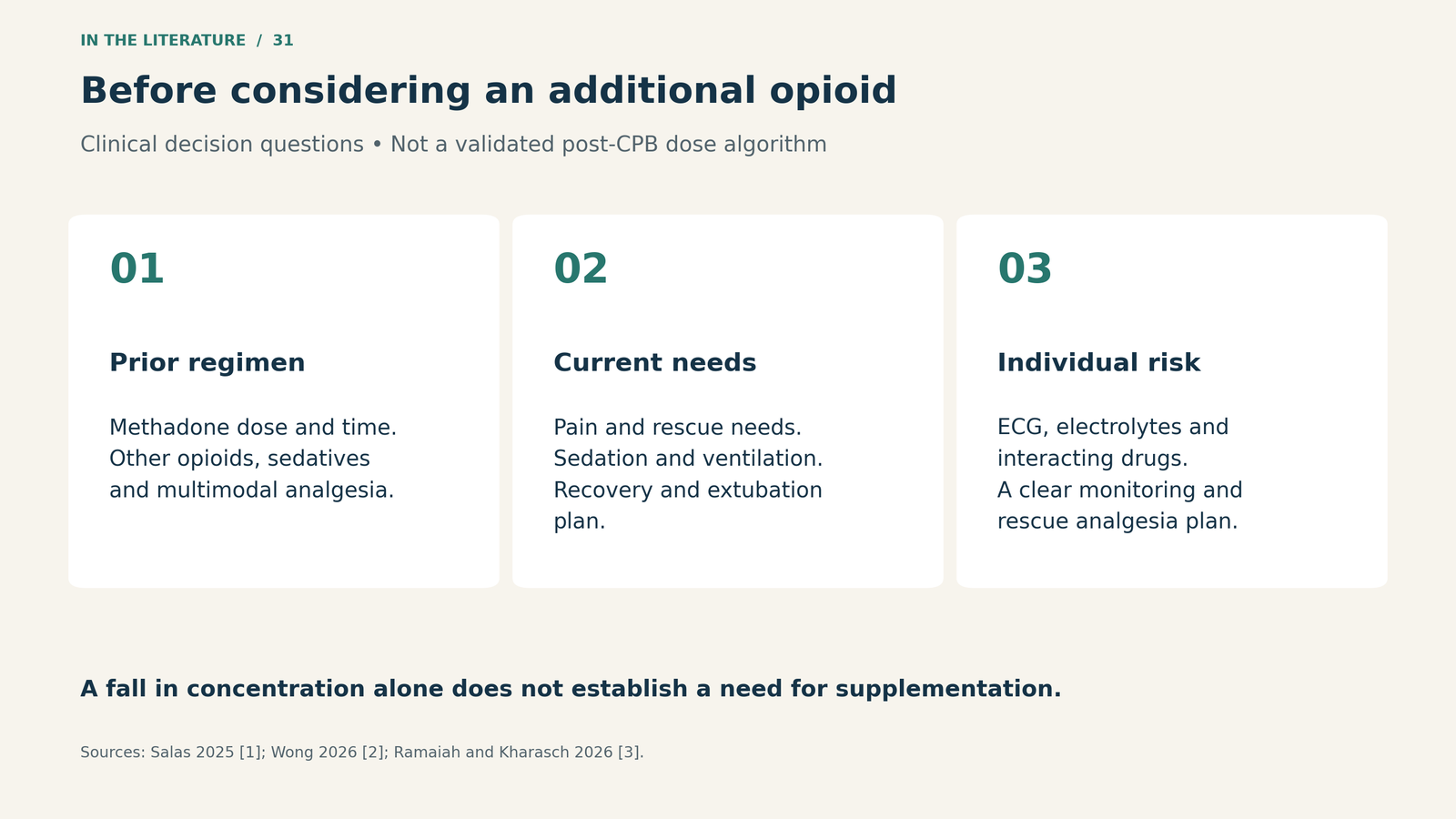
Figure 4. Questions for an individualized analgesia decision. This is not a validated supplemental-dose algorithm.[1, 2, 3]

Three takeaways
- Separate pharmacokinetics from a dosing mandate. CPB changes methadone exposure; the 0.05 mg/kg supplement is supported by simulation rather than a clinical redosing trial.
- Judge analgesia by clinical outcomes. A single induction regimen reduced subsequent morphine requirements despite lower concentrations around CPB.
- Individualize any additional opioid. Account for prior doses, pain, sedation, ventilation, and cardiac risk, with a clear monitoring and rescue plan.
References
- Salas WE, Cortinez LI, López RA, Rolle A, Elgueta F, Godoy CO, et al. Pharmacokinetics of methadone in adult patients undergoing cardiac surgery with cardiopulmonary bypass. Anesth Analg. 2025;141(2):384–392. doi:10.1213/ANE.0000000000007312.
- Wong HMK, Lai VKW, Chiu SLC, Wong WT, Wo SK, Zuo JZ, et al. Intravenous methadone for pain management in cardiac surgery: a randomised controlled trial with plasma concentration analysis. Anaesthesia. 2026;81(1):51–61. doi:10.1111/anae.16754.
- Ramaiah VK, Kharasch ED. Single-dose intraoperative methadone and QTc interval: a prospective observational cohort investigation. Br J Anaesth. 2026;137(3):808–817. doi:10.1016/j.bja.2026.04.072.