
ITL-b27d649807aa
Juan Li, MD · Updated November 18, 2026
Key points
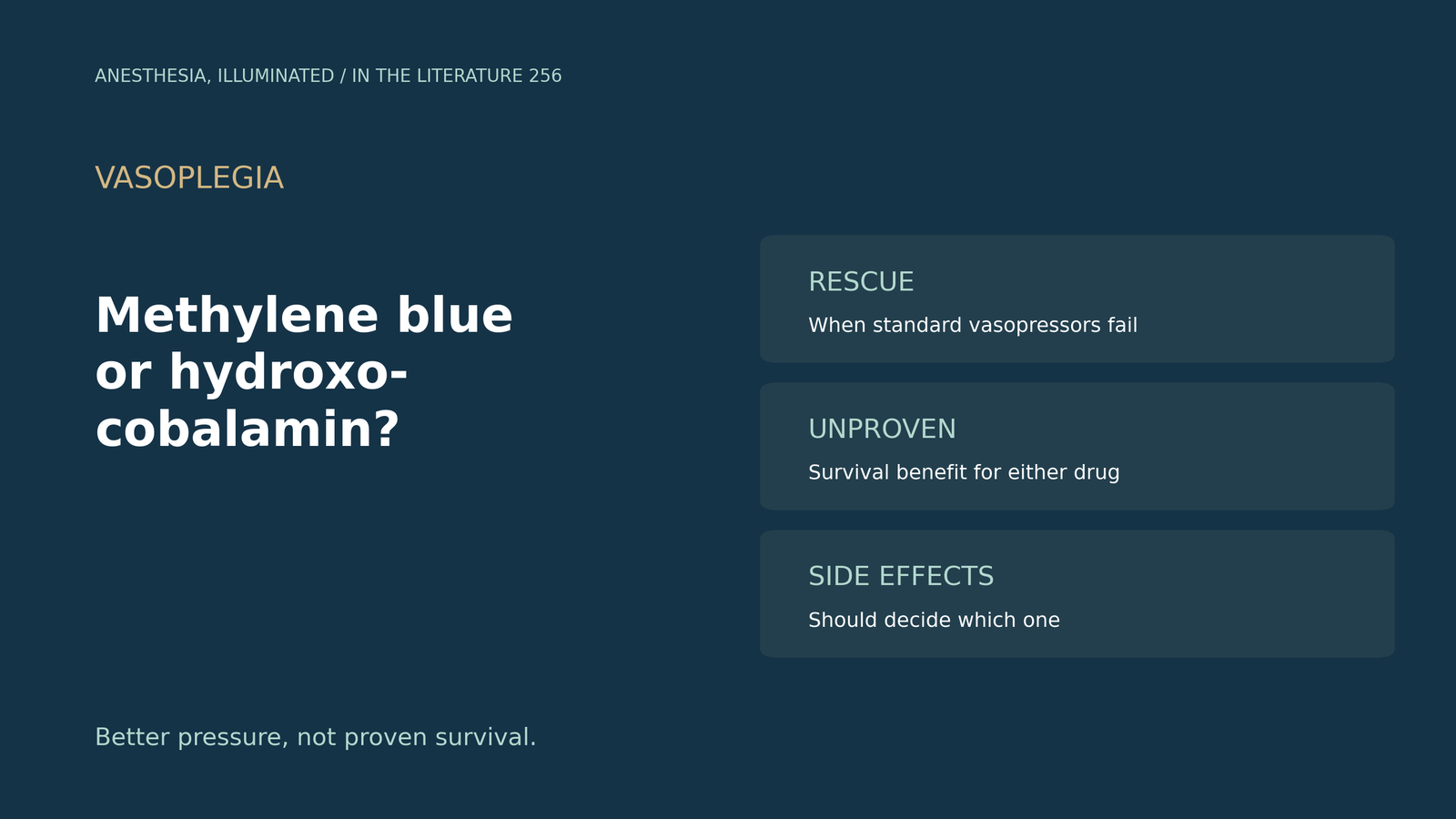
- Know the doses. A cardiac anesthesia review lists methylene blue as a 1-2 mg/kg bolus and hydroxocobalamin as a 5 g bolus, each over 15 min.[1]
- Rescue only. European experts recommend against methylene blue other than as rescue therapy for post-cardiac surgery vasoplegic shock.[2]
- Faster off vasopressors, not proven survival. In a septic shock RCT, methylene blue shortened time to vasopressor discontinuation (69 vs 94 h).[3] Pooled RCTs show no significant mortality reduction.[4]
- Similar mortality head to head. Hydroxocobalamin and methylene blue had similar mortality in pooled cohorts (OR 0.92).[5] One retrospective cohort reported higher mortality after methylene blue, a hypothesis-generating finding.[6]
- Choose by side effects. Methylene blue inhibits monoamine oxidase.[7] Hydroxocobalamin interferes with tests and dialysis.[8]
After cardiopulmonary bypass, a patient remains hypotensive with low vascular tone despite rising norepinephrine and vasopressin. Is it time for methylene blue or hydroxocobalamin, and which one?
Methylene blue as rescue: what the trials show
A European experts' consensus (Guarracino et al., J Cardiothorac Vasc Anesth 2021) recommends against methylene blue other than as rescue therapy for post-cardiac surgery vasoplegic shock (strong recommendation, low certainty); the consensus was supported by a pharmaceutical company, and methylene blue can raise pulmonary artery pressure and vascular resistance.[2] A narrative review (Polyak et al., J Cardiothorac Vasc Anesth 2025) lists methylene blue as a 1-2 mg/kg bolus over 15 min.[1]
In septic shock, a single-centre RCT (Ibarra-Estrada et al., Crit Care 2023) randomized 91 patients. Time to vasopressor discontinuation was 69 h with methylene blue versus 94 h with placebo. By day 28, 15 of 45 patients died with methylene blue versus 21 of 46 with placebo, but the trial was underpowered for mortality. Green-blue urine occurred in 42 of 45 treated patients (93%).[3] Across RCTs with 535 participants (Rodríguez-Lima et al., J Clin Med 2026), methylene blue was not associated with a significant short-term mortality reduction (OR 0.73, 0.40 to 1.36); the required information size of 1773 patients was not reached, and hemodynamic improvement does not necessarily translate into survival.[4] An earlier meta-analysis of RCTs (Pruna et al., J Cardiothorac Vasc Anesth 2024) counted 38 of 253 deaths with methylene blue versus 59 of 233 with control (RR 0.60, 0.43–0.84), but its trial sequential analysis was also inconclusive.[9]
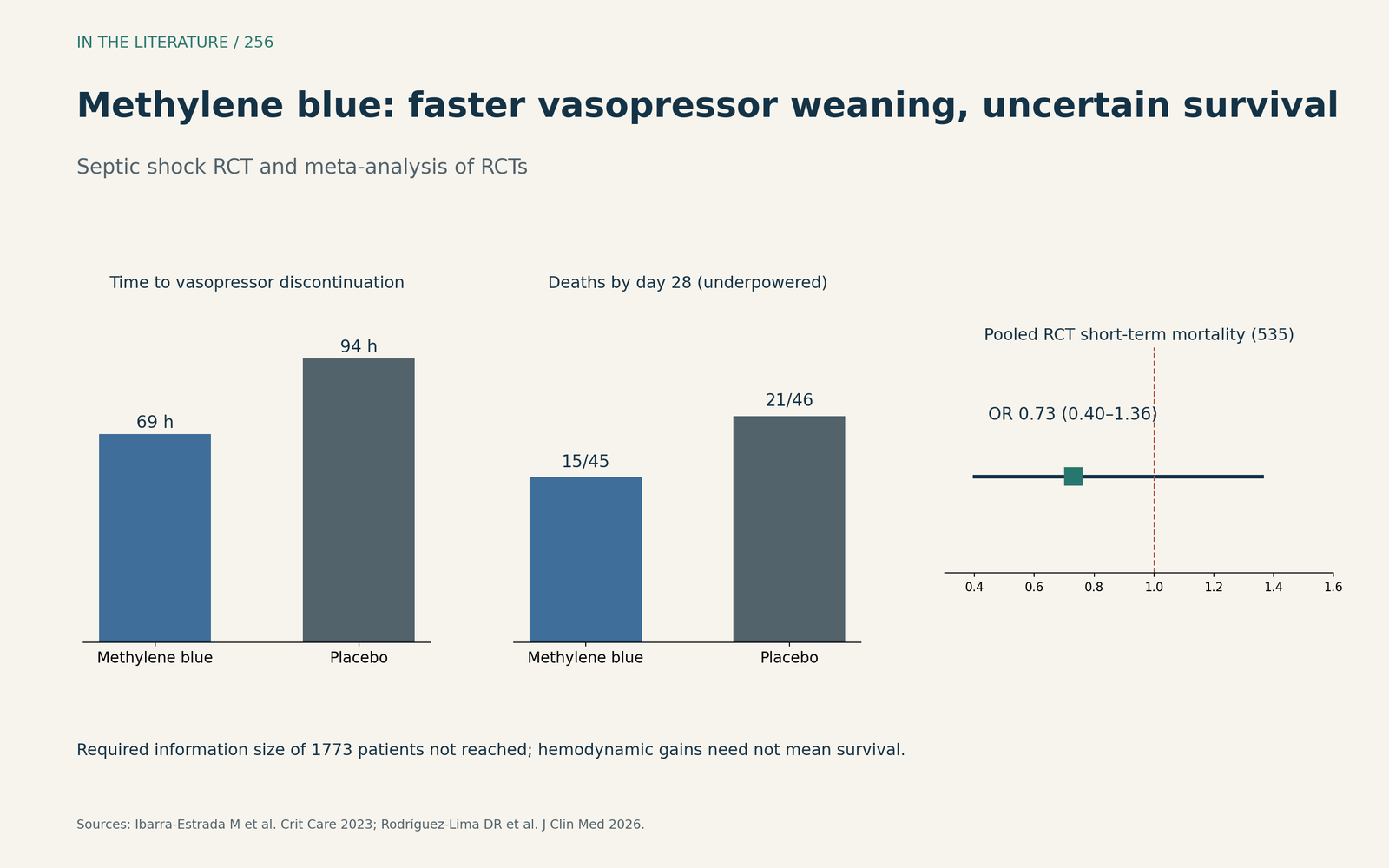
Figure 1. Hemodynamic benefit without proven survival benefit. Data from Ibarra-Estrada et al. and Rodríguez-Lima et al.[3], [4] View larger.

Hydroxocobalamin versus methylene blue
The Polyak review lists hydroxocobalamin as a 5 g bolus over 15 min, maximum 10 g, and calls it a reasonable alternative to methylene blue in severe vasoplegic syndrome, especially when methylene blue is contraindicated, such as in severe renal failure or with serotonergic medications.[1] A meta-analysis (Brokmeier et al., J Cardiothorac Vasc Anesth 2023) included 385 patients, 289 of whom received hydroxocobalamin. In cardiac surgery cohorts, hydroxocobalamin was associated with greater MAP attainment at 1 hour, while mortality was similar (OR 0.92, 0.42 to 2.03); the evidence is limited to anecdotal reports and a few cohorts.[5] In 303 patients with refractory shock (Leung et al., Perfusion 2026), in-hospital mortality was 78% after methylene blue versus 59% after hydroxocobalamin (OR 2.4), but these retrospective results are largely hypothesis-generating.[6] A second meta-analysis (Cadd et al., J Cardiothorac Vasc Anesth 2024) pooled 263 patients, again from four retrospective studies.[10] At one centre, a stepwise rescue protocol of methylene blue, then angiotensin II, then hydroxocobalamin let about 70% of patients keep MAP 65 mmHg after methylene blue alone, while 30% needed angiotensin II (Teletnick et al., J Cardiothorac Vasc Anesth 2026).[11]
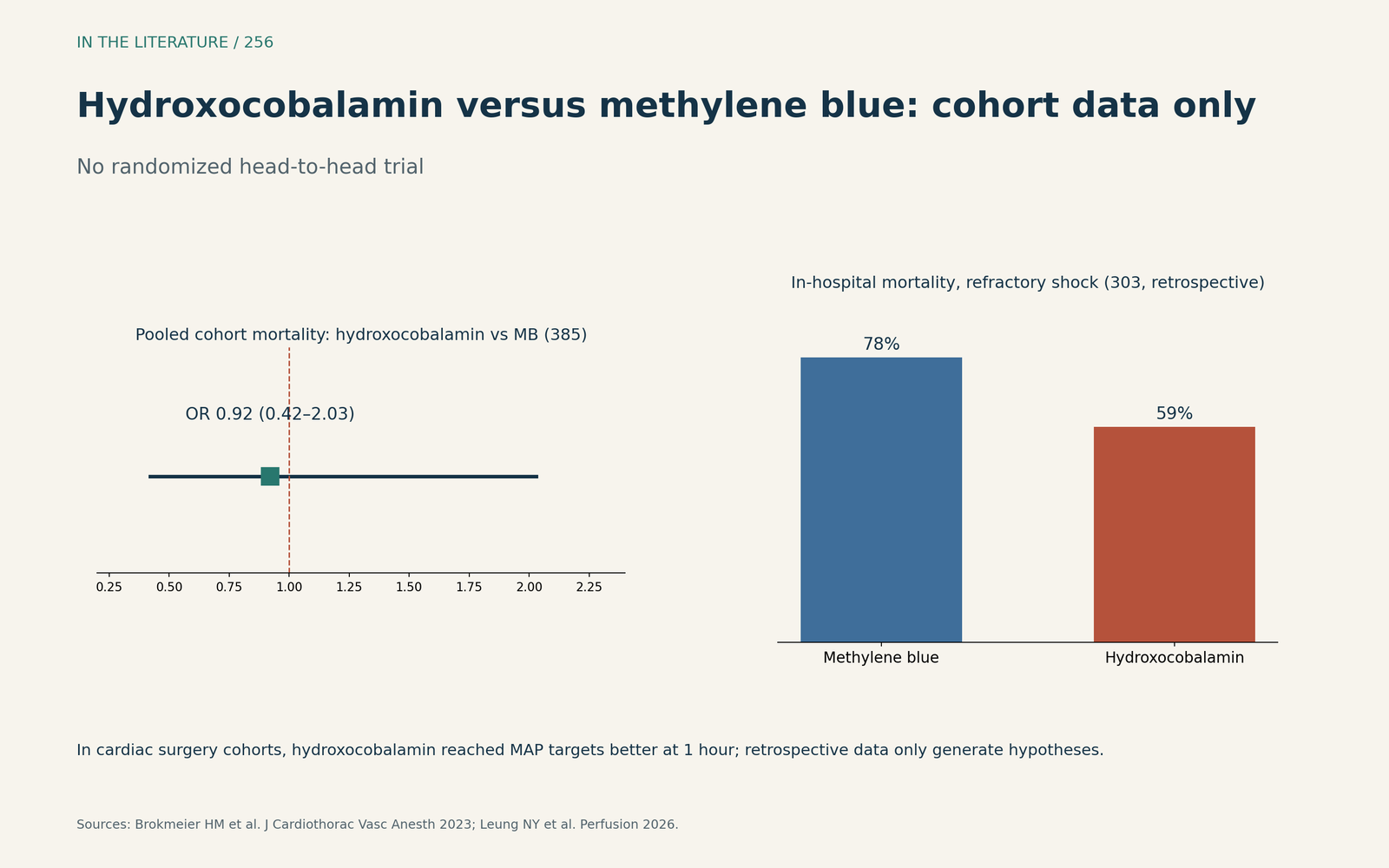
Figure 2. No randomized head-to-head data. Data from Brokmeier et al. and Leung et al.[5], [6] View larger.

Choosing by side effects
Methylene blue is a potent reversible monoamine oxidase inhibitor, which matters for patients on serotonergic drugs (Hwang et al., J Cardiothorac Vasc Anesth 2024).[7] Hydroxocobalamin can interfere with oximetry and coagulation testing and carries a cobalt toxicity risk.[1] It can also pass through dialysis membranes into the dialysate (Ortoleva and Shapeton, J Cardiothorac Vasc Anesth 2023).[8]
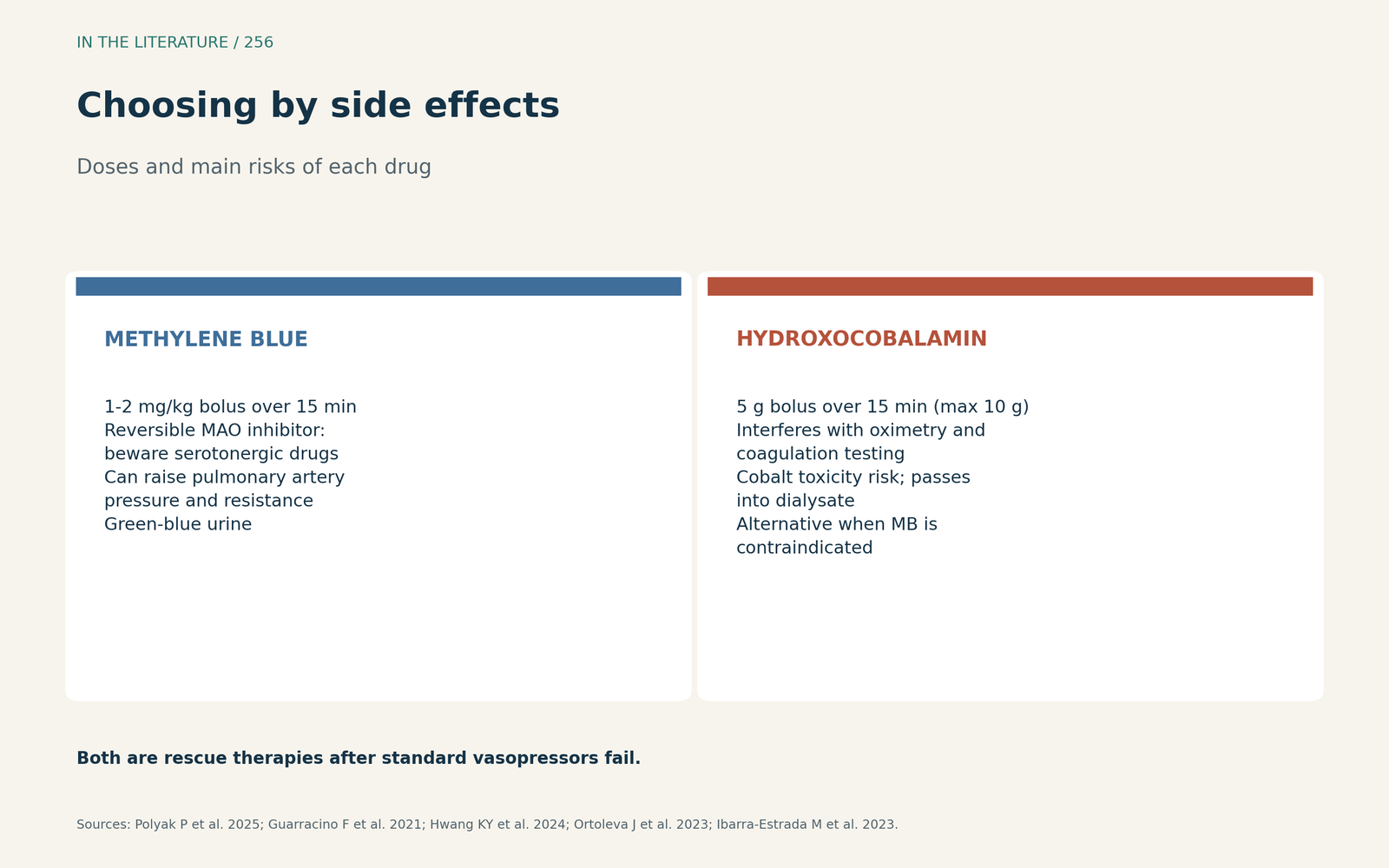
Figure 3. Side-effect profiles differ more than efficacy. Synthesized from Polyak et al., Guarracino et al., Hwang et al. and Ortoleva and Shapeton.[1], [2], [7], [8] View larger.

Three takeaways
- Use methylene blue or hydroxocobalamin as rescue for vasoplegia that persists despite standard vasopressors.[2], [1]
- Expect better blood pressure and faster vasopressor weaning, not proven survival benefit.[3], [4], [5]
- Let side effects decide: avoid methylene blue with serotonergic drugs or severe renal failure; prepare for hydroxocobalamin interference with oximetry, testing and dialysis.[1], [7], [8]
References
- Polyak P, Kwak J, Kertai MD, et al. Vasoplegic syndrome in cardiac surgery: a narrative review of etiologic mechanisms and therapeutic options. J Cardiothorac Vasc Anesth. 2025;39:1815–1829. doi:10.1053/j.jvca.2025.02.047
- Guarracino F, Habicher M, Treskatsch S, et al. Vasopressor therapy in cardiac surgery—an experts’ consensus statement. J Cardiothorac Vasc Anesth. 2021;35:1018–1029. doi:10.1053/j.jvca.2020.11.032
- Ibarra-Estrada M, Kattan E, Aguilera-González P, et al. Early adjunctive methylene blue in patients with septic shock: a randomized controlled trial. Crit Care. 2023;27(1):110. doi:10.1186/s13054-023-04397-7
- Rodríguez-Lima DR, Rodríguez-Villegas A, Toro Egas JD, et al. The effectiveness of methylene blue in adult shock: a systematic review, meta-analysis, and trial sequential analysis of randomized controlled trials. J Clin Med. 2026;15(12):4481. doi:10.3390/jcm15124481
- Brokmeier HM, Seelhammer TG, Nei SD, et al. Hydroxocobalamin for vasodilatory hypotension in shock: a systematic review with meta-analysis for comparison to methylene blue. J Cardiothorac Vasc Anesth. 2023;37:1757–1772. doi:10.1053/j.jvca.2023.04.006
- Leung NY, Dinh C, Nguyen L, et al. A two-center comparison of the efficacy of methylene blue and hydroxocobalamin for the treatment of refractory shock. Perfusion. 2026;41(5):585–592. doi:10.1177/02676591261432003
- Hwang KY, Phoon PHY, Hwang NC. Adverse clinical effects associated with non-catecholamine pharmacologic agents for treatment of vasoplegic syndrome in adult cardiac surgery. J Cardiothorac Vasc Anesth. 2024;38:802–819. doi:10.1053/j.jvca.2023.12.016
- Ortoleva J, Shapeton AD. Seeing red: hydroxocobalamin and result interference. J Cardiothorac Vasc Anesth. 2023;37:1339–1342. doi:10.1053/j.jvca.2023.03.017
- Pruna A, Bonaccorso A, Belletti A, et al. Methylene blue reduces mortality in critically ill and perioperative patients: a meta-analysis of randomized trials. J Cardiothorac Vasc Anesth. 2024;38(1):268–274. doi:10.1053/j.jvca.2023.09.037
- Cadd M, Watson U, Kilpatrick T, et al. Hydroxocobalamin versus methylene blue for treatment of vasoplegic shock following cardiopulmonary bypass: a systematic review and meta-analysis. J Cardiothorac Vasc Anesth. 2024;38(12):3188–3199. doi:10.1053/j.jvca.2024.09.135
- Teletnick A, Suh K, Boisen M, et al. Evaluating the impact of a standardized protocol for managing refractory vasoplegia after cardiopulmonary bypass. J Cardiothorac Vasc Anesth. 2026;40:1381–1389. doi:10.1053/j.jvca.2026.02.003