ITL-5162024e252e
Juan Li, MD · Updated November 17, 2026
Watch the video
Key points
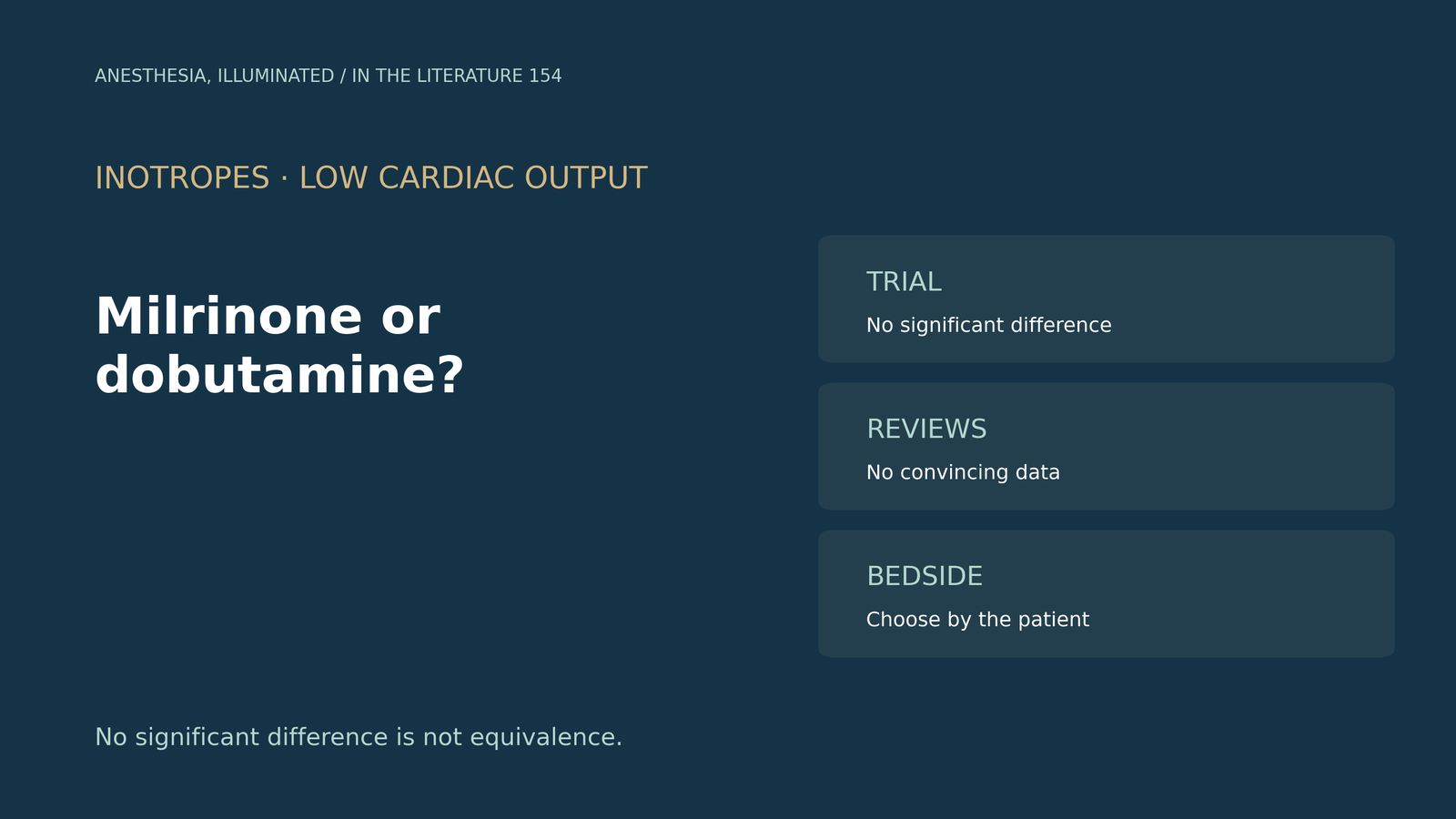
- No winner. In the DOREMI trial of cardiogenic shock, the primary outcome occurred in 49% with milrinone and 54% with dobutamine (relative risk 0.90), a difference that was not significant.[1]
- The data are thin. A Cochrane review found no convincing data supporting any specific inotrope and no mortality data for the milrinone-versus-dobutamine comparison.[2]
- Renal signals differ by comparison. In a network meta-analysis of cardiac surgery, dobutamine was associated with more renal replacement therapy than levosimendan (odds ratio 3.65).[3]
- Prophylaxis does not help. Prophylactic dobutamine or milrinone showed no benefit in mortality or low cardiac output syndrome.[4]
- Choose by the patient. Milrinone may be preferred with pulmonary hypertension or right ventricular dysfunction, and dobutamine for rapid titration or renal dysfunction, but these preferences are not trial-proven.[5]
After mitral valve surgery, a patient with pulmonary hypertension and reduced right ventricular function has low cardiac output despite adequate filling. Should the inotrope be milrinone or dobutamine?[2], [5]
The only head-to-head trial
DOREMI randomized 192 patients with cardiogenic shock. The groups did not differ significantly in the primary composite outcome (49% vs 54%, relative risk 0.90), in in-hospital death (37% vs 43%, relative risk 0.85) or in renal replacement therapy (22% vs 17%, hazard ratio 1.39). The confidence interval is compatible with a 31% lower or a 19% higher risk with milrinone; the trial was powered for a 20-percentage-point reduction, and 40% of patients died in hospital. There was no heterogeneity across prespecified subgroups.[1] A post hoc analysis found no meaningful between-patient variation in effect and estimated that about 1,152 patients would be needed for 90% power.[5] No significant difference does not mean the drugs are equivalent.
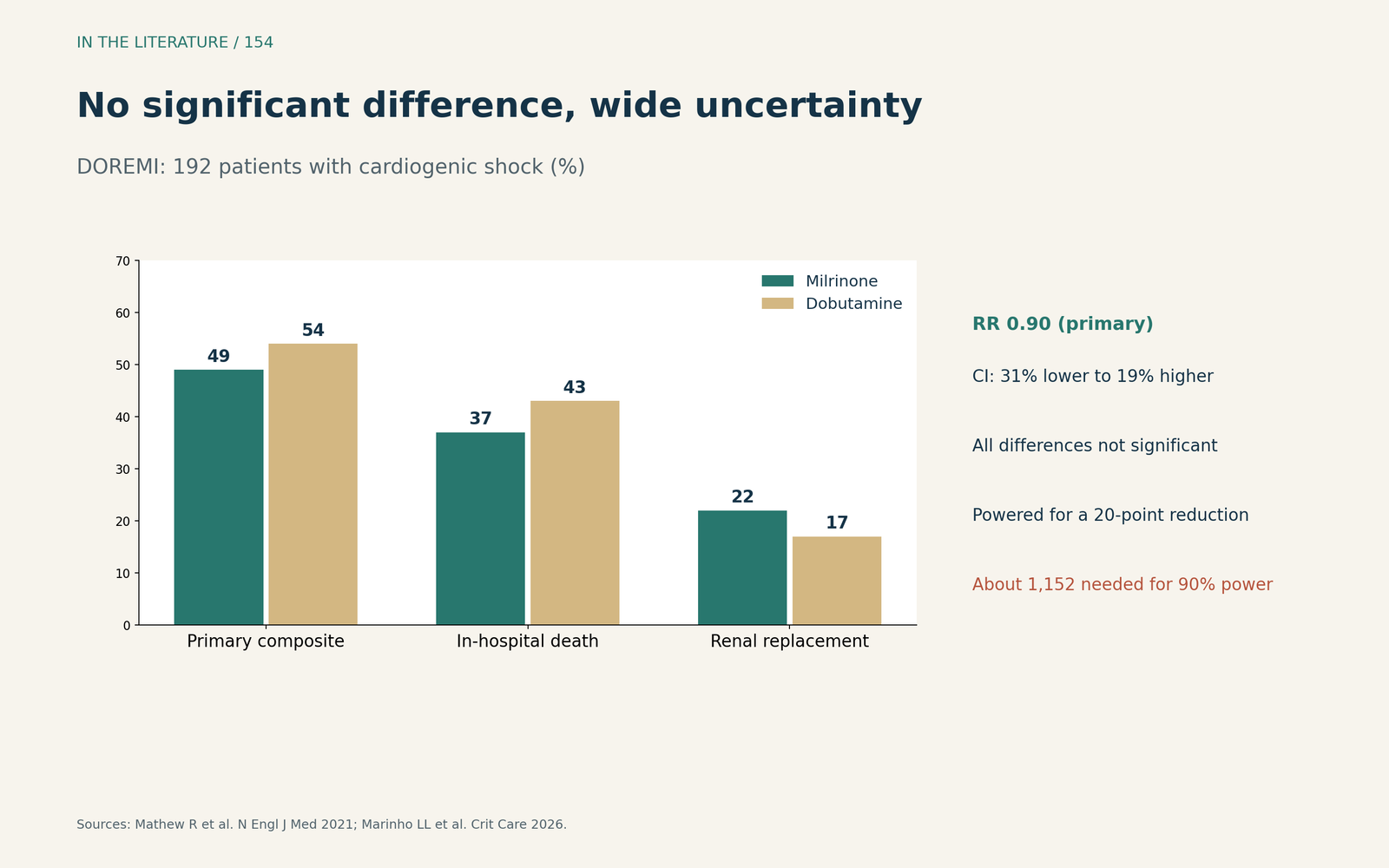
Figure 1. No significant difference, wide uncertainty. Redrawn from Mathew et al.[1] View larger.

What the reviews add
Uhlig and colleagues found only one small study of 120 participants comparing milrinone with dobutamine, with no mortality data, and concluded there are no convincing data supporting any specific inotrope; the choice of drug might matter less than once thought.[2] Chen and colleagues pooled 29 trials in cardiac surgery, where inotropes are routinely prescribed for low output; dobutamine carried a higher risk of renal replacement therapy than levosimendan.[3] For prophylaxis, Gayatri and colleagues included 29 studies with 3307 people and found no mortality or low-output benefit from dobutamine or milrinone, with data on other agents too limited for conclusions.[4]
Choosing at the bedside
Because evidence does not favor either drug, the choice rests on physiology and practicalities. Marinho and colleagues summarize the usual reasoning: milrinone may be preferred with pulmonary hypertension or right ventricular dysfunction, and dobutamine for rapid titration or renal dysfunction; larger studies are needed to test personalized selection.[5] In practice, the choice of agent is largely based on clinician preference.[1]
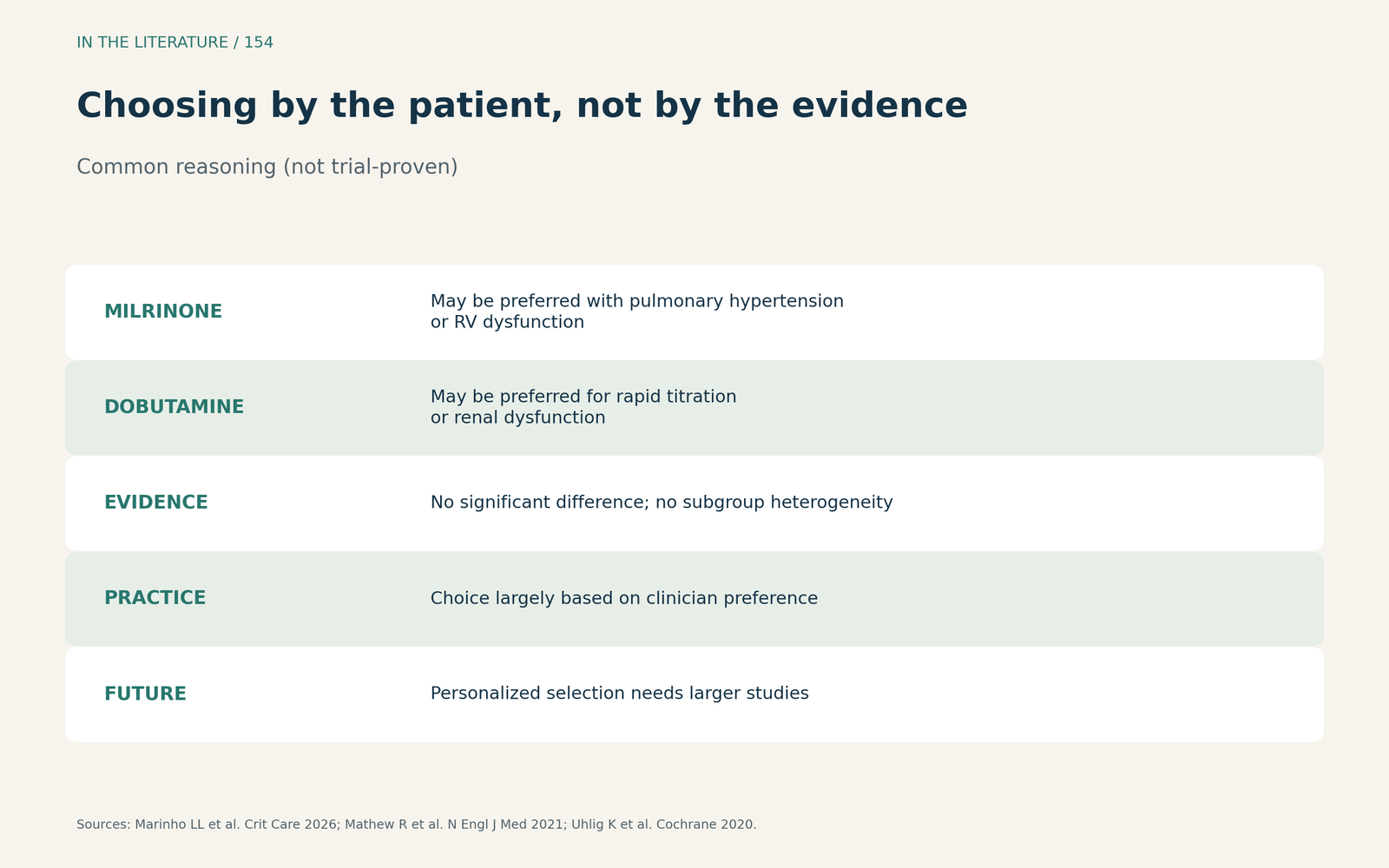
Figure 2. Choosing by the patient, not by the evidence. Synthesized from Marinho et al., Mathew et al. and Uhlig et al.[5], [1], [2] View larger.


Figure 3. Reviews: sparse data, no clear winner. Redrawn from Uhlig et al., Chen et al. and Gayatri et al.[2], [3], [4] View larger.

Three takeaways
- Neither drug is proven better. DOREMI was neutral and underpowered; reviews find no convincing data.[1], [2]
- Match the drug to the patient. Consider right ventricular function, pulmonary pressures, kidneys and the need to titrate.[5]
- Do not give inotropes prophylactically by default. No mortality or low-output benefit was shown.[4]
References
- Mathew R, Di Santo P, Jung RG, et al. Milrinone as compared with dobutamine in the treatment of cardiogenic shock. N Engl J Med. 2021;385(6):516–525. doi:10.1056/NEJMoa2026845
- Uhlig K, Efremov L, Tongers J, et al. Inotropic agents and vasodilator strategies for the treatment of cardiogenic shock or low cardiac output syndrome. Cochrane Database Syst Rev. 2020;11(11):CD009669. doi:10.1002/14651858.CD009669.pub4
- Chen WC, Lin MH, Chen CL, et al. Comprehensive comparisons among inotropic agents on mortality and risk of renal dysfunction in patients who underwent cardiac surgery: a network meta-analysis of randomized controlled trials. J Clin Med. 2021;10(5):1032. doi:10.3390/jcm10051032
- Gayatri D, Tongers J, Efremov L, et al. Prophylactic use of inotropic agents for the prevention of low cardiac output syndrome and mortality in adults undergoing cardiac surgery. Cochrane Database Syst Rev. 2024;11(11):CD013781. doi:10.1002/14651858.CD013781.pub2
- Marinho LL, Lileikyte G, Boileau P, et al. Evaluating possible treatment effect heterogeneity in a randomized trial of milrinone versus dobutamine in cardiogenic shock. Crit Care. 2026;30(1):310. doi:10.1186/s13054-026-05938-6