ITL-d753a82e0d00
Juan Li, MD · Updated November 17, 2026
Watch the video
Key points
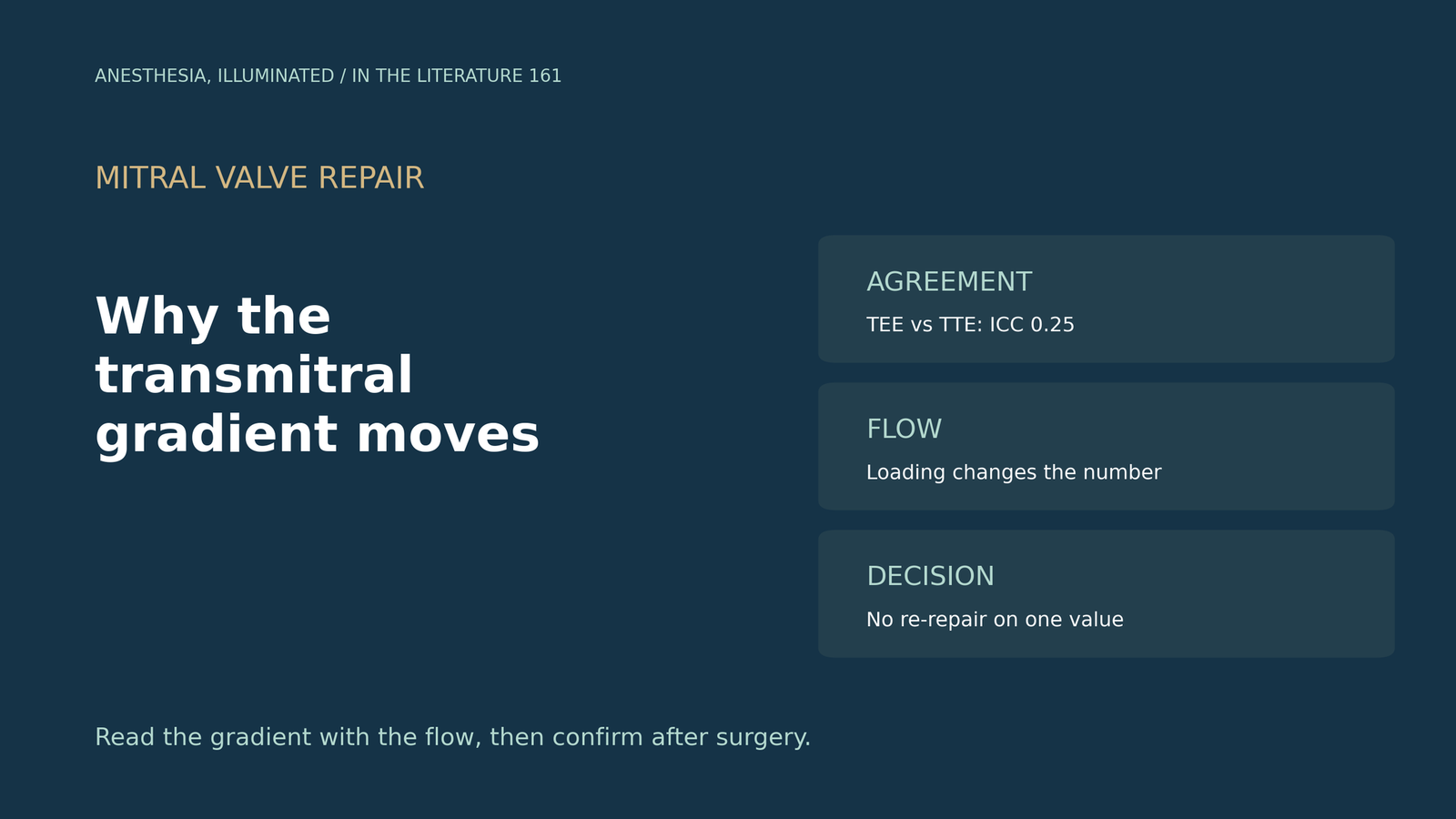
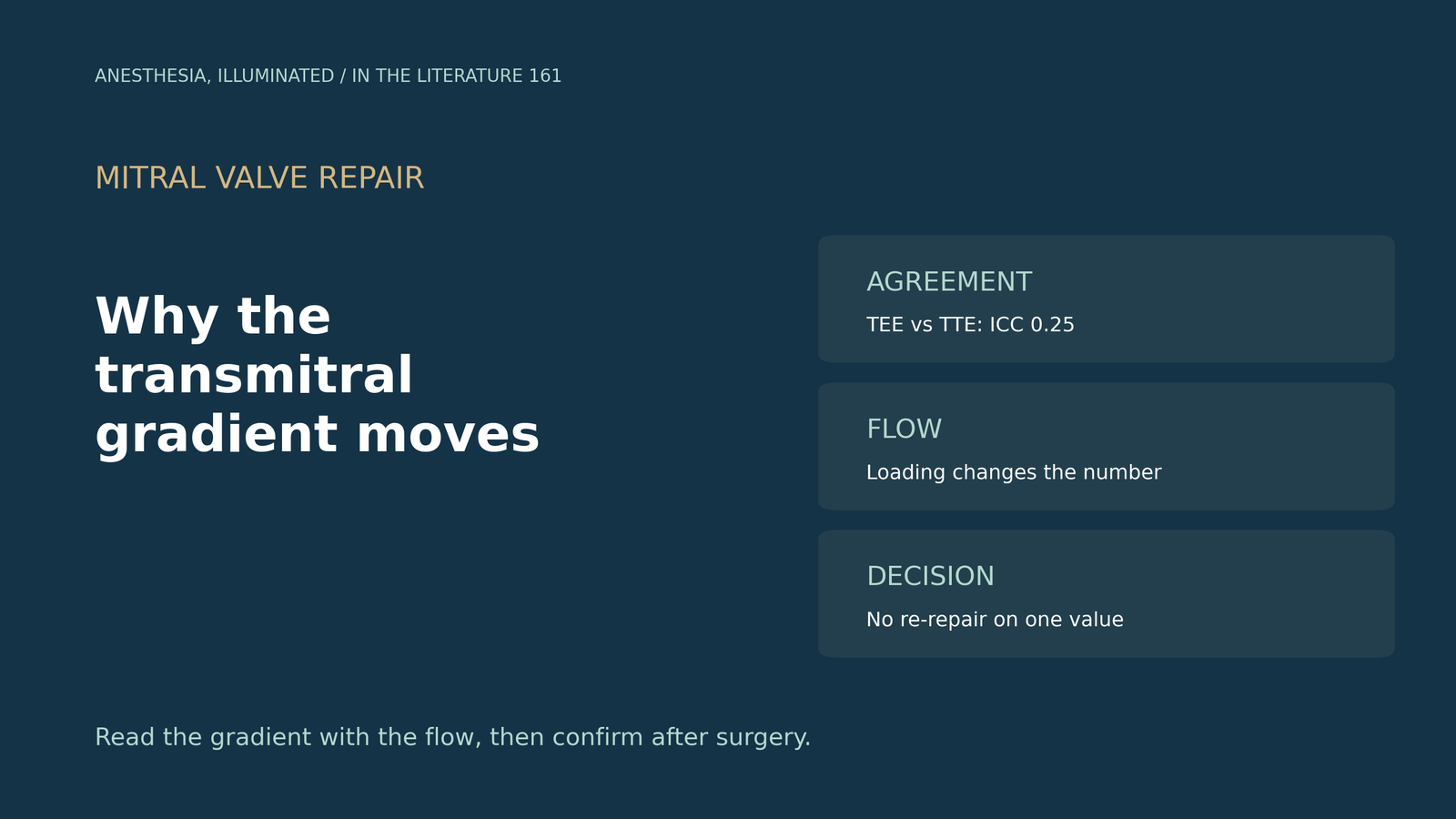
- Agreement is poor. In 206 patients, the post-repair TEE gradient agreed minimally with postoperative TTE (ICC 0.25), while preoperative TTE and pre-repair TEE agreed better (ICC 0.79).[1]
- The error has no single direction. After repair, 55% had a lower and 45% a higher intraoperative gradient, and 5 patients (2.5%) moved from mild to moderate stenosis.[1]
- The number depends on flow. Anesthesia, bypass, volume status and loading change intraoperative gradients, and higher transmitral flow and stroke volume raise them.[1], [2]
- The ring sets the floor. Flow-adjusted gradient was greater with a smaller full ring, and residual regurgitation increases transmitral flow.[2], [3]
- Do not decide on one number. The authors argue against an isolated intraoperative threshold for re-repair and highlight postoperative echocardiographic follow-up, whose timing varies (about 6 days in one cohort).[1], [4]
After mitral repair with an annuloplasty ring, the post-bypass TEE shows a mean transmitral gradient that looks acceptable, yet a later transthoracic echo reports a different value. Why do the two measurements disagree, and how should the intraoperative number be used?[1], [2]
How well do the measurements agree?
Gu and colleagues analysed 206 of 395 patients after mitral repair, with a median of 5 days between intraoperative TEE and postoperative TTE. Agreement between post-repair TEE and postoperative TTE was minimal (ICC 0.25), whereas preoperative TTE and pre-repair TEE agreed better (ICC 0.79). Under general anesthesia and positive pressure ventilation, pre-repair TEE gradients were lower than preoperative TTE in 73% and higher in 21%, but no patient changed stenosis category. After repair, 55% had lower and 45% higher intraoperative values, 5 patients (2.5%) moved from mild to moderate stenosis, and no acute stenosis was seen.[1]
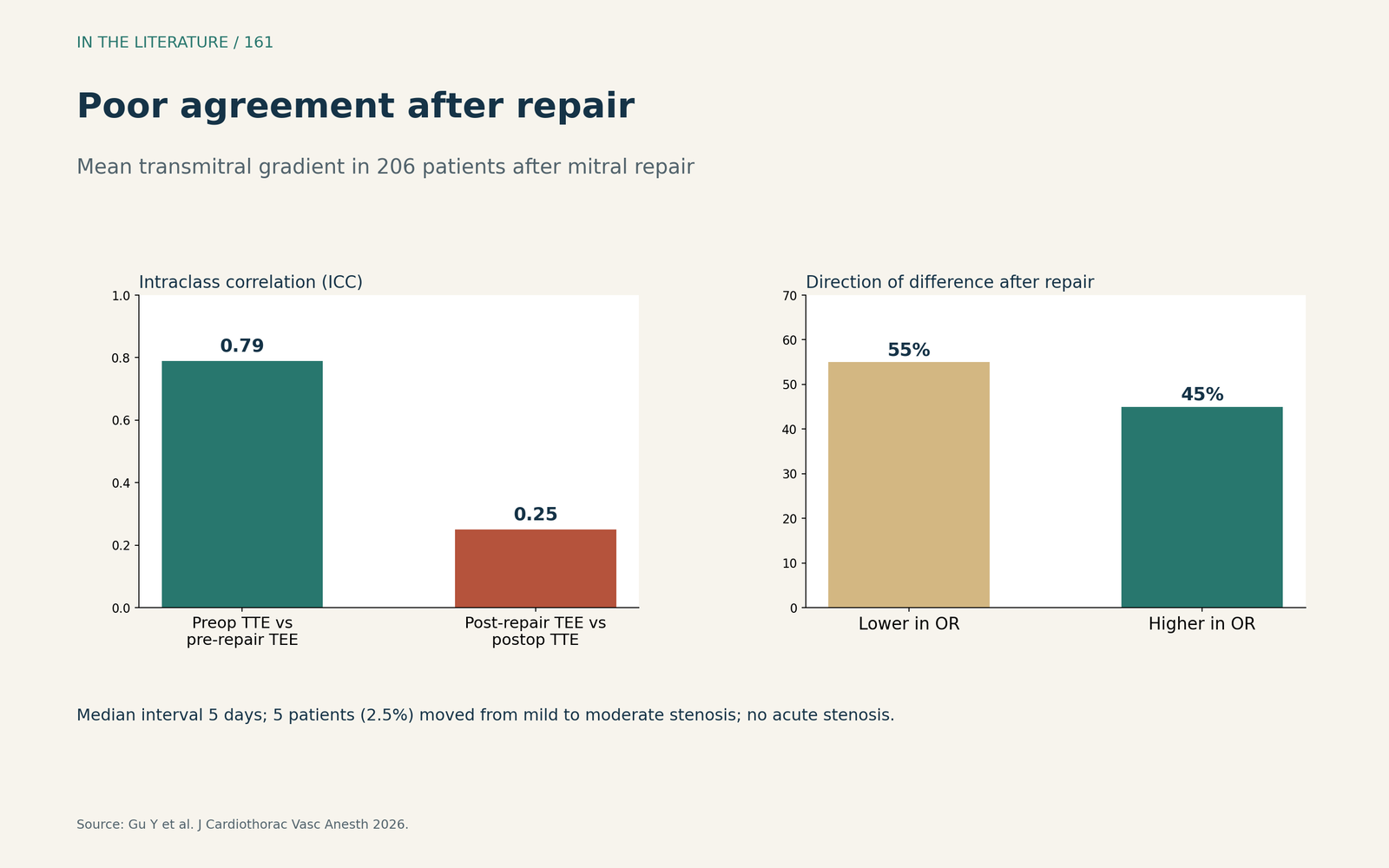
Figure 1. Poor agreement after repair. Redrawn from Gu et al.[1] View larger.

Why the numbers move
Intraoperative gradients are influenced by general anesthesia, bypass, volume status and loading, and in Gu's analysis the measured hemodynamic and surgical factors did not explain the differences.[1] Hiraoka and colleagues note that higher transmitral flow from ventricular and atrial output raises the gradient; mean gradient correlated only weakly with stroke volume (r = .25), conventional mitral hemodynamic parameters were not associated with adverse events (20 patients, 6.6%), and flow-adjusted gradient was greater with a smaller full ring.[2] Hu and colleagues add that residual or recurrent regurgitation can increase transmitral flow; in their cohort 36 of 215 patients with follow-up echo met functional stenosis criteria, defined only by resting mean gradient.[3]
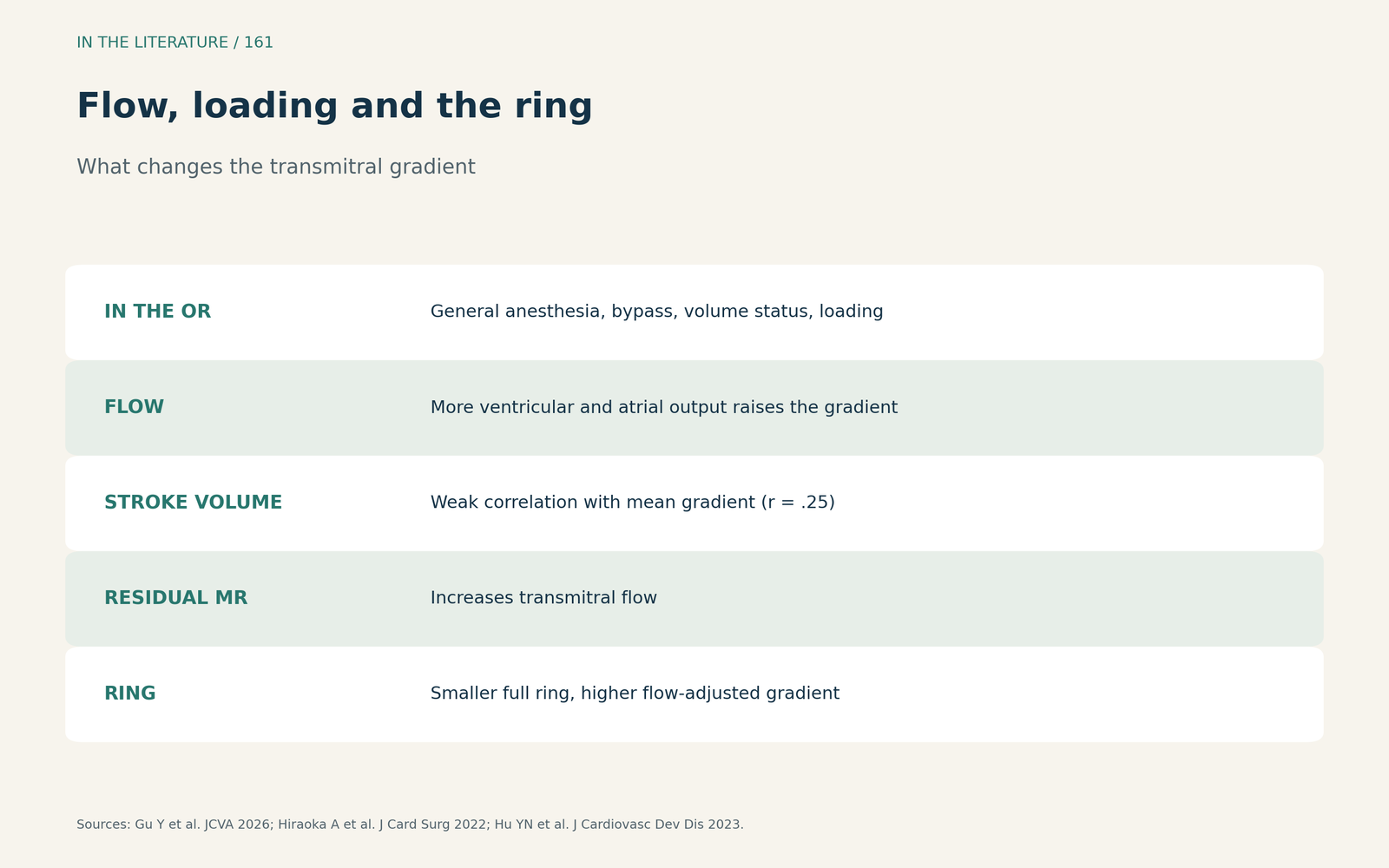
Figure 2. Flow, loading and the ring. Synthesized from Gu et al., Hiraoka et al. and Hu et al.[1], [2], [3] View larger.

Using the intraoperative number
Anesthesiologists perform TEE after repair to confirm it is complete.[3] Gu and colleagues argue against using an isolated intraoperative gradient threshold to decide on re-repair and highlight postoperative echocardiographic follow-up.[1] Postoperative timing varies: in Sasaki's cohort, TTE was performed at an average of 6.2 days, and patients with tachyarrhythmia at that examination were excluded.[4]
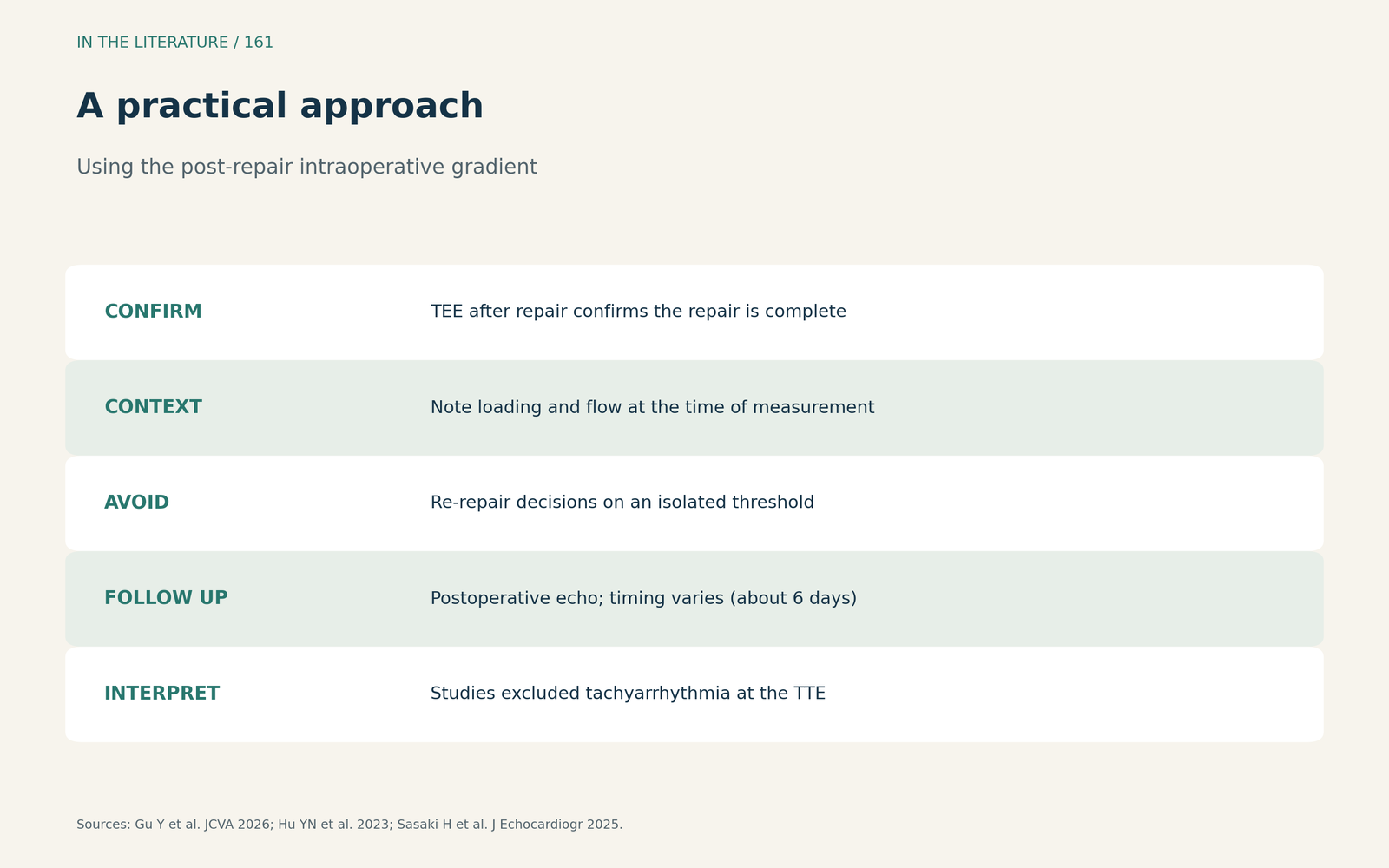
Figure 3. A practical approach. Synthesized from Gu et al., Hu et al. and Sasaki et al.[1], [3], [4] View larger.

Three takeaways
- Expect disagreement. Post-repair TEE and postoperative TTE gradients agree poorly, in both directions.[1]
- Read the gradient with the flow. Loading, stroke volume, residual regurgitation and ring size all change it.[2], [3]
- One number is not a verdict. Avoid re-repair decisions on an isolated threshold and follow up with postoperative echo.[1]
References
- Gu Y, Jiang T, Lander HL, Knight PA, Wyrobek JA. Poor agreement between intraoperative transesophageal echocardiography and postoperative transthoracic echocardiography for transmitral mean pressure gradient after mitral valve repair. J Cardiothorac Vasc Anesth. 2026;40(6):1630–1637. doi:10.1053/j.jvca.2026.01.033
- Hiraoka A, Hayashida A, Totsugawa T, et al. Flow adjusted transmitral pressure gradient as a modified indicator of functional mitral stenosis after repair for degenerative mitral regurgitation. J Card Surg. 2022;37(7):1827–1834. doi:10.1111/jocs.16373
- Hu YN, Lee WH, Tsai MT, et al. The predictors and outcomes of functional mitral stenosis following surgical mitral valve repair: a retrospective analysis. J Cardiovasc Dev Dis. 2023;10(11):470. doi:10.3390/jcdd10110470
- Sasaki H, Takaoka H, Yoshida K, et al. Preoperative mitral valve annulus area size is an important factor in avoiding functional mitral stenosis after mitral valve repair. J Echocardiogr. 2025;23(2):123–132. doi:10.1007/s12574-024-00671-x