ITL-32e73115363c
Juan Li, MD · Updated November 18, 2026
Watch the video
Key points
- Superior regardless of intent. HeartMate 3 outperformed HeartMate II in both bridge (76.8% vs 67.3%) and destination therapy (73.2% vs 58.7%; HR 0.61) patients.[1]
- The gain was hemocompatibility. Pump thrombosis was virtually eliminated, and stroke was reduced by more than 50%.[1]
- Benefit persisted. Five-year survival was 58.4% with HM3 versus 43.7% with HMII.[2]
- The market followed. Axial pumps nearly disappeared, HM3 became the only commercially available durable VAD, and guidelines report stroke 3.3 times lower with it.[2], [3], [4]
- Not every problem is solved. Right heart failure was not reduced, and gastrointestinal bleeding was comparable across devices in a real-world cohort.[1], [5]
A patient with stage D heart failure who is not yet a transplant candidate is scheduled for a durable left ventricular assist device. What did MOMENTUM 3 show, and why does nearly every current implant use the same pump?[1], [2]
What MOMENTUM 3 showed
In Goldstein's prespecified MOMENTUM 3 analysis, HM3 outcomes were superior to HMII in the bridge group (76.8% vs 67.3%) and in the destination group (73.2% vs 58.7%; HR 0.61), although survival alone did not differ between pumps in the bridge group. Pump thrombosis was virtually eliminated with HM3 and stroke was reduced by more than 50% regardless of intent, while right heart failure was more frequent with HM3 in one intent group. Of 624 patients first judged transplant-ineligible, 84 (13.5%) received a transplant within 2 years.[1] Stawiarski and Ramakrishna summarize the five-year results: survival was 58.4% with HM3 versus 43.7% with HMII, and hemocompatibility events were lower with HM3.[2]
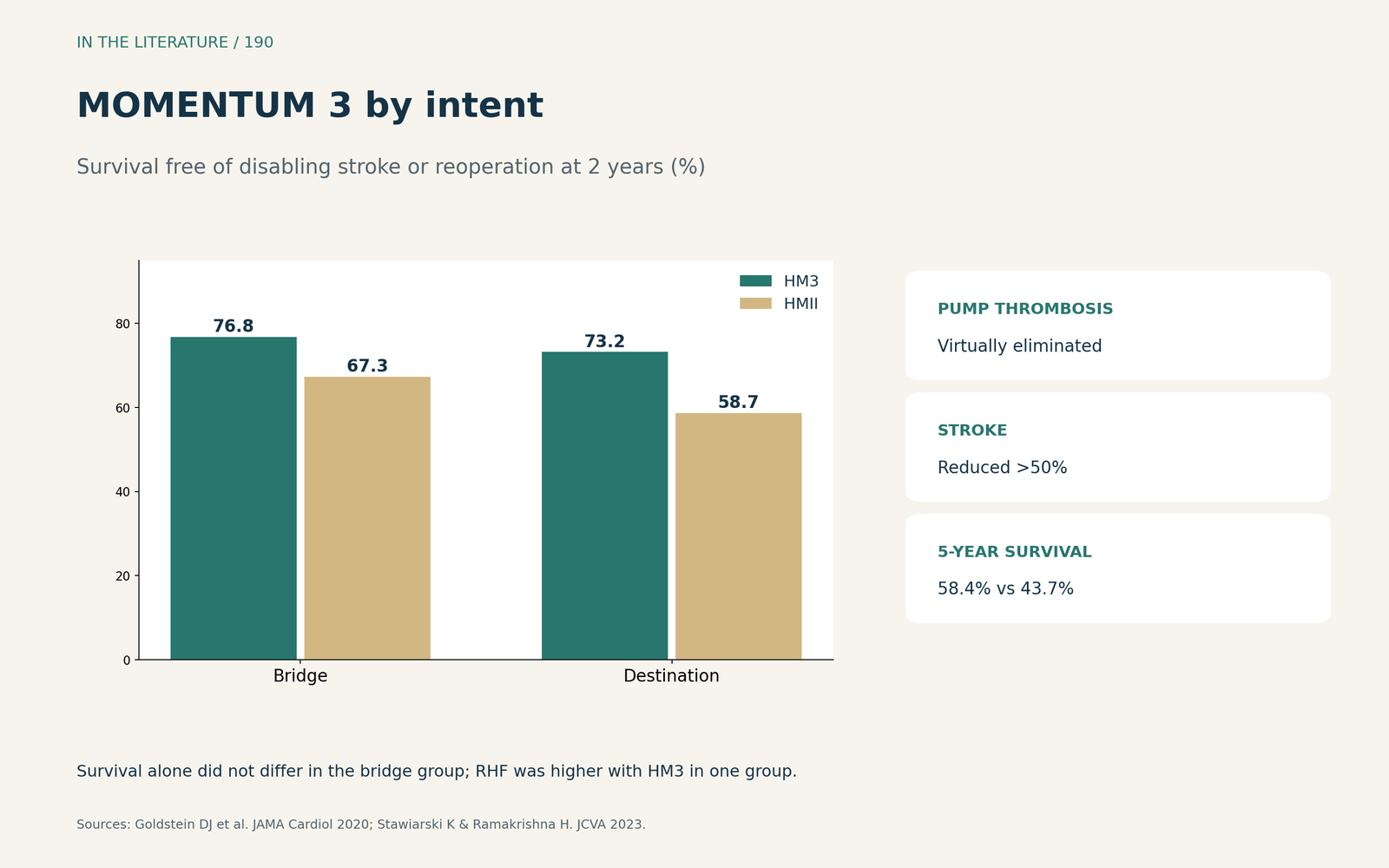
Figure 1. Better in both intents. Redrawn from Goldstein et al. and Stawiarski and Ramakrishna.[1], [2] View larger.

How the device landscape changed
Axial pumps nearly disappeared, with only 37 implants from January to September 2019, and no randomized trial has compared hybrid and fully levitated centrifugal pumps.[3] After HVAD was withdrawn, HM3 became the only commercially available durable VAD.[2] The 2023 ISHLT guideline notes stroke 3.3 times lower with HeartMate 3, describes pump thrombosis as rare with it, and states that exchange to HeartMate 3 from a prior device may be reasonable.[4]
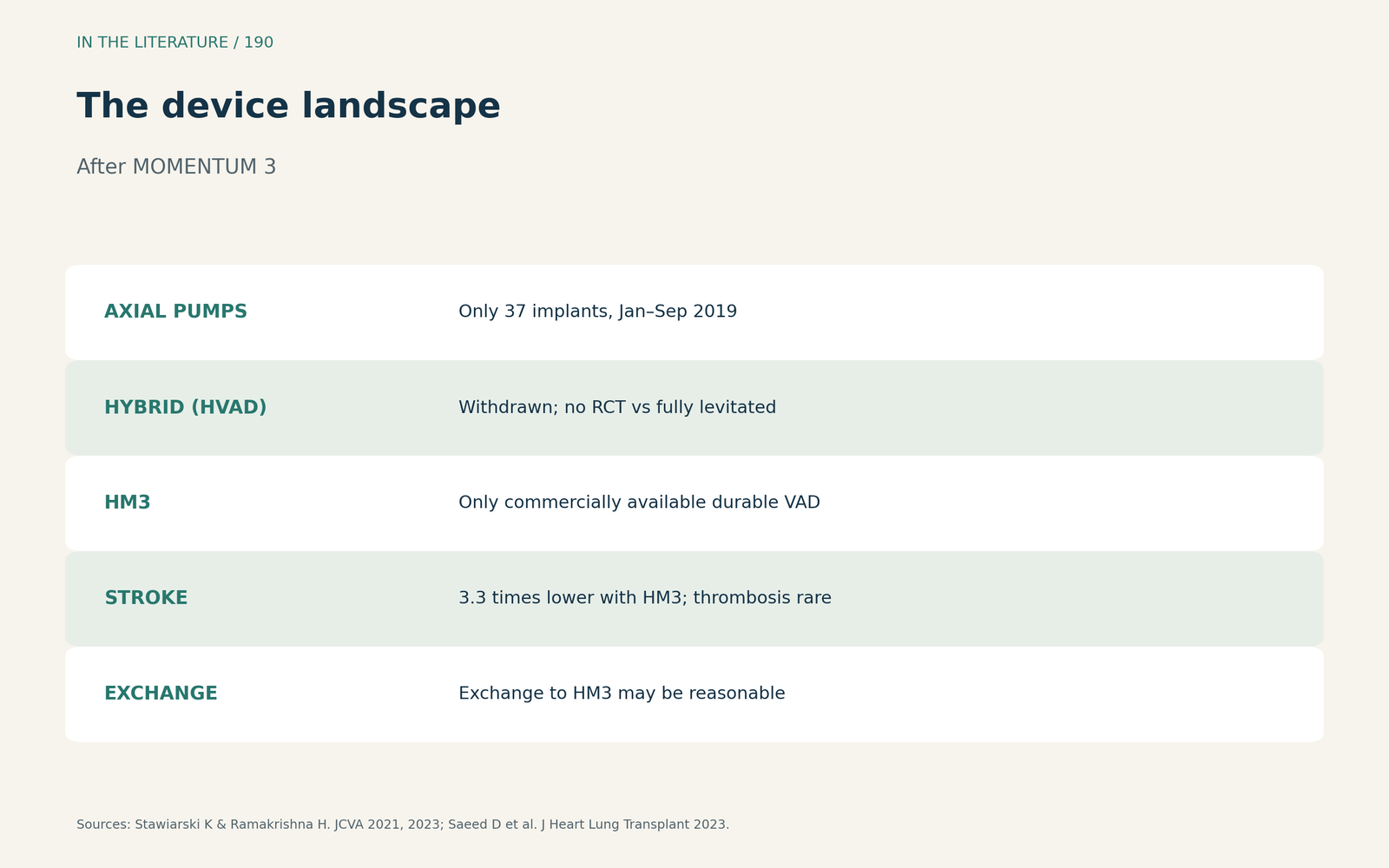
Figure 2. From three pumps to one. Synthesized from Stawiarski and Ramakrishna, and Saeed et al.[3], [2], [4] View larger.

Real-world confirmation and limits
Ben Nasir and colleagues compared 327 patients with HVAD, HMII or HM3. Compared with HM3, HMII carried higher mortality (HR 2.15), whereas HVAD mortality did not differ significantly (HR 1.37); pump thrombosis was 2.6% with HM3, and gastrointestinal bleeding was comparable across all three devices. The HM3 group was smaller than the legacy device groups.[5]
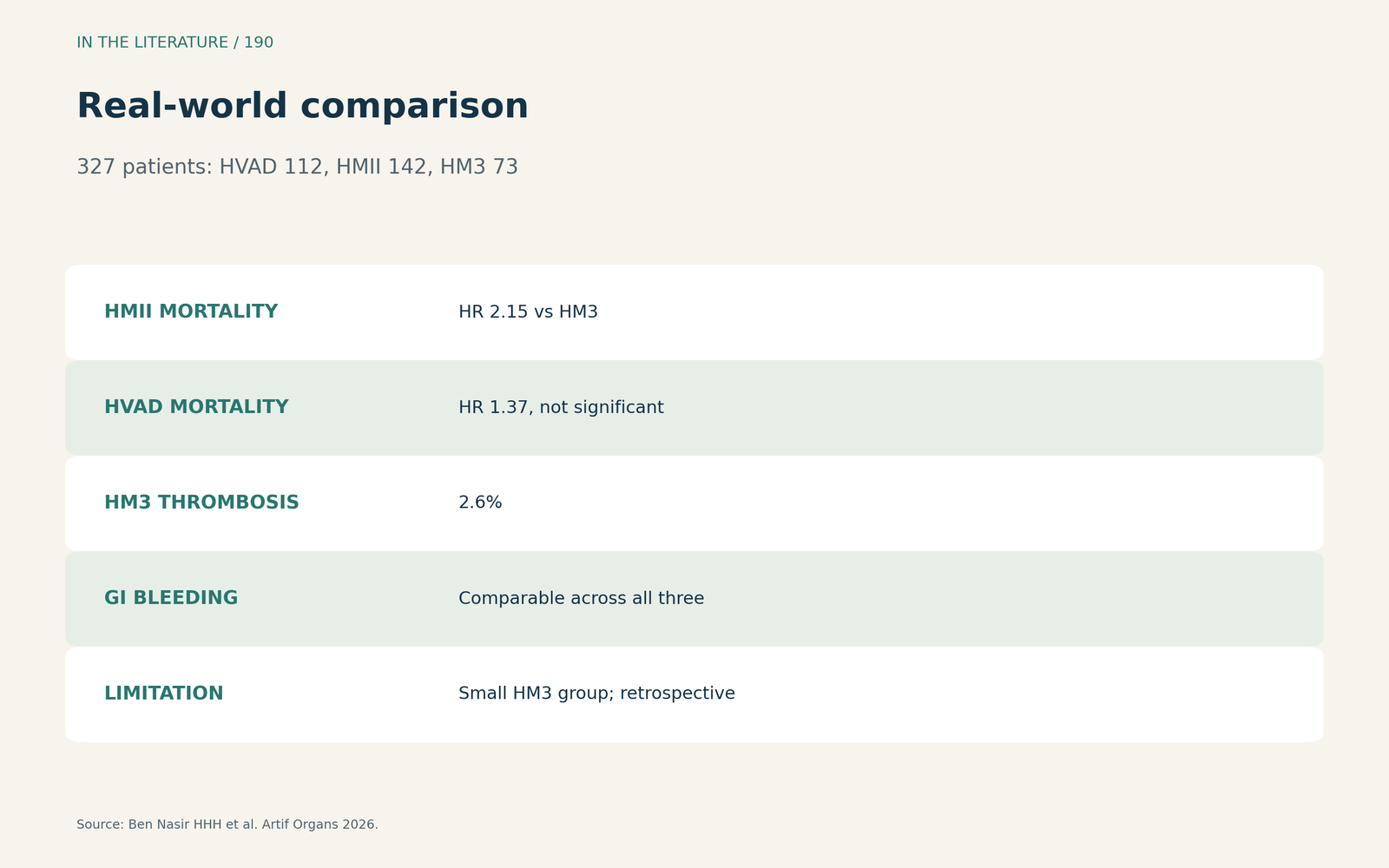
Figure 3. Consistent, with limits. Redrawn from Ben Nasir et al.[5] View larger.

Three takeaways
- MOMENTUM 3 settled the device question in favour of HeartMate 3, regardless of transplant intent.[1]
- The advantage is hemocompatibility: far less pump thrombosis and stroke.[1], [4]
- Right heart failure and bleeding remain the anaesthesiologist's concerns.[1], [5]
References
- Goldstein DJ, Naka Y, Horstmanshof D, et al. Association of clinical outcomes with left ventricular assist device use by bridge to transplant or destination therapy intent: the Multicenter Study of MagLev Technology in Patients Undergoing Mechanical Circulatory Support Therapy With HeartMate 3 (MOMENTUM 3) randomized clinical trial. JAMA Cardiol. 2020;5(4):411–419. doi:10.1001/jamacardio.2019.5323
- Stawiarski K, Ramakrishna H. Five-year outcomes for the HeartMate3 left ventricular assist device. J Cardiothorac Vasc Anesth. 2023;37(3):342–343. doi:10.1053/j.jvca.2022.11.018
- Stawiarski K, Ramakrishna H. Left ventricular mechanical circulatory support: assessing outcomes with new data. J Cardiothorac Vasc Anesth. 2021;35(8):2499–2502. doi:10.1053/j.jvca.2020.08.036
- Saeed D, Feldman D, El Banayosy A, et al. The 2023 International Society for Heart and Lung Transplantation guidelines for mechanical circulatory support: a 10-year update. J Heart Lung Transplant. 2023;42(7):e1–e222. doi:10.1016/j.healun.2022.12.004
- Ben Nasir HHH, Mohammed AFA, Allham O, et al. Hemocompatibility and long-term outcomes in HeartWare versus HeartMate II versus HeartMate 3: multicenter real-world cohort. Artif Organs. 2026;50(4):580–589. doi:10.1111/aor.70086