ITL-4ad4fdbf089a
Juan Li, MD · Updated November 18, 2026
Key points
- Common on VV-ECMO. New-onset atrial arrhythmias affected 30.5% of patients, at a median of 1.7 days.[1], [2]
- A bad sign. Mortality was 38.8% vs 19.1%, and the arrhythmia remained independently associated with death (OR 2.11).[1]
- Marker or cause? It is unclear whether atrial arrhythmias cause outcomes or merely signal severity.[2]
- VA-ECMO is different. VF/VT within 72 h occurred in 27.78%; it did not affect 28-day survival but worsened myocardial damage.[3]
- Electrical storm. Ablation was associated with better weaning, but not significantly with survival.[4]
A patient on venovenous ECMO for ARDS develops atrial fibrillation with a rapid rate on day 2, and the norepinephrine dose is rising. Is this a problem to fix, or a warning about the illness?[1], [2]
Atrial arrhythmias on VV-ECMO
In a retrospective cohort (Li et al., J Cardiothorac Vasc Anesth 2022), 30.5% of VV-ECMO patients developed new-onset atrial arrhythmias; age, male sex and norepinephrine use were independently associated with them, mortality was 38.8% vs 19.1%, and the adjusted OR for death was 2.11.[1] Amiodarone was used in 85.1% and 58.2% needed direct-current cardioversion; potassium and magnesium did not differ before onset.[1] The authors suggest the arrhythmia may be an early marker of illness severity, and that atrial stretch from right heart dysfunction might contribute.[1] In a smaller leptospirosis series (Quizon et al., Acta Med Philipp 2026), new-onset atrial arrhythmia occurred in 19.4% and electrolytes did not differ between groups.[5]
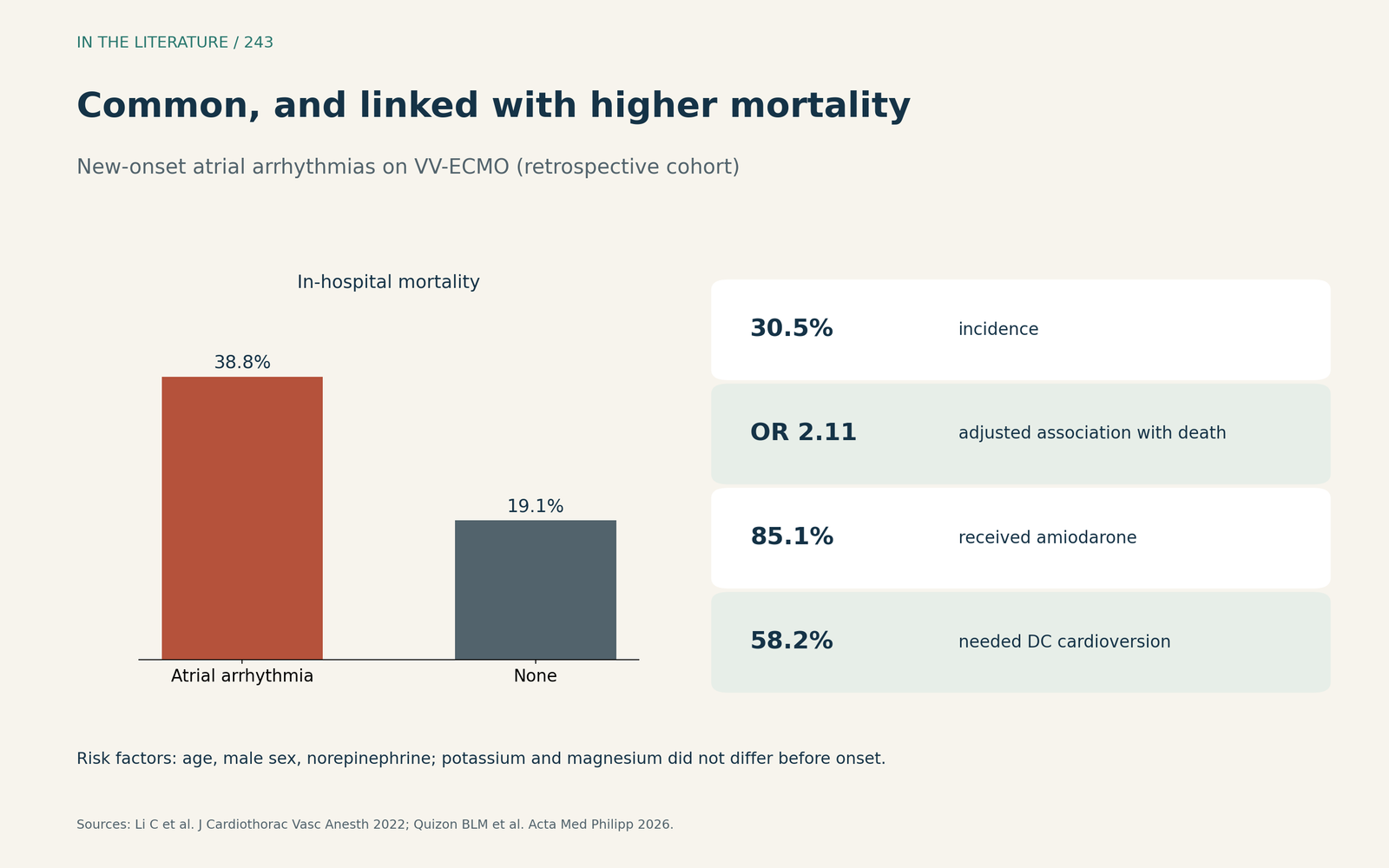
Figure 1. Common, and linked with higher mortality. Data from Li et al. and Quizon et al.[1], [5] View larger.

Marker or cause?
Chweich et al. (J Cardiothorac Vasc Anesth 2022) note the median onset was 1.7 days after starting ECMO and ask whether atrial arrhythmias cause outcomes or merely signal severity, and whether preventing them improves survival; both remain open questions.[2]
Ventricular arrhythmias on VA-ECMO
Zhou et al. (ESC Heart Fail 2024) found VF/VT within 72 h of VA-ECMO in 27.78%, and 80% received defibrillation; VF/VT did not affect 28-day survival but significantly worsened myocardial damage, and untreated VF/VT can aggravate left-sided blood stasis and pulmonary oedema.[3] VF/VT is closely related to coronary perfusion, and body temperature and volume should be evaluated first.[3] For electrical storm (STORM-ECMO, Saura et al., Crit Care 2026), ablation was associated with higher weaning success (cs-HR 1.72), and ablation by day 4 had an advantage over later ablation (HR 2.10), though this may partly reflect prior stabilization; ablation was not significantly associated with overall survival.[4]
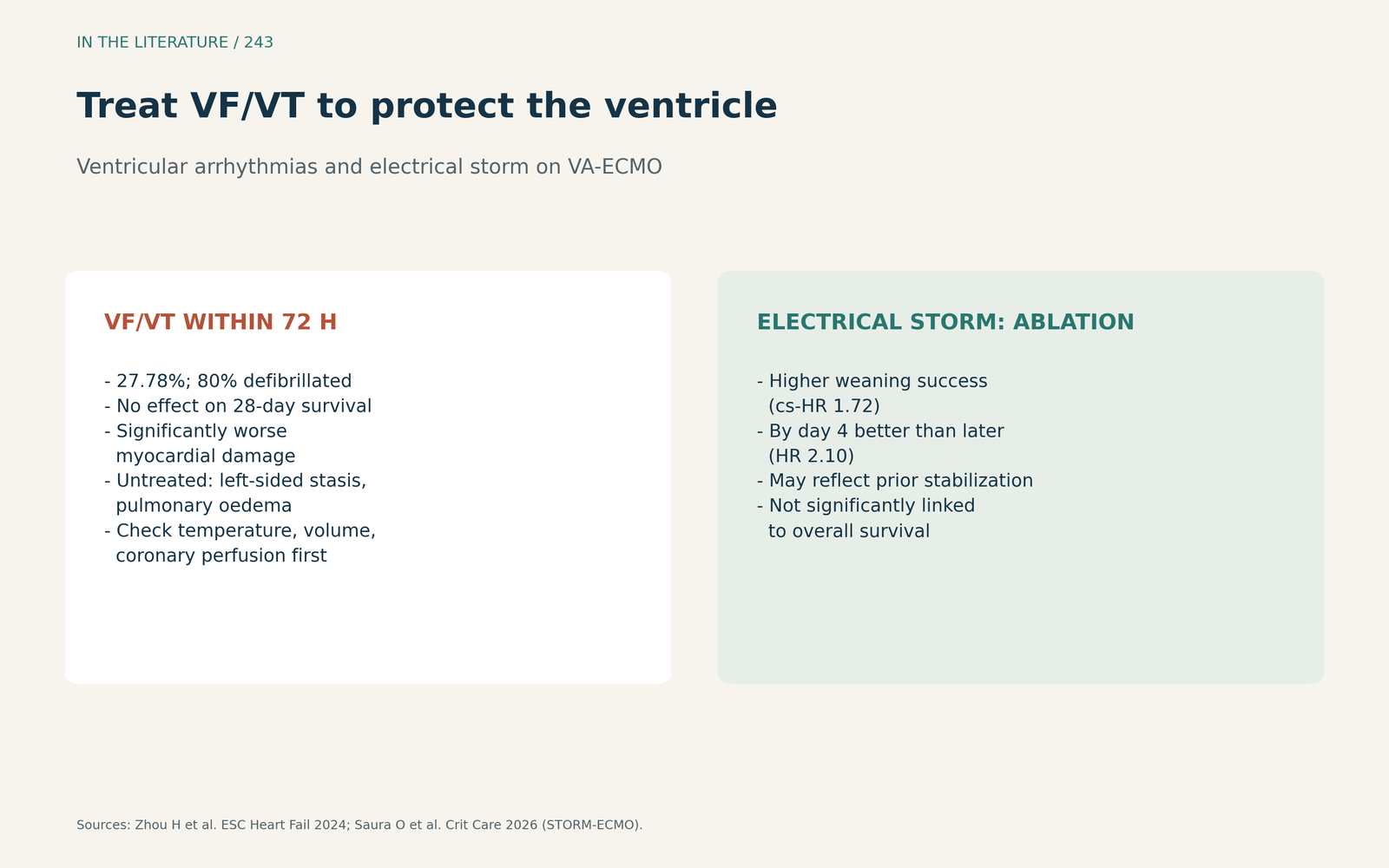
Figure 2. Treat VF/VT to protect the ventricle. Data from Zhou et al. and the STORM-ECMO study.[3], [4] View larger.

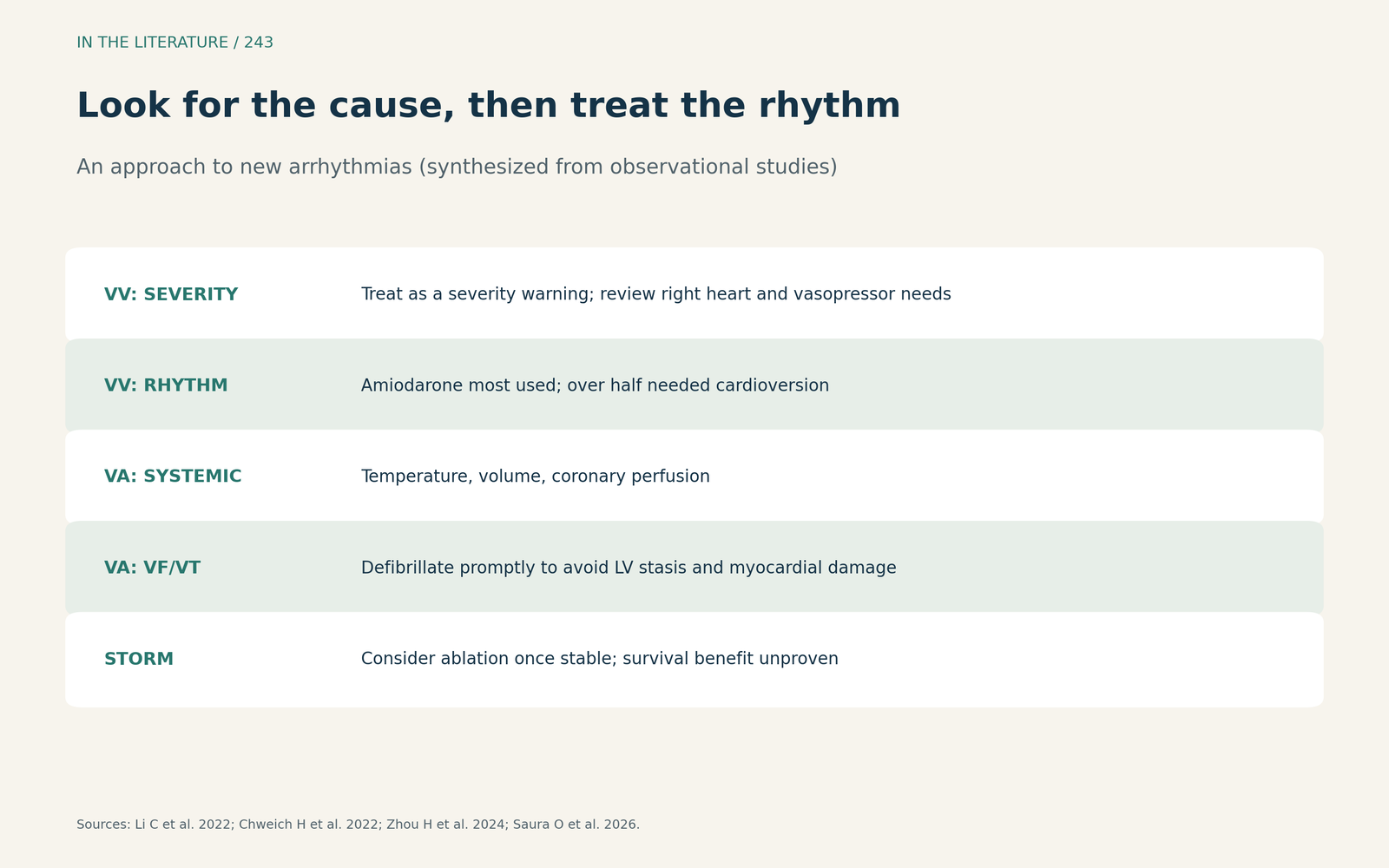
Figure 3. Look for the cause, then treat the rhythm. Synthesized from Li et al., Chweich et al. and Zhou et al.[1], [2], [3] View larger.

Three takeaways
- Treat a new atrial arrhythmia on VV-ECMO as a warning sign of severity and look for the driver.[1], [2]
- On VA-ECMO, check temperature, volume and coronary perfusion, and treat VF/VT promptly to limit myocardial damage.[3]
- For electrical storm on VA-ECMO, consider ablation once stabilized; it helps weaning but survival benefit is unproven.[4]
References
- Li C, Pajoumand M, Lambert K, et al. New-onset atrial arrhythmias are independently associated with in-hospital mortality in veno-venous extracorporeal membrane oxygenation. J Cardiothorac Vasc Anesth. 2022;36(6):1648–1655. doi:10.1053/j.jvca.2021.12.012
- Chweich H, Naoum EE, Ortoleva JP. Atrial arrhythmias during venovenous ECMO: a cry for help? J Cardiothorac Vasc Anesth. 2022;36(6):1656–1657. doi:10.1053/j.jvca.2021.12.032
- Zhou H, Zhu Y, Zhang Z, et al. Ventricular fibrillation/ventricular tachycardia within 72 h of VA-ECMO: incidence, outcomes, risk factors, and management. ESC Heart Fail. 2024;11(1):524–532. doi:10.1002/ehf2.14615
- Saura O, Lucenteforte M, Beneyto M, et al. Ventricular arrhythmia ablation timing and outcomes in electrical STORM requiring V-A ECMO support: the STORM-ECMO study. Crit Care. 2026;30(1):198. doi:10.1186/s13054-026-05969-z
- Quizon BLM, Adiong AA, Dayao MJA, et al. Electrocardiographic findings and incidence of new-onset atrial arrhythmia among patients with severe leptospirosis who underwent veno-venous extracorporeal membrane oxygenation: a single center cross-sectional study. Acta Med Philipp. 2026;60(13). doi:10.47895/amp.v60i13.13637