
ITL-8ed3f0b3d810
Watch the video

Figure 1. Restored systemic flow and adequate left-heart decompression are separate questions. Conceptual artwork, not a cannulation diagram.
Key points
- Peripheral VA-ECMO can restore perfusion while increasing LV afterload; assess the ventricle even when the circuit flow looks satisfactory.[1]
- Persistent aortic valve closure, LV distension or stasis, pulmonary congestion and elevated filling pressures warrant an active unloading assessment.[1]
- EARLY-UNLOAD found no demonstrated mortality advantage from routine early transseptal left atrial drainage over a strategy allowing rescue drainage.[2, 3]
- That trial tested a timing strategy with one unloading method; it did not compare Impella, surgical BiVAD and VA-ECMO as interchangeable treatments.
- A neutral routine-strategy trial is not a reason to leave established LV overload untreated.
A good circuit flow does not answer the ventricular question
The patient is now on peripheral VA-ECMO. Arterial pressure has improved, but the aortic valve barely opens and pulmonary congestion persists. The next question is not simply whether to increase pump flow. It is whether the left heart is filling without ejecting adequately.
Retrograde aortic flow can increase LV afterload. Meanwhile, blood still reaches the left heart through pulmonary venous return and other sources. In a poorly contracting ventricle, the combination can produce distension, elevated left-sided filling pressures, pulmonary edema and blood stasis. The physiological response varies; not every patient develops the same degree of overload.[1]
Echocardiography should connect LV size and function with aortic valve opening, spontaneous echo contrast or thrombus, and associated valve disease. Interpret those findings with arterial pulsatility, pulmonary congestion and filling pressures when available. No single circuit-flow value establishes adequate LV decompression.[1]
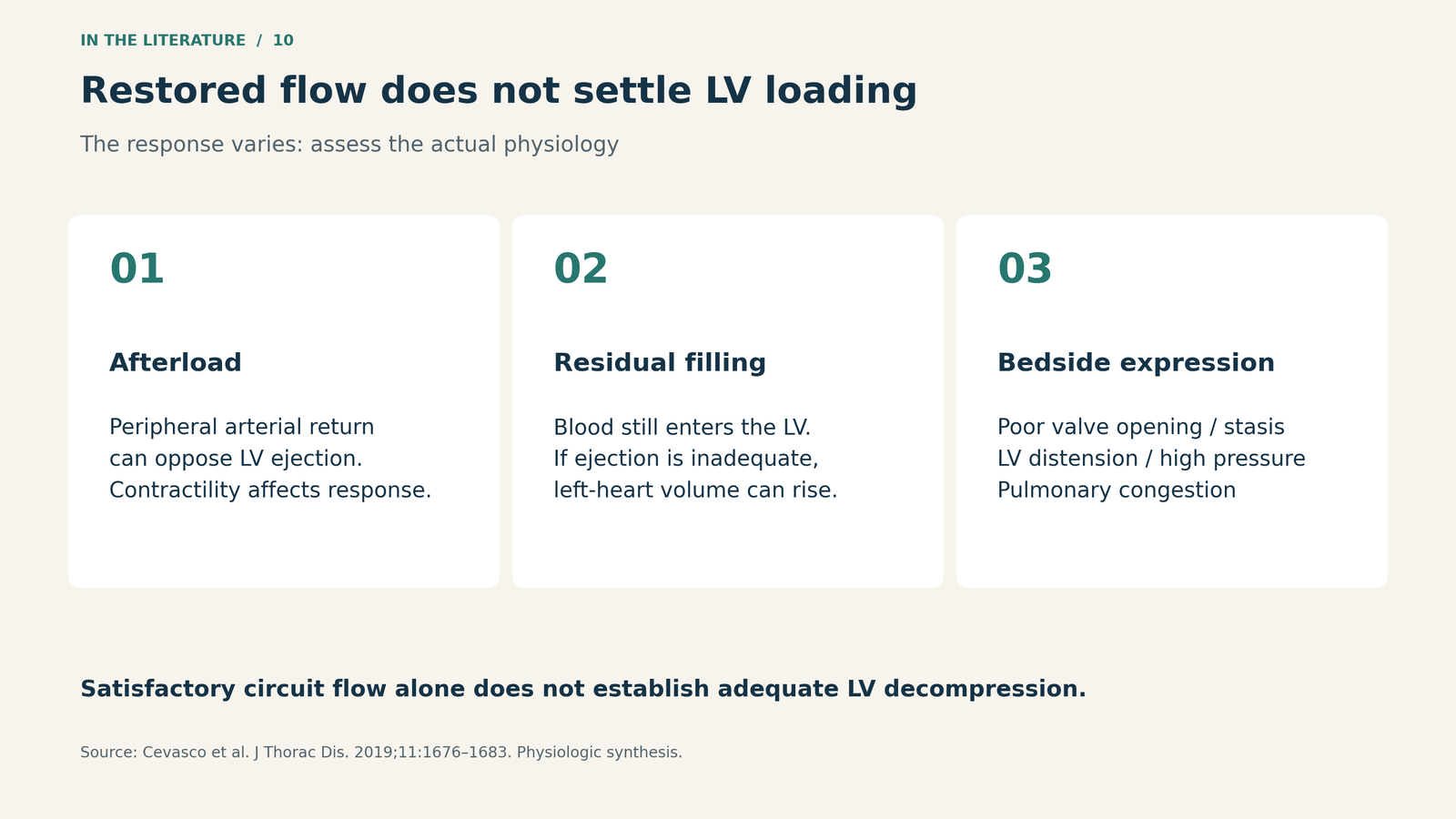
Figure 2. A mechanism to look for, not an inevitable response in every patient. Systemic perfusion and LV loading must be assessed together.[1]

What did routine early unloading actually achieve?
EARLY-UNLOAD randomized 116 patients at one Korean center to routine transseptal left atrial cannulation within 12 hours after randomization or a conventional strategy that permitted rescue cannulation. The intervention drained the left atrium; it was not an Impella trial.[2]
The published abstract reports 30-day mortality of 27/58 (46.6%) with early unloading versus 26/58 (44.8%) with conventional care: hazard ratio 1.02, 95% CI 0.59–1.74. Twenty-nine conventional-group patients—50%—received rescue drainage. Thus, the comparison was routine early drainage versus selective rescue, not drainage versus never draining. Pulmonary congestion resolved sooner in the early group, a median of three versus five days.[2]
The one-year report, also available here only as an abstract, did not show a mortality difference: 33/58 (56.9%) versus 32/56 (57.1%), hazard ratio 0.97, 95% CI 0.60–1.58. Follow-up data were available for 114 of the original 116 participants.[3] These are follow-up results from the same trial, not an independent replication.
The intervals remain compatible with clinically important differences. “No demonstrated mortality benefit” is the supported conclusion; “equally effective,” “equally safe,” or “unloading is unnecessary” would go further than the results allow. The numerical trial findings above are taken from the two published abstracts.[2, 3]
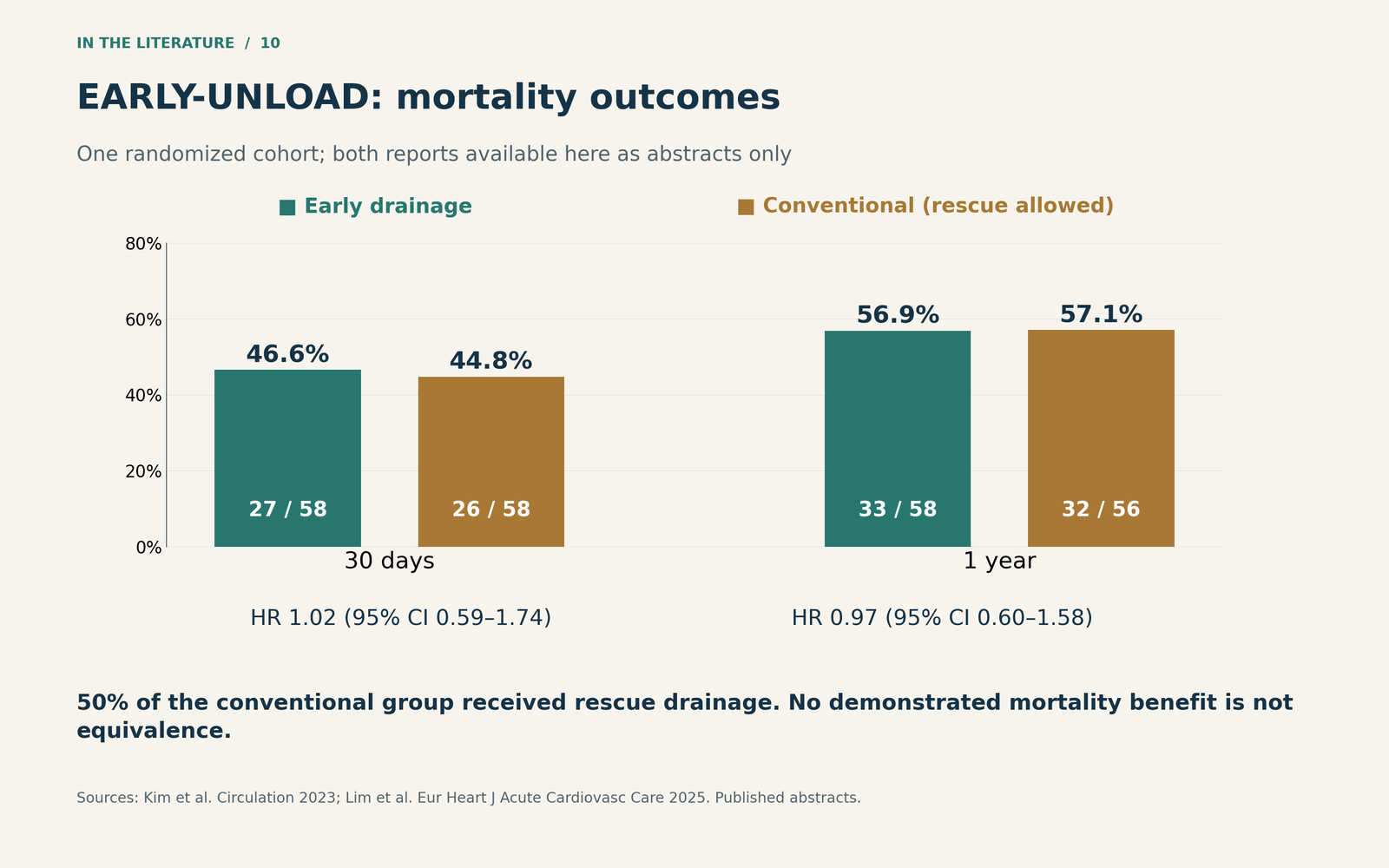
Figure 3. The same randomized cohort at two time points. Source access: published abstracts only. Half the conventional group received rescue drainage; the one-year denominators differ because two participants lacked follow-up.[2, 3]

Does newer evidence make the choice universal?
A 2026 two-center observational analysis evaluated early IABP or Impella unloading using a target-trial emulation approach. Its overlap-weighted 60-day mortality risk difference was 1.4 percentage points, with a 95% CI from −11.8 to +14.6. Device choice was closely tied to center, and the cohort required at least 48 hours of VA-ECMO support.[4]
This is useful contemporary evidence, but it does not randomize device selection or settle care during the earliest unstable hours. The broad interval and residual confounding support continued uncertainty about routine use, rather than proving absence of benefit in a patient with demonstrable overload.[4]
Make a selective strategy active
Selective unloading requires repeated assessment and a practical rescue pathway. Persistent valve closure with stasis, progressive LV distension, pulmonary edema or refractory ventricular arrhythmias should prompt the ECMO team to reassess decompression. Volume, afterload, contractility and circuit settings need coordinated review while preserving end-organ perfusion; reducing support merely to obtain valve opening can sacrifice the reason ECMO was started.[1]
If mechanical unloading is needed, the anatomical target matters. Left atrial drainage reduces filling of the LV. A transvalvular microaxial pump directly drains the LV into the aorta. A surgical vent provides another route to drainage. Each adds different access, bleeding, positioning or hemolysis considerations.[1]
Persistent biventricular failure also requires a broader support and bridge discussion. An LV-unloading timing trial cannot establish that conversion to a surgical BiVAD is preferable, or identify which complete support configuration best fits a particular patient's respiratory and circulatory needs.
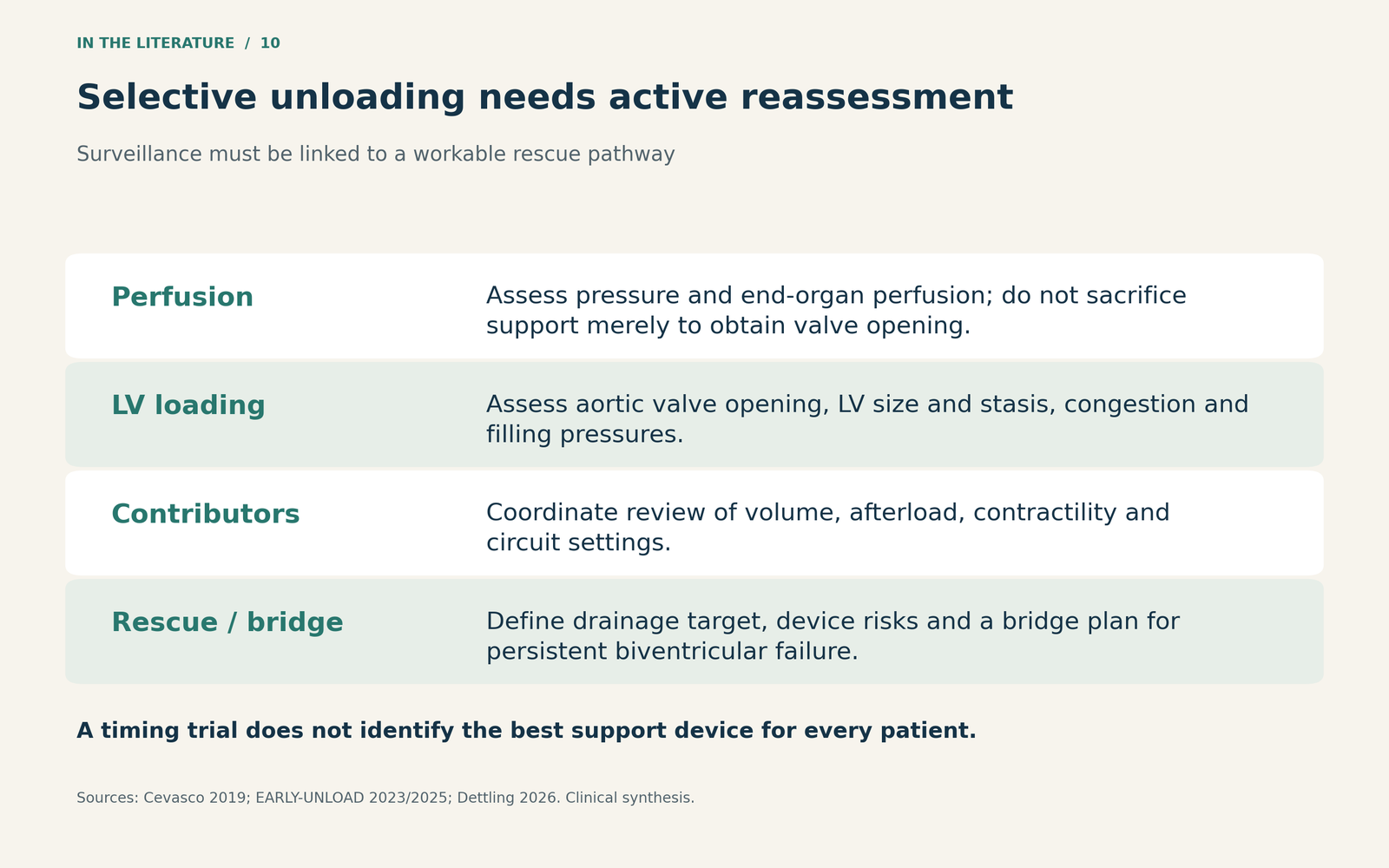
Figure 4. Clinical synthesis: selective treatment requires surveillance and the ability to act. The figure does not prescribe one device or a universal time cutoff.[1, 2, 3, 4]

Three takeaways
- Assess the heart as well as the circuit. Improved arterial pressure does not establish LV decompression.
- Keep the trial comparison intact. Routine early left atrial drainage did not demonstrate a mortality advantage over care that allowed rescue drainage.
- Respond to the patient's loading pattern. Recognized overload needs an active plan; device choice and escalation require their own assessment.
References
- Cevasco M, Takayama H, Ando M, Garan AR, Naka Y, Takeda K. Left ventricular distension and venting strategies for patients on venoarterial extracorporeal membrane oxygenation. J Thorac Dis. 2019;11(4):1676–1683. doi:10.21037/jtd.2019.03.29.
- Kim MC, Lim Y, Lee SH, et al. Early left ventricular unloading or conventional approach after venoarterial extracorporeal membrane oxygenation: the EARLY-UNLOAD randomized clinical trial. Circulation. 2023;148(20):1570–1581. doi:10.1161/CIRCULATIONAHA.123.066179. Abstract only.
- Lim Y, Kim MC, Lee SH, et al. Early left ventricular unloading after venoarterial extracorporeal membrane oxygenation: 1-year outcomes of the EARLY-UNLOAD randomized clinical trial. Eur Heart J Acute Cardiovasc Care. 2025;14(4):203–211. doi:10.1093/ehjacc/zuae150. Abstract only.
- Dettling A, Saura O, Dilange L, et al. Left ventricular unloading during VA-ECMO for refractory cardiogenic shock: a target trial emulation multicenter analysis. Crit Care. 2026;30:448. doi:10.1186/s13054-026-06213-4.