ITL-adf6d6069a30
Juan Li, MD · Updated November 18, 2026
Watch the video
Key points
- The question is common. About 30% of patients presenting for aortic valve replacement take anticoagulants.[1]
- The only trial favours interruption. In POPular PAUSE TAVI, the composite was 16.5% with continuation vs 14.8% with interruption, and continuation did not demonstrate noninferiority.[1], [2]
- Continuing costs bleeding. Overall bleeding was 31.1% vs 21.3%.[1]
- Interruption was simple. DOACs were stopped at least 48 hours before TAVI, and heparin bridging was not recommended.[2]
- Pooled stroke signals are fragile. Meta-analyses found less stroke with continuation, but most included studies were retrospective and the findings are hypothesis-generating.[3], [4]
A patient in atrial fibrillation taking apixaban is scheduled for transfemoral TAVI tomorrow and has taken the morning dose. Should the procedure go ahead on anticoagulation, or should the drug be paused first?[1], [2]
What the randomized trial showed
Nguyen and Khoche summarize POPular PAUSE TAVI, which randomized 858 patients at 22 European sites. In the interruption arm, DOACs were stopped 48 hours before TAVI. The primary composite occurred in 16.5% with continuation and 14.8% with interruption, and overall bleeding was 31.1% versus 21.3%, a difference of 9.8%. They conclude that continuing anticoagulation before TAVI does not appear to confer benefit.[1] Van Bergeijk and colleagues confirm that continuation did not demonstrate noninferiority to interruption, that the interruption arm stopped OAC at least 48 hours before TAVI, and that bridging with heparin was not recommended. In their post hoc analysis, the combined endpoint occurred in 14.9% of women and 16.0% of men.[2]
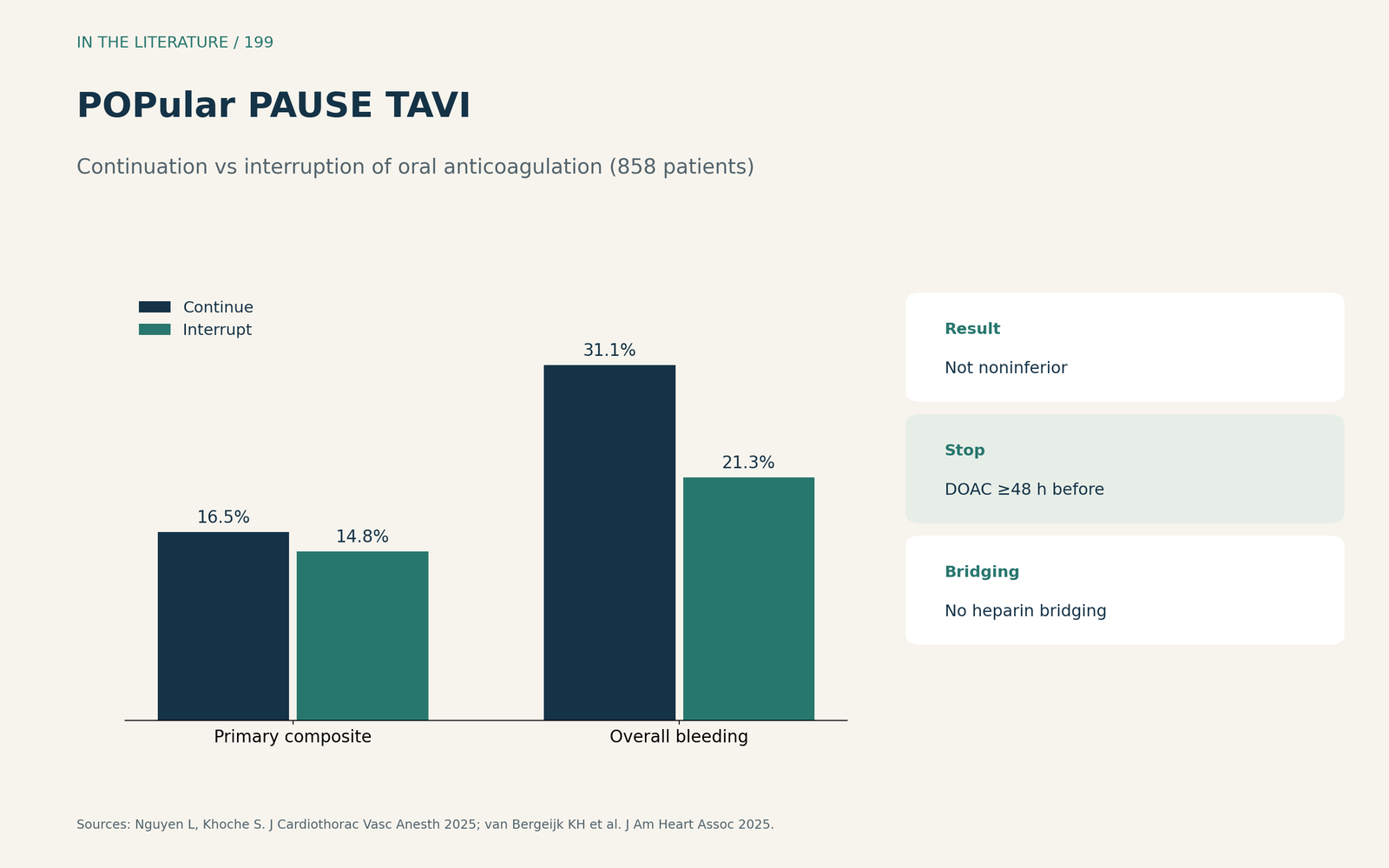
Figure 1. No advantage, more bleeding. Redrawn from Nguyen and Khoche, and van Bergeijk et al.[1], [2] View larger.

What the meta-analyses add
Gan and colleagues pooled five studies with 3,316 patients, but only one randomized trial was available and most studies were retrospective. Major bleeding did not differ significantly (RR 0.90), continued OAC was associated with a lower observed risk of stroke, and the required information size of 5,732 was not reached. They call their findings hypothesis-generating rather than practice-changing and state that the evidence does not support a universal recommendation to continue or interrupt.[3] Khater and colleagues pooled three studies with 2773 patients, one randomized; stroke was lower with continuation (OR 0.62), and they concluded that continuation was as safe and effective.[4] That conclusion rests mostly on non-randomized cohorts and does not match the trial's result.
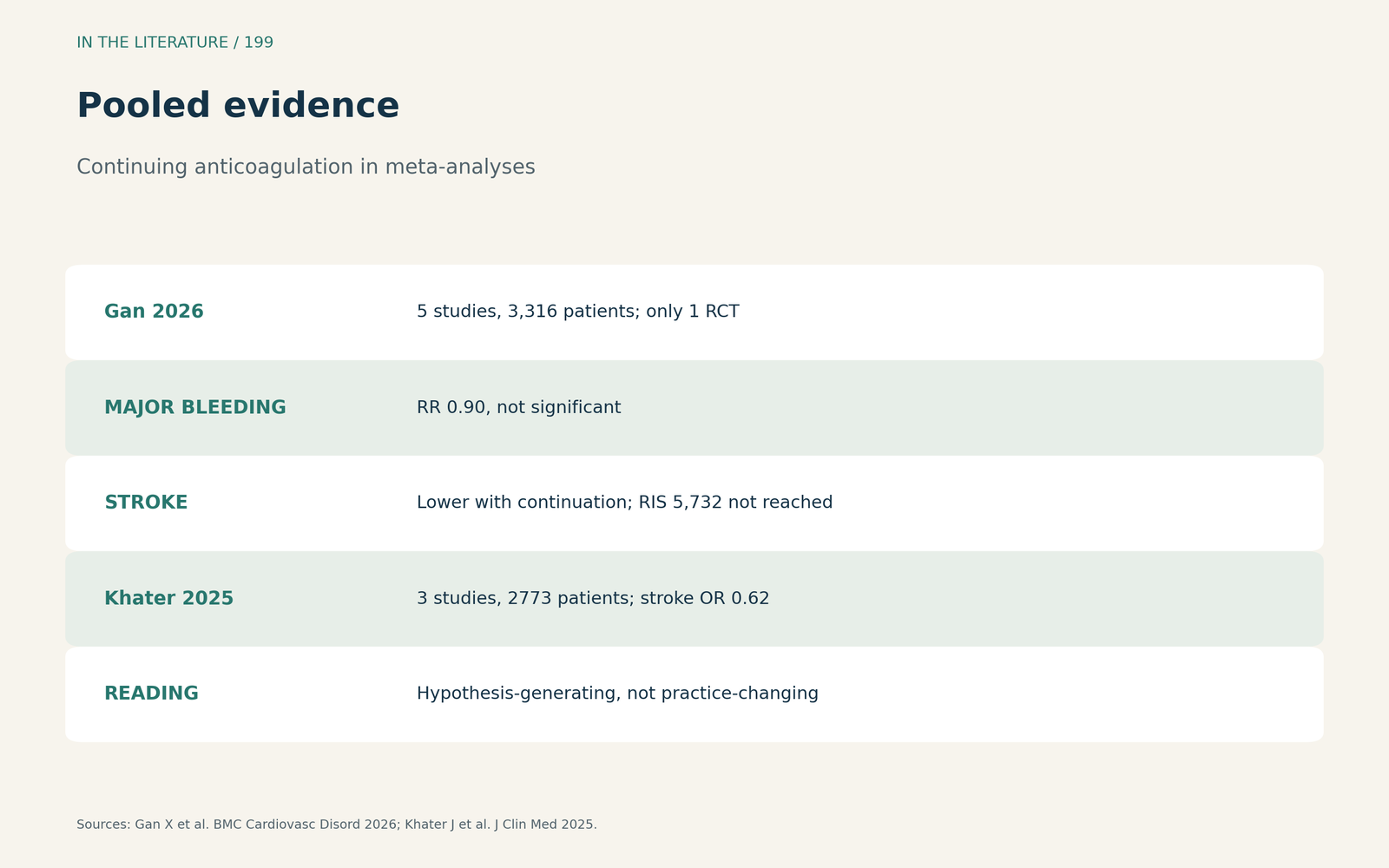
Figure 2. Stroke signals come from observational data. Synthesized from Gan et al. and Khater et al.[3], [4] View larger.

Who might be the exception
Nguyen and Khoche raise patients with prior stroke as a possible exception and ask whether bridging with short-acting anticoagulants is the answer for patients at high thrombotic risk; this remains unresolved.[1] Gan and colleagues likewise conclude that no universal rule is yet supported.[3]
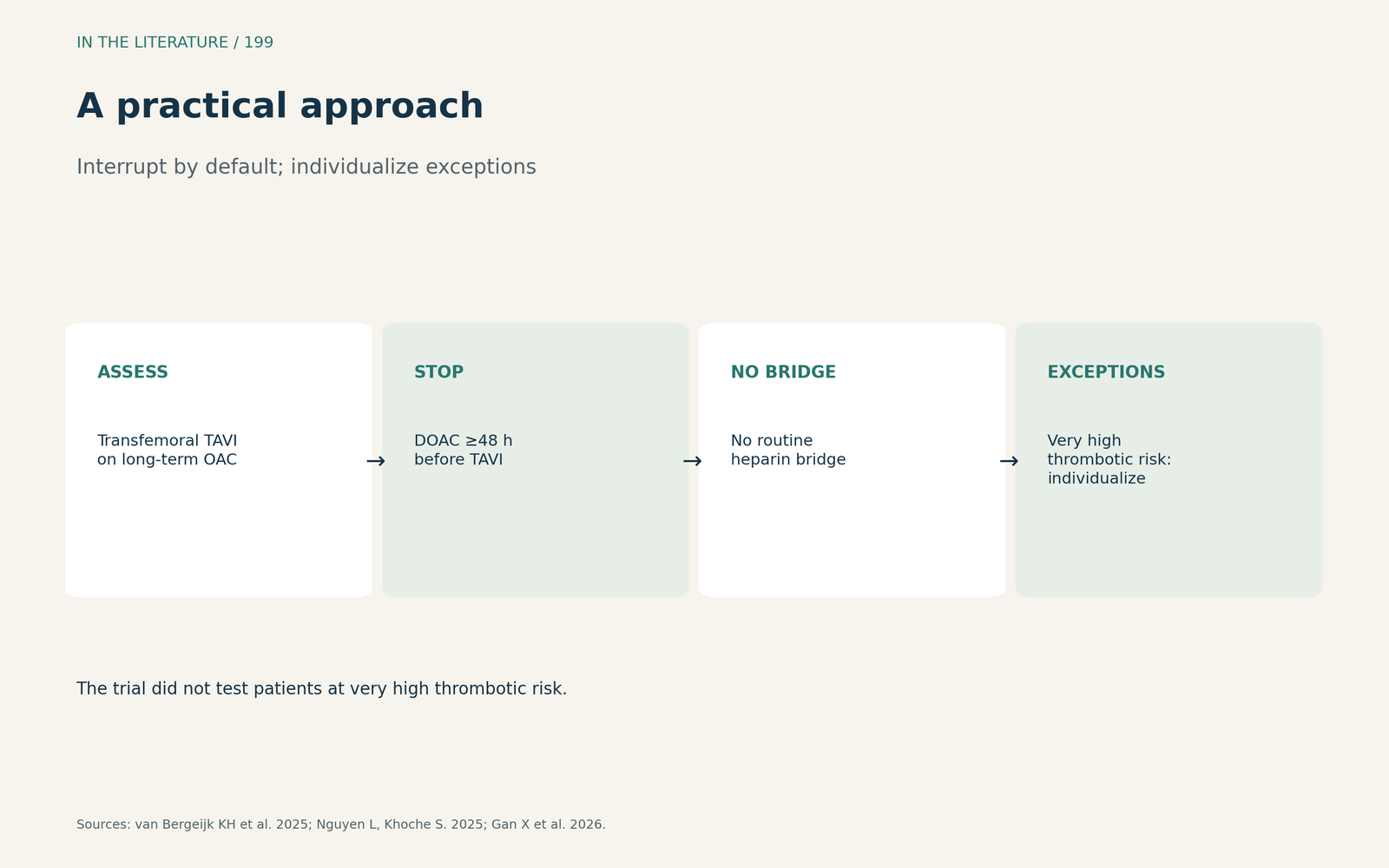
Figure 3. Interrupt by default; individualize the exceptions. Synthesized from van Bergeijk et al., Nguyen and Khoche, and Gan et al.[2], [1], [3] View larger.

Three takeaways
- For typical transfemoral TAVI, pause oral anticoagulation: continuing was not noninferior and caused more bleeding.[1], [2]
- Stopping DOACs at least 48 hours before, without heparin bridging, was the trial strategy.[2]
- Treat pooled stroke benefits of continuation as hypotheses; individualize only very high thrombotic risk.[3], [1]
References
- Nguyen L, Khoche S. Pausing anticoagulation in preparation for transcatheter aortic valve implantation: prying open Pandora’s box. J Cardiothorac Vasc Anesth. 2025;39(4):870–872. doi:10.1053/j.jvca.2024.12.035
- van Bergeijk KH, Overduin DC, Venema CS, et al. Sex differences in transcatheter aortic valve implantation outcomes in patients on oral anticoagulants: a POPular PAUSE TAVI subanalysis. J Am Heart Assoc. 2025;14(21):e043448. doi:10.1161/JAHA.125.043448
- Gan X, Lang Z, Meng X, et al. Perioperative continuous vs. interrupted oral anticoagulation in TAVR: a systematic review and meta-analysis. BMC Cardiovasc Disord. 2026;26(1):711. doi:10.1186/s12872-026-06116-w
- Khater J, Frazzetto M, Gurgoglione FL, et al. Peri-procedural continuation versus interruption of anticoagulation for transcatheter aortic valve implantation: a systematic review and meta-analysis. J Clin Med. 2025;14(10):3563. doi:10.3390/jcm14103563