
ITL-99f0ed8816a1
Juan Li, MD · Updated November 18, 2026
Key points
- No set moment. There is no consensus about the best timing for VA ECMO initiation.[1]
- Earlier looks better, cautiously. Pooled data favored early initiation (OR 1.30), an estimate to interpret with extreme caution; intraoperative versus postoperative start was only borderline (P 0.06).[2]
- Not one number. The vasoactive-inotropic score alone should not decide implantation.[1]
- High stakes. In an individual-patient meta-analysis, 31.1% were discharged alive and 95.1% had at least one complication.[3]
- Individualize rather than rely on a single fixed timing cutoff.[2]
A patient cannot be weaned from bypass after a long valve operation, despite rising inotropes. The team must decide whether to start VA-ECMO in the operating room or try more drugs in the ICU. What does the evidence say about timing?[1], [2]
What the timing studies show
Zhang et al. (BMC Cardiovasc Disord 2026) pooled timing studies: across all definitions, early ECMO initiation showed a survival benefit (OR 1.30), but the authors warn this global estimate must be interpreted with extreme caution; intraoperative versus postoperative VA-ECMO showed only a borderline survival advantage (OR 1.83, P 0.06).[2] Saggu et al. (J Cardiothorac Vasc Anesth 2026) note that earlier initiation of temporary MCS is associated with improved survival.[4] Zhang et al. recommend individualized decisions rather than a single fixed timing cutoff.[2] A narrative review agrees that there is no uniform standard for the decision and timing of mechanical support in postcardiotomy shock (Corujo Rodriguez et al., J Cardiothorac Vasc Anesth 2023).[5]
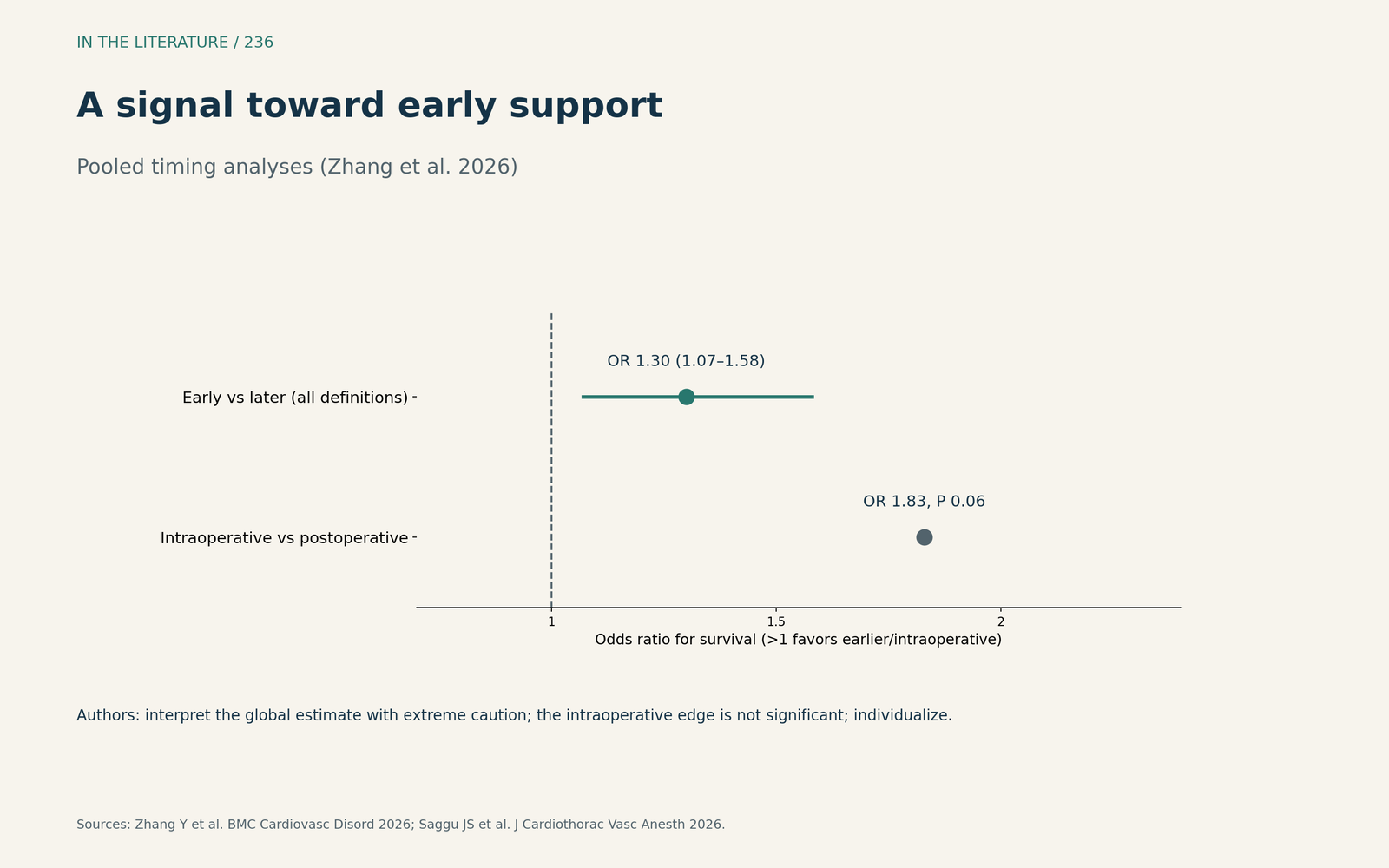
Figure 1. A signal toward early support, with wide caveats. Data from Zhang et al. and Saggu et al.[2], [4] View larger.

Which triggers help
In the ECMO-VIS study (Caruso et al., J Cardiothorac Vasc Anesth 2024), VA ECMO patients had higher mortality than score-matched controls (56 vs 19 percent), and the authors concluded that the vasoactive-inotropic score alone should not be the main determinant of implantation; unmeasured confounders may have affected the results.[1] Postoperative SCAI staging showed mortality rising from 0.4% in stage A to 31.0% in stage E, while machine-learning guided initiation remains underdeveloped.[4] A Chinese consensus cited by Zhang et al. suggests considering VA-ECMO if drug and fluid therapy fail to improve shock after 6 h.[2]
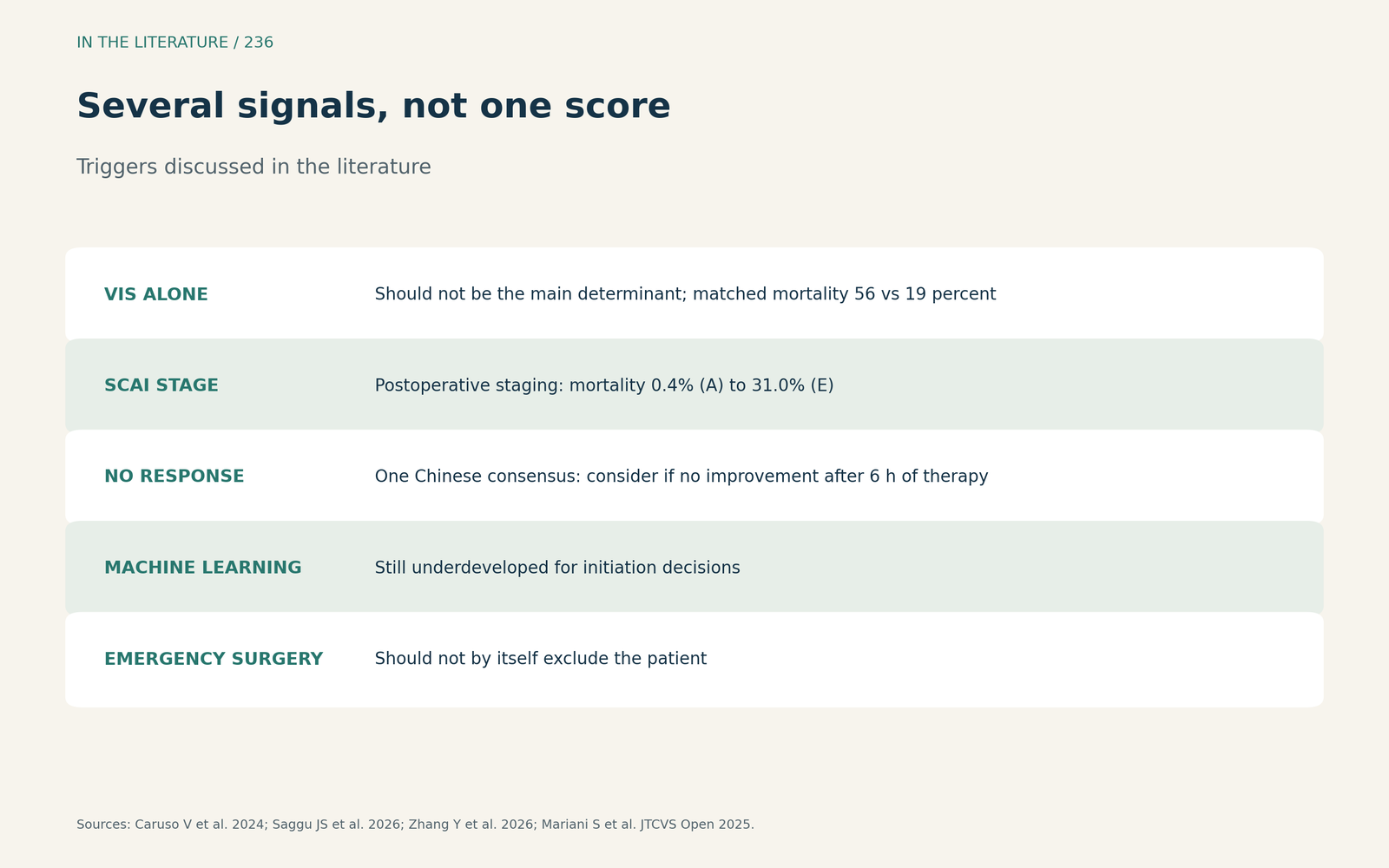
Figure 2. Frame escalation with several signals, not one score. Synthesized from Caruso et al., Saggu et al. and Zhang et al.[1], [4], [2] View larger.

What to expect
In the PC-ECMO registry (Mariscalco et al., J Cardiothorac Vasc Anesth 2021), 53.9% of 725 patients were weaned and overall survival was 35.4%; arterial lactate may help guide the timing of discontinuation.[6] Kienlein et al. (BMC Anesthesiol 2025) found 31.1% discharged alive and 95.1% with at least one complication, and no RCT compares ECLS with other support modalities.[3] In the PELS study (Mariani et al., JTCVS Open 2025), one-quarter of runs followed emergency operations, and the authors argue such patients should not be excluded; retrospective studies suffer from confounding by indication.[7] About 50% of postcardiotomy ECMO patients are successfully weaned (Patel et al., Anesthesiology 2021).[8] For context outside cardiac surgery, in infarct-related cardiogenic shock (ECLS-SHOCK, Thiele et al., N Engl J Med 2023), 30-day death was 47.8% with ECLS versus 49.0% without, not significantly different.[9]
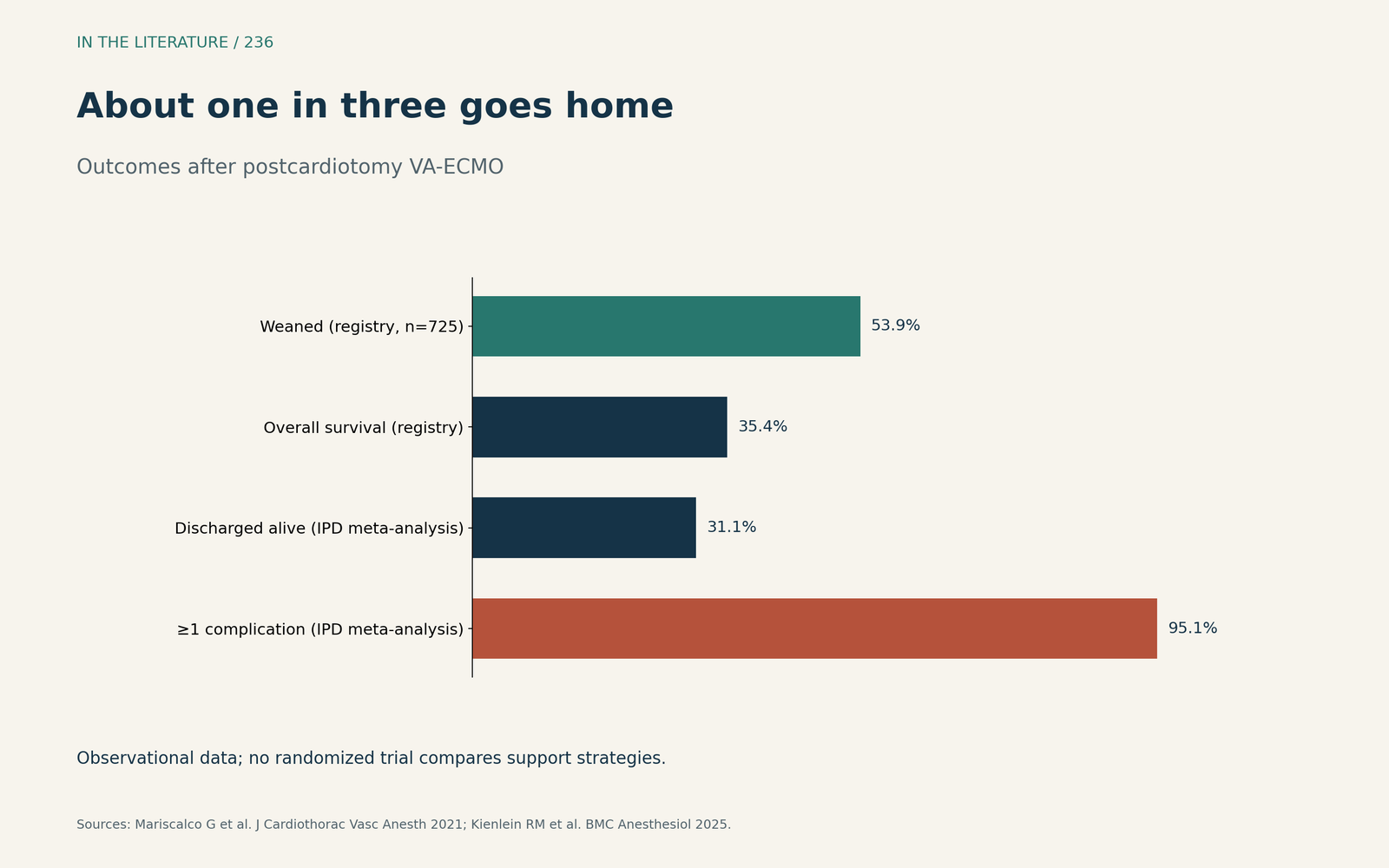
Figure 3. About one in three goes home. Data from Mariscalco et al. and Kienlein et al.[6], [3] View larger.

Practice and ethics
In a European survey (Milne et al., J Cardiothorac Vasc Anesth 2026), refractory shock requiring temporary MCS occurred in a median of 2% of cases, and institutional shock protocols were used in only 27% of centers; the authors speculate VA-ECMO serves as rapidly deployed high-level or salvage support.[10] Zaaqoq et al. (J Cardiothorac Vasc Anesth 2022) argue that concern over resistance to withdrawal should not preclude initiation.[11]
Three takeaways
- Decide early whether VA-ECMO is an option, because observational data favor earlier support.[2], [4]
- Do not rely on one score or one time cutoff; weigh several signals and the patient's goals.[1], [2]
- Set expectations: about one-third survive to discharge and complications are nearly universal.[3], [6]
References
- Caruso V, Berthoud V, Bouchot O, et al. Should the vasoactive inotropic score be a determinant for early initiation of VA ECMO in postcardiotomy cardiogenic shock? J Cardiothorac Vasc Anesth. 2024;38(3):724–730. doi:10.1053/j.jvca.2023.11.040
- Zhang Y, Li Z, Song Q, et al. Extracorporeal membrane oxygenation initiation timing and prognosis: a systematic review and meta-analysis. BMC Cardiovasc Disord. 2026;26(1):879. doi:10.1186/s12872-026-06256-z
- Kienlein RM, Trauzeddel RF, Akbari N, et al. Outcome and complications in postcardiotomy cardiogenic shock treated with extracorporeal life support: a systematic review and meta-analysis. BMC Anesthesiol. 2025;25(1):29. doi:10.1186/s12871-025-02898-2
- Saggu JS, Herrera HR, Meng Z, et al. Machine learning in postcardiotomy shock: implications for temporary mechanical circulatory support. J Cardiothorac Vasc Anesth. 2026;40(9):3007–3018. doi:10.1053/j.jvca.2026.05.005
- Corujo Rodriguez A, Richter E, Ibekwe SO, et al. Postcardiotomy shock syndrome: a narrative review of perioperative diagnosis and management. J Cardiothorac Vasc Anesth. 2023;37(12):2621–2633. doi:10.1053/j.jvca.2023.09.011
- Mariscalco G, El-Dean Z, Yusuff H, et al. Duration of venoarterial extracorporeal membrane oxygenation and mortality in postcardiotomy cardiogenic shock. J Cardiothorac Vasc Anesth. 2021;35(9):2662–2668. doi:10.1053/j.jvca.2020.11.003
- Mariani S, Perazzo A, De Piero ME, et al. Postcardiotomy extracorporeal membrane oxygenation after elective, urgent, and emergency cardiac operations: insights from the PELS observational study. JTCVS Open. 2025;24:280–310. doi:10.1016/j.xjon.2025.01.018
- Patel B, Diaz-Gomez JL, Ghanta RK, et al. Management of extracorporeal membrane oxygenation for postcardiotomy cardiogenic shock. Anesthesiology. 2021;135(3):497–507. doi:10.1097/ALN.0000000000003876
- Thiele H, Zeymer U, Akin I, et al. Extracorporeal life support in infarct-related cardiogenic shock. N Engl J Med. 2023;389(14):1286–1297. doi:10.1056/NEJMoa2307227
- Milne B, Corredor C, Naganathar S, Vives M, Kunst G. Current practice in post–cardiac surgery shock: a European Association of Cardiothoracic Anesthesiology and Intensive Care survey. J Cardiothorac Vasc Anesth. 2026;40(8):2404–2412. doi:10.1053/j.jvca.2026.04.016
- Zaaqoq AM, Pottash M, Ahlstrom E, Brodie D. Postcardiotomy extracorporeal membrane oxygenation: narrative review navigating the ethical issues. J Cardiothorac Vasc Anesth. 2022;36(8):2628–2635. doi:10.1053/j.jvca.2021.10.010