ITL-7902eaad5c39
Juan Li, MD · Updated November 17, 2026
Watch the video
Key points
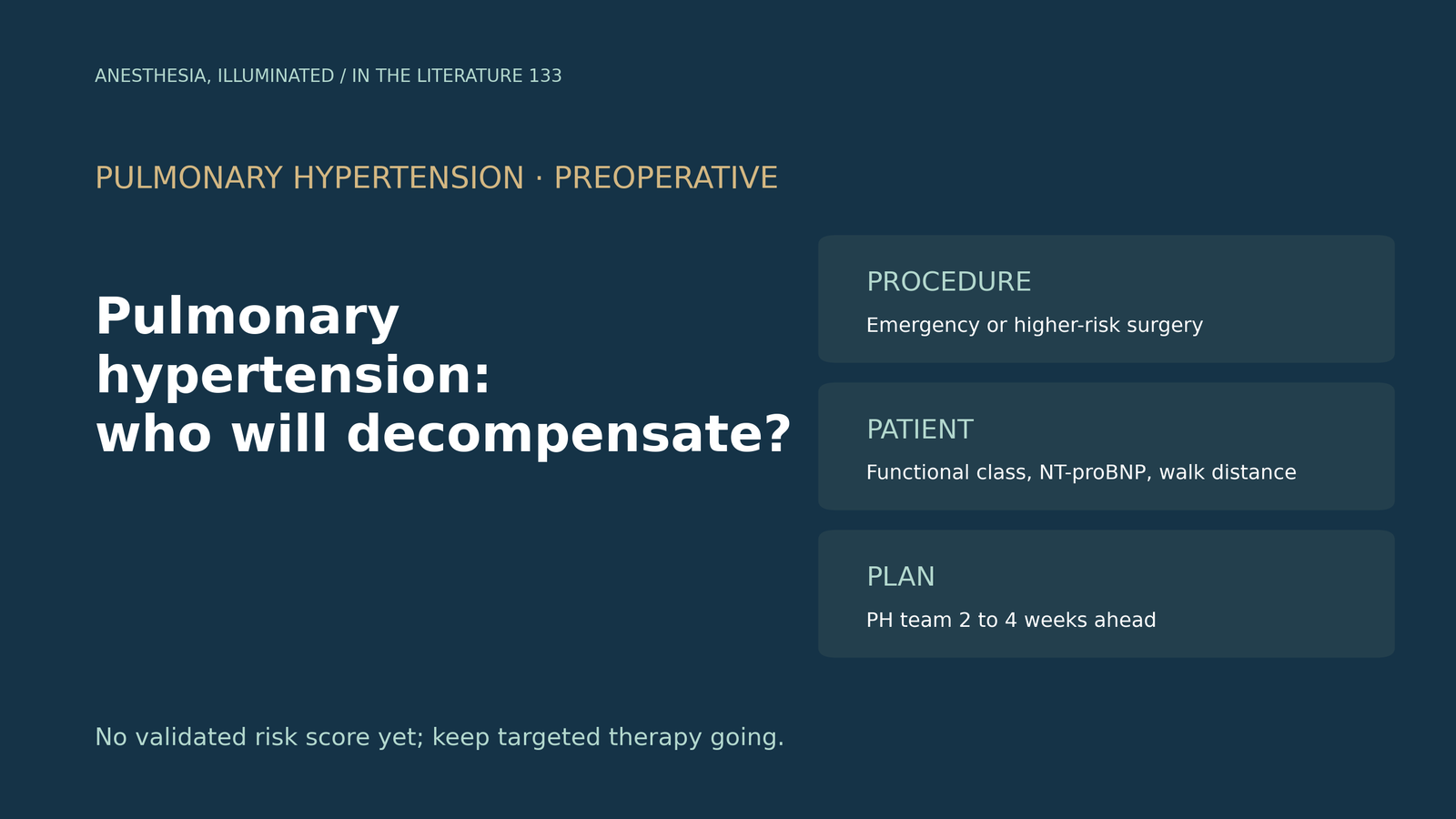
- Pulmonary hypertension raises surgical risk. In a nationwide US study it was coded in 0.81% of noncardiac surgical cases, and major adverse cardiovascular events were 8.3% vs 2.0% without it; in a multicenter series, mortality was 15% for emergency and 2% for nonemergency surgery.[1]
- The procedure and the patient both matter. In a cohort of 131 patients having 196 procedures, 27% had complications; higher-risk surgery, WHO functional class III/IV and NT-proBNP of 300 pg/mL or more predicted them.[2], [3]
- Simple, noninvasive markers work. A score built from functional class, 6-minute walk distance and natriuretic peptide plus procedural risk sorted 150 patients into risk groups, and self-reported inability to manage 4 METs predicted a longer stay.[4], [5]
- Echocardiography identifies high-risk features such as tricuspid regurgitation velocity above 2.8 m/s and RV dysfunction, but in cohorts, echo and catheter values did not add independent prediction; right heart catheterization is not routine.[1], [2], [6]
- Plan early. The AHA statement suggests a visit 2 to 4 weeks before surgery, evaluation by an anesthesiologist and a PH specialist, surgery at a PH center for intermediate or high risk, and continuing targeted therapy on the day of surgery.[1], [6]
A patient with pulmonary arterial hypertension on dual oral therapy is booked for elective hip replacement. Which findings tell you whether this patient is likely to decompensate around surgery, and what should you do with that information?[1]
How large is the risk?
The 2023 AHA scientific statement summarizes the evidence. In 17 million US noncardiac surgical admissions, pulmonary hypertension was coded in 0.81%, and perioperative major adverse cardiovascular events occurred in 8.3% vs 2.0% of patients without it. In a series of patients with pulmonary arterial hypertension from 11 specialized centers, mortality was 15% after emergency and 2% after nonemergency procedures. The statement stresses that most data are observational and that substantial uncertainty remains; no validated risk score exists.[1]
Which markers predict trouble?
Deljou and colleagues studied 131 patients with precapillary pulmonary hypertension having 196 procedures under general anesthesia; 27% had complications and 3% died within 30 days. Higher-risk surgery, WHO functional class III/IV and NT-proBNP of 300 pg/mL or more were the independent predictors, with higher-risk surgery carrying a 4.2-fold and poor functional class a 2.4-fold higher likelihood of complications. None of the pulmonary or cardiac test parameters, including catheter pressures and echocardiographic measures, was independently associated with complications, although the study was small.[2] Choi and Maus suggest that functional class, NT-proBNP and surgical risk can be used for everyday risk stratification.[3]
Hassan and colleagues built the Pulmonary Hypertension Perioperative Risk (PHPR) score in 150 patients, of whom 19 (12.7%) died or had a serious complication. The score adds the number of noninvasive markers not at low risk (functional class, 6-minute walk distance, natriuretic peptide) to 4 points for elevated procedural risk; scores of 0–2, 3 and 4–7 define low, intermediate and high risk. Each low-risk marker was associated with 70% lower odds of an adverse outcome, but four of the seven deaths occurred in low-risk procedures, and the score has not been externally validated.[4] Shah and colleagues found that self-reported functional status below 4 METs, meaning unable to walk 4 blocks or climb 2 flights of stairs, was independently associated with a hospital stay longer than 7 days, whereas no echocardiographic measure was.[5]
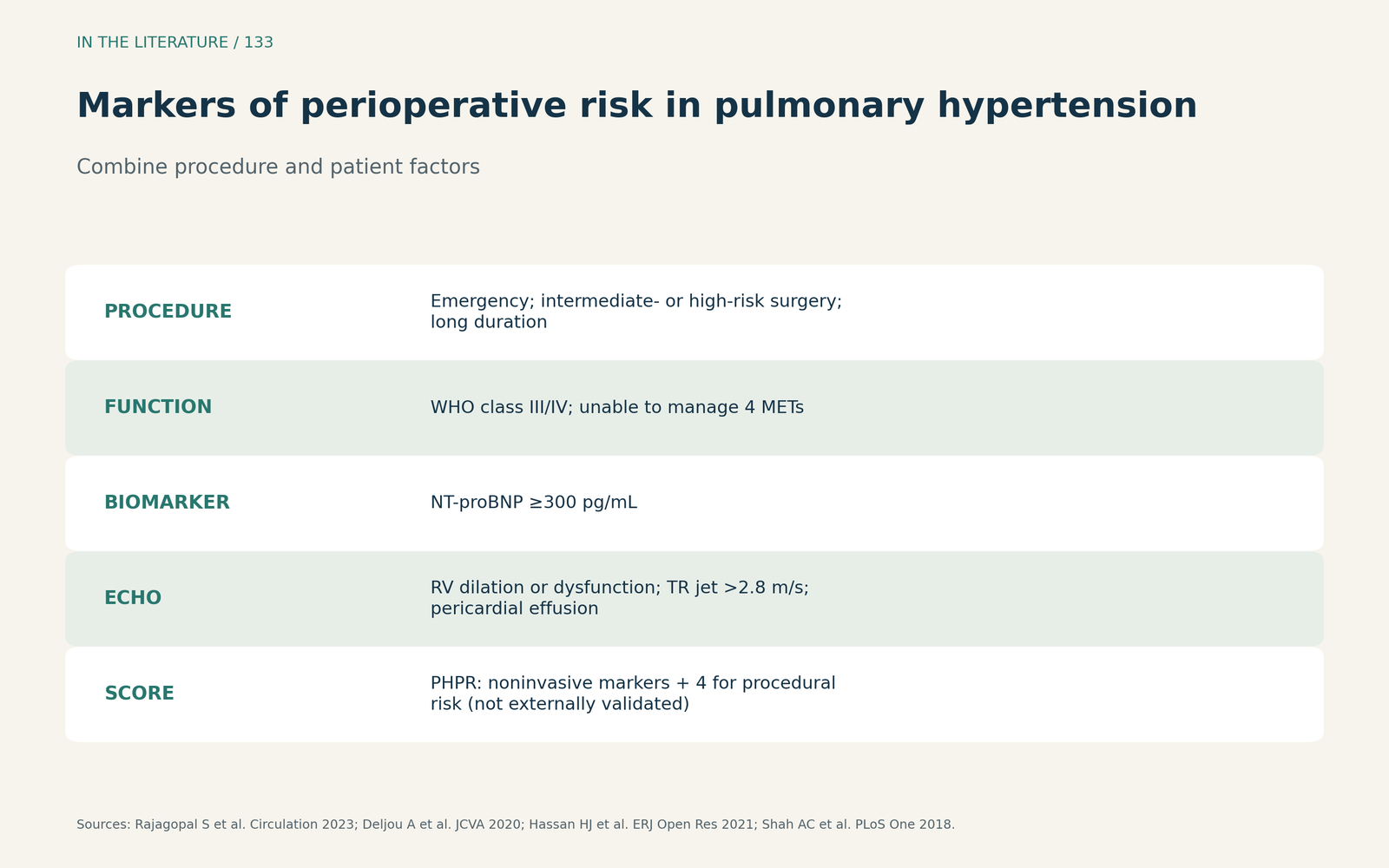
Figure 1. Markers of perioperative risk. Synthesized from the AHA statement, Deljou et al., Hassan et al. and Shah et al.[1], [2], [4], [5] View larger.

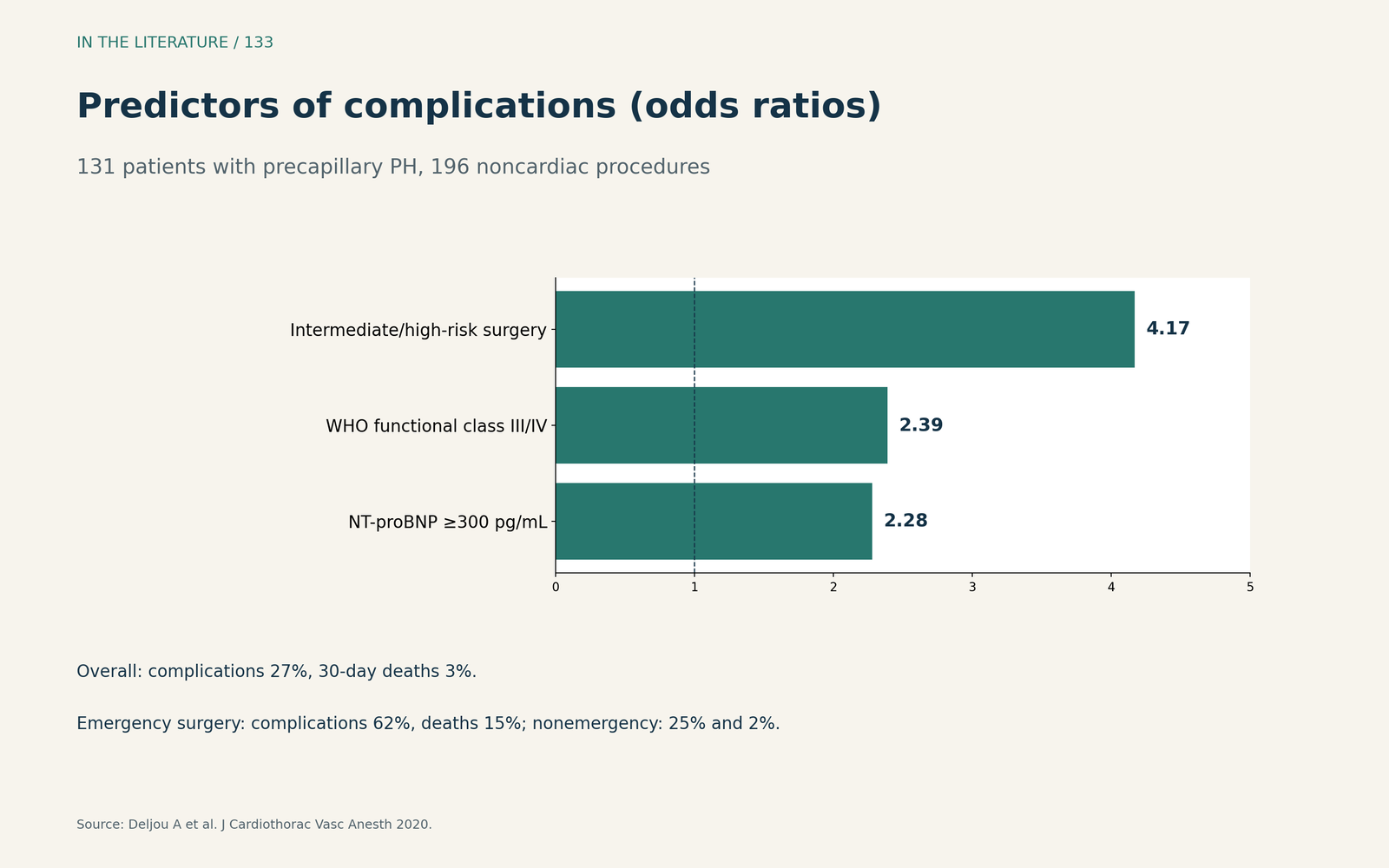
Figure 2. Complications after noncardiac surgery in pulmonary hypertension. Redrawn from Deljou et al.[2] View larger.

The role of imaging and catheterization
Transthoracic echocardiography is the standard way to identify high-risk features: RV dilation or dysfunction, tricuspid regurgitation jet velocity above 2.8 m/s, a flattened septum, right atrial enlargement and pericardial effusion.[1] Kaw notes that right heart catheterization is not routinely recommended before surgery but can be considered, and that patients with group 1 pulmonary hypertension are at highest risk.[6]
Turning the assessment into a plan
The AHA statement recommends evaluation by an anesthesiologist and a PH specialist whenever feasible, a visit 2 to 4 weeks before surgery to decide which tests are needed, and, for intermediate- or high-risk elective surgery, care at a specialized PH center. If targeted therapy is started before surgery, 6 to 12 weeks is usually adequate, and patients should continue targeted therapies up to and on the day of surgery.[1] Kaw likewise advises continuing pulmonary vasodilators through the day of surgery.[6]
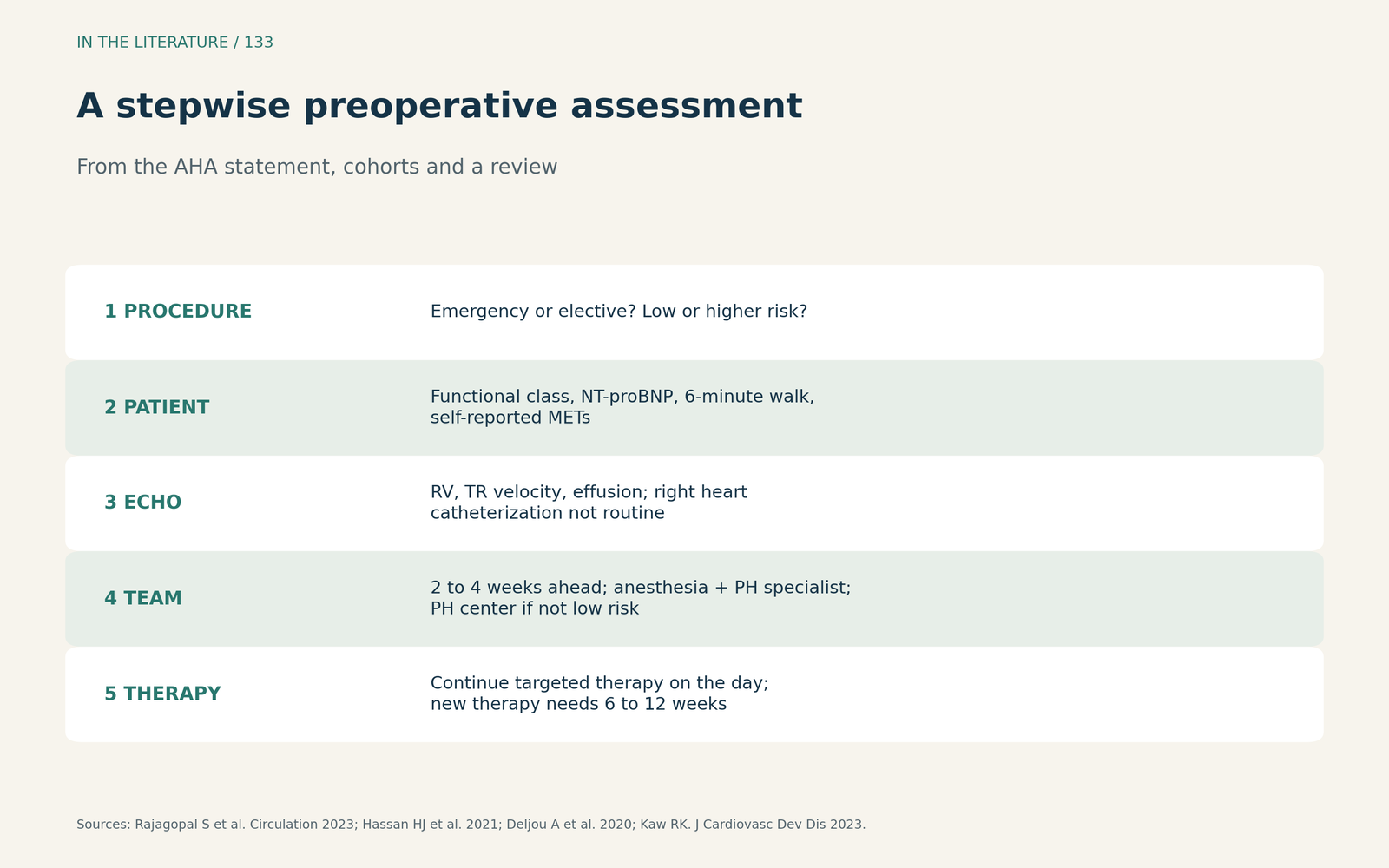
Figure 3. A stepwise preoperative assessment. Synthesized from the AHA statement, Hassan et al., Deljou et al. and Kaw.[1], [4], [2], [6] View larger.

Three takeaways
- Score the procedure first. Emergency and higher-risk surgery drive complications.[1], [2]
- Use simple patient markers. Functional class, NT-proBNP, walk distance and self-reported capacity identify risk better than isolated pressures.[2], [4], [5]
- Plan ahead and keep therapy going. Involve a PH team 2 to 4 weeks before surgery and continue targeted therapy.[1], [6]
References
- Rajagopal S, Ruetzler K, Ghadimi K, et al. Evaluation and management of pulmonary hypertension in noncardiac surgery: a scientific statement from the American Heart Association. Circulation. 2023;147(17):1317–1343. doi:10.1161/CIR.0000000000001136
- Deljou A, Sabov M, Kane GC, et al. Outcomes after noncardiac surgery for patients with pulmonary hypertension: a historical cohort study. J Cardiothorac Vasc Anesth. 2020;34(6):1506–1513. doi:10.1053/j.jvca.2019.10.059
- Choi C, Maus T. Risk assessment of pulmonary hypertension in noncardiac surgery: more than a right heart catheterization. J Cardiothorac Vasc Anesth. 2020;34(6):1514–1515. doi:10.1053/j.jvca.2019.12.038
- Hassan HJ, Housten T, Balasubramanian A, et al. A novel approach to perioperative risk assessment for patients with pulmonary hypertension. ERJ Open Res. 2021;7(3):00257-2021. doi:10.1183/23120541.00257-2021
- Shah AC, Ma K, Faraoni D, et al. Self-reported functional status predicts post-operative outcomes in non-cardiac surgery patients with pulmonary hypertension. PLoS One. 2018;13(8):e0201914. doi:10.1371/journal.pone.0201914
- Kaw RK. Unrecognized pulmonary hypertension in non-cardiac surgical patients: at-risk populations, preoperative evaluation, intraoperative management and postoperative complications. J Cardiovasc Dev Dis. 2023;10(9):403. doi:10.3390/jcdd10090403