ITL-4eb0cb2ef65d
Juan Li, MD · Updated November 18, 2026
Watch the video
Key points
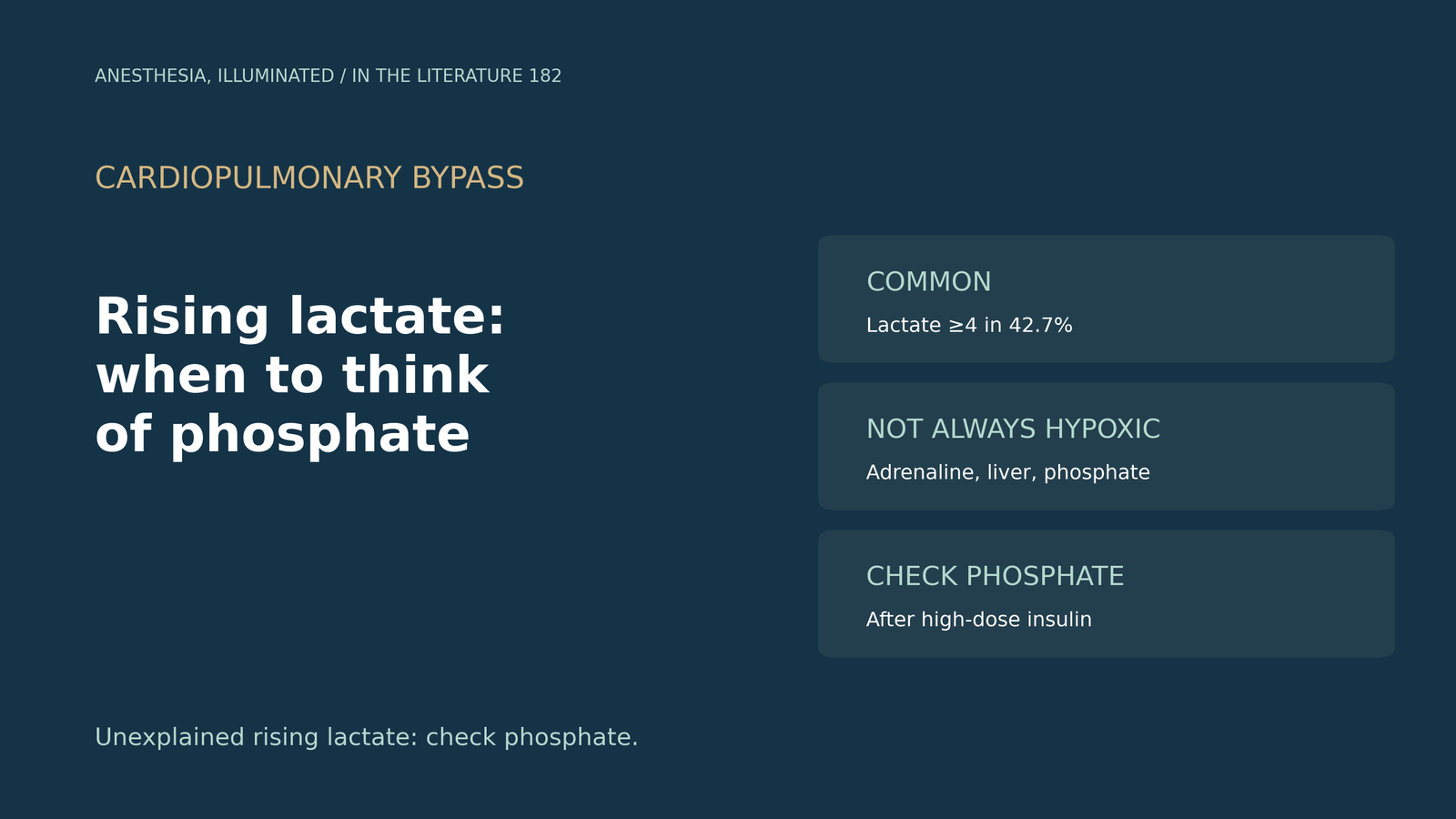
- Raised lactate is common after bypass. In one cohort, 42.7% of patients had a peak of 4 mmol/L or more, and high lactate was associated with atrial fibrillation and longer inotrope use.[1]
- It is not always hypoxic. Non-hypoxic causes include beta-adrenergic stimulation, and the liver metabolizes about 60 percent of lactate.[1], [2]
- Follow the trend. A fall in lactate over time is consistently linked to lower mortality, including in cardiac surgery cohorts.[2]
- Think of phosphate when lactate keeps rising. Large insulin doses shift phosphate into cells, and in two reported cases lactate up to 10.6 mmol/L fell after phosphate repletion.[3]
- Low phosphate is not rare. Phosphate below 0.48 mmol/L occurred in 34.3% of patients after major cardiac surgery.[4]
After a long bypass run, lactate keeps climbing in the ICU although cardiac output, venous saturation and echocardiography look adequate, and the patient has needed a high-dose insulin infusion. Could low phosphate be part of the explanation?[2], [3]
Raised lactate after bypass
Naik and colleagues studied 370 adults having elective surgery on bypass. Peak lactate of 4 mmol/L or more occurred in 158 patients (42.7%). Lactate rose from the start of bypass and peaked afterwards, and high lactate was associated with more atrial fibrillation and with prolonged inotrope need (5.66 times more frequent). The authors describe both hypoxic (type A) and non-hypoxic causes, attribute their high incidence partly to adrenaline, and, with 1 death among 370 patients, could not draw a causal link to outcome.[1] Vincent and colleagues' systematic review found that a fall in lactate over time was consistently linked to lower mortality, including in five observational cardiac surgery studies. They note that raised lactate can stem from factors other than cellular hypoxia, such as beta-adrenergic stimulation, and that the liver metabolizes about 60 percent of lactate.[2]
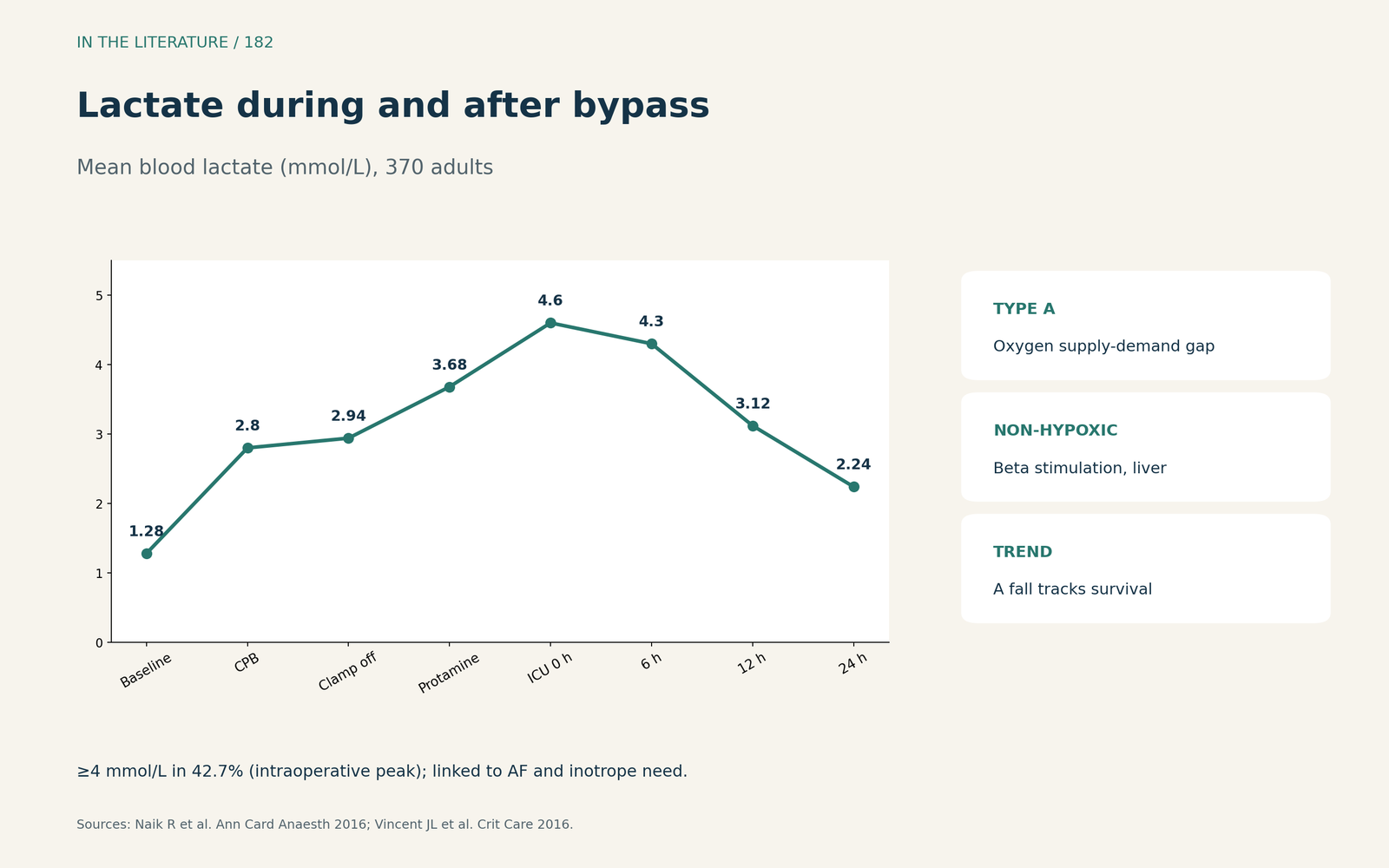
Figure 1. Common, and not always hypoxic. Synthesized from Naik et al. and Vincent et al.[1], [2] View larger.

How low phosphate can raise lactate
Steck and colleagues describe how hypophosphataemia has been linked to raised lactate: without phosphate for ATP, the liver produces more lactate and eliminates less by reducing gluconeogenesis, and large insulin doses shift phosphate into cells. In two heart transplant patients who needed insulin infusions (up to 30 units per hour in one), lactate kept rising despite normal venous saturation and echocardiography; phosphate was below 1.0 mg/dL, lactate peaked at 10.6 mmol/L in the second patient, and it fell over several hours after phosphate repletion. The authors suggest that hypophosphataemia be considered in otherwise unexplained lactic acidosis. These are two cases, and other treatments continued at the same time.[3]
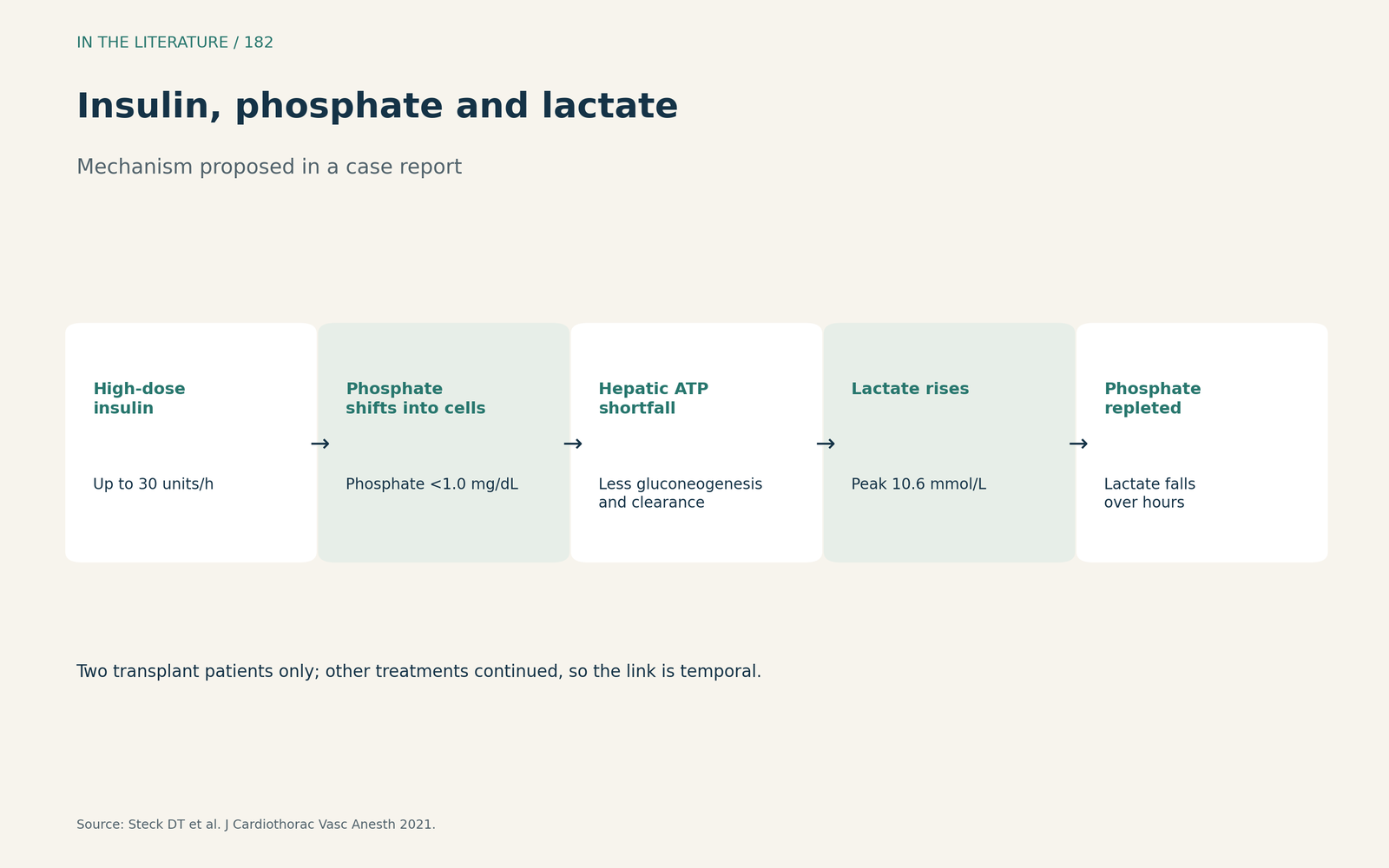
Figure 2. Insulin, phosphate and lactate. Synthesized from Steck et al.[3] View larger.

How common is low phosphate?
In a prospective study of 566 patients reported as a meeting abstract, Cohen and colleagues found phosphate below 0.48 mmol/L in 34.3% after major cardiac surgery and called it common and associated with major morbidity. Lactate was not reported.[4]
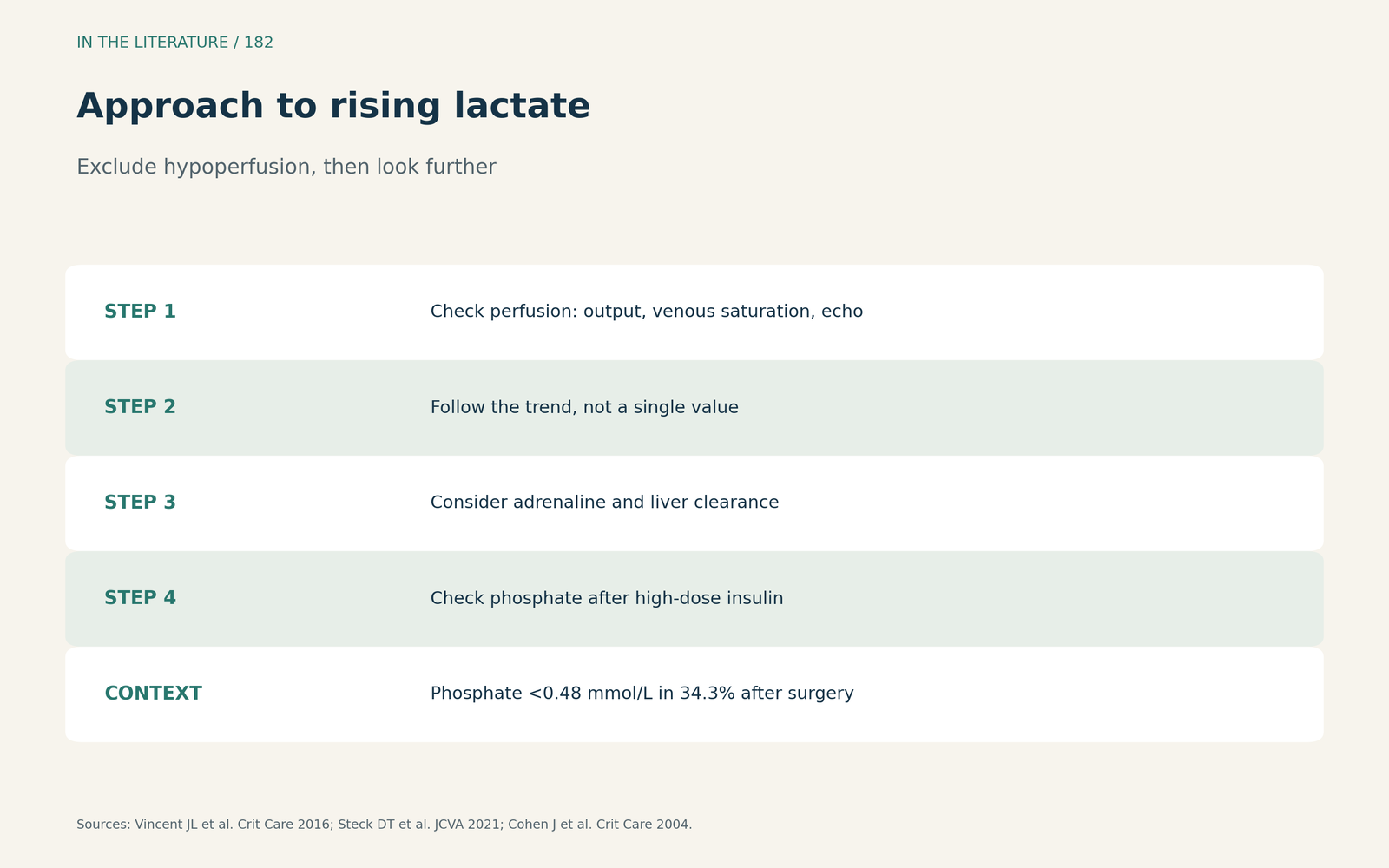
Figure 3. A practical approach. Synthesized from Vincent et al., Steck et al. and Cohen et al.[2], [3], [4] View larger.

Three takeaways
- Rule out hypoperfusion first. Raised lactate after bypass is common and can be hypoxic.[1]
- Then look for non-hypoxic causes. Follow the trend, and consider adrenaline and liver clearance.[2]
- Check phosphate when lactate rises unexplained, especially after high-dose insulin. The evidence is limited to case reports and small series.[3], [4]
References
- Naik R, George G, Karuppiah S, Philip MA. Hyperlactatemia in patients undergoing adult cardiac surgery under cardiopulmonary bypass: causative factors and its effect on surgical outcome. Ann Card Anaesth. 2016;19(4):668–675. doi:10.4103/0971-9784.191579
- Vincent JL, Quintairos e Silva A, Couto L, Taccone FS. The value of blood lactate kinetics in critically ill patients: a systematic review. Crit Care. 2016;20(1):257. doi:10.1186/s13054-016-1403-5
- Steck DT, Pennington MW, Oxorn DC, Mackensen GB, Sheu RD. Lactic acidosis in the setting of severe hypophosphatemia after high-dose insulin infusion. J Cardiothorac Vasc Anesth. 2021;35(1):267–269. doi:10.1053/j.jvca.2020.04.029
- Cohen J, Kogan A, Sahar G, Lev S, Vidne B. Significant hypophosphatemia following major cardiac surgery: incidence and consequences. Crit Care. 2004;8(Suppl 1):P266. doi:10.1186/cc2733