ITL-365c1e8a4ffd
Juan Li, MD · Updated November 18, 2026
Key points
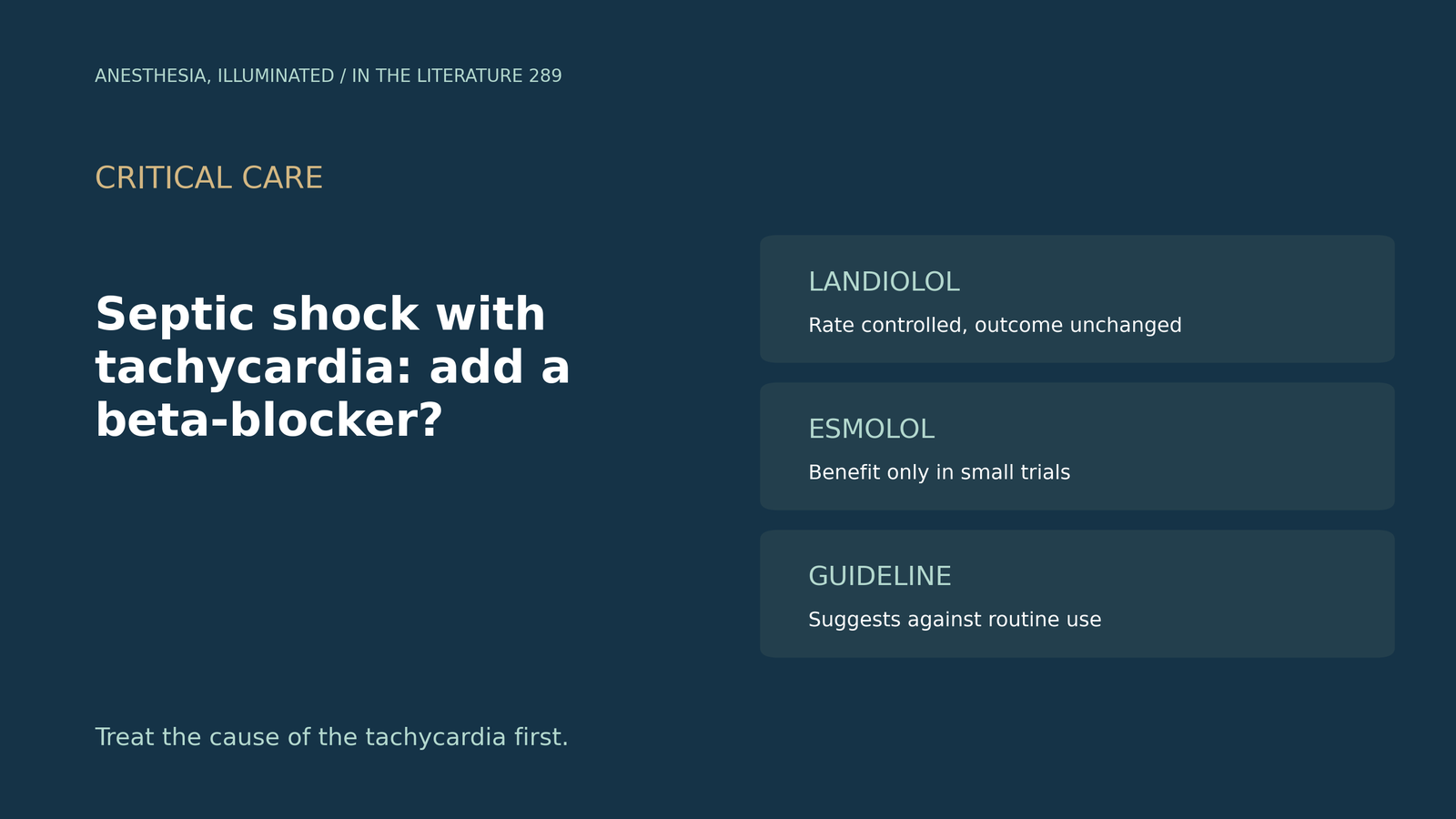
- The idea is plausible. Beta-blockade aims to cut myocardial oxygen use while keeping output, and an early trial looked promising.[1]
- The largest trial was neutral. Landiolol met the heart-rate endpoint more often but did not change 28-day survival.[2]
- Pooled data split by drug. Esmolol was associated with lower mortality in small trials; landiolol was not.[3], [4]
- The guideline says no for now. The Surviving Sepsis Campaign suggests against beta-blockers in septic shock (very low certainty).[5]
- New-onset AF is a separate question. Experts advise a cautious landiolol strategy with a modest initial target.[6]
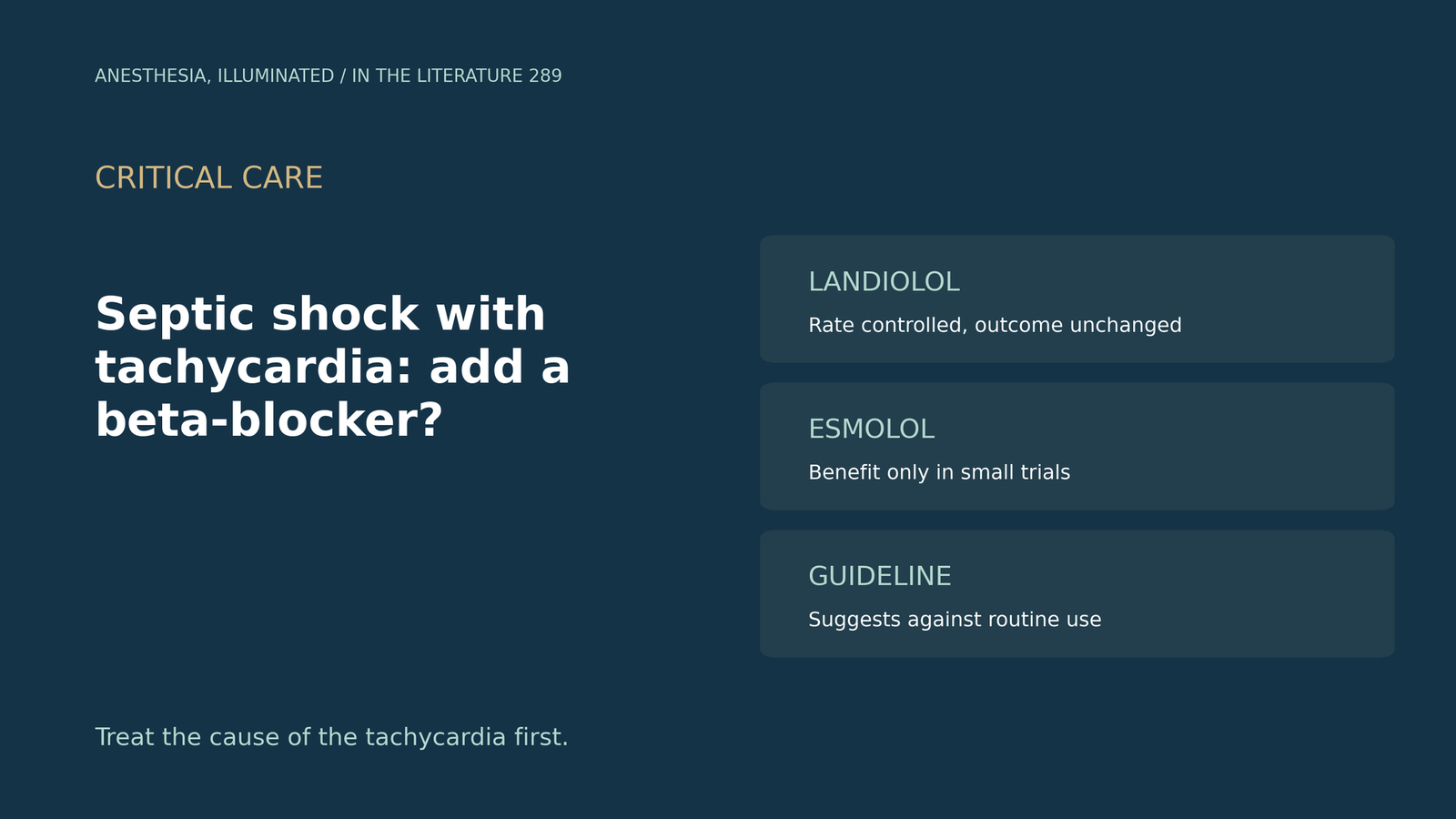
A patient in septic shock remains at 120 bpm after a day of resuscitation on noradrenaline. Should an ultra-short-acting beta-blocker be started?
Why it might help
Persistent tachycardia despite adequate volume optimization is believed to be harmful in septic shock, and beta-blockade aims to reduce myocardial oxygen consumption while maintaining cardiac output (Belletti et al., J Cardiothorac Vasc Anesth 2020). An early single-centre trial of 154 patients reported lower short-term mortality with esmolol.[1]
The Landi-SEP trial
Landi-SEP was an open-label RCT at 20 sites in 7 European countries (Rehberg et al., Intensive Care Med 2024). More landiolol patients met the primary heart-rate endpoint (39.8% vs 23.5%), but survival to day 28 did not differ. The trial stopped early after enrolling 37% of the planned patients; landiolol-related hypotension occurred in 5.1% and bradycardia in 2% of patients, and the authors state that the results do not support stringent heart-rate reduction.[2]
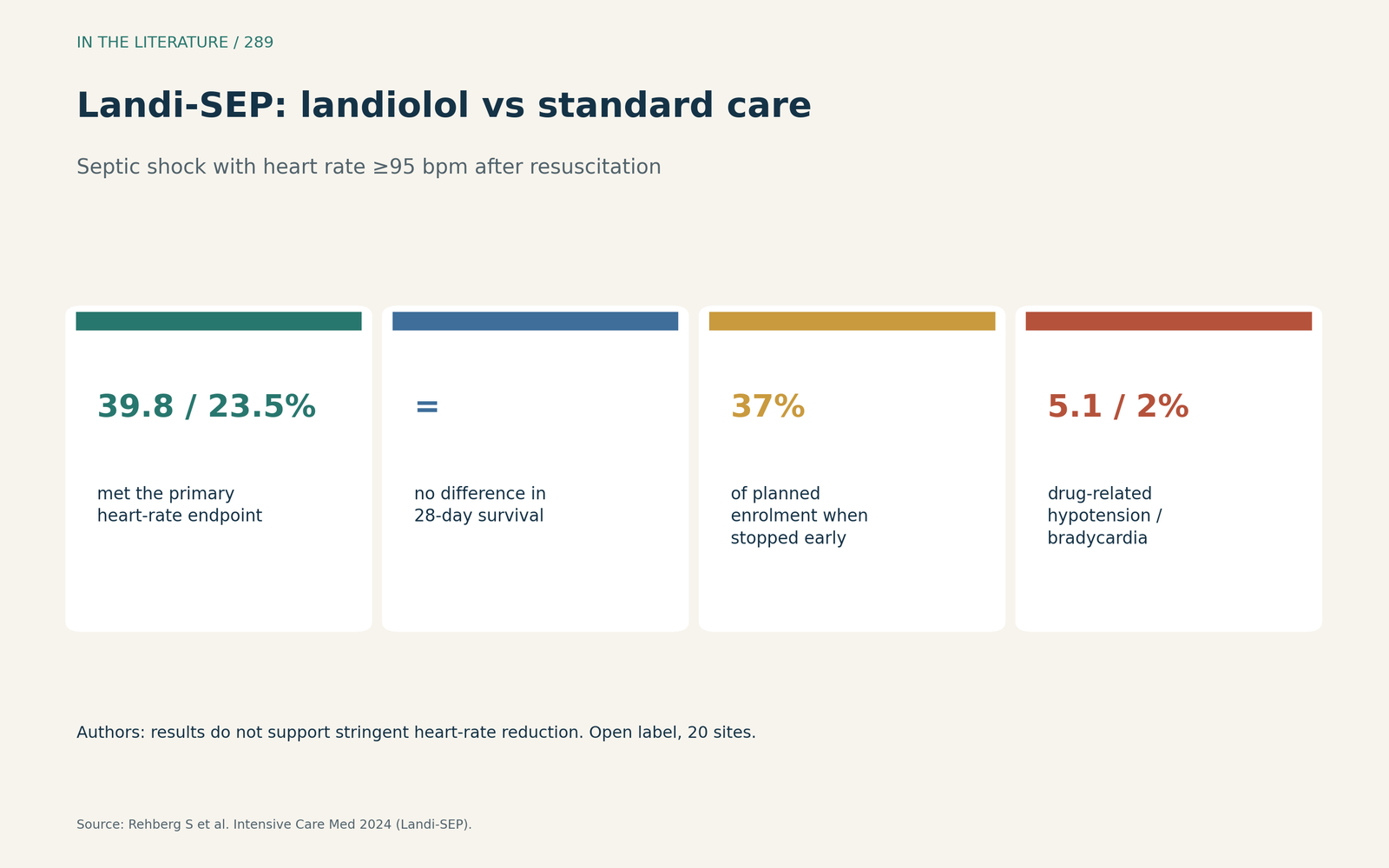
Figure 1. Landiolol lowered heart rate more often without a survival difference. Data from Landi-SEP.[2] View larger.

Pooled evidence and the guideline
A network meta-analysis of ten RCTs with 1035 patients compared esmolol and landiolol with standard care (Tang et al., Crit Care Med 2026). Esmolol reduced 28-day mortality compared with standard care (RR 0.69, moderate certainty), while landiolol did not (RR 1.09). No direct comparison between esmolol and landiolol was available, and the small number of trials reduces the reliability of these findings.[3] A drug-specific reanalysis likewise found lower mortality with esmolol (RR 0.73) but not landiolol (RR 1.08) (Karim et al., Indian J Crit Care Med 2025).[4]
The latest Surviving Sepsis Campaign guideline suggests against beta-blockers as a treatment for septic shock, a conditional recommendation based on very low certainty evidence (Prescott et al., Intensive Care Med 2026). The panel's meta-analysis of 12 RCTs and 1170 patients showed an uncertain effect on mortality (RR 0.76), and beta-blockers were probably associated with longer vasopressor use (1.04 days more).[5]
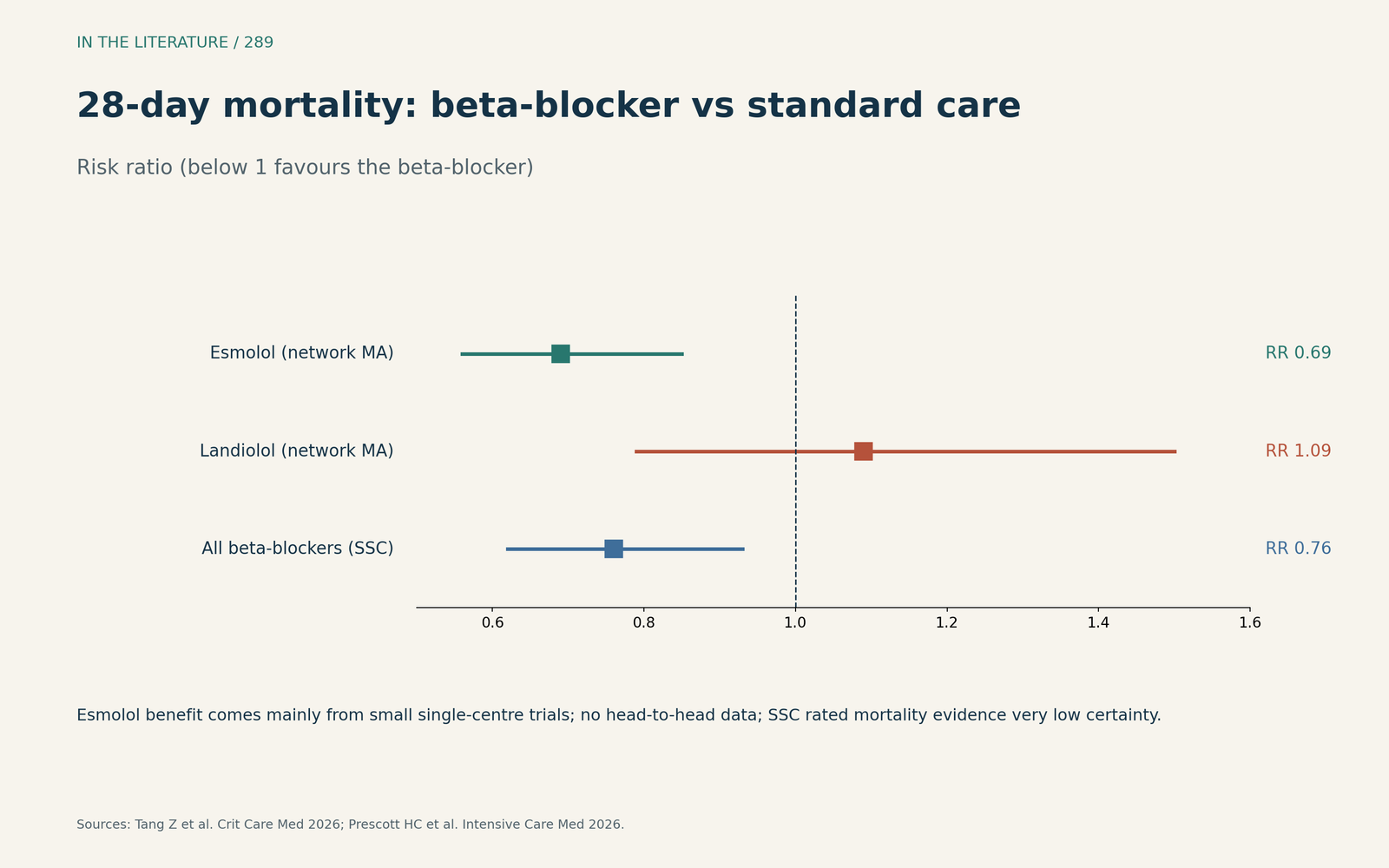
Figure 2. Esmolol estimates favour treatment, landiolol estimates do not, and certainty is low. Data from Tang et al. and the Surviving Sepsis Campaign.[3], [5] View larger.

New-onset atrial fibrillation
For new-onset AF in septic shock, a Delphi panel set the initial heart-rate target below 110 bpm, advised that lowering heart rate below 95 bpm without advanced cardiac output monitoring is not recommended, and suggested that landiolol start at 1 µg/kg/min with slow titration (Guarracino et al., Crit Care 2026). Only nine experts participated, which may limit representativeness.[6]
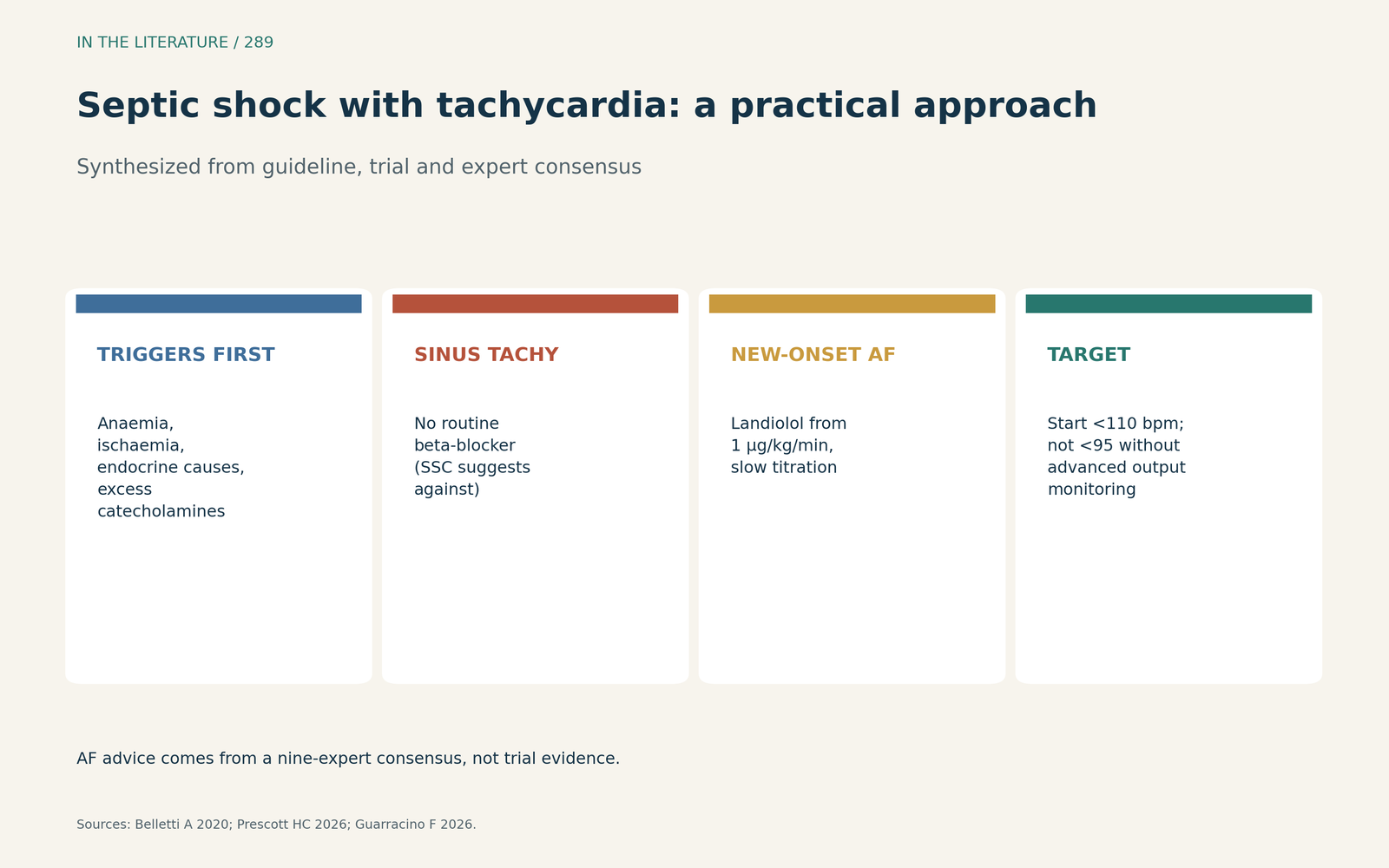
Figure 3. Correct triggers first; avoid routine beta-blockade; use cautious landiolol for new-onset AF. Synthesized from Belletti et al., the Surviving Sepsis Campaign and Guarracino et al.[1], [5], [6] View larger.

Three takeaways
- Do not routinely start a beta-blocker for persistent tachycardia in septic shock; outcome benefit is unproven.[2], [5]
- Esmolol signals come from small trials, and landiolol did not improve survival; the agents are not interchangeable.[3], [4]
- For new-onset AF, correct triggers, then titrate landiolol cautiously to a modest target.[6]
References
- Belletti A, Landoni G, Lomivorotov VV, Oriani A, Ajello S. Adrenergic downregulation in critical care: molecular mechanisms and therapeutic evidence. J Cardiothorac Vasc Anesth. 2020;34:1023–1041. doi:10.1053/j.jvca.2019.10.017
- Rehberg S, Frank S, Černý V, et al.; LANDI-SEP Study Group. Landiolol for heart rate control in patients with septic shock and persistent tachycardia. A multicenter randomized clinical trial (Landi-SEP). Intensive Care Med. 2024;50:1622–1634. doi:10.1007/s00134-024-07587-1
- Tang Z, Sun Q, Xu J, Yang Y, Peng F. Comparison of esmolol versus landiolol on mortality in adult patients with sepsis: a systematic review and network meta-analysis. Crit Care Med. 2026;54(2):324–334. doi:10.1097/CCM.0000000000006966
- Karim HMR, Khandelwal A, Baidya DK, Ravikumar RH. Differential mortality benefit of beta-blockers in septic shock: a subgroup meta-analysis. Indian J Crit Care Med. 2025;29(8):704–707. doi:10.5005/jp-journals-10071-25024
- Prescott HC, Antonelli M, Alhazzani W, et al. Surviving Sepsis Campaign: international guidelines for management of sepsis and septic shock 2026. Intensive Care Med. 2026;52:863–936. doi:10.1007/s00134-026-08361-1
- Guarracino F, Levy B, Balik M, et al. Use of landiolol in septic shock patients with new onset of atrial fibrillation: a European Delphi consensus. Crit Care. 2026;30:472. doi:10.1186/s13054-026-06200-9