ITL-c346ca9e0e1b
Juan Li, MD · Updated November 18, 2026
Watch the video
Key points
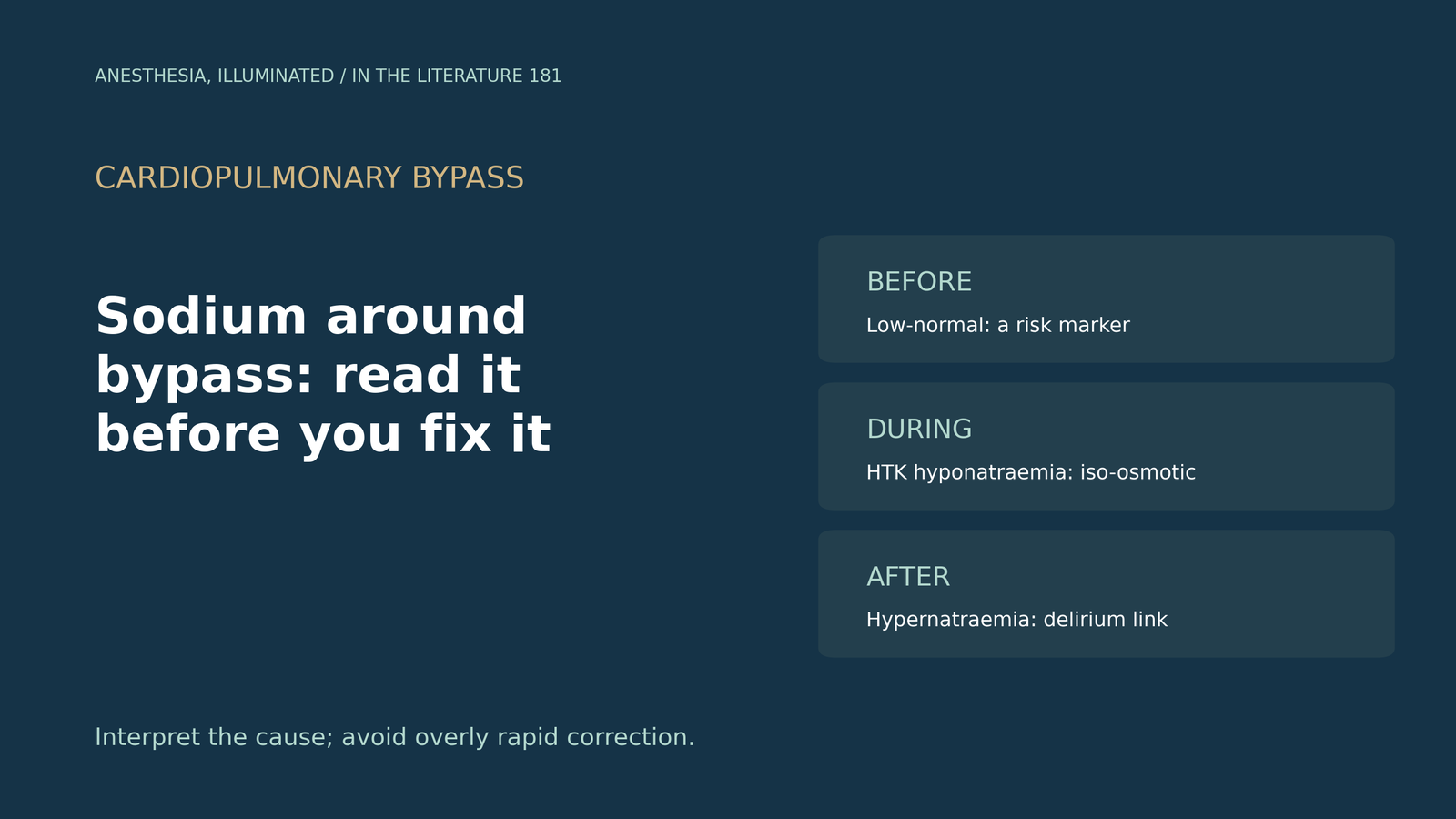
- Low-normal sodium is a marker, not a target. Sodium of 139 mmol/L or less was linked to AKI (OR 2.01) only before full adjustment, and no study shows that correcting it before surgery helps.[1]
- Expect a fall when bypass starts. Serum sodium drops rapidly with haemodilution, and authors advise avoiding a low-sodium lactated Ringer prime in patients who are already hyponatraemic.[2]
- HTK hyponatraemia is a special case. The 2024 European guideline calls it iso-osmotic and says it should not be corrected.[3]
- Correction has its own effects. In a small cohort, correcting HTK hyponatraemia with ultrafiltration and saline was followed by higher sodium afterwards and transient EEG slowing.[4]
- Watch the rise afterwards. Sodium above 145 mmol/L after surgery was associated with delirium (adjusted OR 1.73), and high plasma osmolality with kidney injury.[5], [6]
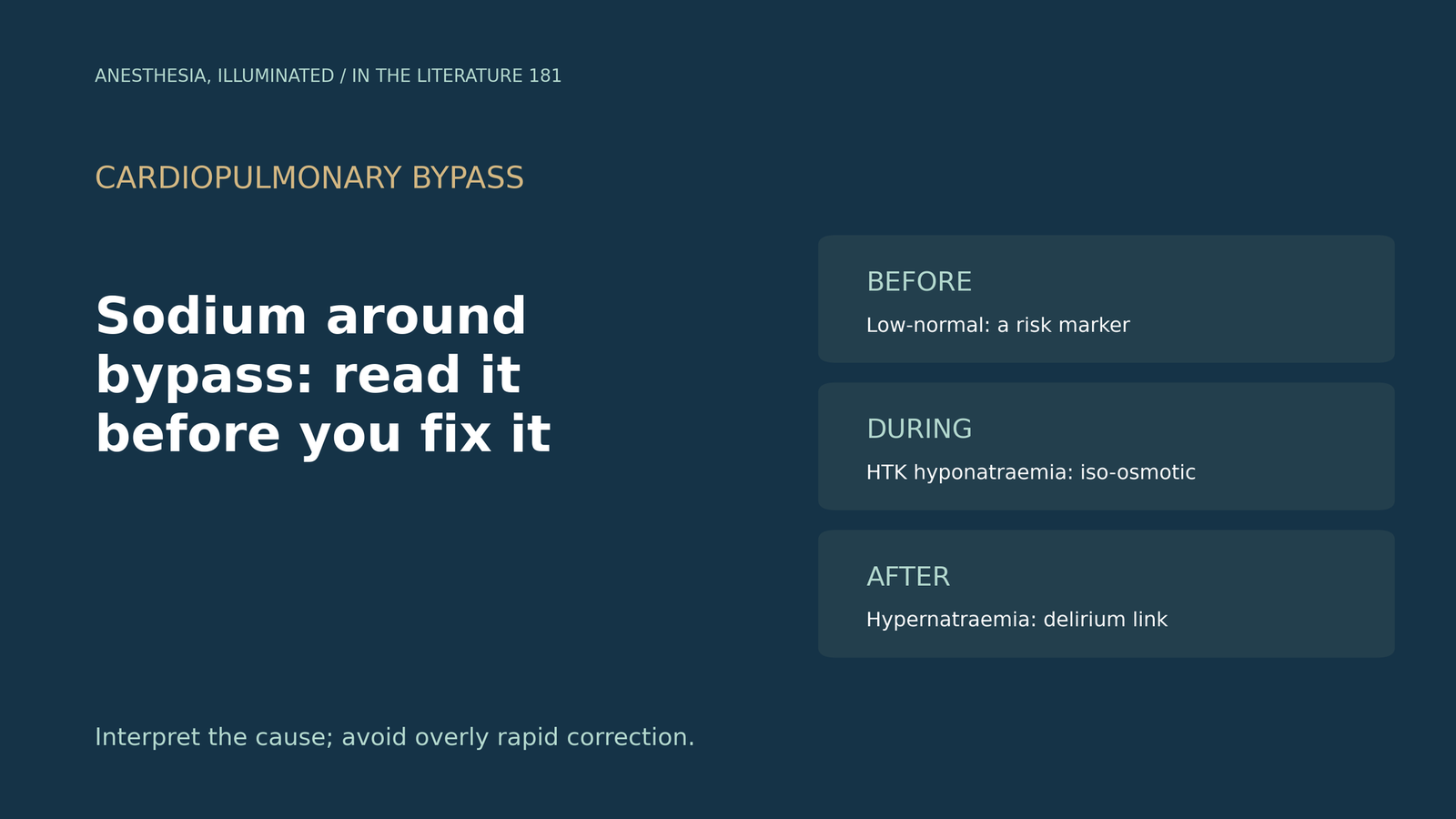
Before valve surgery, a patient's sodium is mildly low; during bypass with HTK cardioplegia it falls further, and after surgery it climbs above the normal range. Which of these changes need correcting, and how fast?[1], [3]
Before bypass: a marker, not a target
Mora and colleagues followed 241 high-risk patients in a multicentre cohort. Moderate-to-severe AKI occurred in 38.0%, 25.8% and 23.9% of patients from the lowest to the highest sodium tertile, and sodium of 139 mmol/L or less carried an OR of 2.01 compared with above 141 mmol/L. The association lost significance after full adjustment (OR 1.67, CI 0.79 to 3.54). The authors note that no study shows that correcting preoperative hyponatraemia before cardiac surgery improves outcomes, and that overly rapid correction, especially with AKI, may increase mortality.[1]
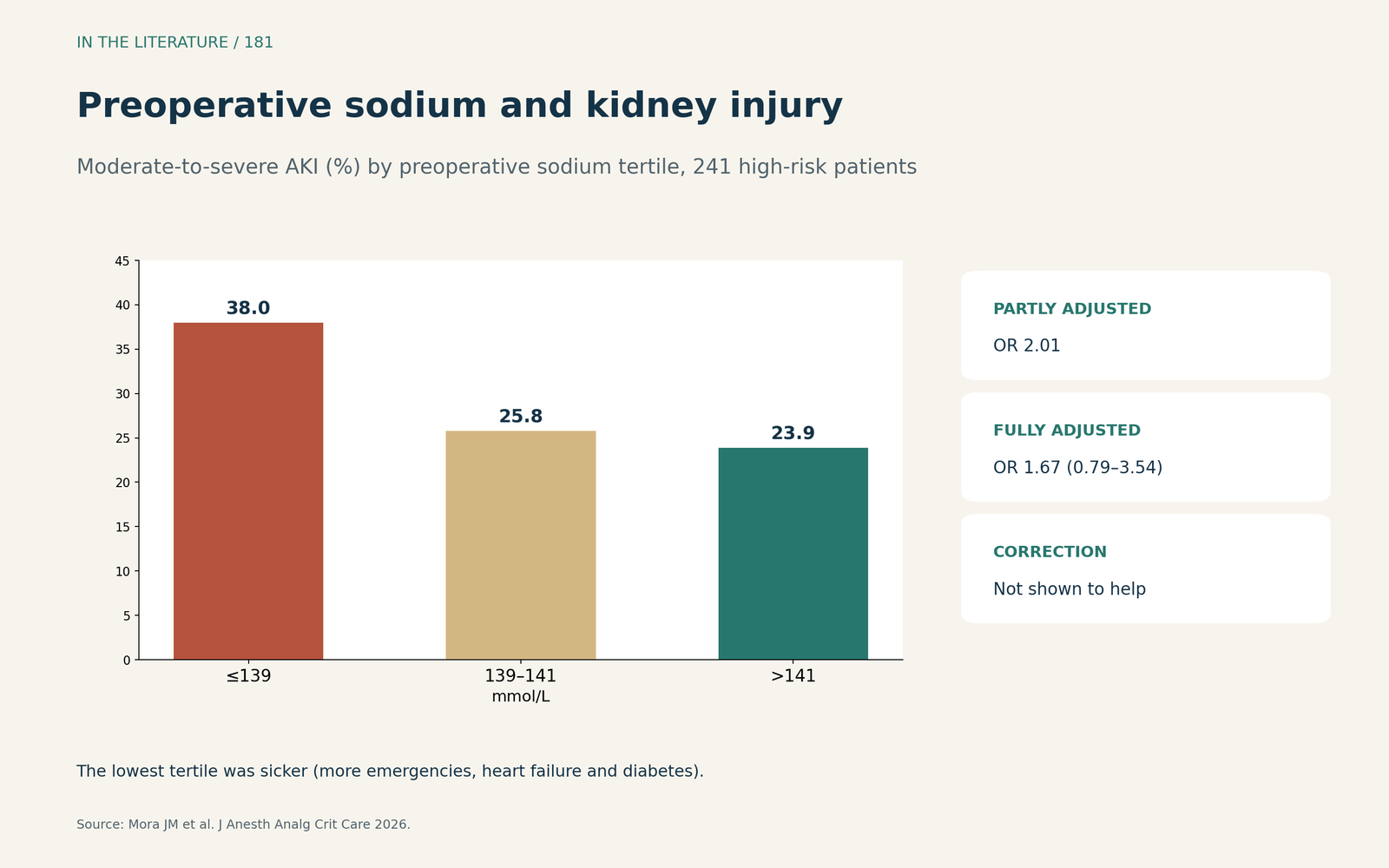
Figure 1. A risk marker, not yet a target. Redrawn from Mora et al.[1] View larger.

During bypass: dilution and HTK
Condello and colleagues point out that serum sodium falls rapidly when bypass begins and suggest avoiding a low-sodium lactated Ringer prime in patients with preoperative hyponatraemia; this is opinion, not trial evidence.[2] The 2024 EACTS/EACTAIC/EBCP guideline notes that the almost sodium-free HTK solution can cause hyponatraemia and states that this acute hyponatraemia is iso-osmotic and should not be corrected, to avoid hyperosmolarity. The statement carries no class of recommendation.[3] Hu and colleagues compared 13 HTK patients with 47 receiving conventional cardioplegia. The HTK group developed acute hyponatraemia, which the centre corrected to above 135 mmol/L with ultrafiltration and normal saline before weaning; postoperative sodium was then higher with HTK, and relative delta power on EEG was higher on day 7 but not day 60. The authors describe a possible short-term but not long-term neurological effect.[4]
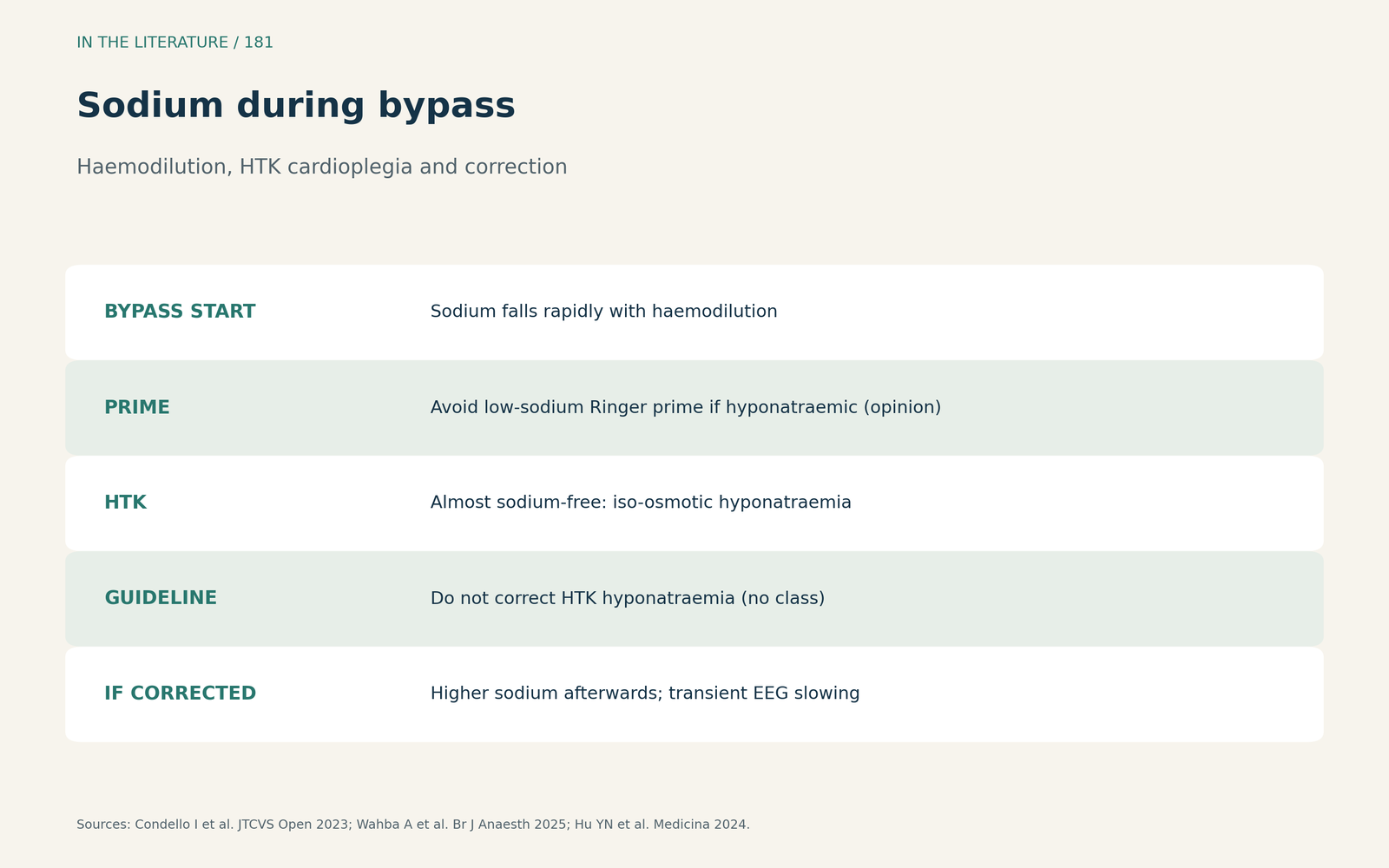
Figure 2. Dilution, HTK and correction. Synthesized from Condello et al., Wahba et al. and Hu et al.[2], [3], [4] View larger.

After bypass: watch for rising sodium
In Hong's nested case-control study, hypernatraemia was defined as sodium above 145 mmol/L within 7 days; delirium occurred in 669 patients (9.2%), and hypernatraemia was associated with delirium (adjusted OR 1.73) in this single-centre retrospective study.[5] Svenmarker and colleagues randomized patients to a hyperosmolar prime containing mannitol and sodium chloride: the prime did not increase AKI, but high plasma osmolality itself was associated with more AKI, based on only 11 events.[6] The guideline adds that saline-heavy fluids can cause acidosis through plasma chloride above 154 mmol/L, and that avoiding hyperchloraemic acidosis should be considered (Class IIa, Level B).[3]
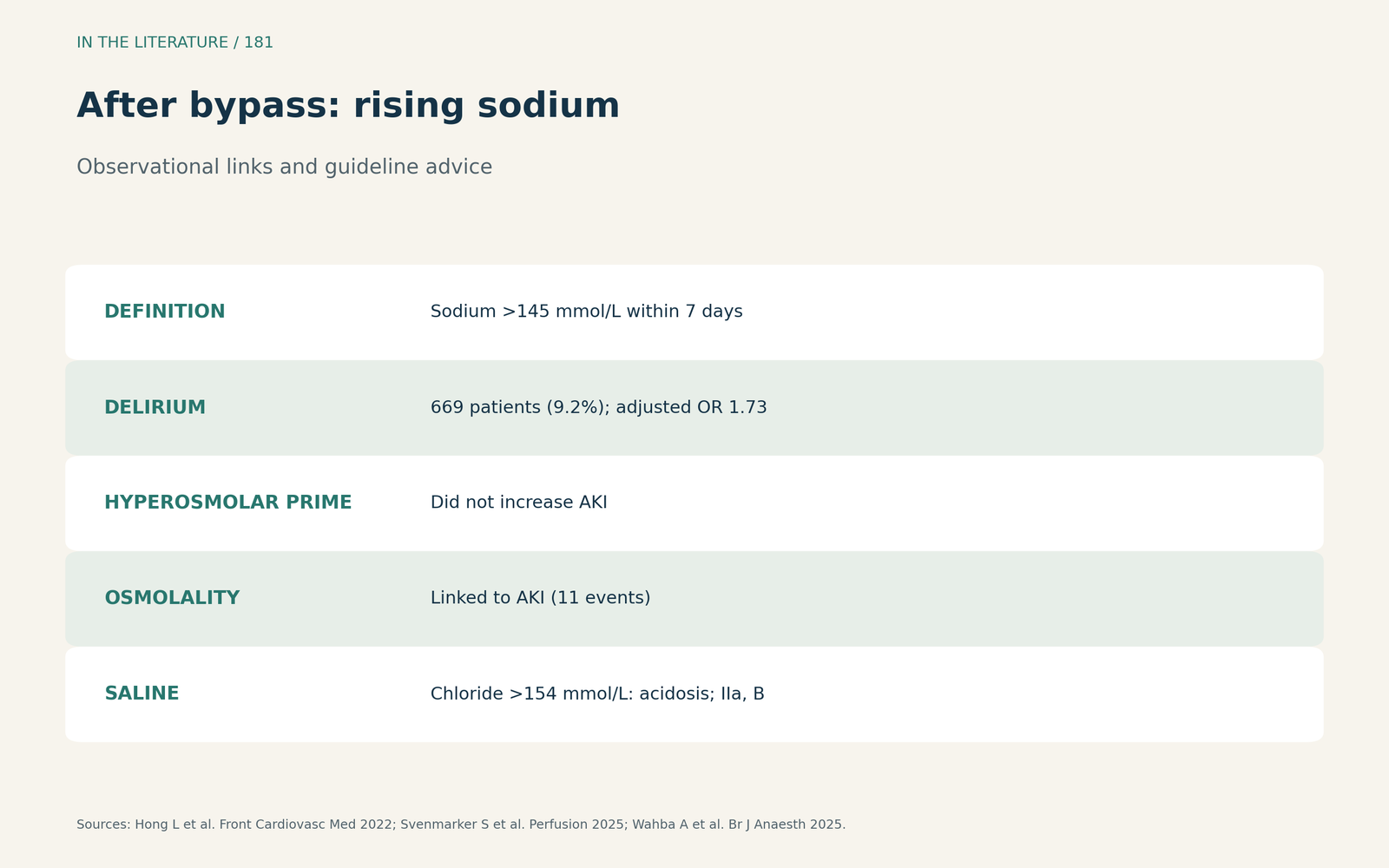
Figure 3. The rise matters too. Synthesized from Hong et al., Svenmarker et al. and Wahba et al.[5], [6], [3] View larger.

Three takeaways
- Interpret before you correct. Low-normal preoperative sodium is a risk marker; correcting it has not been shown to help, and overly rapid correction may harm.[1]
- HTK hyponatraemia is iso-osmotic. The guideline advises against correcting it.[3], [4]
- Do not ignore postoperative hypernatraemia. It is associated with delirium.[5]
References
- Mora JM, Montero-López P, Candela A, et al. Preoperative natremia and AKI after cardiac surgery: an international multicenter prospective cohort study. J Anesth Analg Crit Care. 2026;6(1):131. doi:10.1186/s44158-026-00436-1
- Condello I, Nasso G, Speziale G. Brain and the rapid onset of hyponatremia during cardiopulmonary bypass. JTCVS Open. 2023;16:429. doi:10.1016/j.xjon.2022.12.006
- Wahba A, Kunst G, De Somer F, et al. 2024 EACTS/EACTAIC/EBCP guidelines on cardiopulmonary bypass in adult cardiac surgery. Br J Anaesth. 2025;134(4):917–1008. doi:10.1016/j.bja.2025.01.015
- Hu YN, Hsieh TH, Liang SF, et al. The potential neurological impact of intraoperative hyponatremia using histidine–tryptophan–ketoglutarate cardioplegia infusion in adult cardiac surgery. Medicina (Kaunas). 2024;60(6):995. doi:10.3390/medicina60060995
- Hong L, Shen X, Shi Q, et al. Association between hypernatremia and delirium after cardiac surgery: a nested case-control study. Front Cardiovasc Med. 2022;9:828015. doi:10.3389/fcvm.2022.828015
- Svenmarker S, Claesson Lingehall H, Malmqvist G, Appelblad M. Plasma hyperosmolality during cardiopulmonary bypass is a risk factor for postoperative acute kidney injury: results from double blind randomised controlled trial. Perfusion. 2025;40(2):466–474. doi:10.1177/02676591241240726