ITL-fac989e8ad70
Juan Li, MD · Updated November 18, 2026
Watch the video
Key points
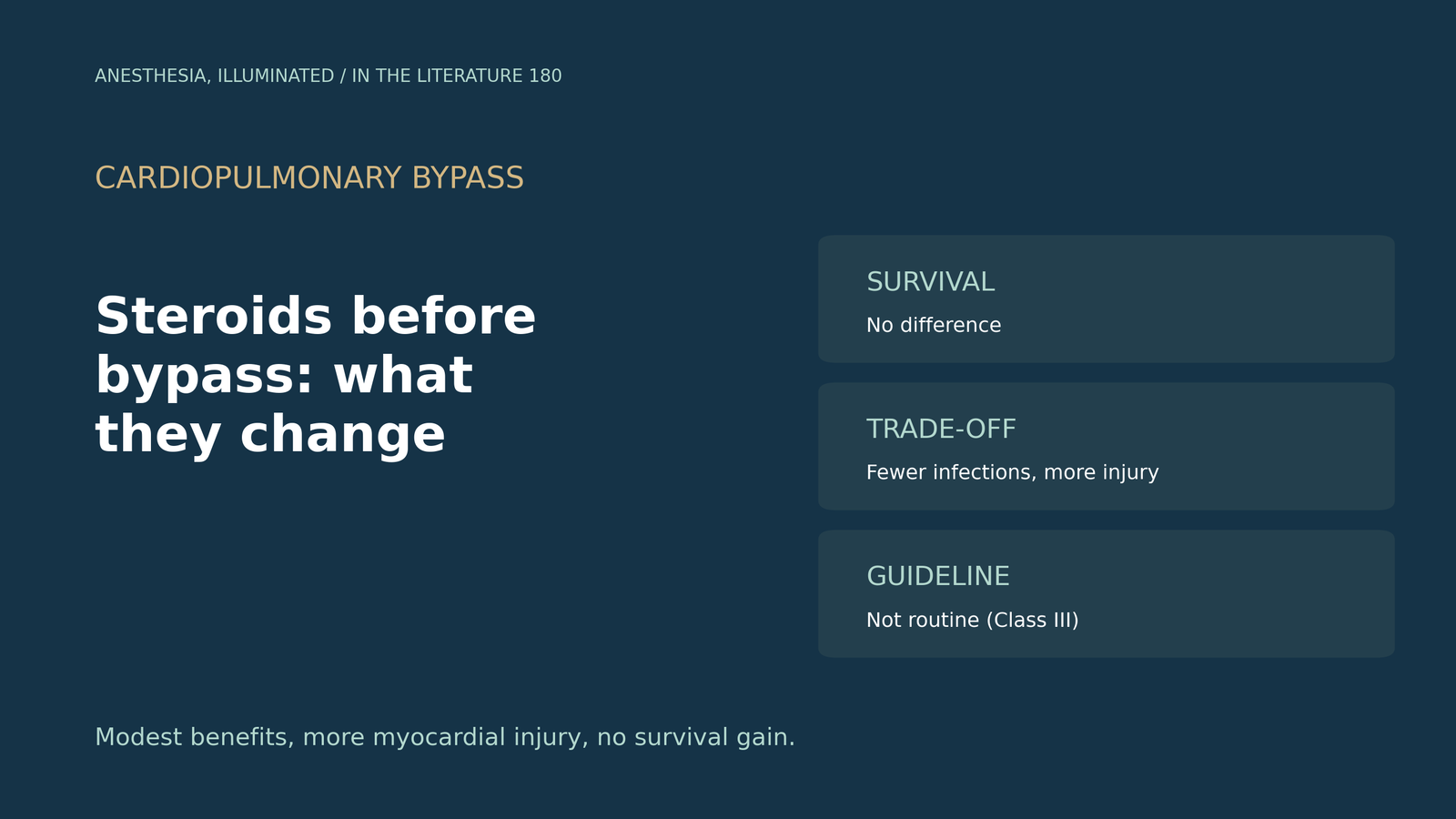
- Survival does not change. In 11,989 patients pooled from SIRS and DECS, 30-day death was 3.1% with steroids and 3.5% with placebo (OR 0.87), with no difference in MI, stroke, renal failure, AF or transfusion.[1]
- The trade-off is real. Steroids reduced ventilation beyond 48 hours (6.8% vs 7.9%) and infection (11.3% vs 13.8%) but raised myocardial injury (13.4% vs 11.0%).[1], [2]
- Smaller studies add weak signals. A network meta-analysis found less atrial fibrillation (RR 0.70, low certainty), and a retrospective cohort found less early lung injury.[3], [4]
- Biomarkers fall, but that is not an outcome. Methylprednisolone lowered CRP and procalcitonin in a 40-patient trial without changing the antioxidant enzyme PON1.[5]
- Guidelines advise against routine use. The 2024 European bypass guideline rates routine steroids for lung protection Class III, Level A.[6]
Before an elective valve and bypass grafting operation, a team member asks whether methylprednisolone should be given at induction to blunt the inflammatory response to bypass. What do steroids actually change for adults having cardiopulmonary bypass?[1], [6]
What the large trials show
Whitlock and colleagues pooled individual patient data from the SIRS trial (methylprednisolone) and the DECS trial (dexamethasone): 11,989 patients from centres in 19 countries. Death at 30 days did not differ (3.1% vs 3.5%; OR 0.87, CI 0.72 to 1.07). Myocardial injury, defined by CK-MB, was more frequent with steroids (13.4% vs 11.0%; OR 1.25). Ventilation beyond 48 hours fell from 7.9% to 6.8%, and infection from 13.8% to 11.3% (OR 0.80). Per 1,000 patients, the authors estimate 25 infections and 11 respiratory failures prevented against 24 extra myocardial injuries, and they conclude that routine use is not supported.[1] In an accompanying editorial, Crawford and Townsley note that earlier meta-analyses never reached the bar needed to change practice and that the modest benefits are hard to reconcile with more myocardial injury.[2]
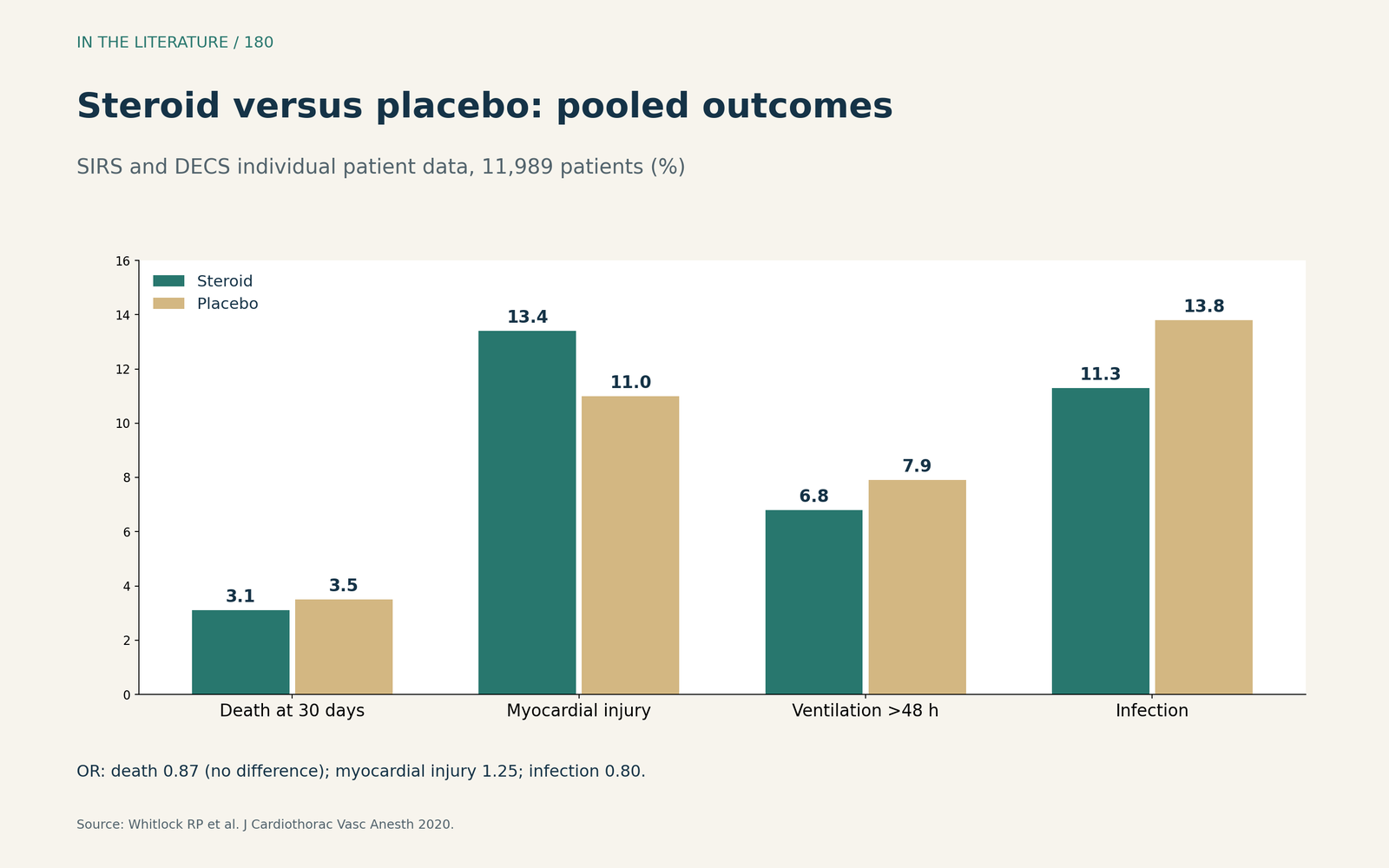
Figure 1. Fewer infections, more myocardial injury, same survival. Redrawn from Whitlock et al.[1] View larger.

What smaller studies add
Malektojari and colleagues' network meta-analysis found that corticosteroids reduced new atrial fibrillation after cardiac surgery (RR 0.70), but with low certainty, and had no effect on death.[3] The pooled SIRS and DECS data, by contrast, showed no AF reduction.[1] Teng and colleagues reported less acute lung injury after minimally invasive surgery with low-dose methylprednisolone (9.2% vs 22.7%), but the study was a single-centre retrospective analysis with the dose chosen by clinicians.[4] In Taleska Stupica's randomized trial, methylprednisolone in the bypass prime lowered CRP and procalcitonin after surgery but did not raise PON1 activity; endpoints were laboratory measures only.[5]
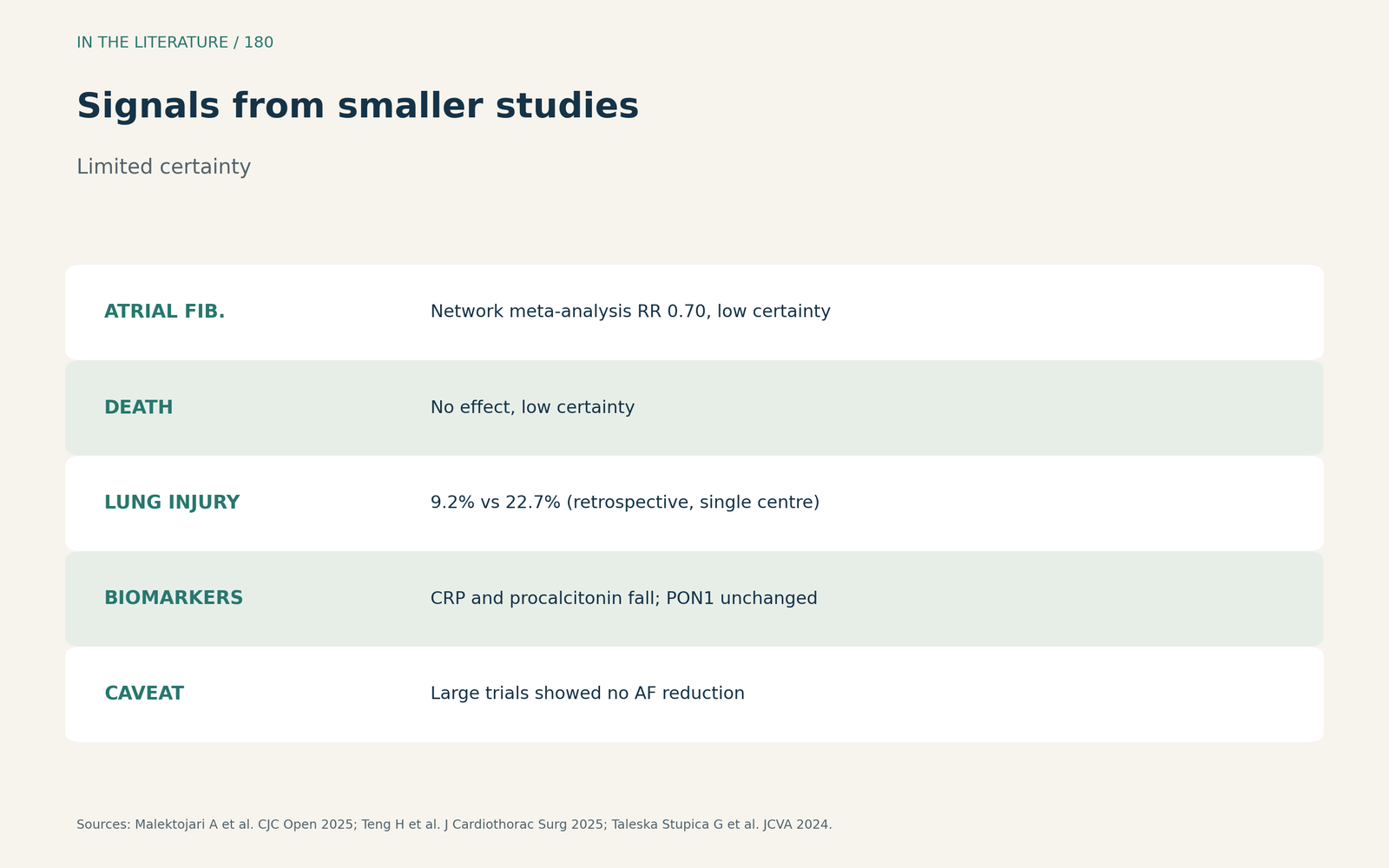
Figure 2. Weak signals, low certainty. Synthesized from Malektojari et al., Teng et al. and Taleska Stupica et al.[3], [4], [5] View larger.

What the guideline says
The 2024 EACTS/EACTAIC/EBCP guideline summarizes that steroids did not lower death, MI, stroke, renal failure, AF or transfusion, did not improve composite outcomes and may increase myocardial adverse events. It states that routine steroids for lung protection during bypass are not recommended (Class III, Level A). Separately, steroids may be considered to protect the brain during aortic arch surgery with deep hypothermic circulatory arrest (Class IIb, Level C), a group that neither DECS nor SIRS included.[6]
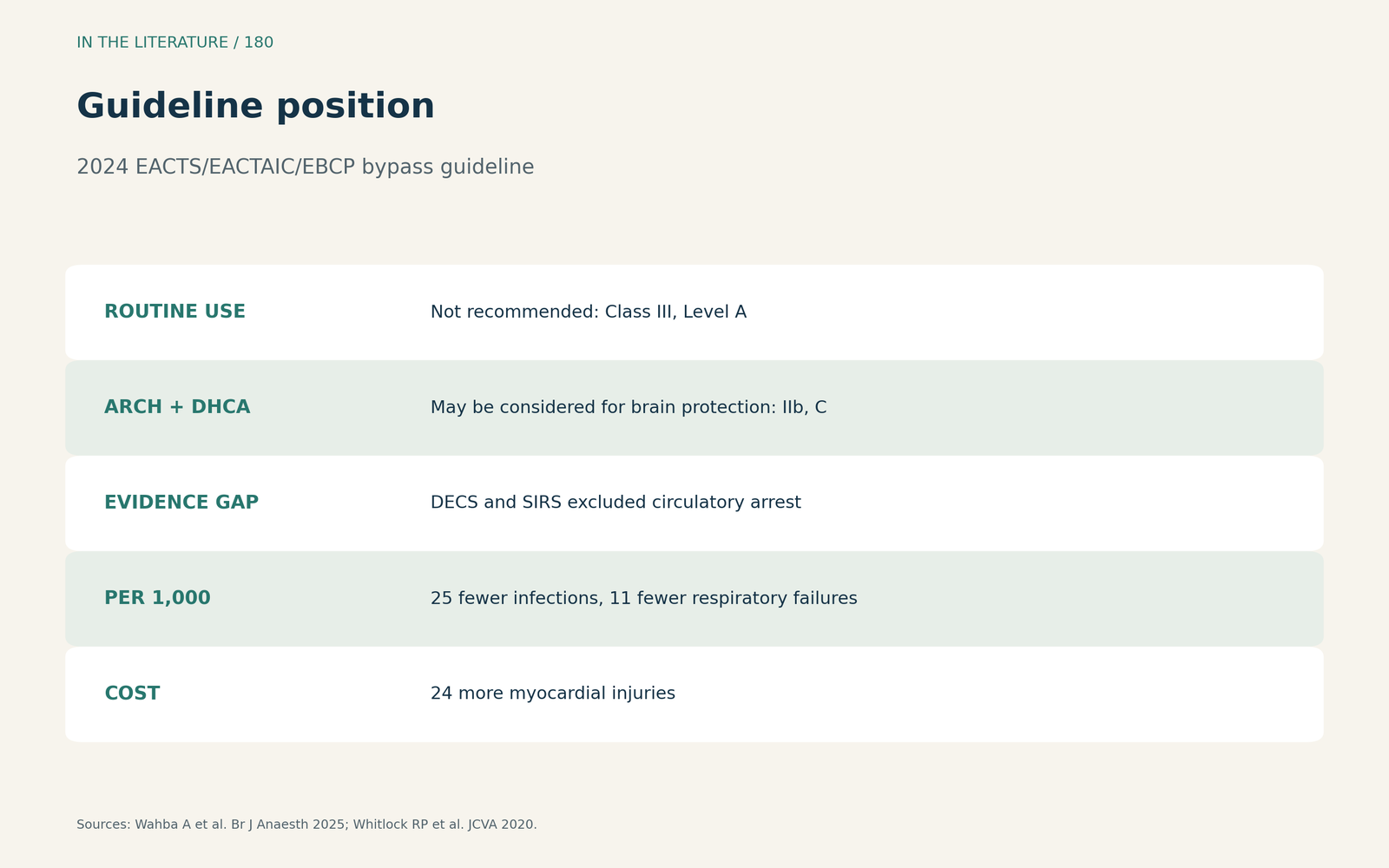
Figure 3. Not routine, with one narrow exception. Synthesized from Wahba et al. and Whitlock et al.[6], [1] View larger.

Three takeaways
- Steroids do not improve survival or major complications after bypass.[1]
- Fewer infections and less prolonged ventilation come with more myocardial injury.[1], [2]
- Do not give them routinely. The guideline advises against routine use; arch surgery with circulatory arrest is a weak exception.[6]
References
- Whitlock RP, Dieleman JM, Belley-Cote E, et al. The effect of steroids in patients undergoing cardiopulmonary bypass: an individual patient meta-analysis of two randomized trials. J Cardiothorac Vasc Anesth. 2020;34(1):99–105. doi:10.1053/j.jvca.2019.06.012
- Crawford JH, Townsley MM. Analyzing the data for steroids in cardiac surgery. J Cardiothorac Vasc Anesth. 2020;34(1):106–107. doi:10.1053/j.jvca.2019.08.012
- Malektojari A, Javidfar Z, Ghazizadeh S, et al. Effectiveness of anti-inflammatory agents to prevent atrial fibrillation after cardiac surgery: a systematic review and network meta-analysis. CJC Open. 2025;7(1):35–45. doi:10.1016/j.cjco.2024.10.008
- Teng H, Wang L, Jiang S, et al. Methylprednisolone and postoperative pulmonary function following minimally invasive cardiac surgery under ultra-fast-track anesthesia. J Cardiothorac Surg. 2025;21(1):14. doi:10.1186/s13019-025-03680-8
- Taleska Stupica G, Sostaric M, Jenko M, Podbregar M. Methylprednisolone does not enhance paraoxonase 1 activity during cardiopulmonary bypass surgery: a randomized, controlled clinical trial. J Cardiothorac Vasc Anesth. 2024;38(4):946–956. doi:10.1053/j.jvca.2023.12.035
- Wahba A, Kunst G, De Somer F, et al. 2024 EACTS/EACTAIC/EBCP guidelines on cardiopulmonary bypass in adult cardiac surgery. Br J Anaesth. 2025;134(4):917–1008. doi:10.1016/j.bja.2025.01.015