ITL-399c57cadcc4
Juan Li, MD · Updated November 17, 2026
Watch the video
Key points
- Protamine reactions range from a transient fall in blood pressure to anaphylaxis and severe pulmonary vasoconstriction. Reported adverse reactions vary from 0.06% to 10.6%, and a rise in mean pulmonary artery pressure of more than 7 mmHg occurs in about 0.6%.[1]
- Anaphylaxis is often hidden in the operating room. Among 17,589 cardiac surgical patients, 19 had anaphylaxis (0.108%); drapes hide skin signs, bypass masks hypoxia, and an unexplained rise in norepinephrine need may be the clue.[2]
- Catastrophic pulmonary vasoconstriction has a pattern: sudden hypotension 4 to 10 minutes after protamine, then rising pulmonary artery pressure. In one series it occurred in 5 of 4160 patients and resolved within 30 to 60 minutes with treatment.[3]
- The usual reaction is mild. In a matched cohort, mean arterial pressure fell by a median of 8 mmHg after protamine, without a change in cardiac index or pulmonary artery pressure.[4]
- Treat anaphylaxis with adrenaline first, exclude graft or ventricular causes on TEE, and be ready to return to bypass. A protamine-to-heparin ratio below 1.0 is recommended (Class I B).[5], [6], [7], [8]
Five minutes into protamine after valve surgery, the arterial pressure falls to 60/35 mmHg and the pulmonary artery pressure climbs. Is this a protamine reaction, which type, and what should the team check and do?[1], [3]
Three types of reaction
Boer and colleagues describe protamine's adverse effects as a spectrum. Infusion is frequently associated with a transient drop in blood pressure, more so with rapid infusion over 3 minutes than over 15 minutes; giving protamine into the ascending aorta was least associated with hypotension. Anaphylactic responses are more likely in patients previously exposed to protamine, for example with protamine-containing insulin. Pulmonary vasoconstriction, with mean pulmonary artery pressure rising by more than 7 mmHg, occurred in 0.6% of patients.[1] Del Duca and colleagues summarize the same three-part classification and note that the incidence of reactions may reach 2.8% after prior exposure to protamine-containing insulin.[6]
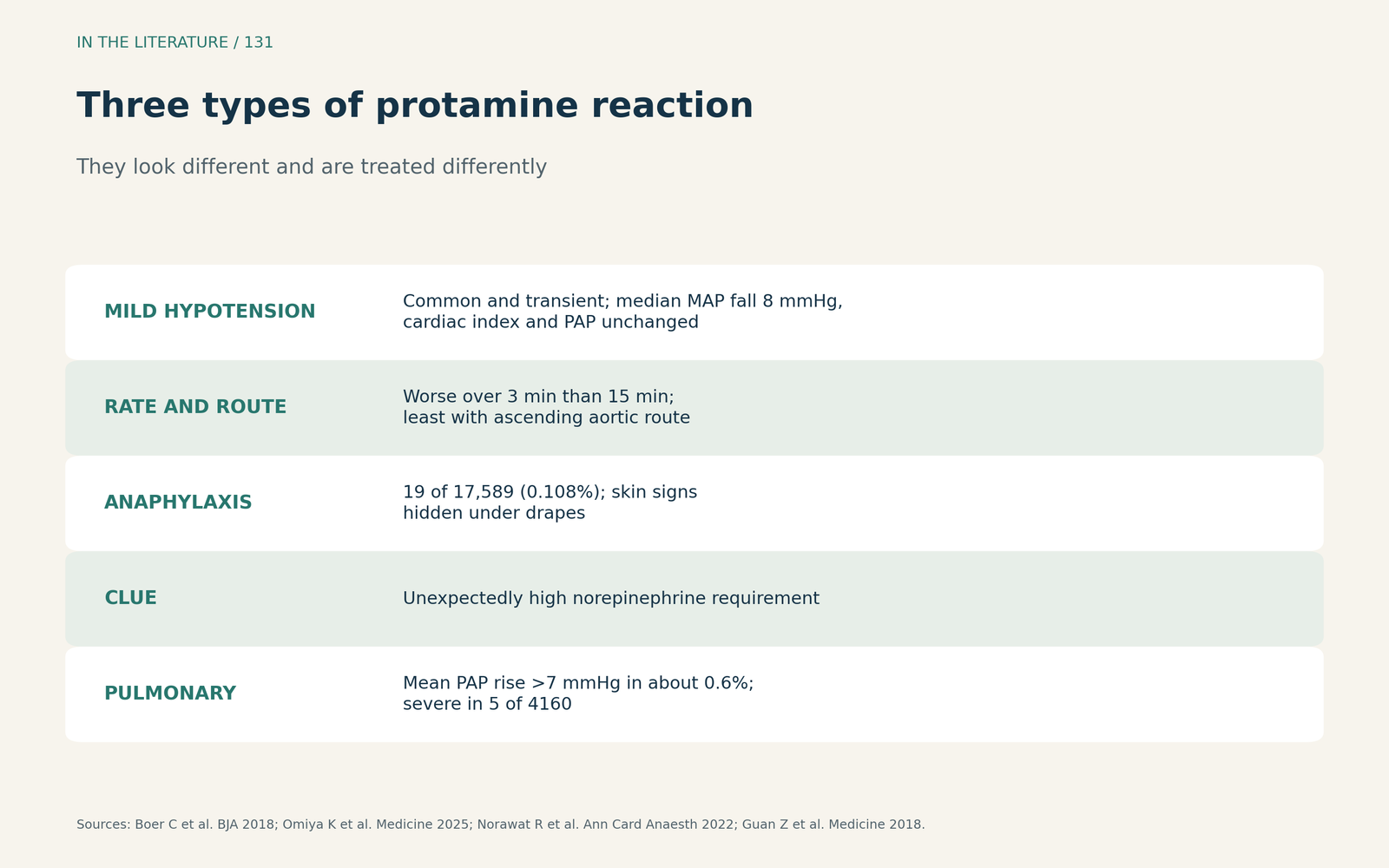
Figure 1. Recognizing the type of protamine reaction. Synthesized from Boer et al., Omiya et al., Guan et al., Norawat et al. and Del Duca et al.[1], [4], [3], [2], [6] View larger.

The common, mild reaction
Omiya and colleagues studied patients given about 3 mg/kg of protamine over 10 minutes. Mean arterial pressure fell by a median of 8 mmHg in controls; cardiac index and pulmonary artery pressure did not change, and the authors suggest protamine itself mainly lowers systemic vascular resistance.[4]
Pulmonary vasoconstriction
Guan and colleagues reported 5 cases among 4160 cardiac operations. Arterial pressure fell suddenly 4 to 10 minutes after the infusion began, and pulmonary artery pressure then rose. Inspired oxygen was increased to 100%, epoprostenol was given, and one patient returned to bypass for severe hypoxemia; pulmonary artery pressure normalized in 30 to 60 minutes.[3]
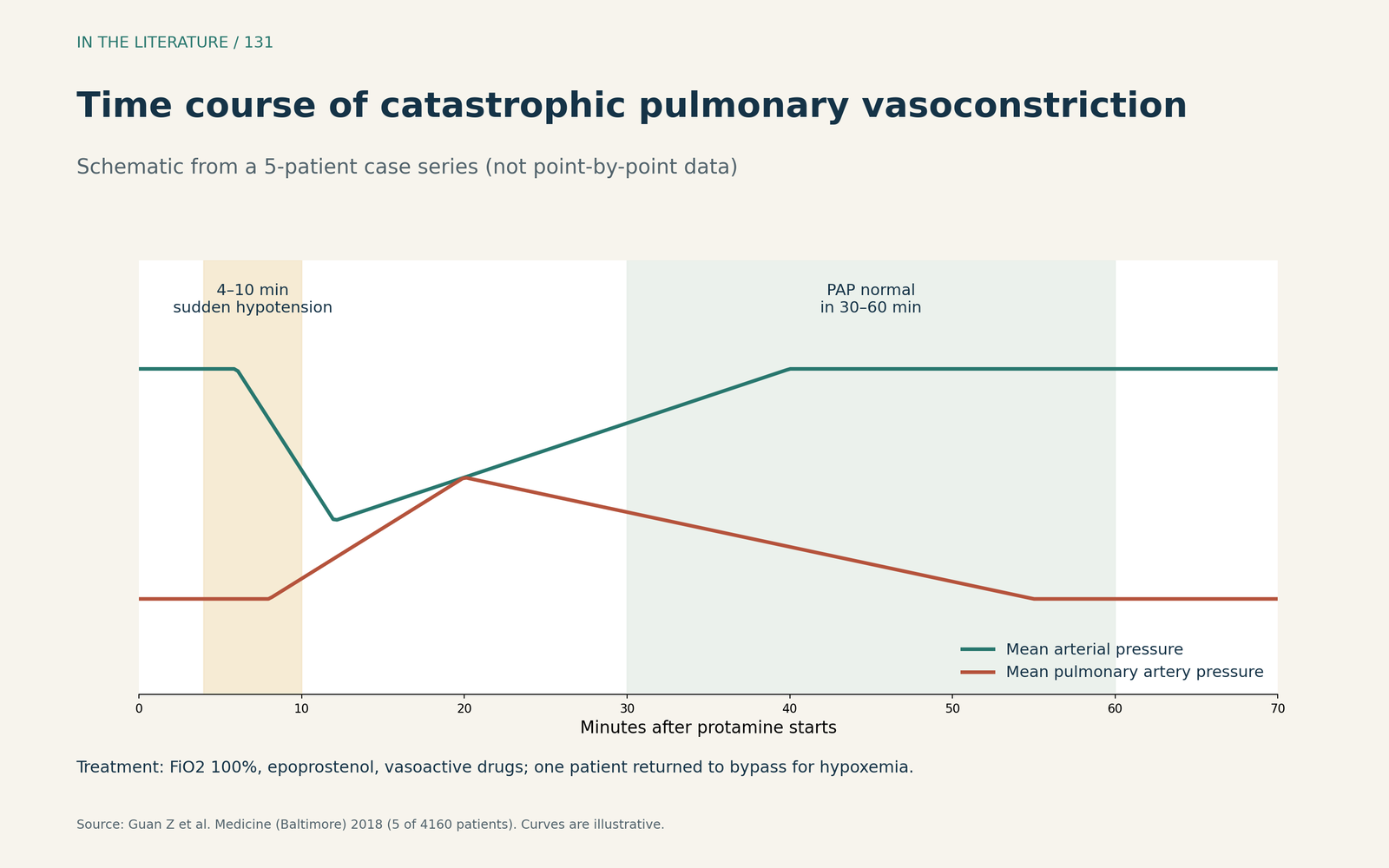
Figure 2. The time course of catastrophic pulmonary vasoconstriction. Redrawn from the case series by Guan et al.[3] View larger.

Anaphylaxis and its mimics
Norawat and colleagues found 19 cases of anaphylaxis among 17,589 cardiac surgical patients, most before bypass; they identified none caused by protamine but note that such reactions may be overlooked, because drapes hide skin changes, oxygenation is maintained on bypass, and the main sign may be unexpectedly high norepinephrine requirements.[2] The Resuscitation Council UK algorithm makes adrenaline first-line treatment, notes that skin signs are absent in about one-third of reactions, and recommends a second tryptase sample within 1 to 4 hours.[5] When hypotension is refractory, return to bypass with an intra-aortic balloon pump was used in reported cases, along with methylene blue.[6]
Not every post-protamine collapse is a reaction. Chandiramani and colleagues review graft thrombosis after protamine; in one case, hypotension with new wall-motion abnormalities was first attributed to protamine but needed graft reanastomosis.[7]
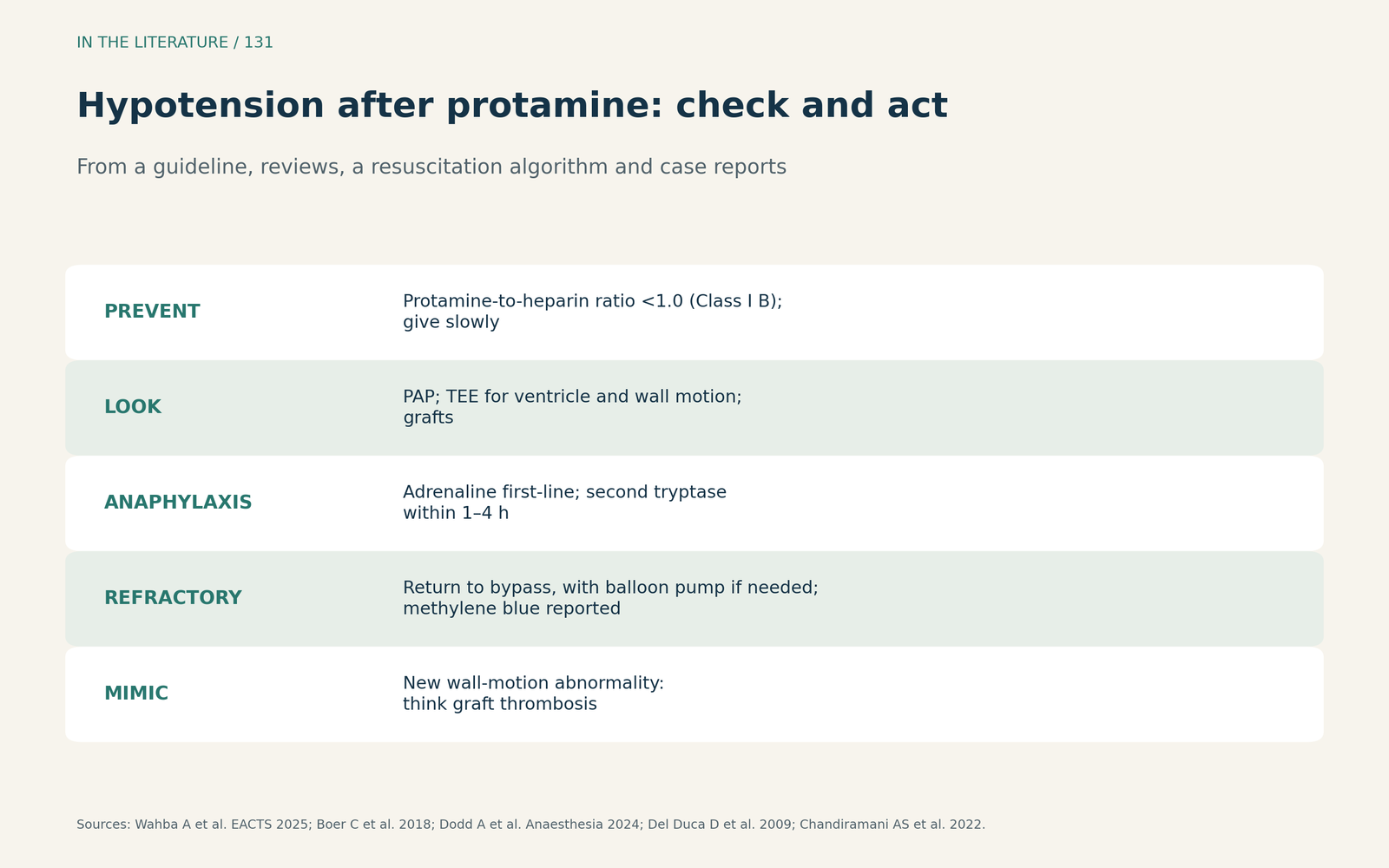
Figure 3. What to check and do. Synthesized from the 2024 EACTS guideline, Boer et al., the Resuscitation Council UK algorithm, Del Duca et al. and Chandiramani et al.[8], [1], [5], [6], [7] View larger.

Prevention
The 2024 EACTS/EACTAIC/EBCP guideline recommends a protamine-to-heparin ratio below 1.0 to avoid overdosing (Class I B) and suggests stopping cardiotomy suction when protamine starts (Class IIa C).[8]
Three takeaways
- Name the type. Mild systemic hypotension, anaphylaxis and pulmonary vasoconstriction look different and are treated differently.[1], [3], [4]
- Look beyond protamine. Hidden anaphylaxis, ventricular dysfunction and graft occlusion can all follow reversal.[2], [7]
- Prepare to rescue. Give protamine slowly at a ratio below 1.0, use adrenaline for anaphylaxis, and keep the option to return to bypass.[1], [5], [6], [8]
References
- Boer C, Meesters MI, Veerhoek D, Vonk ABA. Anticoagulant and side-effects of protamine in cardiac surgery: a narrative review. Br J Anaesth. 2018;120(5):914–927. doi:10.1016/j.bja.2018.01.023
- Norawat R, Vohra A, Parkes A, et al. Incidence and outcome of anaphylaxis in cardiac surgical patients. Ann Card Anaesth. 2022;25(3):323–329. doi:10.4103/aca.aca_170_21
- Guan Z, Shen X, Zhang YJ, et al. Use of epoprostenol to treat severe pulmonary vasoconstriction induced by protamine in cardiac surgery. Medicine (Baltimore). 2018;97(28):e10908. doi:10.1097/MD.0000000000010908
- Omiya K, Nakadate Y, Oguchi T, Matsukawa T. Ulinastatin mitigates protamine-induced hypotension during cardiac surgery: a retrospective observational study using propensity score matching. Medicine (Baltimore). 2025;104(47):e45545. doi:10.1097/MD.0000000000045545
- Dodd A, Turner PJ, Soar J, Savic L. Emergency treatment of peri-operative anaphylaxis: Resuscitation Council UK algorithm for anaesthetists. Anaesthesia. 2024;79(5):535–541. doi:10.1111/anae.16206
- Del Duca D, Sheth SS, Clarke AE, et al. Use of methylene blue for catecholamine-refractory vasoplegia from protamine and aprotinin. Ann Thorac Surg. 2009;87(2):640–642. doi:10.1016/j.athoracsur.2008.07.017
- Chandiramani AS, Jenkin I, Botezatu B, Harky A. Protamine-induced coronary graft thrombosis: a review. J Cardiothorac Vasc Anesth. 2022;36(8):2679–2684. doi:10.1053/j.jvca.2021.10.008
- Wahba A, Kunst G, De Somer F, et al. 2024 EACTS/EACTAIC/EBCP guidelines on cardiopulmonary bypass in adult cardiac surgery. Eur J Cardiothorac Surg. 2025;67(2):ezae354. doi:10.1093/ejcts/ezae354