ITL-e4bf8ba46c24
Juan Li, MD · Updated November 18, 2026
Watch the video
Key points
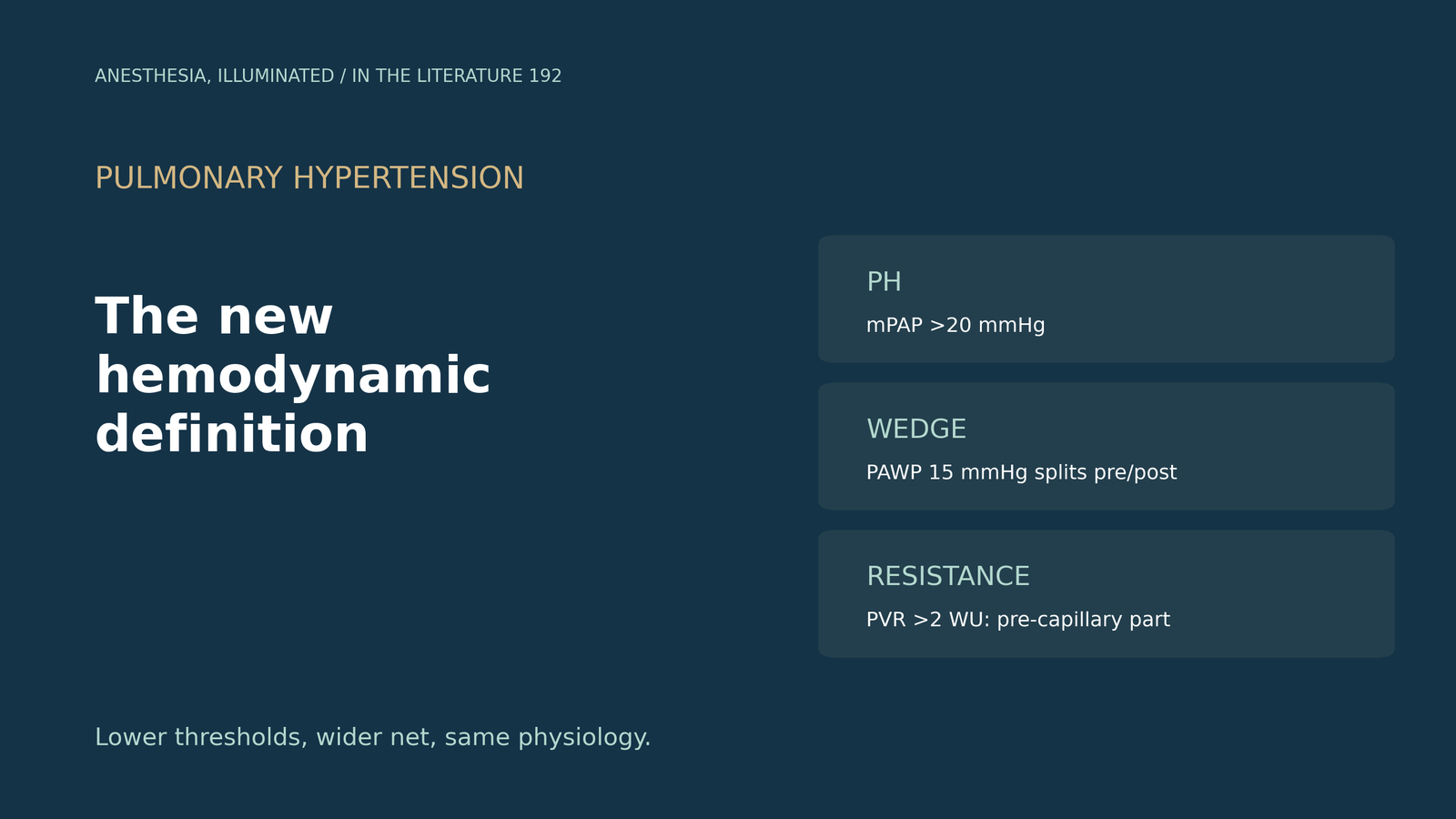
- The threshold has fallen. PH now includes a mean pulmonary artery pressure above 20 mm Hg, and PVR above 2.0 Wood units is used for diagnosis and prognosis.[1]
- The reason is data, not convenience. Normal mPAP is about 14.0 mmHg, and the old PVR cut-off of 3 WU was called arbitrary.[2]
- Three numbers sort the categories. Combined pre- and post-capillary PH requires mPAP above 20, wedge pressure above 15 mmHg and PVR above 2 WU.[3]
- Left heart disease dominates. It is the most prevalent cause of PH, and in group 2 PH, PAH-targeted therapies have no clear role.[3], [4]
- The net is wider. The revised definition captures about 60% more patients, and in one transplant cohort 47% of isolated post-capillary cases were reclassified as combined.[1], [5]
Before mitral valve surgery, right heart catheterization shows a mean pulmonary artery pressure of 28 mmHg, a wedge pressure of 22 mmHg and a PVR of 2.5 Wood units. Under the new definition, is this isolated post-capillary or combined pre- and post-capillary pulmonary hypertension?[1], [3]
Why the thresholds changed
Maron explains that PH now includes a mean pulmonary artery pressure above 20 mm Hg and that PVR above 2.0 Wood units is used for diagnosis and prognosis, because mortality rises continuously above 2.0 WU.[1] Simonneau and colleagues, analysing 1187 normal subjects from 47 studies, found a normal mPAP of 14.0 mmHg; they called the 3 WU cut-off arbitrary, noted that PVR above 2 WU could be abnormal, and found that patients with mPAP of 21 to 24 mmHg had a median PVR of 2.7 WU. In 2019 they defined pre-capillary PH as mPAP above 20 mmHg together with other criteria, but judged that too many uncertainties prevented reintroducing a definition of exercise PH.[2]
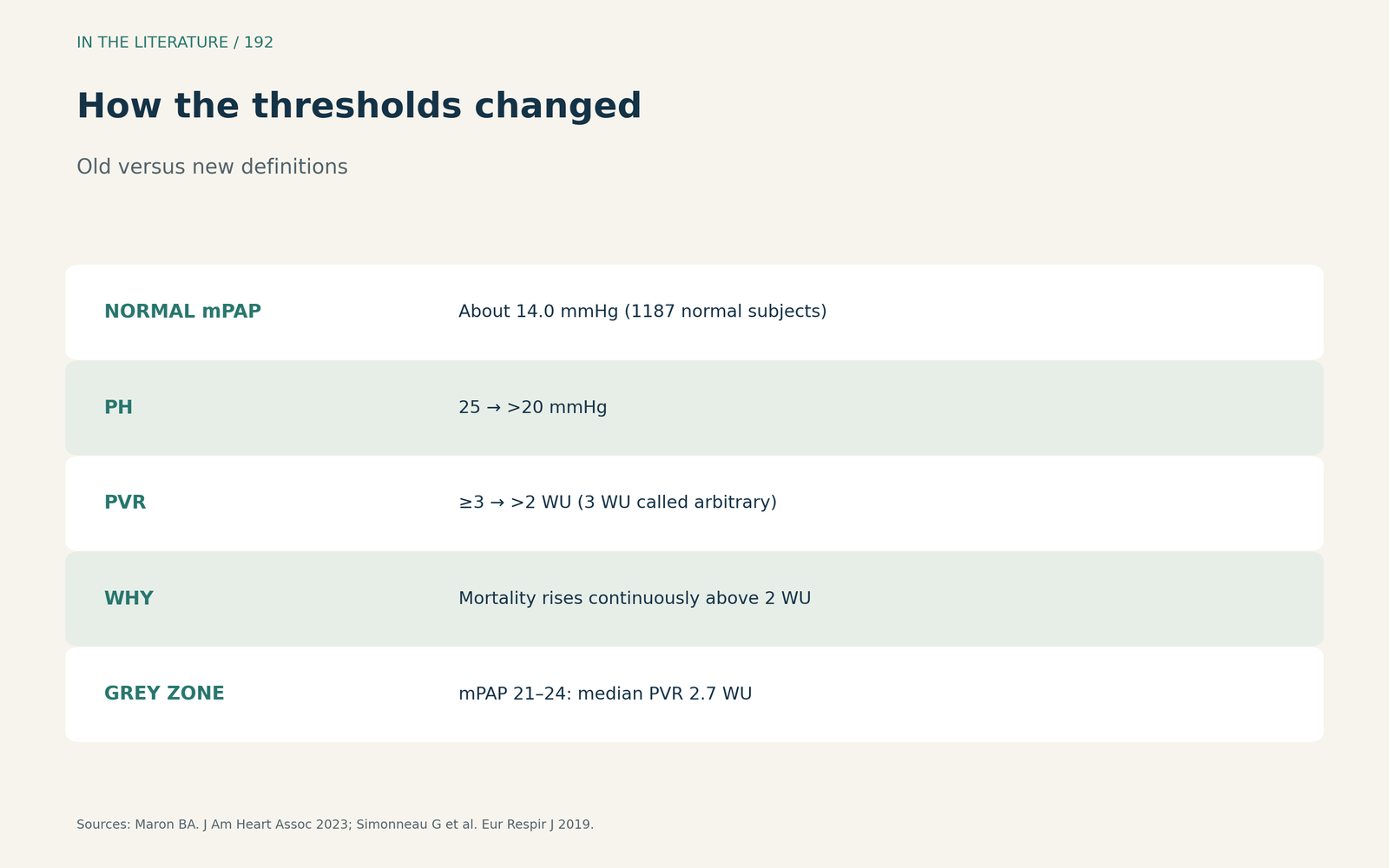
Figure 1. Lower thresholds, grounded in normal data. Synthesized from Maron and Simonneau et al.[1], [2] View larger.

Sorting pre- from post-capillary disease
Mohananey and colleagues summarize the 2022 European definitions: PH is mPAP above 20 mmHg; combined pre- and post-capillary PH requires mPAP above 20 mmHg, wedge pressure above 15 mmHg and PVR above 2 WU; a precapillary component is identified by PVR above 2 WU; and exercise PH is an mPAP/cardiac output slope above 3 mmHg/L/min. Left heart disease is the most prevalent cause, and a PVR above 5 WU may better predict outcomes.[3] The AHA statement on noncardiac surgery adopted PVR above 2 WU instead of 3 WU, notes that higher mPAP is consistently associated with mortality and that combined PH can involve pulmonary vascular remodeling, and states that in group 2 PH, PAH-targeted therapies have no clear role.[4]
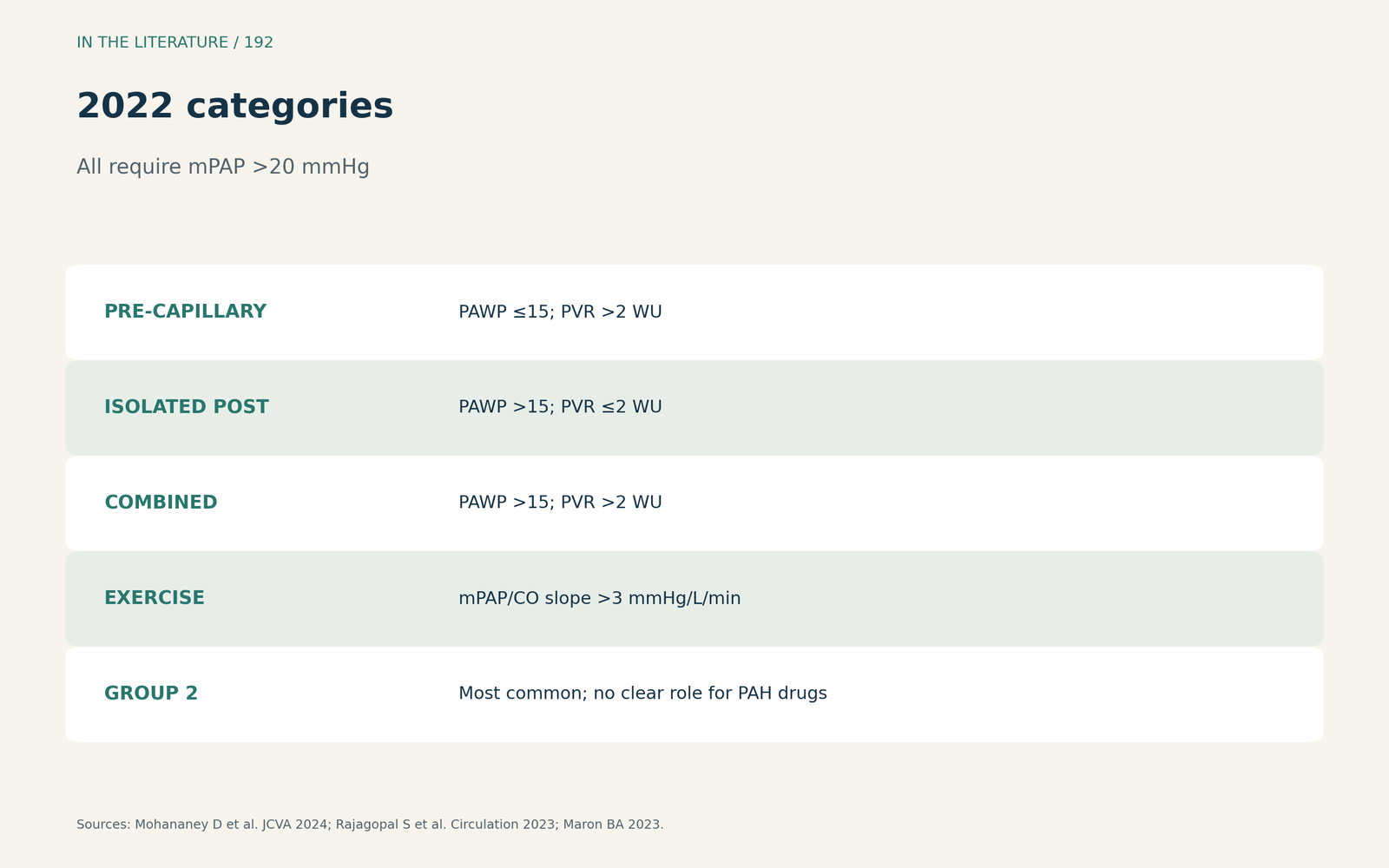
Figure 2. Wedge pressure first, then resistance. Synthesized from Mohananey et al., Rajagopal et al. and Maron.[3], [4], [1] View larger.

What the new definition changes
Maron estimates that the revised definition captures about 60% more patients.[1] Corianò and colleagues applied it to 357 heart transplant candidates: 65 had no PH, 84 isolated post-capillary PH and 208 combined PH; 74 (47%) moved from isolated to combined PH, only mPAP above 20 mmHg was associated with 1-year mortality (HR 4.31), and the updated classification did not discriminate risk better (C-statistic 0.591).[5]
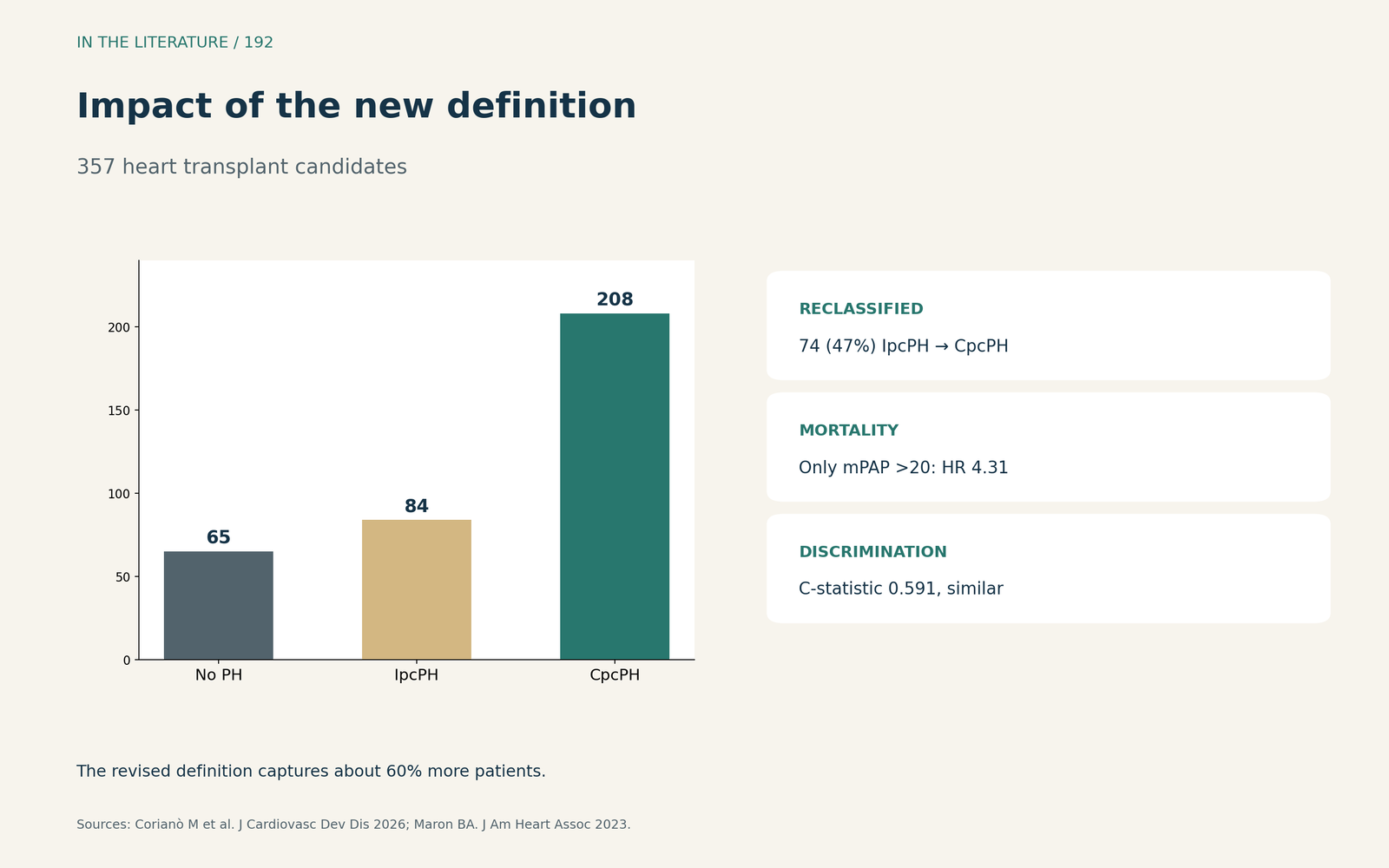
Figure 3. More patients, similar discrimination. Redrawn from Corianò et al. and Maron.[5], [1] View larger.

Three takeaways
- PH is mPAP above 20 mmHg; check the wedge pressure, then the PVR.[1], [3]
- With wedge pressure above 15 mmHg, PVR above 2 WU means combined pre- and post-capillary PH.[3]
- Lower thresholds widen the net; their effect on management and risk is still being tested.[1], [5]
References
- Maron BA. Revised definition of pulmonary hypertension and approach to management: a clinical primer. J Am Heart Assoc. 2023;12(8):e029024. doi:10.1161/JAHA.122.029024
- Simonneau G, Montani D, Celermajer DS, et al. Haemodynamic definitions and updated clinical classification of pulmonary hypertension. Eur Respir J. 2019;53(1):1801913. doi:10.1183/13993003.01913-2018
- Mohananey D, Martin AK, Mandawat H, et al. Analysis of the 2022 European Society of Cardiology/European Respiratory Society guidelines for the diagnosis and treatment of pulmonary hypertension. J Cardiothorac Vasc Anesth. 2024;38(2):534–541. doi:10.1053/j.jvca.2023.10.037
- Rajagopal S, Ruetzler K, Ghadimi K, et al. Evaluation and management of pulmonary hypertension in noncardiac surgery: a scientific statement from the American Heart Association. Circulation. 2023;147(17):1317–1343. doi:10.1161/CIR.0000000000001136
- Corianò M, Pradegan N, Putortì F, et al. Risk stratification of adverse outcomes after heart transplantation with the 2022 definition of pulmonary hypertension. J Cardiovasc Dev Dis. 2026;13(6):227. doi:10.3390/jcdd13060227