ITL-7308c0a8196e
Juan Li, MD · Updated November 18, 2026
Key points
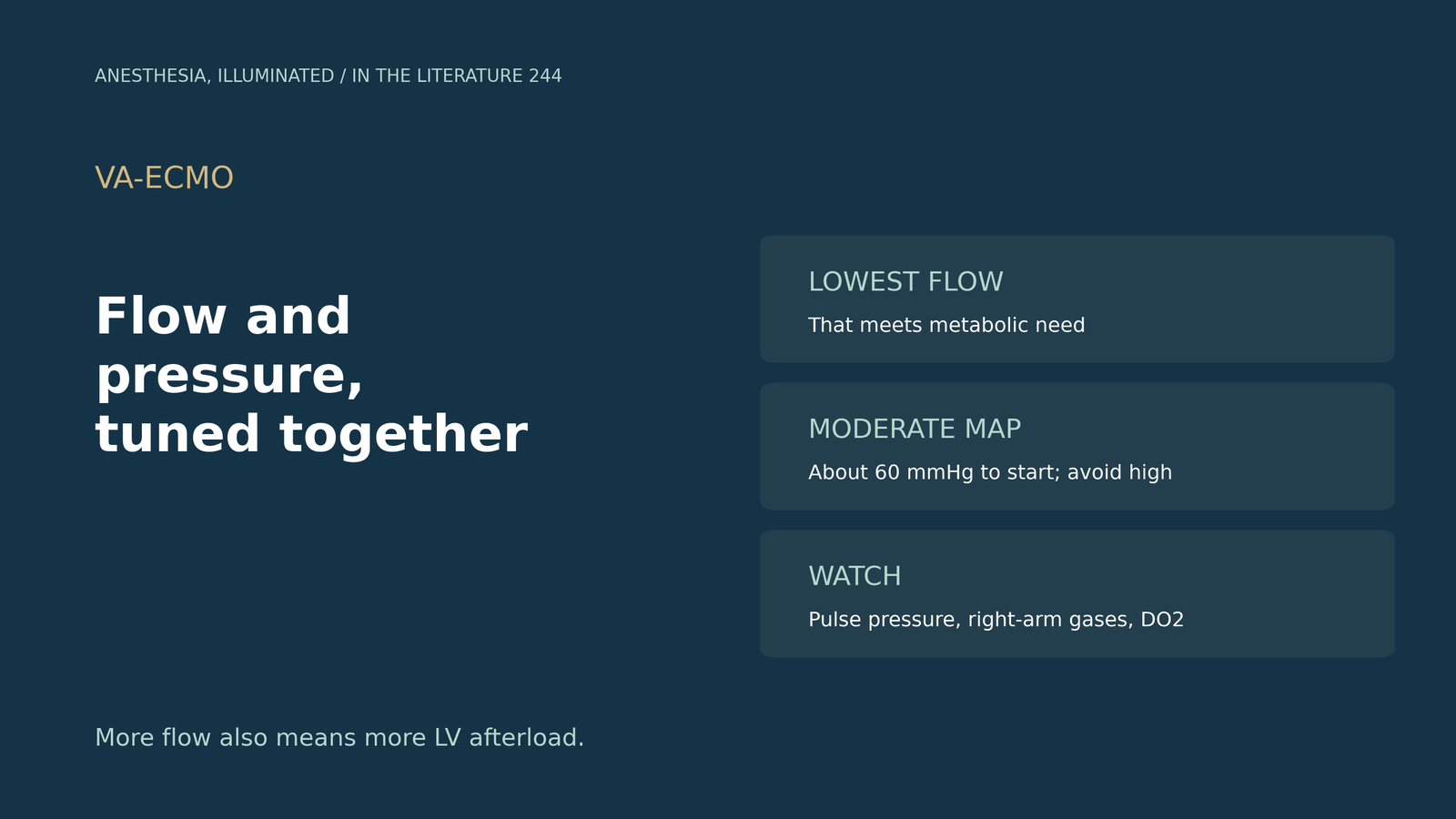
- Flow is also afterload. Retrograde aortic return increases LV afterload, and the net effect cannot be predicted from pump flow alone.[1]
- Lowest effective flow. Support should run at the lowest flow that meets metabolic need.[1]
- Moderate pressure. Robust evidence is lacking; a MAP of about 60 mmHg is a common starting point, and excessively high MAP should be avoided.[2]
- Watch pulse pressure. Below 15 mmHg suggests native output under 1 L/min; below 10 mmHg is a warning sign, not a validated threshold.[2], [1]
- Check the right arm. Ventilator settings should follow right-arm blood gases in femoral VA-ECMO.[3]
A patient on femoral VA-ECMO for cardiogenic shock has a MAP of 85 mmHg on norepinephrine, flow at 4.5 L/min and an arterial line that is almost flat. Should the team raise flow, lower pressure, or both?[1], [2]
Flow is not only perfusion
Attou et al. (Front Med 2026) note that retrograde aortic return increases effective LV afterload while venous drainage reduces preload, so the net effect cannot be predicted from pump flow alone; flow should restore systemic perfusion while avoiding unnecessary ventricular loading, at the lowest flow that meets metabolic need.[1] Torre and Pirri (J Pers Med 2025) describe how systemic pressure rises and pulse pressure narrows as flow increases, and advise avoiding flow that completely suppresses native ejection.[2] Badulak et al. (Intensive Care Med 2024) warn that raising ECMO flow to move the mixing point increases LV afterload and reduces LV ejection.[3]
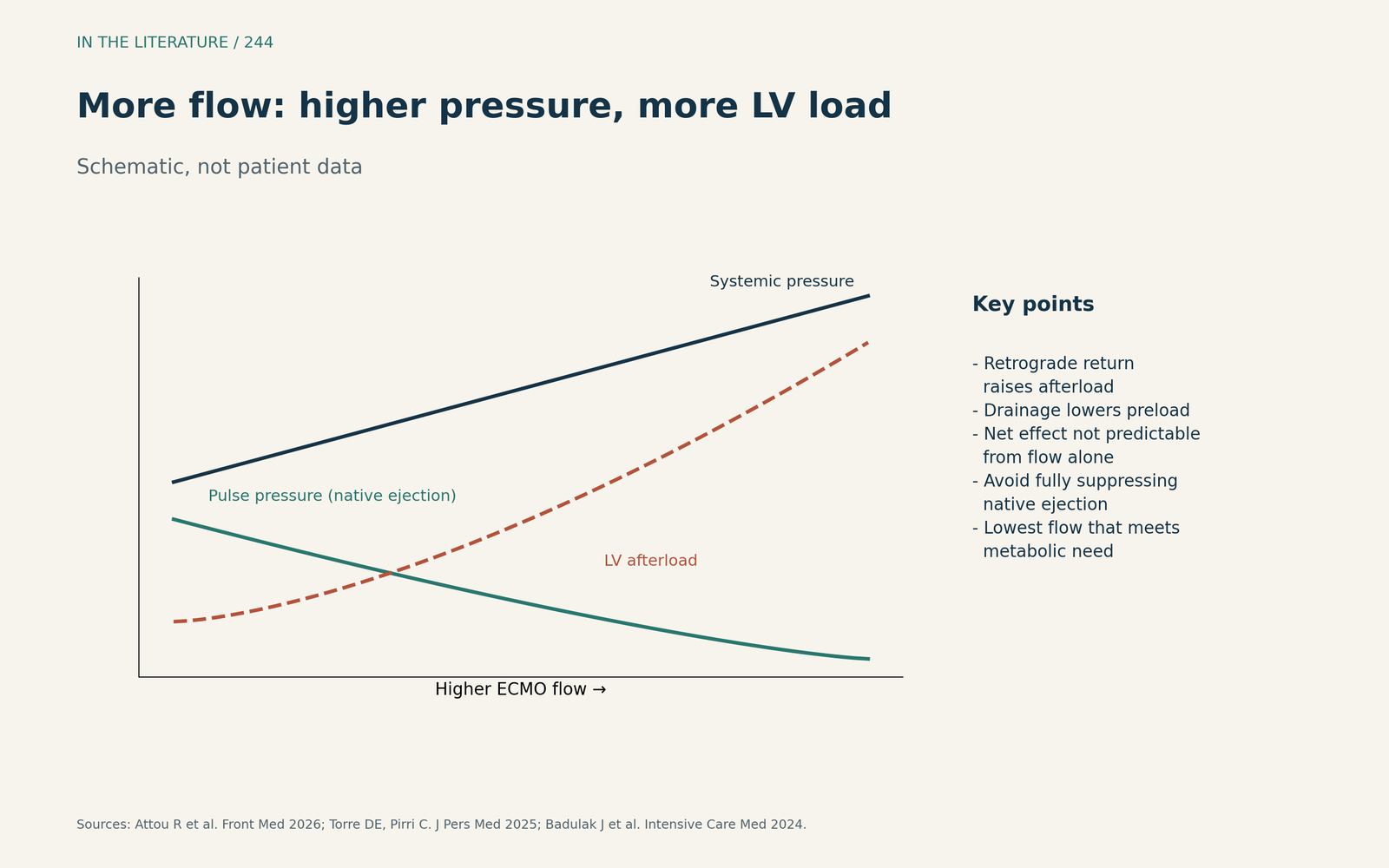
Figure 1. More flow raises pressure but loads the left ventricle (schematic). Concept from Attou et al., Torre and Pirri, and Badulak et al.[1], [2], [3] View larger.

Pressure targets and warning signs
Robust evidence for MAP targets is lacking; an initial goal of about 60 mmHg is widely accepted as a starting point, excessively high MAP should be avoided because it substantially increases LV afterload, and MAP alone cannot reliably reflect tissue oxygenation; adequate DO2 should generally exceed 330 to 350 mL/min/m2.[2] A pulse pressure below 15 mmHg indicates native output below 1 L/min,[2] and below 10 mmHg is a warning sign rather than a validated intervention threshold.[1] Dual circulation is always present in VA-ECMO unless the heart does not eject; a right-arm pulse pressure above 20 mmHg suggests the mixing point is distal to the brachiocephalic artery, and the ventilator should be adjusted using right-arm gases.[3] A fall in pump flow may reflect reduced preload or elevated afterload.[2]
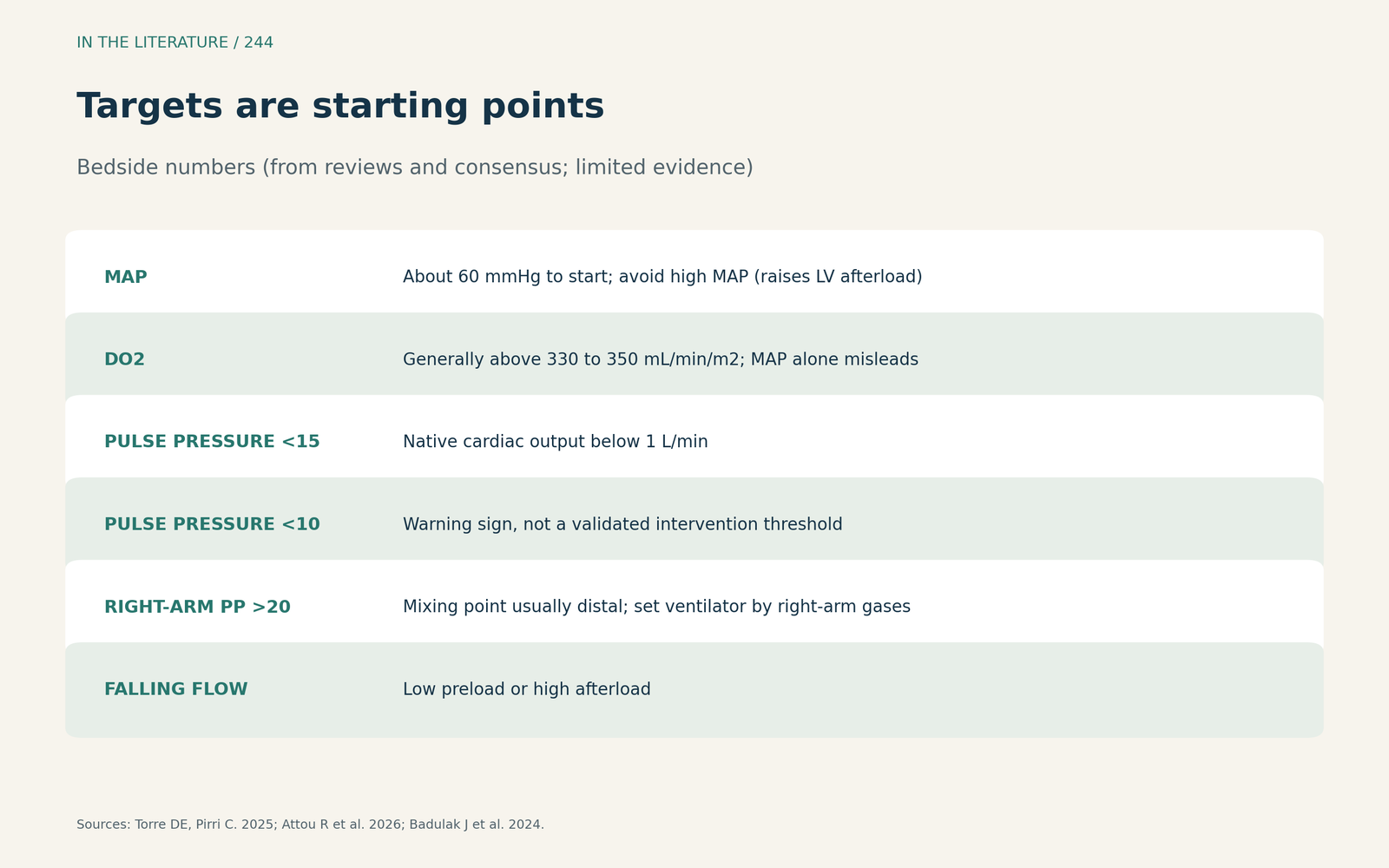
Figure 2. Targets are starting points, not proven goals. Data from Torre and Pirri, Attou et al. and Badulak et al.[2], [1], [3] View larger.

Monitoring pitfalls
Ortoleva et al. (J Cardiothorac Vasc Anesth 2021) caution that less-invasive cardiac output monitors are not validated and are unreliable on ECMO, that no formula links ECMO flow directly to filling pressures, that more drainage lowers central venous and pulmonary artery pressures, and that misreading a falsely high CVP can lead to inappropriate diuresis with suction events; arterial waveform pulsatility plays a major role.[4] For refractory hypotension, Wieruszewski et al. (2022) urge caution with methylene blue, which can transfer across the circuit's heat exchanger.[5]
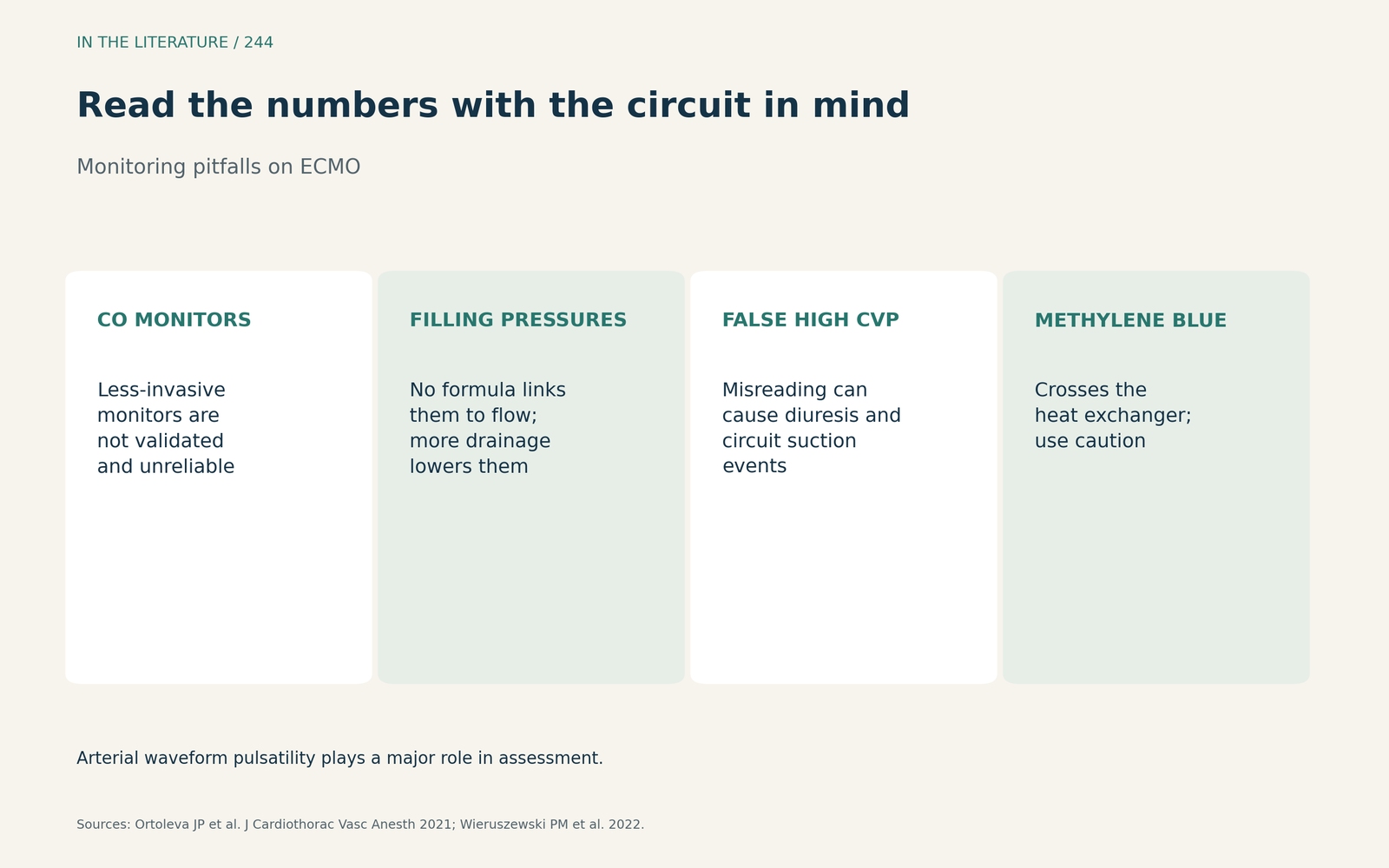
Figure 3. Read the numbers in light of the circuit. Synthesized from Ortoleva et al. and Wieruszewski et al.[4], [5] View larger.

Three takeaways
- Use the lowest flow that meets metabolic need; more flow also means more LV afterload.[1], [3]
- Start with a moderate MAP, avoid high pressures, and judge perfusion by oxygen delivery and tissue markers, not MAP alone.[2]
- Follow pulse pressure and right-arm gases, and interpret filling pressures and monitors with the circuit in mind.[2], [3], [4]
References
- Attou R, Redant S, Boutrika I, et al. Beyond flow: a ventricular-load framework for VA-ECMO in cardiogenic shock. Front Med (Lausanne). 2026;13:1937424. doi:10.3389/fmed.2026.1937424
- Torre DE, Pirri C. Beyond standard parameters: precision hemodynamic monitoring in patients on veno-arterial ECMO. J Pers Med. 2025;15(11):541. doi:10.3390/jpm15110541
- Badulak J, Abrams D, Luks AM, et al. Position paper on the physiology and nomenclature of dual circulation during venoarterial ECMO in adults. Intensive Care Med. 2024;50(12):1994–2004. doi:10.1007/s00134-024-07645-8
- Ortoleva JP, Alfadhel A, Dalia AA. Invasive hemodynamic and physiologic considerations in patients undergoing extracorporeal membrane oxygenation. J Cardiothorac Vasc Anesth. 2021;35(9):2549–2551. doi:10.1053/j.jvca.2021.03.006
- Wieruszewski PM, Nabzdyk CG, Bowman H, Seelhammer TG. Refractory hypotension during ECMO: words of caution when using methylene blue. J Cardiothorac Vasc Anesth. 2022;36(2):631–632. doi:10.1053/j.jvca.2021.08.032