ITL-99474d420eeb
Juan Li, MD · Updated November 17, 2026
Watch the video
Key points
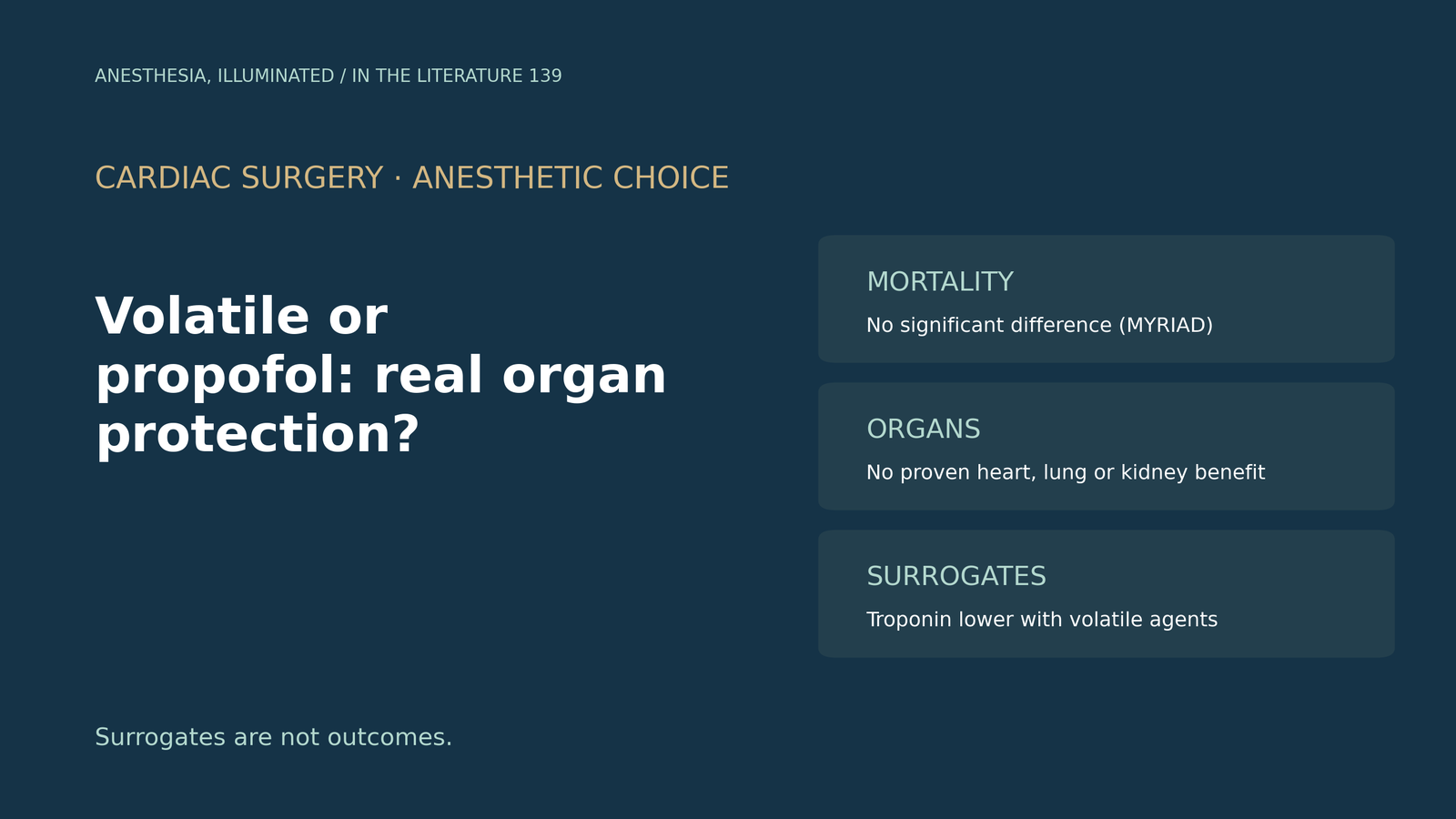
- The largest trial found no survival difference. In MYRIAD, 5400 patients having elective coronary surgery were randomized; 1-year mortality was 2.8% with volatile agents and 3.0% with total intravenous anesthesia, and the trial was stopped for futility.[1]
- Myocardial infarction did not differ in the intention-to-treat analysis. A post hoc analysis found fewer infarctions with hemodynamic complications only in per-protocol analyses (intention-to-treat relative risk 0.61, P = 0.10).[2]
- Meta-analyses that include MYRIAD show no significant mortality difference: one-year odds ratio 1.22 (0.97–1.54) in one, and no regimen better than propofol in a network of 46 cardiac trials.[3], [4]
- The lungs were not protected either. In a randomized trial of 524 patients, pulmonary complications occurred in 45.0% with volatile anesthesia and 40.1% with propofol, a non-significant difference.[5]
- The signal is in surrogates. In off-pump surgery, volatile agents lowered peak troponin across 14 trials, but ventilation time and ICU stay did not differ significantly, and troponin may not reflect true injury.[6]
A cardiac anesthesia team debates whether to maintain anesthesia with sevoflurane or propofol for a patient having coronary bypass, hoping to protect the heart, kidneys and brain. Does the choice change outcomes, or only laboratory values?[1], [6]
The large trial
Landoni and colleagues randomized 5400 patients having elective isolated coronary bypass to volatile anesthesia or total intravenous anesthesia in MYRIAD. The data and safety monitoring board stopped the trial for futility; 1-year mortality was 75 of 2685 (2.8%) with volatile agents and 79 of 2668 (3.0%) without, and myocardial infarction, cardiac death, readmission and length of stay did not differ significantly. About one third of operations were off-pump, with no differential effect.[1]
Zangrillo and colleagues reanalyzed myocardial infarction in MYRIAD. Infarction with hemodynamic complications was less frequent with volatile agents in per-protocol and as-treated analyses, but not in the intention-to-treat analysis (relative risk 0.61, 95% CI 0.33–1.11, P = 0.10), and the authors note that concomitant propofol may have diluted any benefit.[2]
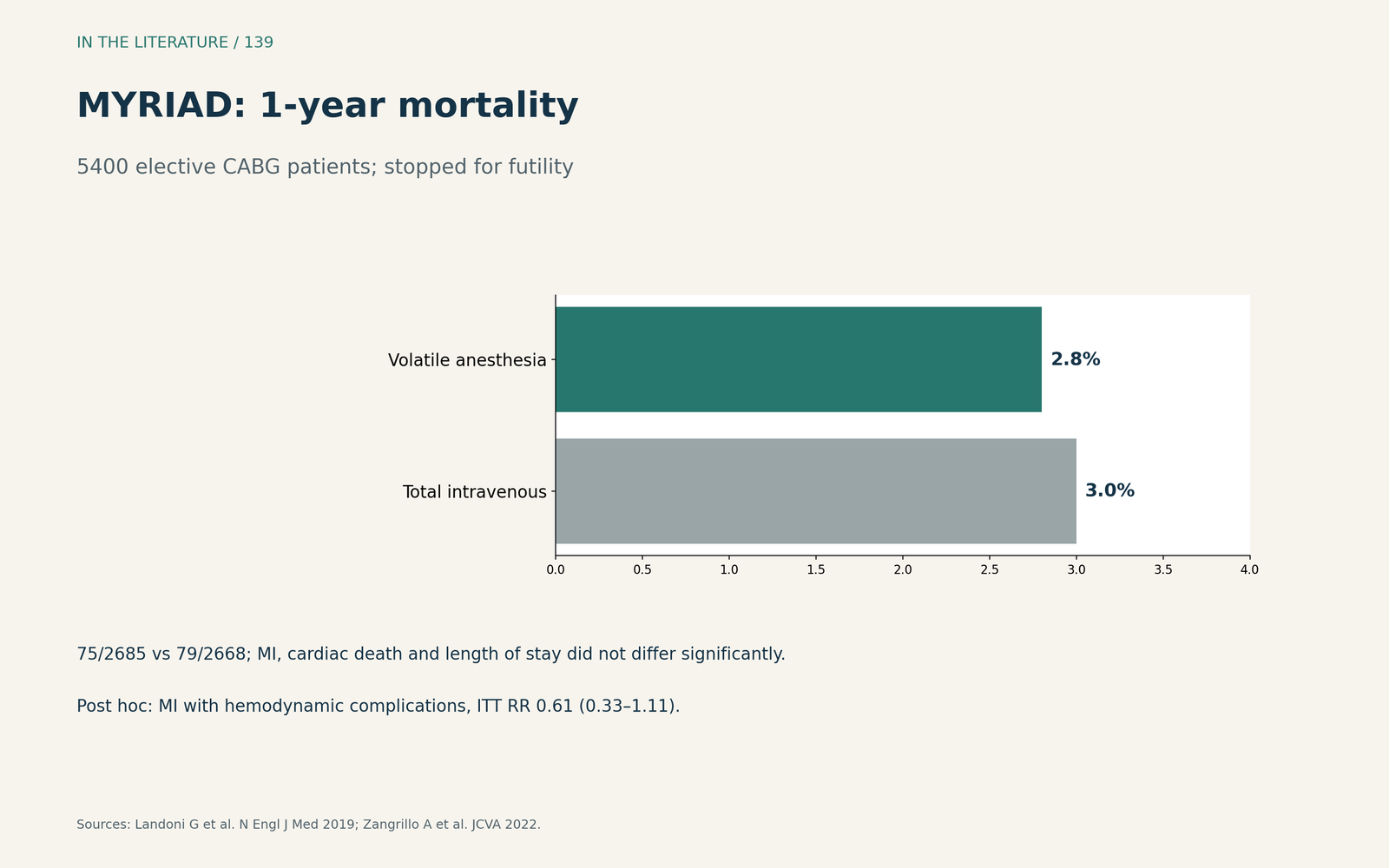
Figure 1. Volatile versus intravenous anesthesia in MYRIAD. Redrawn from Landoni et al. and Zangrillo et al.[1], [2] View larger.

What pooled evidence shows
Beverstock and colleagues pooled randomized trials of cardiac surgery, with MYRIAD contributing 57% of the weight, and found no significant difference in 1-year mortality (odds ratio 1.22, 95% CI 0.97–1.54).[3] Heybati and colleagues built a network meta-analysis that included 46 cardiac surgery trials with 6,604 patients; compared with propofol, none of the treatment arms significantly changed mortality.[4]
Other organs
He and colleagues randomized 524 cardiac surgical patients, mostly having valve surgery, and found pulmonary complications in 45.0% with volatile anesthesia and 40.1% with propofol (relative risk 1.17, 95% CI 0.96–1.42); volatile maintenance was not superior.[5] In off-pump coronary surgery, Zhang and colleagues pooled 14 trials with 703 patients: peak troponin was lower with volatile agents, mainly sevoflurane, while desflurane and isoflurane showed no significant advantage and ventilation time and ICU stay did not differ significantly. They caution that peak troponin may not truly reflect myocardial injury.[6]
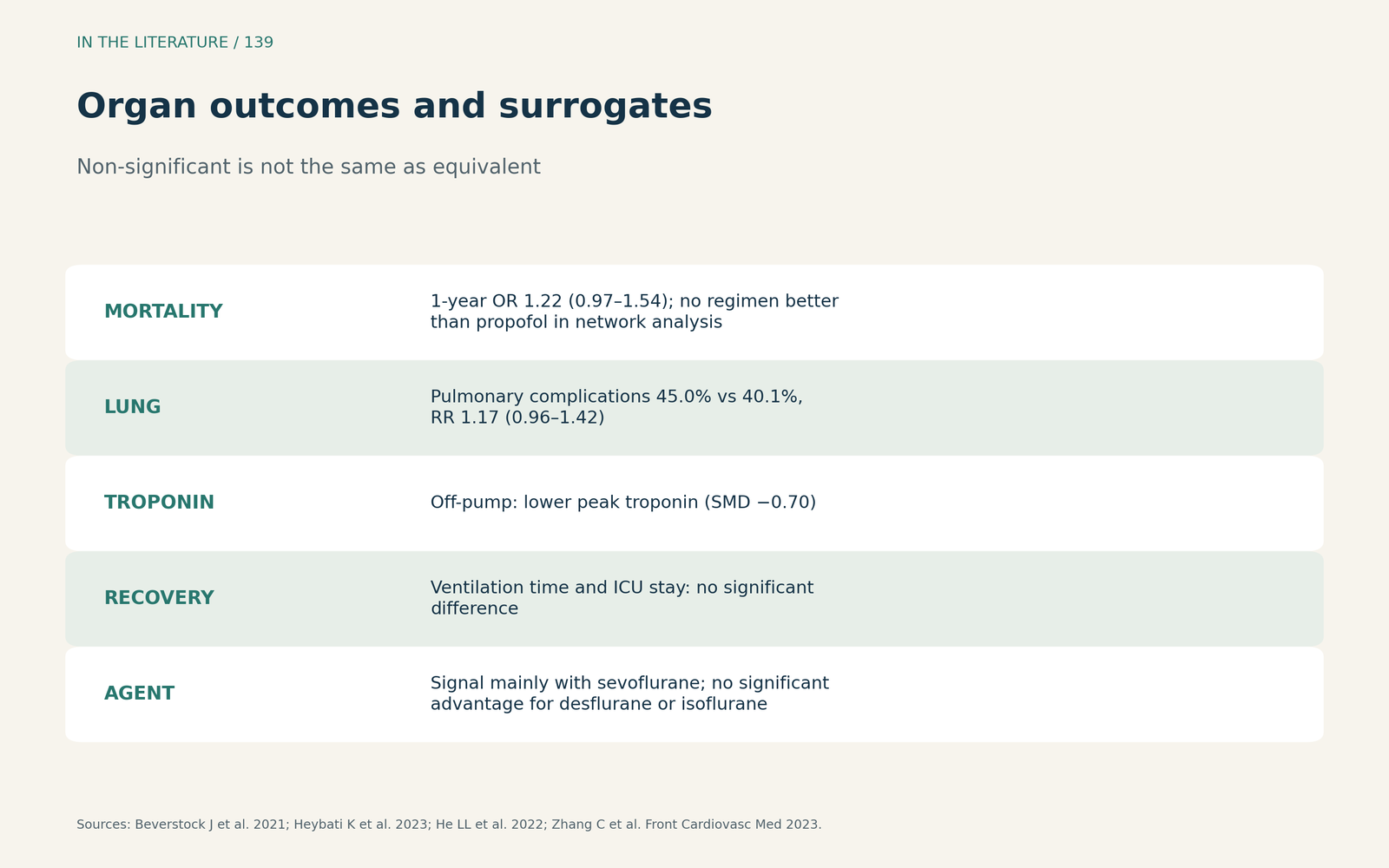
Figure 2. Organ outcomes and surrogates. Synthesized from Beverstock et al., Heybati et al., He et al. and Zhang et al.[3], [4], [5], [6] View larger.

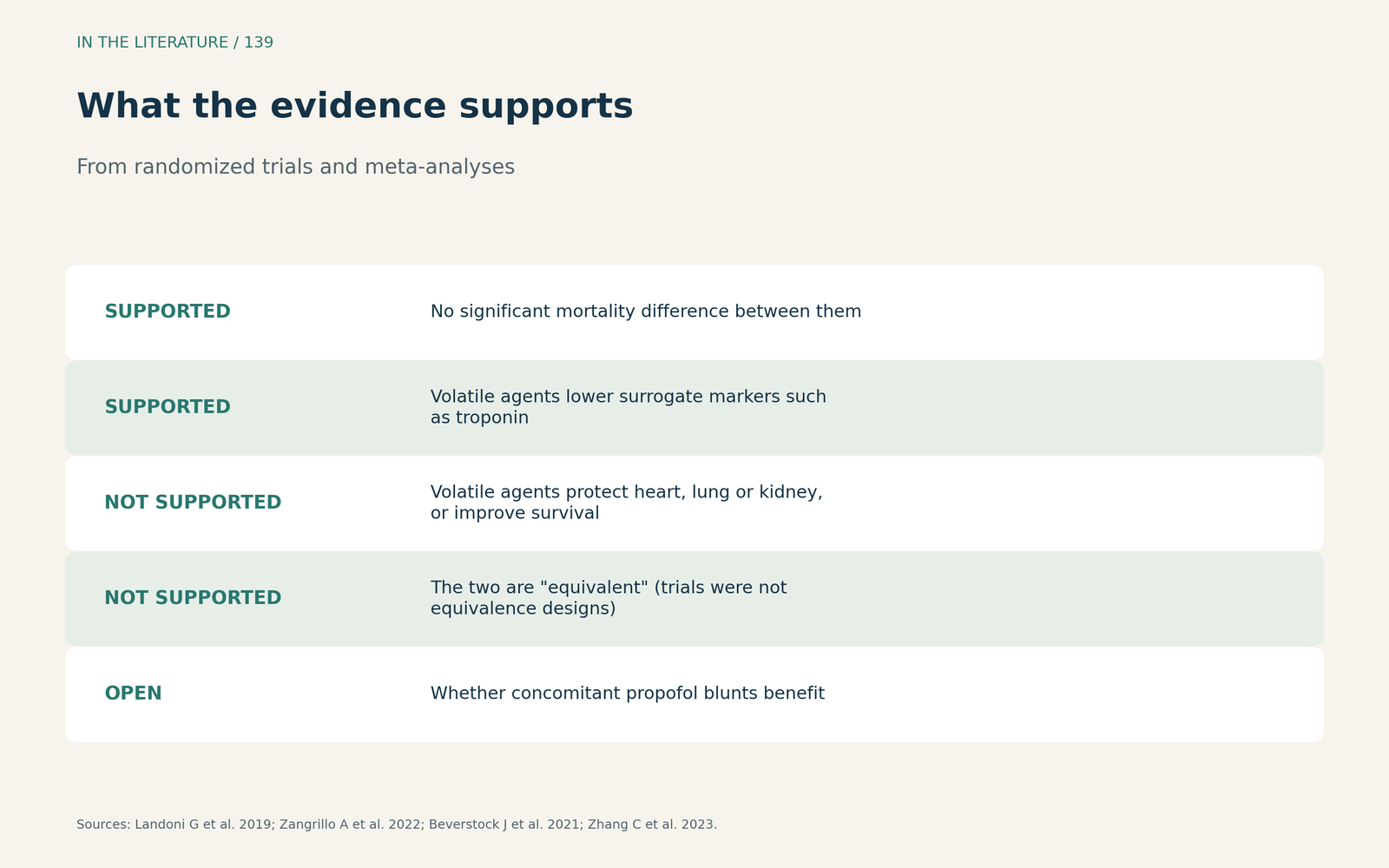
Figure 3. What the evidence supports. Synthesized from MYRIAD, the post hoc analysis, Beverstock et al. and Zhang et al.[1], [2], [3], [6] View larger.

Three takeaways
- No proven survival benefit. The largest trial and pooled analyses show no significant mortality difference.[1], [3], [4]
- Surrogates are not outcomes. Lower troponin with volatile agents has not translated into fewer infarctions or shorter stays.[2], [6]
- Choose on other grounds. Neither agent has shown organ protection in adequately powered trials.[1], [5]
References
- Landoni G, Lomivorotov VV, Nigro Neto C, et al. Volatile anesthetics versus total intravenous anesthesia for cardiac surgery. N Engl J Med. 2019;380(13):1214–1225. doi:10.1056/NEJMoa1816476
- Zangrillo A, Lomivorotov VV, Pasyuga VV, et al. Effect of volatile anesthetics on myocardial infarction after coronary artery surgery: a post hoc analysis of a randomized trial. J Cardiothorac Vasc Anesth. 2022;36(8):2454–2462. doi:10.1053/j.jvca.2022.01.001
- Beverstock J, Park T, Alston RP, et al. A comparison of volatile anesthesia and total intravenous anesthesia (TIVA) effects on outcome from cardiac surgery: a systematic review and meta-analysis. J Cardiothorac Vasc Anesth. 2021;35(4):1096–1105. doi:10.1053/j.jvca.2020.10.036
- Heybati K, Zhou F, Baltazar M, et al. Appraisal of postoperative outcomes of volatile and intravenous anesthetics: a network meta-analysis of patients undergoing cardiac surgery. J Cardiothorac Vasc Anesth. 2023;37(11):2215–2222. doi:10.1053/j.jvca.2023.07.011
- He LL, Li XF, Jiang JL, et al. Effect of volatile anesthesia versus total intravenous anesthesia on postoperative pulmonary complications in patients undergoing cardiac surgery: a randomized clinical trial. J Cardiothorac Vasc Anesth. 2022;36(10):3758–3765. doi:10.1053/j.jvca.2022.06.014
- Zhang C, He C, Chen Z, et al. The effects of volatile anesthetics and propofol in patients undergoing off-pump coronary artery bypass grafting: a systematic review and meta-analysis. Front Cardiovasc Med. 2023;10:1271557. doi:10.3389/fcvm.2023.1271557