ITL-c79091609d6b
Juan Li, MD · Updated November 18, 2026
Key points
- Common thresholds. Readiness thresholds commonly used are LVEF of 20–25% and LVOT VTI of 9–10 cm.[1]
- Best single sign. Aortic valve opening had the highest discriminative ability (AUC 0.88).[2]
- VTI is the workhorse. LVOT VTI was the most widely used parameter, with an AUROC of 0.74 for weaning.[3]
- No validated cut-off. Cut-offs for LVEF or VTI vary between studies, so weaning should consider multiple variables.[4]
- A clinical decision. Weaning is primarily a clinical decision and does not require full recovery of cardiac function.[1]
On day 5 of VA ECMO, the team turns flow down for a trial. What does the TEE need to show before you pull the cannulas?[1], [2]
What to look for
Soliman-Aboumarie et al. (Eur Heart J Imaging Methods Pract 2025) list commonly used thresholds of LVEF 20–25% and LVOT VTI 9–10 cm, recommend serial assessment of VTI and aortic valve opening, and note that spontaneous echo contrast in the LV indicates inadequate unloading. Persistent severe MR or other structural lesions should be evaluated, and the ultimate goal is to predict stability after decannulation.[1] Niu and Feng (Front Med 2026) found aortic valve opening the most discriminating sign (AUC 0.88, moderate certainty) and proposed provisional thresholds of LVEF 20–25%, LVOT VTI 10 cm or more and TAPSE 17 mm or more.[2] Burgos et al. (Ann Card Anaesth 2023) advise echo at minimal ECMO support, assessing LVEF and VTI.[5]
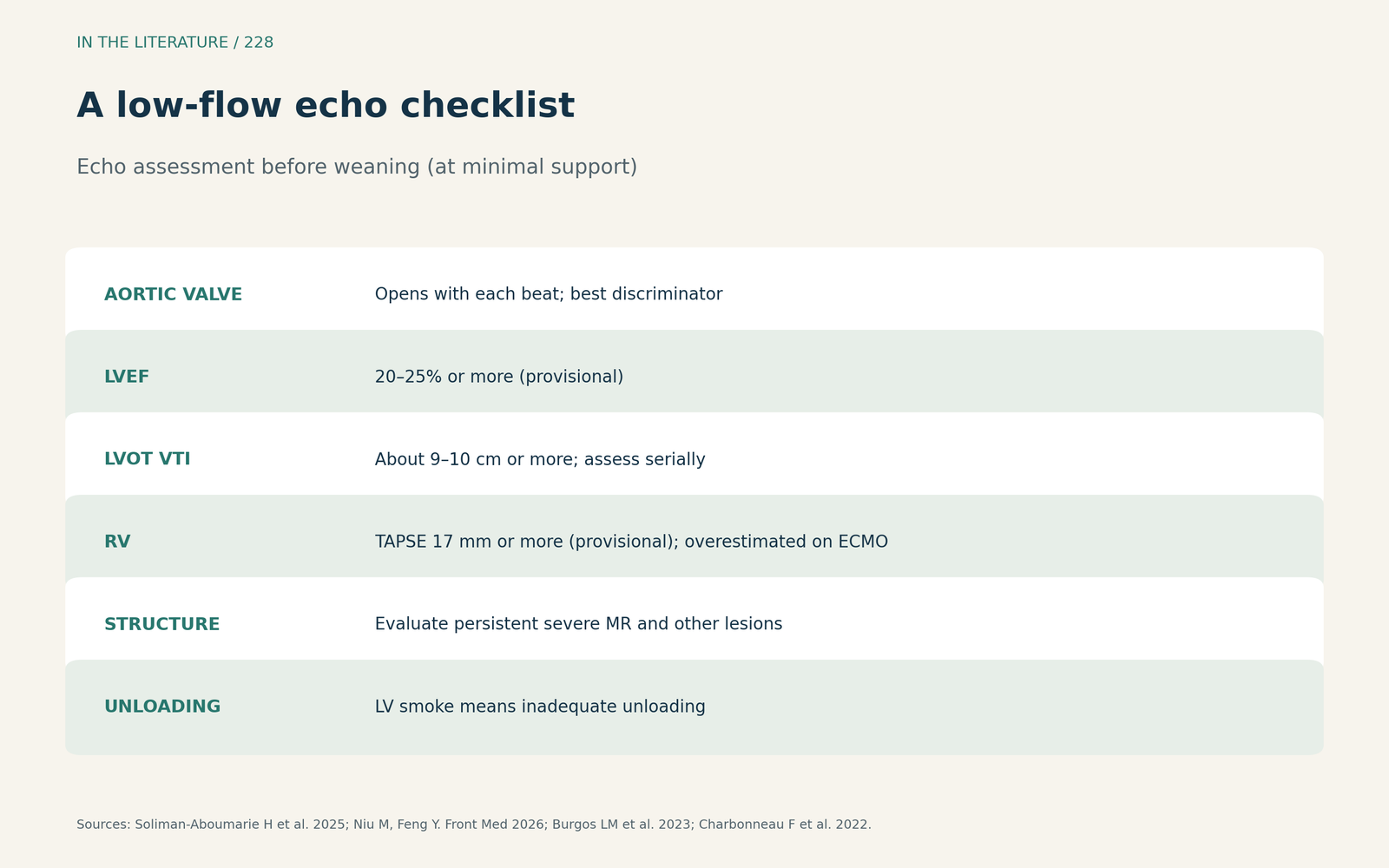
Figure 1. A low-flow echo checklist. Synthesized from Soliman-Aboumarie et al., Niu and Feng, and Burgos et al.[1], [2], [5] View larger.

How good are these signs?
Charbonneau et al. (Crit Care 2022) screened 14,578 records and included 47 studies: LVOT VTI was the most widely used parameter, predicting weaning with an AUROC of 0.74; most studies had moderate or high risk of bias, and RV indices on ECMO tend to overestimate true RV performance.[3] Hsu et al. (PLoS One 2025) found that successful weaning ranged from 30 to 75% depending on definition; weaned patients had higher LVOT VTI (mean difference 1.35 cm), and a 10% improvement in tricuspid S′ during a flow study predicted weaning.[4] In one multivariable analysis, LVEF was not an independent predictor, and 81.1% of studies were retrospective.[2] Pooled weaning success was 45%.[5]
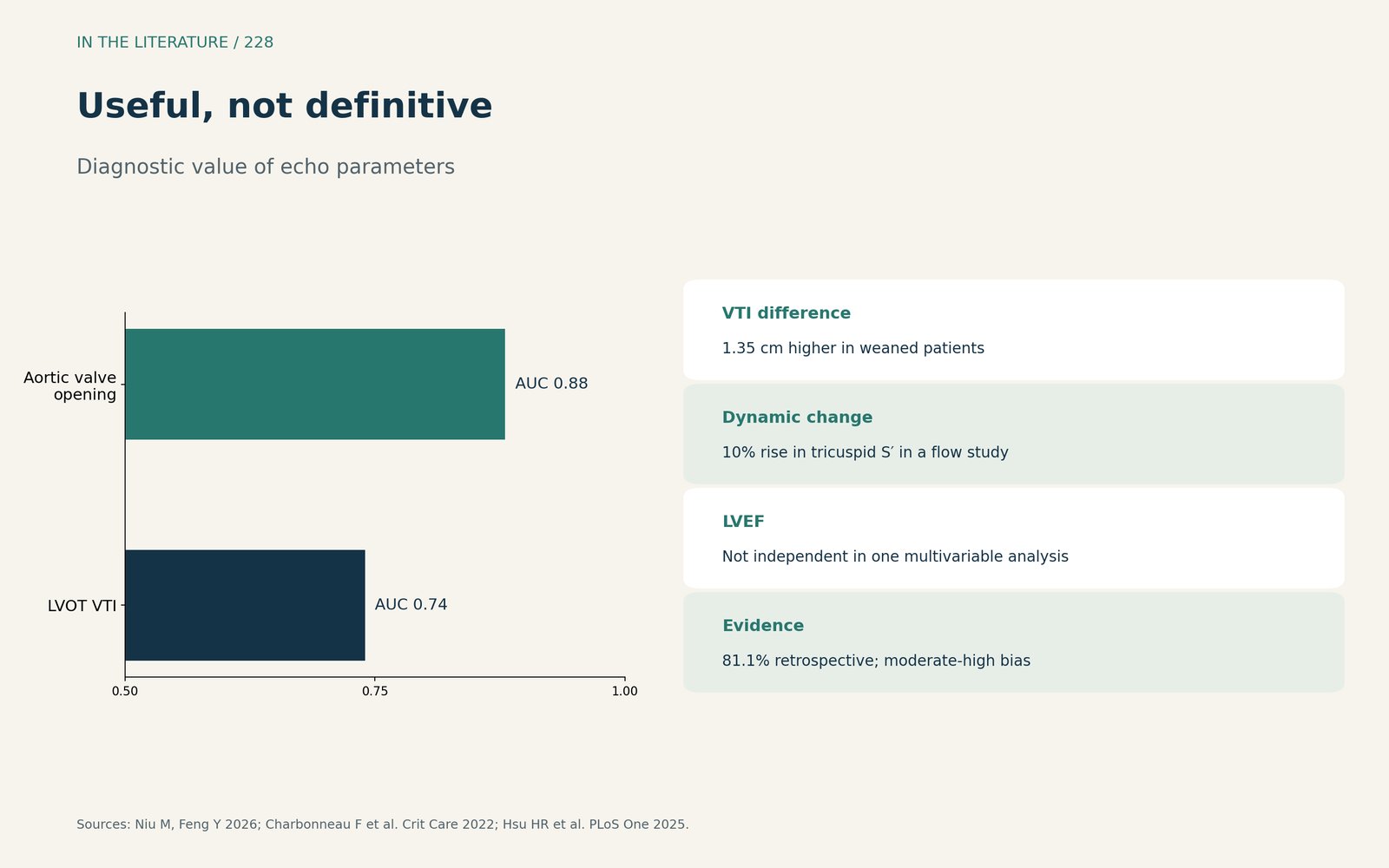
Figure 2. Useful, not definitive. Redrawn from Niu and Feng, Charbonneau et al. and Hsu et al.[2], [3], [4] View larger.

Putting it together
Weaning is primarily a clinical decision and does not require full recovery of cardiac function; a trial of reduced support needs convergence of clinical, hemodynamic, metabolic and imaging parameters.[1] Because cut-offs vary between studies, determining likely weaning success should consider multiple variables.[4] When a left ventricular assist device is also in place, ECMO and device flows must be coordinated during the trial, and Doppler of the device outflow helps show the interaction (De Ridder et al., Anesthesiology 2021).[6]
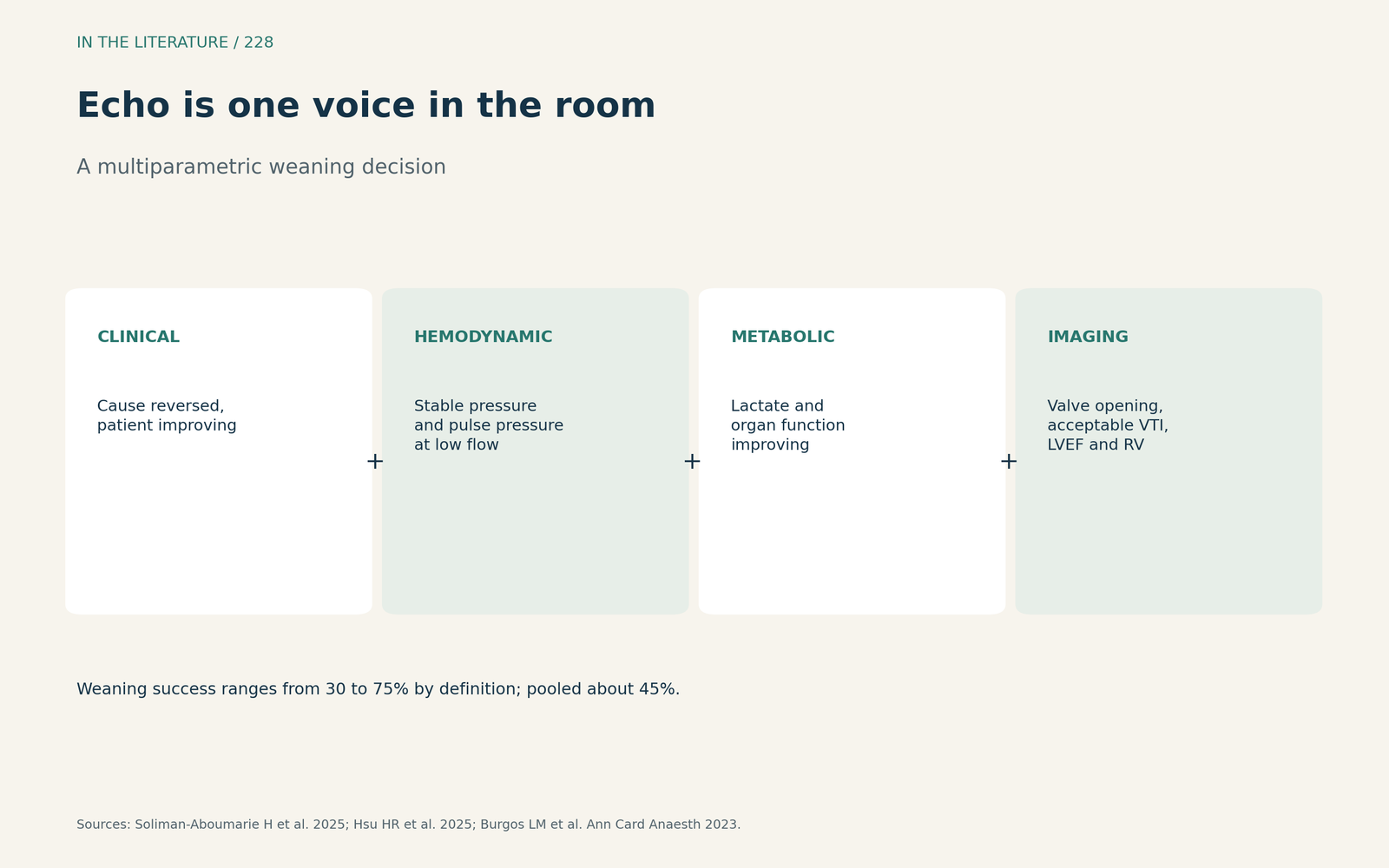
Figure 3. Echo is one voice in the room. Synthesized from Soliman-Aboumarie et al. and Hsu et al.[1], [4] View larger.

Three takeaways
- Image at minimal flow and check aortic valve opening, LVEF, LVOT VTI and RV function.[1], [2], [5]
- Treat published thresholds as provisional; no single cut-off is validated.[2], [4]
- Decide to decannulate on clinical, hemodynamic, metabolic and imaging data together.[1], [4]
References
- Soliman-Aboumarie H, Vandenbriele C, Baldetti L, et al. Echocardiography for short-term mechanical circulatory support: a trans-Atlantic practical guide. Eur Heart J Imaging Methods Pract. 2025;3(1):qyaf067. doi:10.1093/ehjimp/qyaf067
- Niu M, Feng Y. Meta-analysis of the predictive value of critical care echocardiography for weaning outcomes in patients with VA-ECMO-assisted cardiogenic shock. Front Med (Lausanne). 2026;13:1835564. doi:10.3389/fmed.2026.1835564
- Charbonneau F, Chahinian K, Bebawi E, et al. Parameters associated with successful weaning of veno-arterial extracorporeal membrane oxygenation: a systematic review. Crit Care. 2022;26(1):375. doi:10.1186/s13054-022-04249-w
- Hsu HR, Sekhar P, Grover J, et al. Predictors of successful weaning from veno-arterial extracorporeal membrane oxygenation (V-A ECMO): a systematic review and meta-analysis. PLoS One. 2025;20(3):e0310289. doi:10.1371/journal.pone.0310289
- Burgos LM, Seoane L, Diez M, et al. Multiparameters associated to successful weaning from VA ECMO in adult patients with cardiogenic shock or cardiac arrest: systematic review and meta-analysis. Ann Card Anaesth. 2023;26(1):4–11. doi:10.4103/aca.aca_79_22
- De Ridder SP, Jacobs S, Dauwe DF. Using left ventricular assist device Doppler assessment to understand pump-patient interactions during a venous arterial-extracorporeal membrane oxygenation weaning trial. Anesthesiology. 2021;134(2):248–249. doi:10.1097/ALN.0000000000003615