ITL-306b4ea34b24
Juan Li, MD · Updated November 18, 2026
Key points
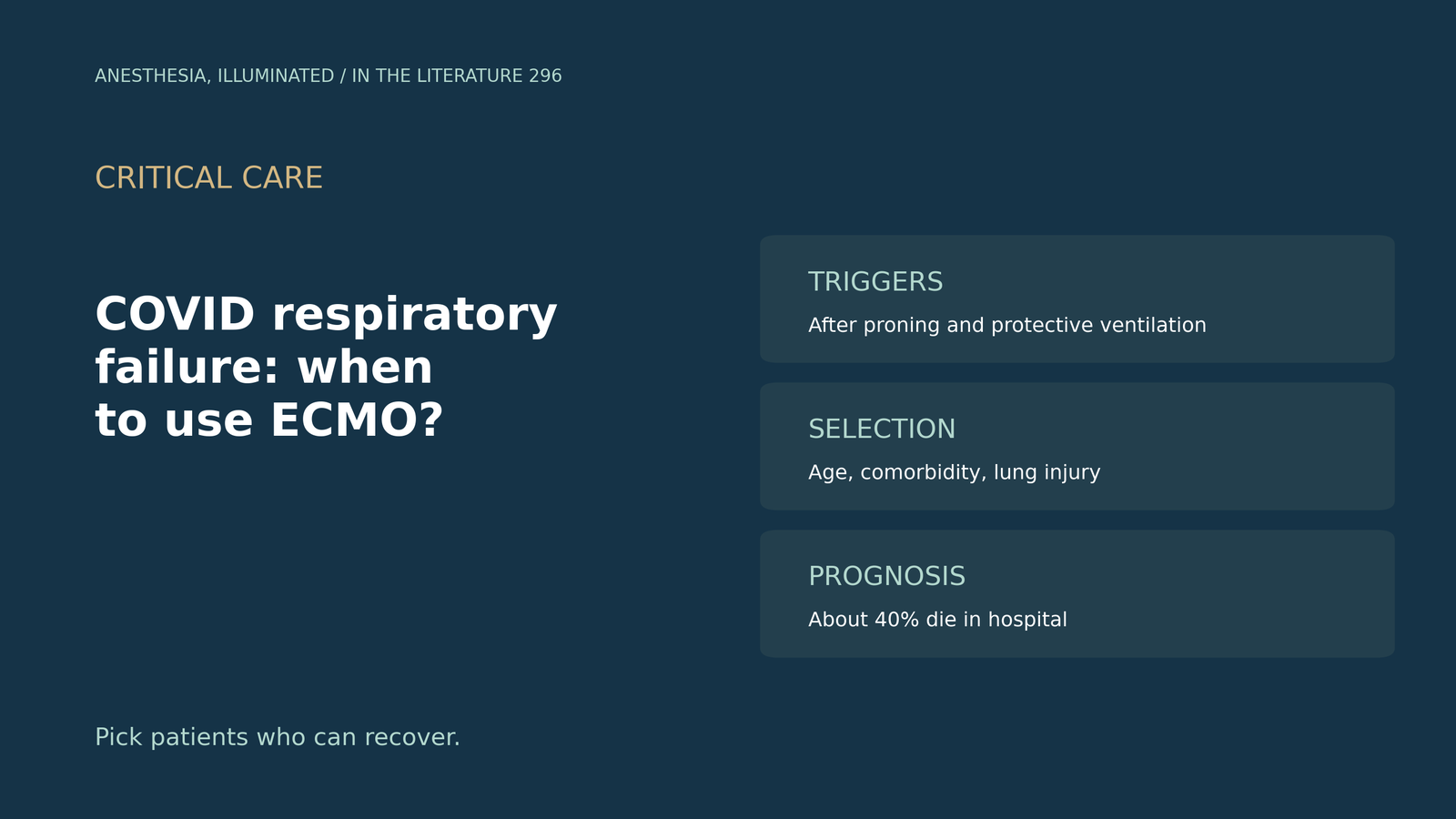
- Triggers come after standard care. Early guidance used P/F below 80 mmHg for 6 hours, or pH below 7.25 with high carbon dioxide, after proning and protective ventilation.[1]
- Selection was strict. Centres excluded older, obese or multimorbid patients, and support often ran for weeks.[2]
- Outcomes are sobering. Pooled in-hospital mortality was 39%, and six-month mortality in one cohort was 53.0%.[3], [4]
- Prognosis depends on the lung and the centre. Lung-injury severity, driving pressure and centre experience mattered; pre-ECMO time is less certain.[5], [6]
- Circulatory ECMO did worst. VA or VAV support carried 64% mortality, and 82% after conversion from VV.[7]
A 52-year-old with COVID ARDS has been ventilated for three days, proned twice, and still has a P/F of 70. Is it time for ECMO, and what can the family expect?
When to consider ECMO
Early-pandemic guidance advised ECMO if PaO2/FiO2 stays below 80 mmHg for 6 hours; another trigger is pH below 7.25 with arterial carbon dioxide above 60 mmHg. Below a PaO2/FiO2 of 150 mmHg, other recommended interventions come first, and comorbidities such as advanced age, frailty and chronic lung disease weigh against ECMO (Augoustides, J Cardiothorac Vasc Anesth 2020).[1] One quaternary centre excluded patients aged over 60, with BMI over 35, or with chronic organ failure, and noted that COVID patients may need longer support, 20 to 40 days (Dalia et al., J Cardiothorac Vasc Anesth 2022).[2]
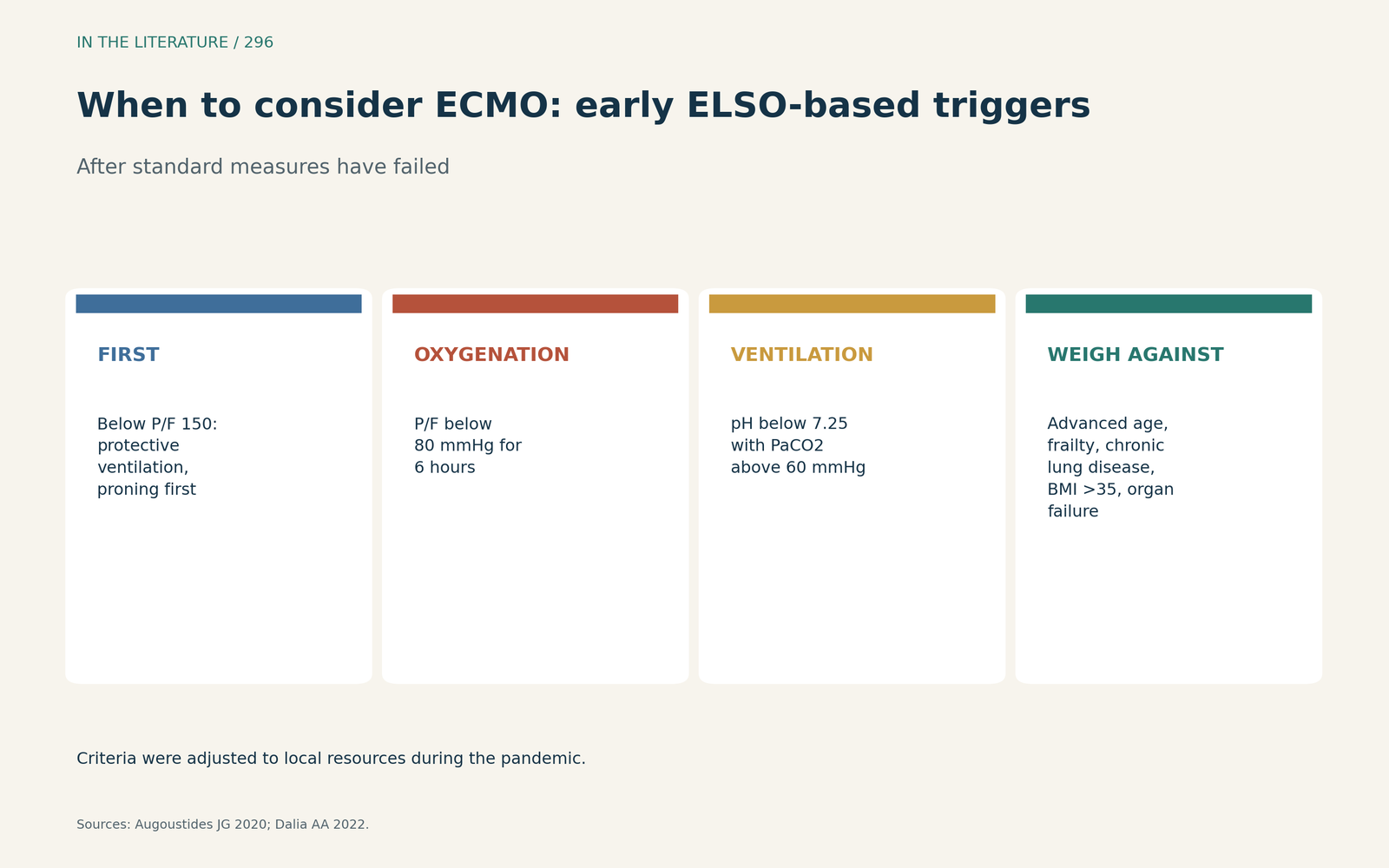
Figure 1. ECMO follows failed standard measures, and comorbidity weighs against it. Data from Augoustides and Dalia et al.[1], [2] View larger.

Prognosis
A meta-analysis found an overall in-hospital mortality of 39% on ECMO, and patients were ventilated for about 4 days before ECMO started (Bertini et al., J Cardiothorac Vasc Anesth 2022).[3] In a European cohort, six-month all-cause mortality after ECMO was 53.0%, and the authors caution that results may not apply to patients with advanced age or multiple comorbidities (Biancari et al., J Cardiothorac Vasc Anesth 2021).[4]
A meta-analysis of pre-cannulation factors included 42 observational cohort studies; no randomized trials met the eligibility criteria (Tran et al., Lancet Respir Med 2023). The severity of pre-cannulation lung injury is a major determinant of outcome; higher driving pressure was defined as greater than 16 cm H2O, and high-volume centres were those that had treated at least 30 patients.[5] A timing meta-analysis included 54 studies with 13,691 patients and found insufficient evidence that a longer pre-ECMO time reduces survival; it notes that ELSO advises considering ECMO at a 50% risk of death and initiating it at 80% (Tan et al., J Clin Med 2024).[6]
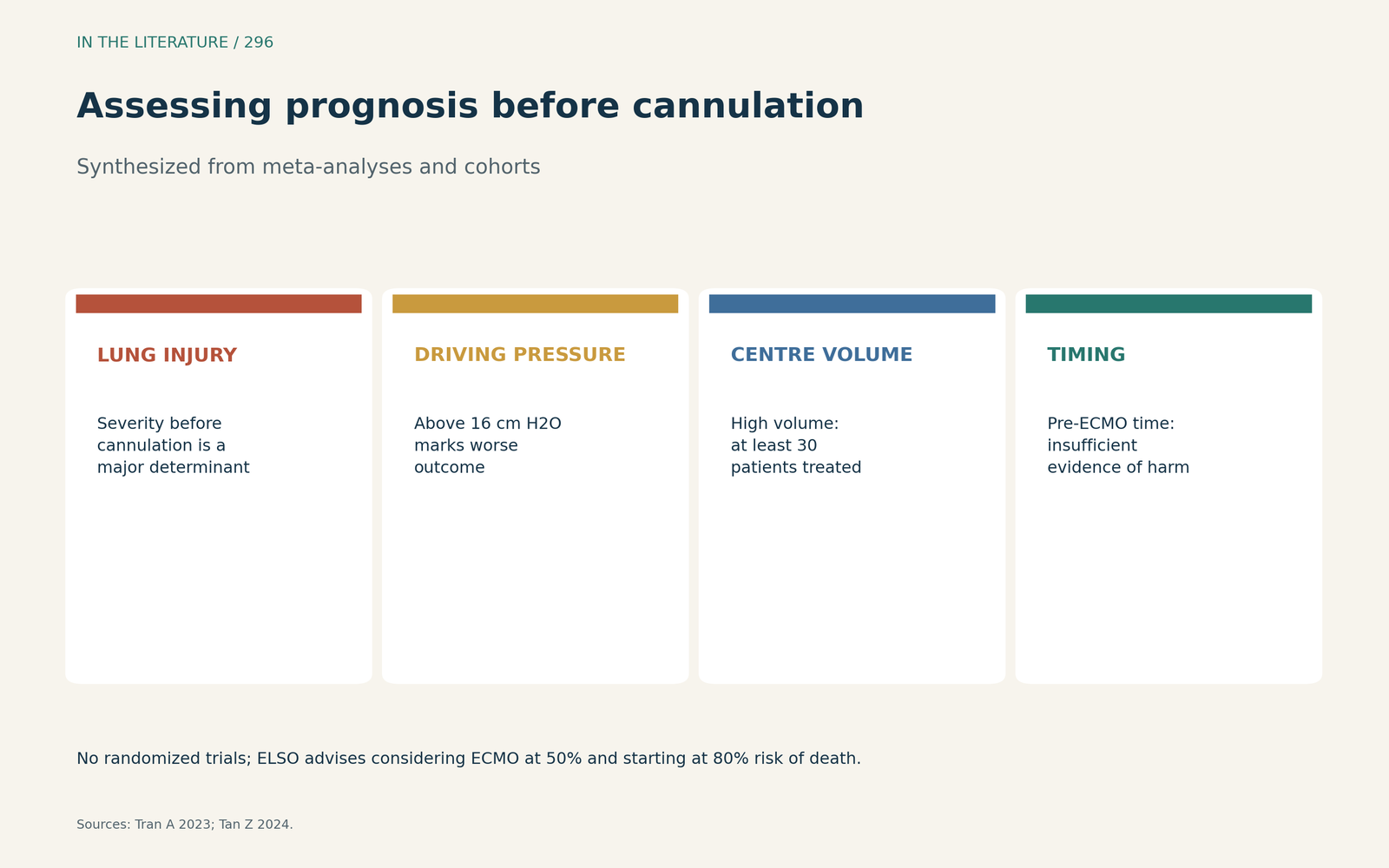
Figure 2. Lung-injury severity, driving pressure and centre experience shape prognosis. Data from Tran et al. and Tan et al.[5], [6] View larger.

When the heart fails too
In 37 patients from 12 centres on VA or VAV ECMO, 90-day in-hospital mortality was 64%, and patients converted from VV to arterial support had a mortality of 82% (Haroun et al., J Cardiothorac Vasc Anesth 2022).[7]
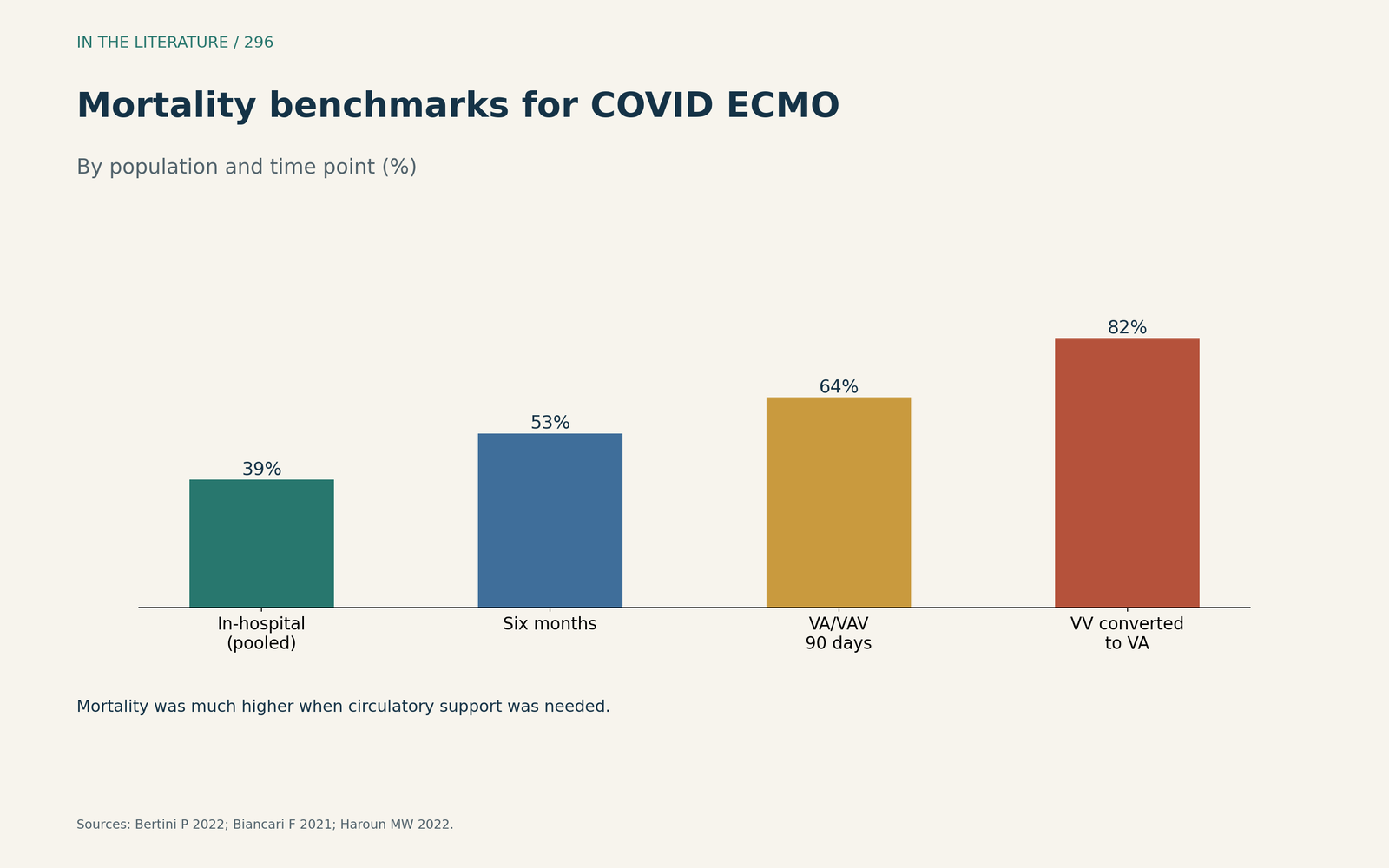
Figure 3. Mortality rose with time and was highest with circulatory support. Data from Bertini et al., Biancari et al. and Haroun et al.[3], [4], [7] View larger.

Three takeaways
- Consider ECMO only after optimised ventilation and proning fail, using gas-exchange triggers and comorbidity to select patients.[1], [2]
- Counsel families with realistic numbers: about 39% in-hospital and 53% six-month mortality in the cohorts studied.[3], [4]
- Weigh lung-injury severity, driving pressure and centre experience, and be cautious about circulatory ECMO.[5], [6], [7]
References
- Augoustides JG. Extracorporeal membrane oxygenation: crucial considerations during the coronavirus crisis. J Cardiothorac Vasc Anesth. 2020;34:1720–1722. doi:10.1053/j.jvca.2020.03.060
- Dalia AA, Convissar D, Crowley J, et al. The role of extracorporeal membrane oxygenation in COVID-19. J Cardiothorac Vasc Anesth. 2022;36:3668–3675. doi:10.1053/j.jvca.2022.05.010
- Bertini P, Guarracino F, Falcone M, et al. ECMO in COVID-19 patients: a systematic review and meta-analysis. J Cardiothorac Vasc Anesth. 2022;36:2700–2706. doi:10.1053/j.jvca.2021.11.006
- Biancari F, Mariscalco G, Dalén M, et al. Six-month survival after extracorporeal membrane oxygenation for severe COVID-19. J Cardiothorac Vasc Anesth. 2021;35:1999–2006. doi:10.1053/j.jvca.2021.01.027
- Tran A, Fernando SM, Rochwerg B, et al. Prognostic factors associated with mortality among patients receiving venovenous extracorporeal membrane oxygenation for COVID-19: a systematic review and meta-analysis. Lancet Respir Med. 2023;11(3):235–244. doi:10.1016/S2213-2600(22)00296-X
- Tan Z, Su L, Chen X, et al. Relationship between the pre-ECMO and ECMO time and survival of severe COVID-19 patients: a systematic review and meta-analysis. J Clin Med. 2024;13(3):868. doi:10.3390/jcm13030868
- Haroun MW, Patel SR, Sims DB, et al. Characteristics and outcomes of COVID-19 patients supported by venoarterial or veno-arterial-venous extracorporeal membrane oxygenation. J Cardiothorac Vasc Anesth. 2022;36:2935–2941. doi:10.1053/j.jvca.2022.01.049