
ITL-f467948f4aeb
Watch the video

Figure 1. A preoperative right-heart measurement should inform the clinical discussion, alongside the patient and the planned operation. Conceptual illustration.
Key points
- TAPSE/PASP relates longitudinal right ventricular motion to pulmonary artery systolic pressure; it is a surrogate of RV–pulmonary artery coupling.
- In a retrospective cardiac surgical cohort, a ratio below 0.52 mm/mm Hg was associated with more major morbidity or operative mortality.
- The study used echocardiographic TAPSE and invasive PASP from right-heart catheterization. Its threshold is not automatically interchangeable with an entirely echo-derived ratio.
- Check the two measurements, their timing, and the rest of the right-heart assessment before acting on a low value.
- Use a credible low ratio to strengthen risk assessment and perioperative planning. No trial here establishes a ratio-directed treatment or a target to normalize.
A patient awaiting valve surgery has TAPSE of 18 mm and PASP of 60 mm Hg. The ratio is 0.30 mm/mm Hg. TAPSE alone may look relatively preserved; the ratio raises a different question: is longitudinal RV performance adequate for the pressure load?
This is an illustrative calculation, not a treatment threshold. Sun and colleagues provide evidence that the relationship matters in adult cardiac surgery—but also a reason to look carefully at how the numbers were obtained.[1]
What the surgical cohort actually measured
The investigators studied 868 adults undergoing CABG and/or aortic, mitral, or tricuspid valve surgery at one center. TAPSE came from the preoperative transthoracic echocardiogram, while PASP came from right-heart catheterization. Patients needed both measurements and an STS risk score to enter the analysis. Most underwent valve surgery; this was not an unselected sample of every surgical patient.[1]
Their primary endpoint was the STS composite of major morbidity and operative mortality (MMOM): death, permanent stroke, renal failure, prolonged ventilation, deep sternal wound infection, or cardiac reoperation. It was not mortality alone.
Using an internally selected cutoff of 0.52 mm/mm Hg, MMOM occurred in 90/410 patients below the cutoff (22.0%) and 34/458 at or above it (7.4%). After adjustment for the STS MMOM score and bypass time, the odds ratio was 1.77 (95% CI, 1.10–2.83). This supports a prognostic association; it does not establish that increasing the ratio will reduce complications.[1]
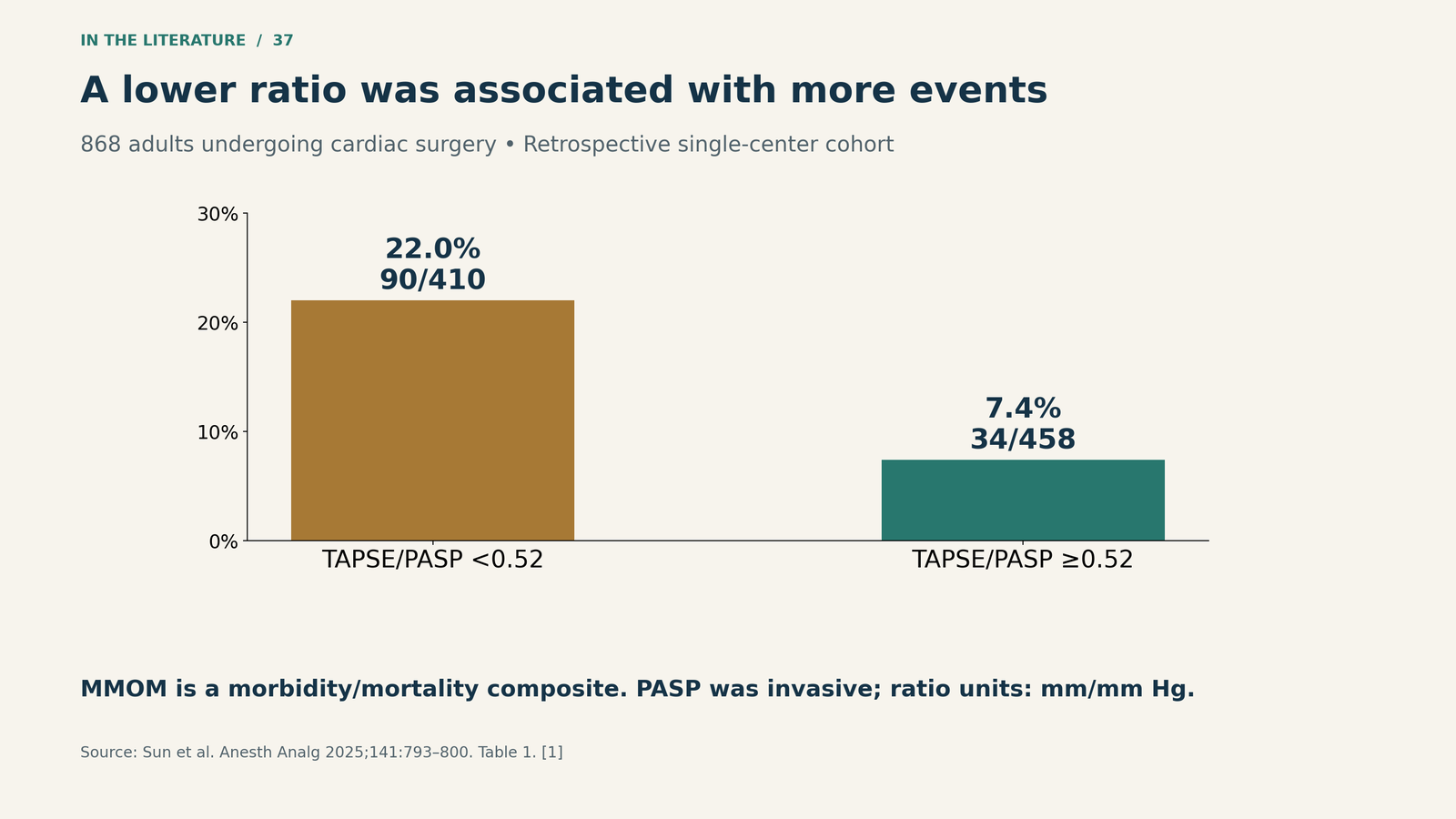
Figure 2. Unadjusted composite event rates in Sun et al. These are observed group outcomes, not a patient's individualized probability or a treatment effect. PASP was measured invasively.[1]

Why 0.52 is a signal, not a universal boundary
The cutoff was selected from this cohort using the Youden index; sensitivity was 72.6% and specificity 57.0%. It was not prospectively validated as a decision rule in an independent population. The adjusted analysis also included bypass time, information unavailable when making a purely preoperative prediction.[1]
There is a second issue: the investigators could not ensure that TAPSE and PASP were measured at closely matched times. A ratio assembled from different clinical states may describe neither state particularly well. A low result deserves attention, but the apparent precision of two decimal places should not conceal those uncertainties.
The 2025 ASE guideline places TAPSE/PASP within a comprehensive right-heart assessment. The ratio is a physiological surrogate, not the same measurement as invasive pressure–volume loop-derived end-systolic elastance/arterial elastance. TAPSE itself reflects annular longitudinal motion and can be misleading when interpreted alone.[2]
Before interpreting the ratio, audit its ingredients
Start with units: TAPSE in centimeters must be converted to millimeters if using a threshold expressed in mm/mm Hg. For example, 1.8 cm/60 mm Hg equals 18 mm/60 mm Hg, or 0.30 mm/mm Hg—not 0.03 in those units.
Then identify the pressure source. An echo estimate depends on a usable TR Doppler envelope and right atrial pressure estimate; RV systolic pressure represents PASP only without relevant outflow obstruction. A poor or truncated signal can yield a misleading denominator. Review image quality, timing and loading conditions, RV size and other functional measures rather than treating the quotient as an independent diagnosis.[2]
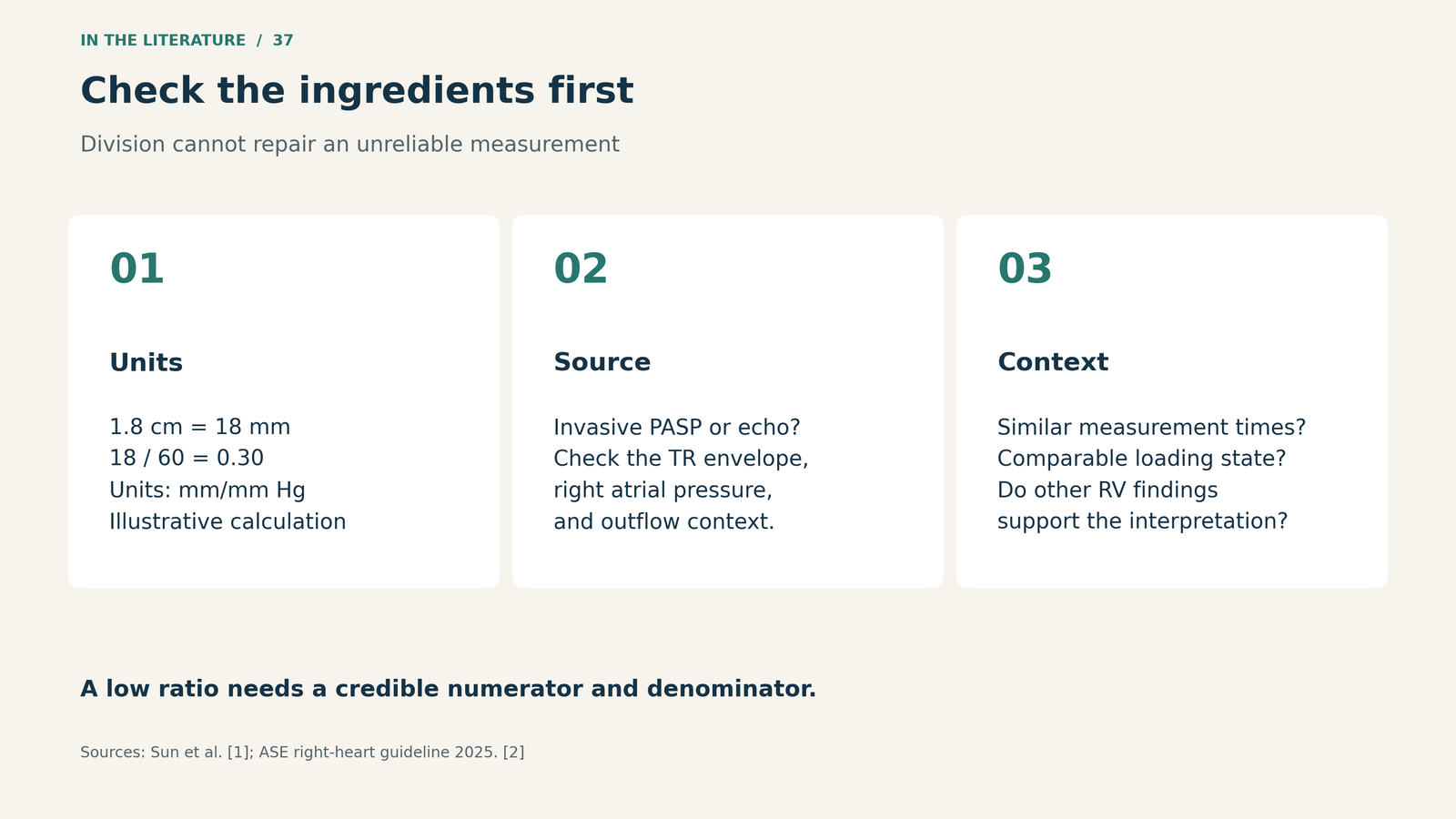
Figure 3. Check the components before interpreting the ratio. The numerical example is illustrative. The surgical cohort's invasive pressure measurement must not be silently replaced by an echo estimate.[1, 2]

Turn a credible result into a better preoperative conversation
A practical response is to ask why the ratio is low and whether the broader assessment supports RV vulnerability. That may mean reviewing the valve lesion, pulmonary pressure burden, signs of congestion, and other RV measurements with the cardiac team. If measurements conflict or the clinical state has changed, clarify them before assigning a risk label.
For a patient with concordant abnormalities, the result can inform discussion of perioperative monitoring, separation from bypass, and postoperative support needs. This is a clinical application of prognostic evidence, not a management bundle tested by Sun et al. The study does not justify routine catheterization solely to calculate a ratio, automatic postponement, or starting an inotrope or pulmonary vasodilator at 0.51.[1]
Likewise, the preoperative cutoff should not be used uncritically just after surgery. ASE notes that postoperative changes can make TAPSE underestimate overall RV function; a falling annular excursion is not, by itself, proof of global RV deterioration.[2]
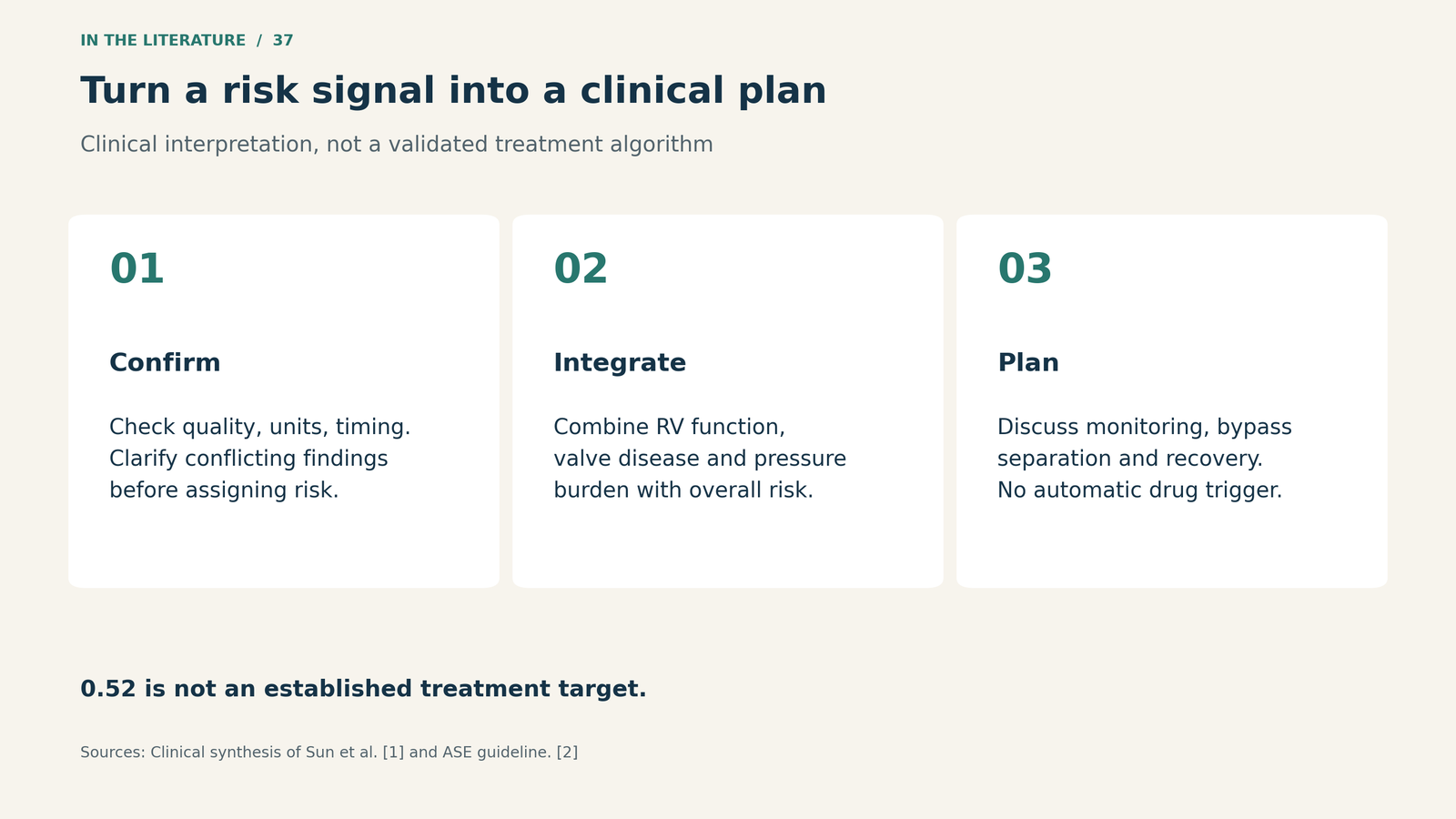
Figure 4. A clinical reasoning sequence derived from the cohort and guideline. It is not a validated treatment algorithm.[1, 2]

Three takeaways
- Look beyond TAPSE alone. Its relationship to pulmonary pressure can reveal risk that an isolated excursion value obscures.
- Read the denominator and the units. The 0.52 surgical cutoff came from a selected cohort using invasive PASP.
- Plan for the patient, not the quotient. Confirm the RV phenotype and incorporate it into care; a ratio-directed intervention has not been established.
References
- Sun KW, Li YJ, Huang H, Cherry AD, Kerr D, Culp CM, et al. Right ventricle-pulmonary artery coupling and major morbidity and operative mortality after cardiac surgery. Anesth Analg. 2025;141(4):793–800. doi:10.1213/ANE.0000000000007582.
- Mukherjee M, Rudski LG, Addetia K, Afilalo J, D’Alto M, Freed BH, et al. Guidelines for the echocardiographic assessment of the right heart in adults and special considerations in pulmonary hypertension: recommendations from the American Society of Echocardiography. J Am Soc Echocardiogr. 2025;38(3):141–186. doi:10.1016/j.echo.2025.01.006.