ITL-884a3a51d608
Juan Li, MD · Updated November 18, 2026
Watch the video
Key points
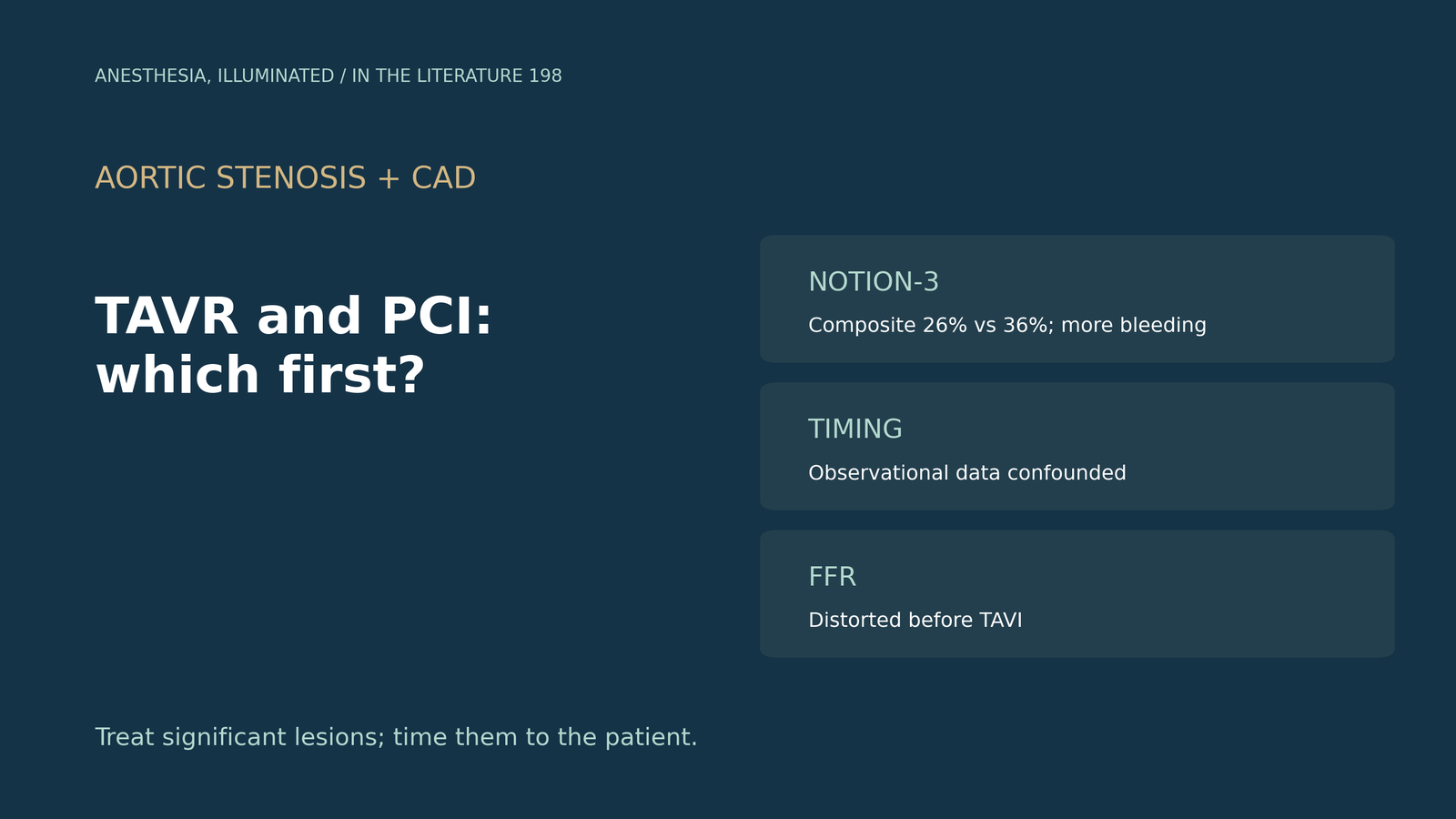
- The overlap is large. About 50% of patients presenting for TAVI have coronary disease, yet only 10 to 20% receive concomitant PCI.[1]
- One trial now supports PCI. In NOTION-3, the composite fell from 36% to 26% with PCI, mostly staged before TAVI, driven by urgent revascularization and at the cost of more bleeding.[1], [2]
- Observational data point the other way on timing. Meta-analyses link PCI before or with TAVI to higher mortality than PCI after TAVI, but these are non-randomized.[3], [4]
- Physiology is distorted before TAVI. Aortic stenosis affects FFR, and checking FFR after TAVI may be better.[1], [4]
- The surgical alternative is still open. TCW favoured PCI plus TAVI at 1 year, but pooled observational data show higher later mortality with TAVR plus PCI.[5], [6]
Before TAVI, a frail 84-year-old has a 90% proximal LAD stenosis on angiography and no clear angina beyond exertional breathlessness. Should the lesion be stented before, during or after the valve, or left alone?[1], [4]
Whether to revascularize at all
Harvey and colleagues note that about 50% of TAVI patients have coronary disease. NOTION-3 randomized 455 patients with severe AS and a significant stenosis; PCI was mostly staged before TAVI (74%). The primary outcome occurred in 26% with PCI versus 36% with conservative care, driven mainly by urgent revascularization, while bleeding was higher with PCI (28% vs 20%).[1] Shapeton and colleagues describe this as a 10% absolute reduction in major adverse cardiac events, contrast it with ACTIVATION, which randomized 235 patients and found no benefit, and stress that PCI carries an increased risk of bleeding.[2]
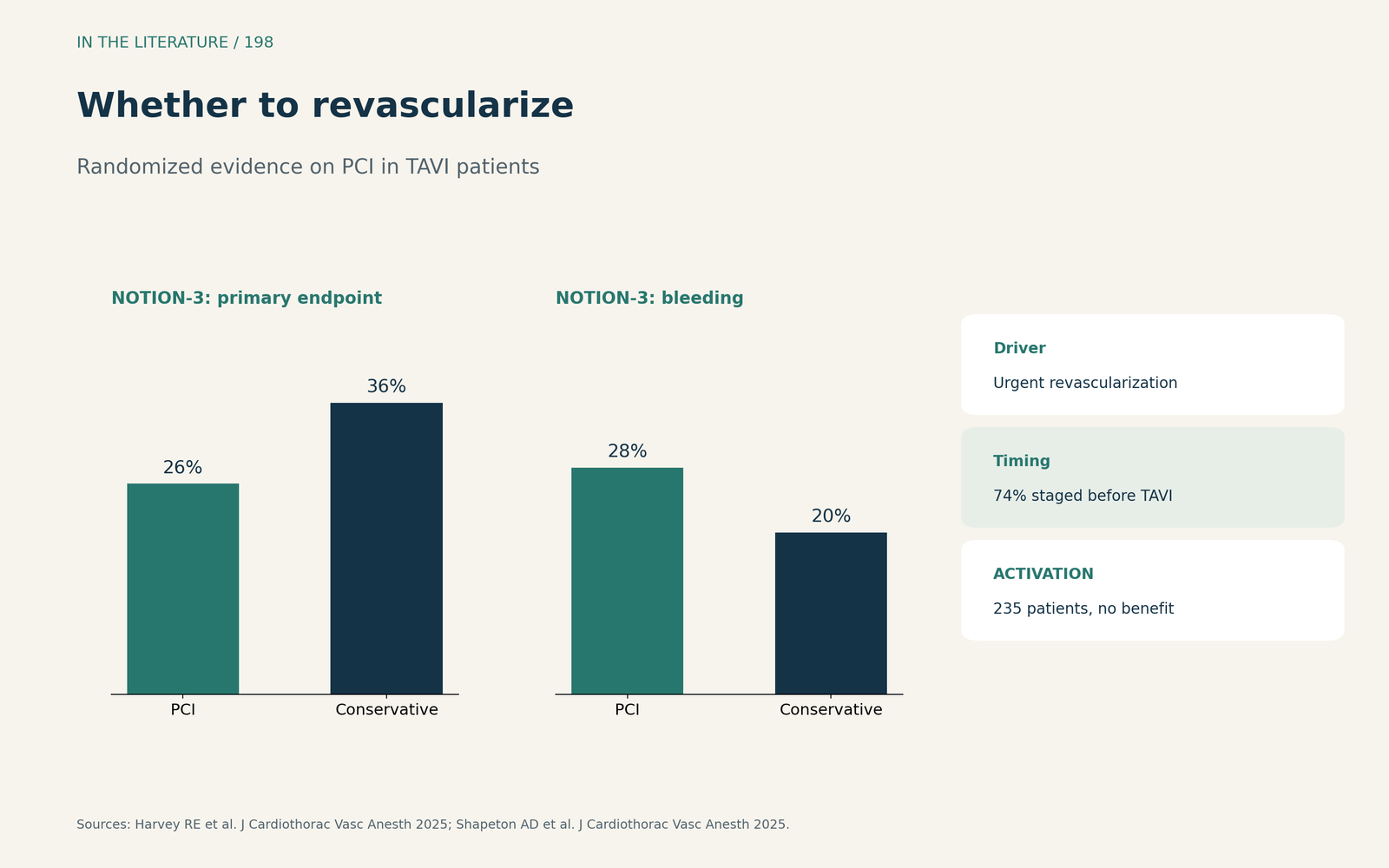
Figure 1. Fewer urgent procedures, more bleeding. Synthesized from Harvey et al. and Shapeton et al.[1], [2] View larger.

When to do it
Guidelines, as summarized by Wang and colleagues, recommend PCI of proximal lesions above 70% before TAVI. Their meta-analysis of 23 studies with 15812 patients, mostly observational, concluded that PCI before or with TAVI may not offer clinical benefit and that PCI after TAVI was associated with lower all-cause mortality.[3] Murray and colleagues found higher 30-day mortality with PCI before or during TAVI than after it (OR 5.70), but note that there is no clear consensus on timing for lack of randomized data. They suggest that performing TAVI first and then reassessing symptoms may be reasonable, and point out that aortic stenosis affects FFR through raised left ventricular pressure.[4] Harvey and colleagues add that checking FFR after TAVI may be better.[1]
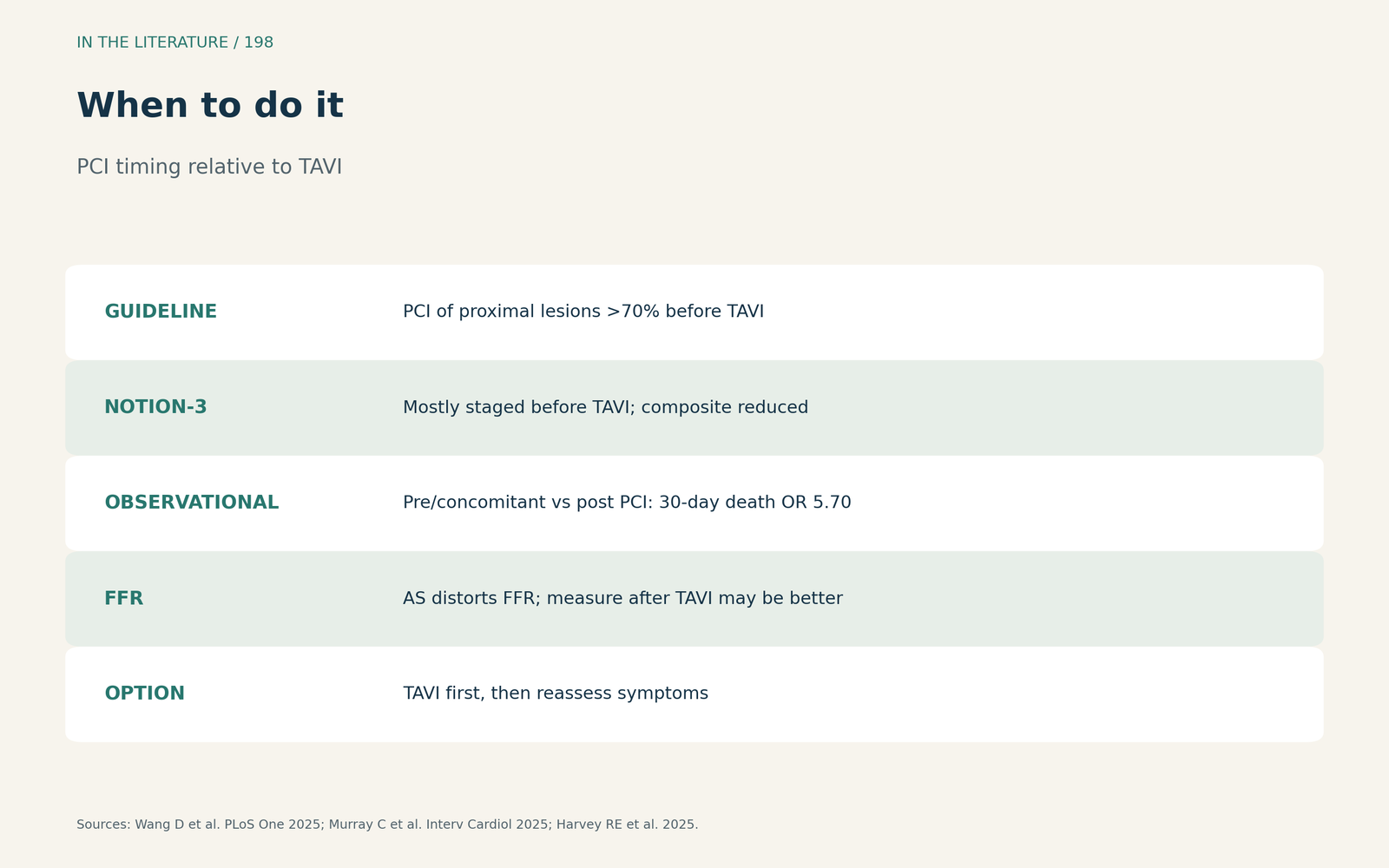
Figure 2. Before, during or after: confounded signals. Redrawn from Wang et al., Murray et al. and Harvey et al.[3], [4], [1] View larger.

Percutaneous or surgical?
The TCW trial enrolled 172 patients aged 70 or older. The primary endpoint occurred in 4% with FFR-guided PCI plus TAVI versus 23% with SAVR plus CABG, and mortality was 0% versus 10% at 1 year.[5] Shapeton and colleagues caution that 22% of the surgical patients did not receive a LIMA graft.[2] Fang and colleagues' meta-analysis found that TAVR plus PCI had lower 30-day stroke, myocardial infarction and kidney injury, but higher mid- to long-term mortality (OR 1.27).[6]
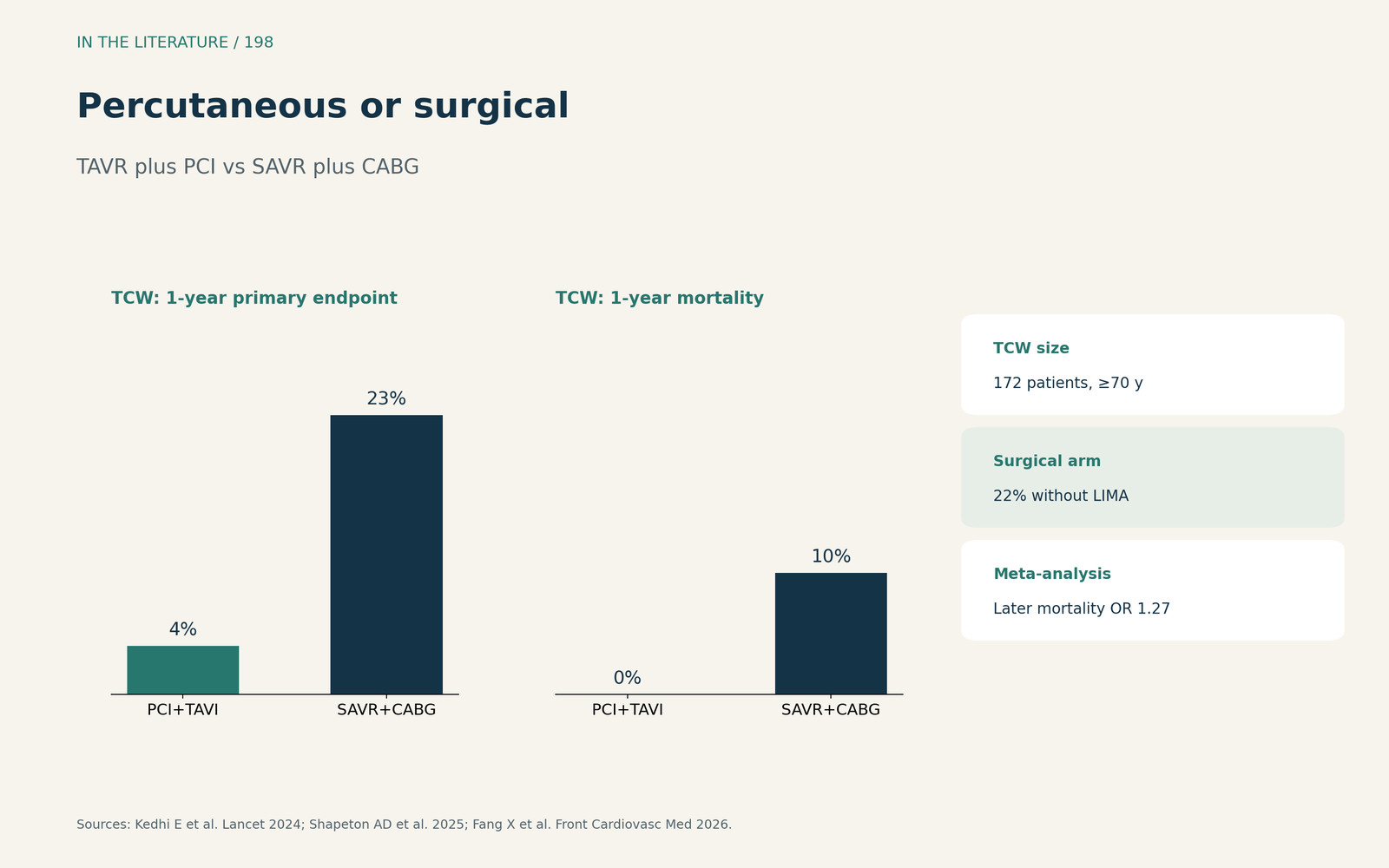
Figure 3. Early safety versus long-term durability. Redrawn from Kedhi et al., Shapeton et al. and Fang et al.[5], [2], [6] View larger.

Three takeaways
- For significant stable lesions, NOTION-3 supports PCI, usually before TAVI, to prevent urgent revascularization, at a bleeding cost.[1]
- Observational data favouring PCI after TAVI are confounded; FFR before TAVI may mislead.[3], [4]
- For complex disease, weigh early safety of TAVR plus PCI against longer-term outcomes of surgery.[5], [6]
References
- Harvey RE, Disque A, Poorsattar S, et al. Concomitant percutaneous coronary intervention during transcatheter aortic valve implantation: new literature supports clinical benefit. J Cardiothorac Vasc Anesth. 2025;39(9):2232–2235. doi:10.1053/j.jvca.2025.04.023
- Shapeton AD, Ortoleva J, Almarzooq ZI. The aortic valve replacement and revascularization odyssey: individualized treatment decisions in severe aortic stenosis with coronary artery disease. J Cardiothorac Vasc Anesth. 2025;39(7):1626–1629. doi:10.1053/j.jvca.2025.03.034
- Wang D, Lai S, Wang Z, et al. Impact of PCI strategies on outcomes of patients undergoing transcatheter aortic valve implantation with concomitant coronary artery disease: a systematic review and meta-analysis. PLoS One. 2025;20(4):e0321395. doi:10.1371/journal.pone.0321395
- Murray C, Ryan C, Cronin M, et al. Management of coronary artery disease in the context of transcatheter aortic valve implantation: a systematic review and meta-analysis of percutaneous coronary intervention timing and an algorithmic approach to management. Interv Cardiol. 2025;20:e21. doi:10.15420/icr.2024.51
- Kedhi E, Hermanides RS, Dambrink JHE, et al. TransCatheter aortic valve implantation and fractional flow reserve-guided percutaneous coronary intervention versus conventional surgical aortic valve replacement and coronary bypass grafting for treatment of patients with aortic valve stenosis and complex or multivessel coronary disease (TCW): an international, multicentre, prospective, open-label, non-inferiority, randomised controlled trial. Lancet. 2024;404(10471):2593–2602. doi:10.1016/S0140-6736(24)02100-7
- Fang X, Zhang X, Wei F, et al. Comparing TAVR + PCI vs. SAVR + CABG across short- and mid- to long-term horizons in patients with severe aortic stenosis and concomitant CAD: a systematic review and meta-analysis. Front Cardiovasc Med. 2026;13:1640906. doi:10.3389/fcvm.2026.1640906