
ITL-d71305444c3b
Juan Li, MD · Updated November 18, 2026
Key points
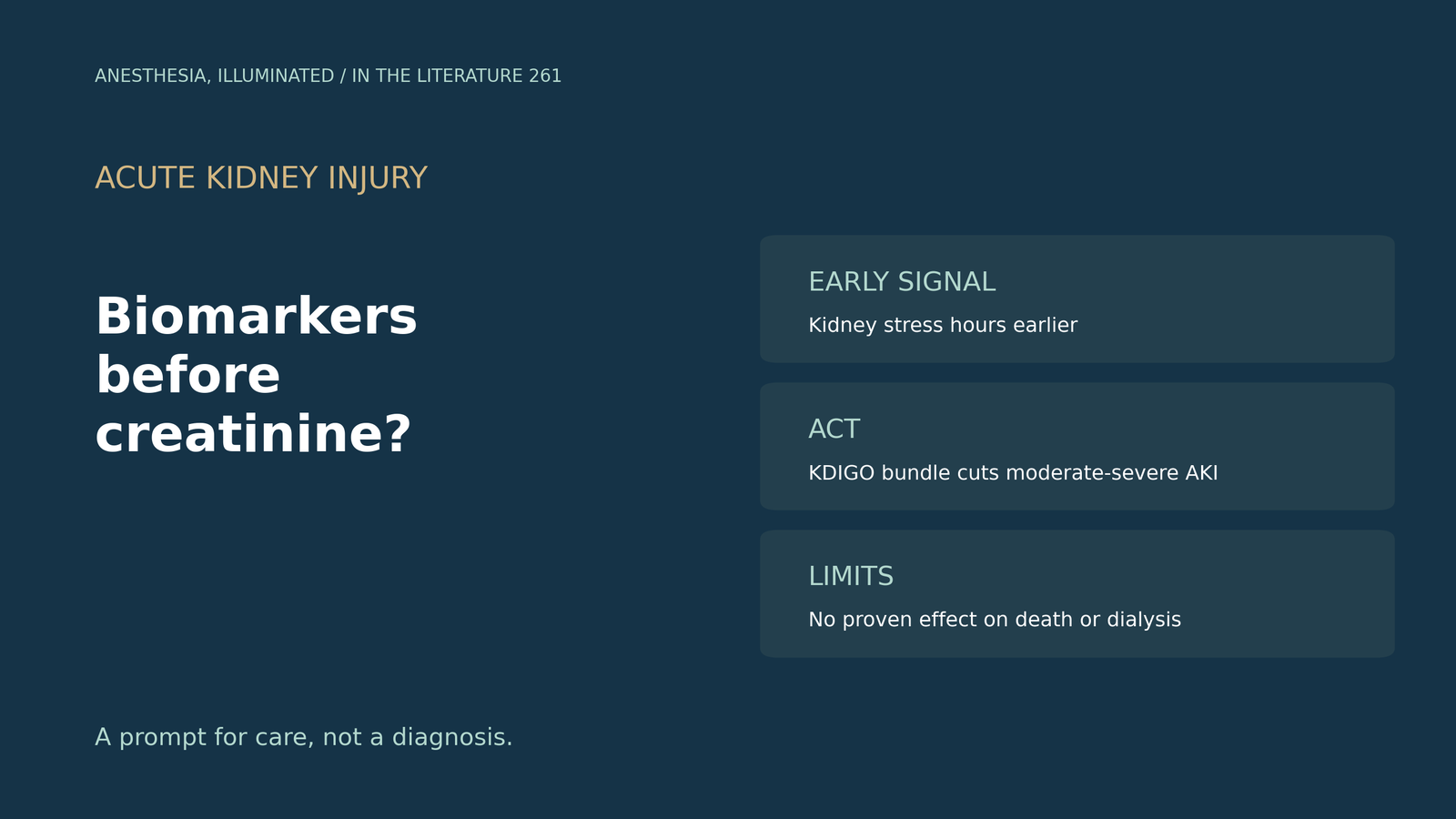
- Moderate accuracy. In ICU adults, NGAL had sensitivity of 65–89% and specificity of 60–85%.[1]
- Earlier signal in surgery. Intraoperative urinary KIM1, but not IL-18, was associated with AKI after cardiac surgery.[2]
- Predicting persistence. Urinary CCL14 predicted persistent stage 3 AKI with an AUC of 0.83.[3]
- Acting on a positive test helps the kidney. In PrevAKI, a KDIGO bundle in biomarker-positive patients lowered AKI from 71.7% to 55.1%.[4] BigpAK-2 confirmed fewer moderate or severe AKI cases after major surgery.[5]
- But not hard outcomes. Pooled trials showed no differences in death, dialysis or MAKE90.[6]
After cardiac surgery, a patient's creatinine is still normal, but a urinary biomarker test comes back high. Does that result change management?
How well biomarkers detect early AKI
A systematic review of ICU adults (Matarneh et al., Ren Fail 2025) found that NGAL had sensitivity of 65–89% and specificity of 60–85% (AUC 0.70–0.91), while KIM-1 showed moderate performance (AUC 0.64–0.80). Biomarkers can rise within 2–4 h of a renal insult, but NGAL is not entirely specific for kidney injury, and no single biomarker is yet sufficient for routine ICU use.[1] In cardiac surgery (Silverton et al., J Cardiothorac Vasc Anesth 2021), intraoperative urinary KIM1, but not IL-18, was associated with AKI; the end-of-surgery value had sensitivity 0.95, specificity 0.49 and AUC 0.72, consistent with detecting structural damage earlier than creatinine.[2] The RUBY study (Hoste et al., Intensive Care Med 2020) analysed 331 of 364 enrolled patients and found that urinary CCL14 predicted persistent stage 3 AKI with an AUC of 0.83 (0.78–0.87).[3] Physiological markers point the same way: after bypass, renal oxygenation worsened and urinary NAG/creatinine, a tubular injury marker, rose up to seven-fold (Lannemyr et al., Anesthesiology 2017),[7] and higher post-bypass urinary oxygen tension was associated with lower AKI risk (RR 0.82, 0.71–0.95) in a pilot cohort (Silverton et al., Anesthesiology 2021).[8]
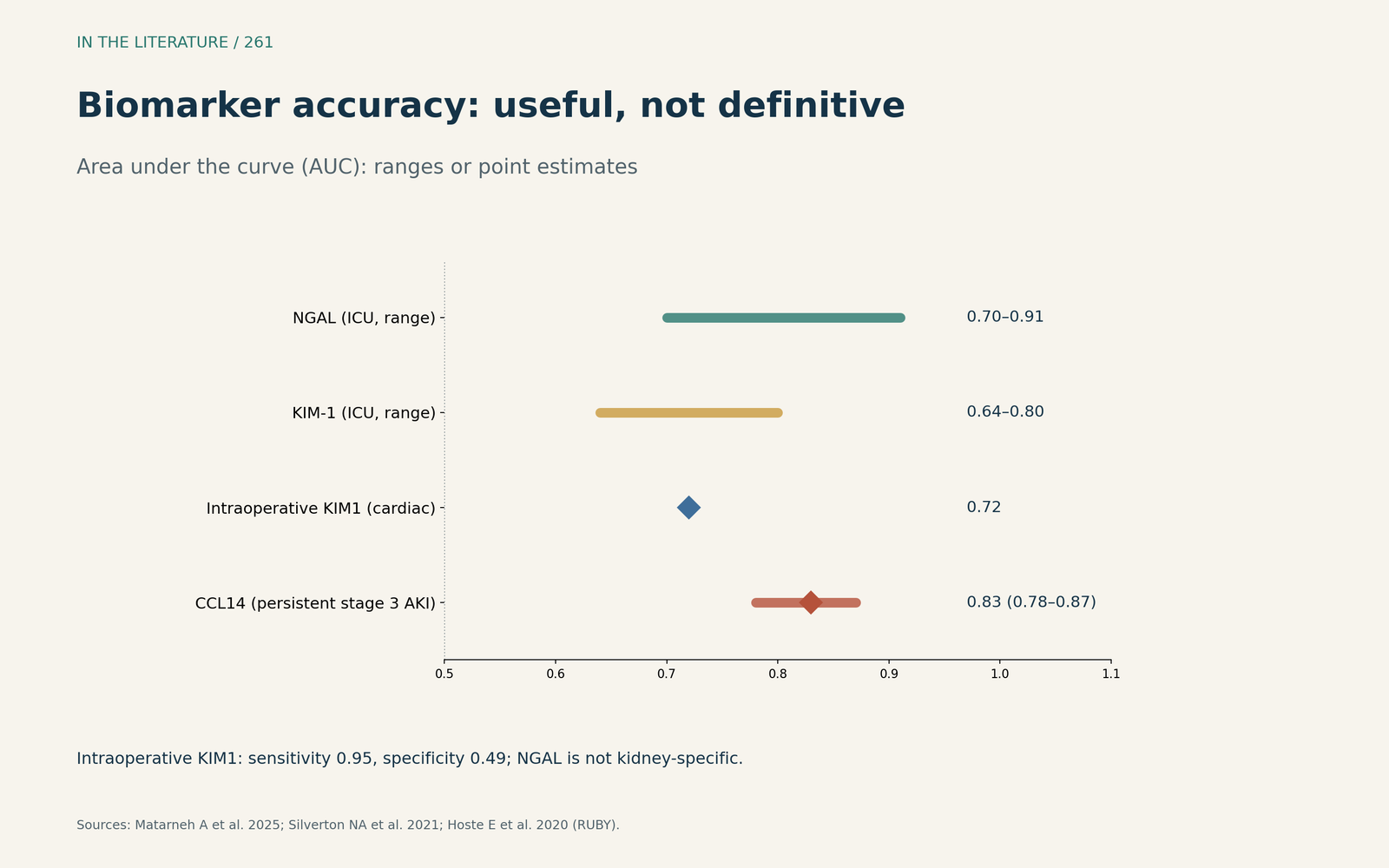
Figure 1. Discrimination is moderate to good, but specificity is limited. Data from Matarneh et al., Silverton et al. and the RUBY study.[1], [2], [3] View larger.

Biomarker-guided prevention trials
In PrevAKI (Meersch et al., Intensive Care Med 2017), biomarker-positive cardiac surgery patients given a KDIGO care bundle had AKI in 55.1% versus 71.7%, although single-centre effect sizes are likely overestimated.[4] BigpAK-2 (Zarbock et al., Lancet 2025) used urinary biomarkers to identify high-risk patients after major surgery; of 1180 randomized, moderate or severe AKI occurred in 84 with the bundle versus 131 controls (number needed to treat 12). Most AKI diagnoses rested on the oliguria criterion, and the trial was not powered for long-term outcomes.[5] Pooling 1,851 participants (von Groote et al., Intensive Care Med 2026), moderate or severe AKI was 17.7% with the bundle versus 27.1% (OR 0.55), with no differences in death, dialysis or MAKE90.[6]
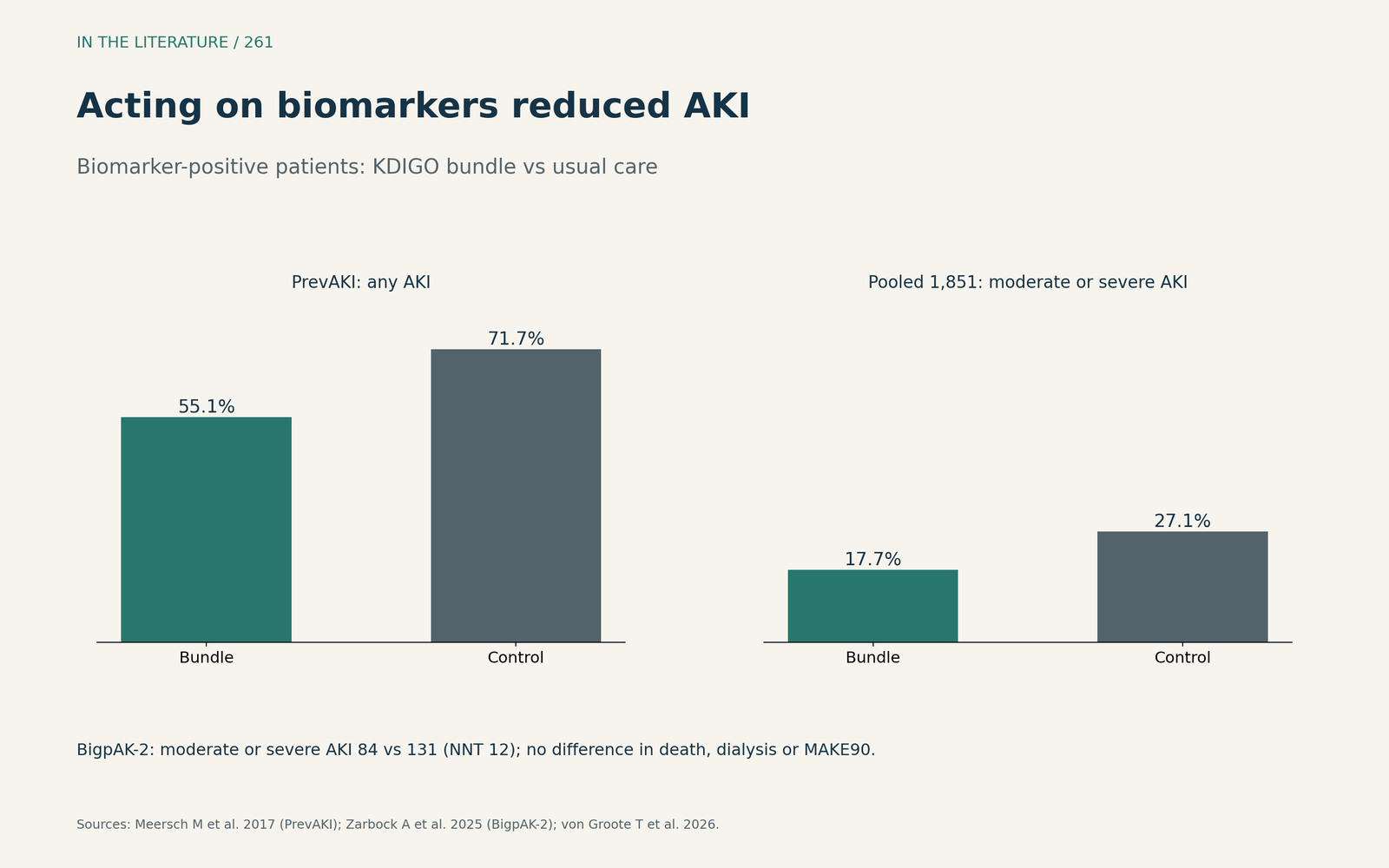
Figure 2. A KDIGO bundle in biomarker-positive patients reduced AKI. Data from PrevAKI and the pooled analysis by von Groote et al.[4], [6] View larger.

Limits and costs
The pooled analysis notes that the incremental clinical value of biomarker-guided selection itself remains uncertain, and that three of the included trials were run or coordinated by the authors' group.[6] A review (Cuttone et al., J Cardiothorac Vasc Anesth 2026) adds that about 30% to 40% of patients with markedly elevated biomarkers recover fully without intervention, and that preventing one severe AKI may require testing 20 to 30 patients at $6,000 to $12,000.[9]
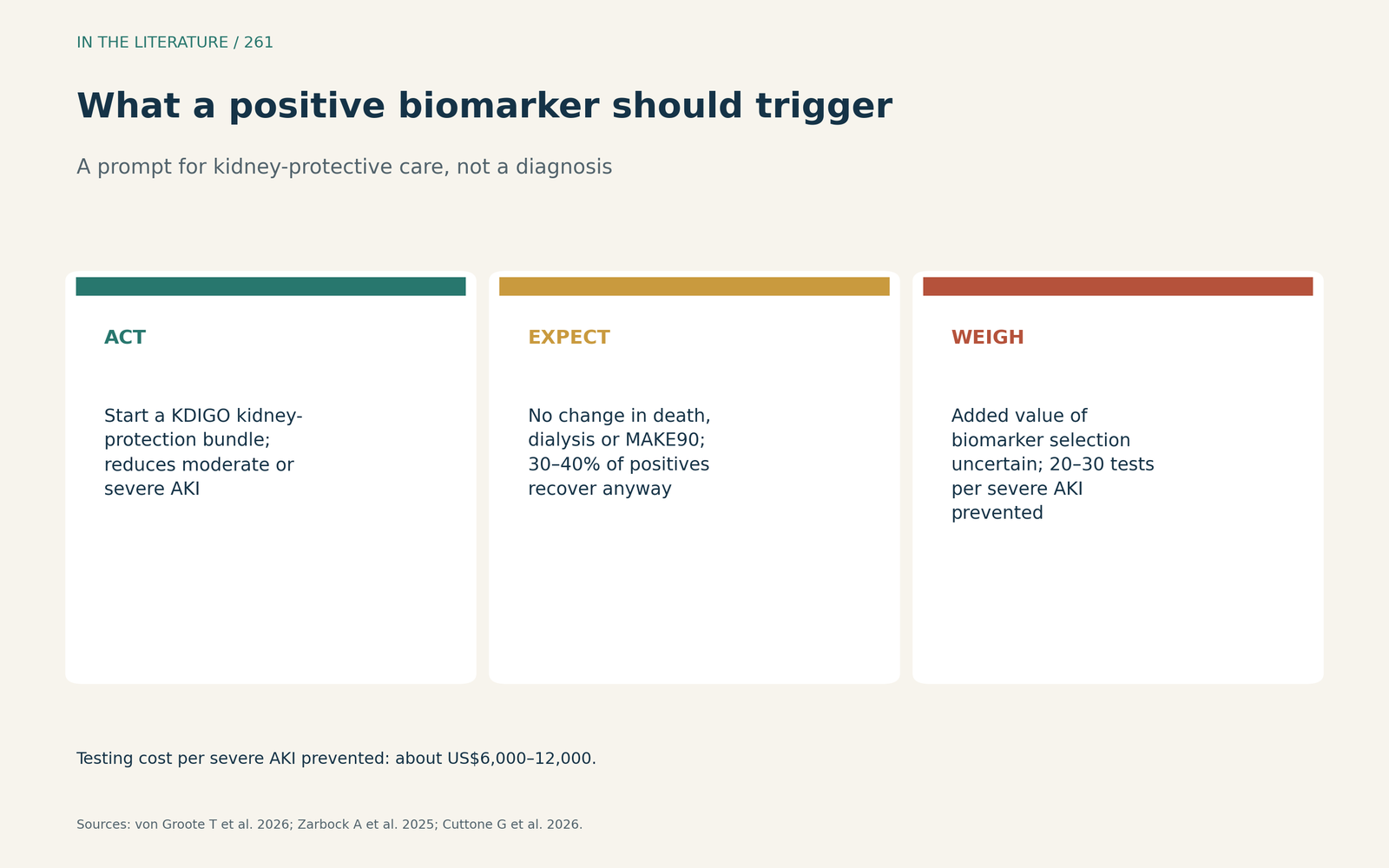
Figure 3. A positive result is a prompt for kidney-protective care, not a diagnosis. Synthesized from von Groote et al., Zarbock et al. and Cuttone et al.[6], [5], [9] View larger.

Three takeaways
- Biomarkers can signal kidney stress before creatinine rises, but none is accurate or specific enough alone.[1], [2], [3]
- A positive result is most useful as a trigger for a KDIGO kidney-protection bundle, which reduced moderate or severe AKI.[4], [5], [6]
- Expect fewer AKI diagnoses, not proven effects on death or dialysis, and weigh cost and false alarms.[6], [9]
References
- Matarneh A, Akkari A, Sardar S, et al. Beyond creatinine: diagnostic accuracy of emerging biomarkers for AKI in the ICU – a systematic review. Ren Fail. 2025;47(1):2556295. doi:10.1080/0886022X.2025.2556295
- Silverton NA, Hall IE, Melendez NP, et al. Intraoperative urinary biomarkers and acute kidney injury after cardiac surgery. J Cardiothorac Vasc Anesth. 2021;35(6):1691–1700. doi:10.1053/j.jvca.2020.12.026
- Hoste E, Bihorac A, Al-Khafaji A, et al. Identification and validation of biomarkers of persistent acute kidney injury: the RUBY study. Intensive Care Med. 2020;46(5):943–953. doi:10.1007/s00134-019-05919-0
- Meersch M, Schmidt C, Hoffmeier A, et al. Prevention of cardiac surgery-associated AKI by implementing the KDIGO guidelines in high risk patients identified by biomarkers: the PrevAKI randomized controlled trial. Intensive Care Med. 2017;43(11):1551–1561. doi:10.1007/s00134-016-4670-3
- Zarbock A, Ostermann M, Forni L, et al. A preventive care strategy to reduce moderate or severe acute kidney injury after major surgery (BigpAK-2): a multinational, randomised clinical trial. Lancet. 2025;406(10521):2782–2791. doi:10.1016/S0140-6736(25)01717-9
- von Groote T, Bormann E, Marcello M, et al. Implementation of a kidney protection strategy to prevent acute kidney injury after major surgery in high-risk patients identified by biomarkers: a systematic review and individual participant data meta-analysis of randomized controlled trials. Intensive Care Med. 2026;52(5):1023–1034. doi:10.1007/s00134-026-08399-1
- Lannemyr L, Bragadottir G, Krumbholz V, et al. Effects of cardiopulmonary bypass on renal perfusion, filtration, and oxygenation in patients undergoing cardiac surgery. Anesthesiology. 2017;126(2):205–213. doi:10.1097/ALN.0000000000001461
- Silverton NA, Lofgren LR, Hall IE, et al. Noninvasive urine oxygen monitoring and the risk of acute kidney injury in cardiac surgery. Anesthesiology. 2021;135(3):406–418. doi:10.1097/ALN.0000000000003663
- Cuttone G, La Via L, Senussi Testa T, et al. Acute kidney injury in cardiac surgery: a comprehensive review of perioperative strategies and emerging biomarkers. J Cardiothorac Vasc Anesth. 2026;40(5):1541–1554. doi:10.1053/j.jvca.2025.11.009