ITL-c72947908f4f
Juan Li, MD · Updated November 18, 2026
Key points
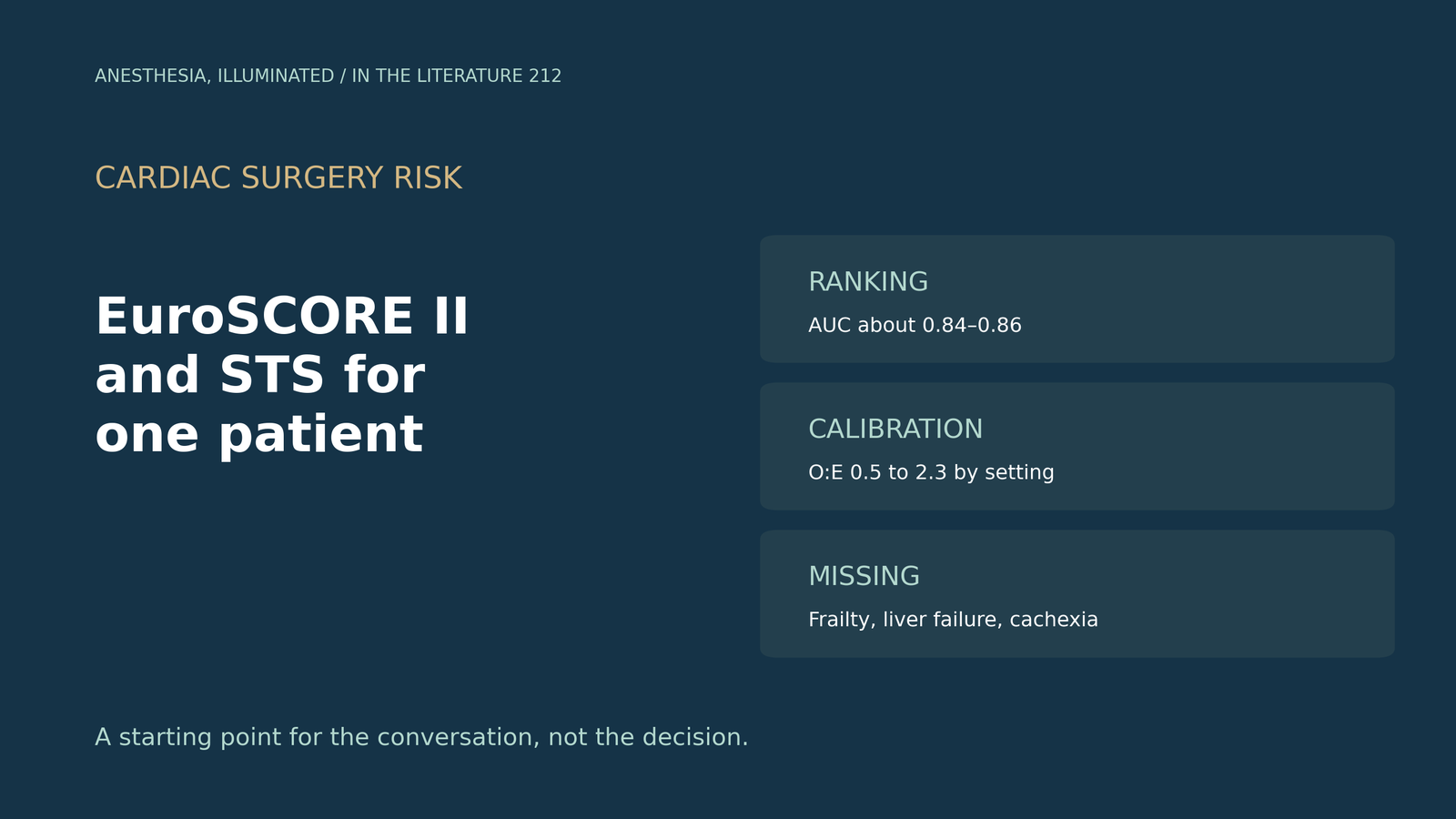
- They rank risk well but miscalibrate. EuroSCORE II and STS reliably predict short-term mortality, yet EuroSCORE II overestimated risk in North America (O:E 0.515) and underestimated it in South America (O:E 2.279).[1]
- Discrimination is similar. AUCs were 0.844 for EuroSCORE II and 0.846 for STS, and the STS O:E was 0.68 in one US centre.[2]
- Calibration drifts. In the Netherlands, EuroSCORE II consistently overestimated mortality, with O:E between 0.50 and 0.95.[3]
- The horizon is short. STS and EuroSCORE underestimated one-year mortality after valve surgery by 51% and 41%.[4]
- Some risks are invisible to the score. Of 156 deaths, 60 (38.5%) had high-risk factors not in EuroSCORE II, and frailty doubled in-hospital mortality risk.[5], [6]
A frail 81-year-old with cirrhosis is scheduled for aortic valve replacement and CABG; the EuroSCORE II is 4%. What does that number mean for this patient, and how should it be used in the conversation?[1], [5]
How well the scores work
Sinha and colleagues' meta-analysis found EuroSCORE II and STS to be reliable predictors of short-term mortality, used for counselling and team discussion. For EuroSCORE II (42 populations, 190 378 patients, 6254 deaths), the O:E was 0.515 in North America and 2.279 in South America; STS is recalibrated annually to keep the O:E near 1.[1] Ad and colleagues found AUCs of 0.844 for EuroSCORE II and 0.846 for STS, but an STS O:E of 0.68.[2] Van Dijk and colleagues found that EuroSCORE II consistently overestimated mortality in the Netherlands, with O:E ratios from 0.50 to 0.95 and a mean AUC of 0.86.[3]
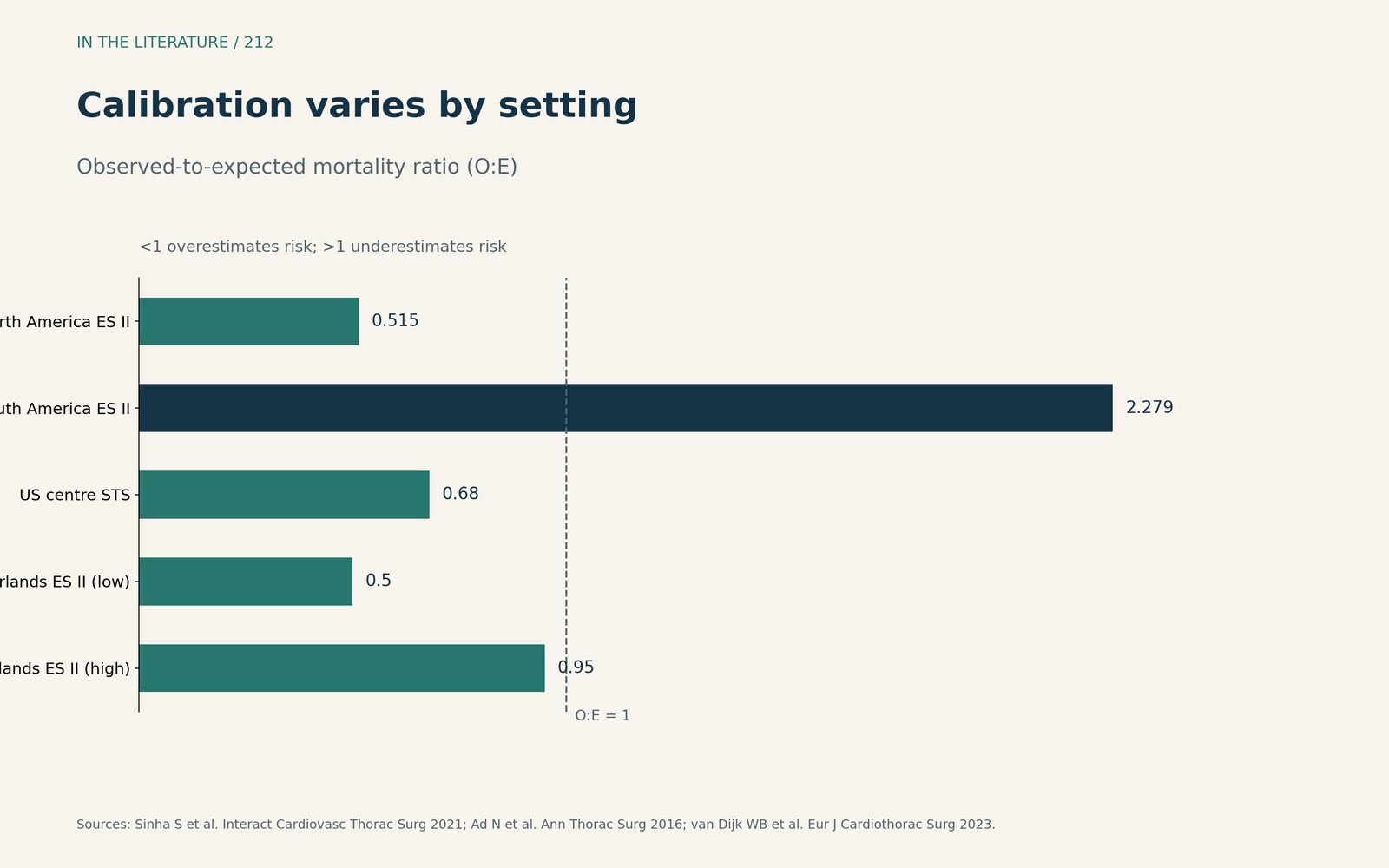
Figure 1. Good ranking, variable calibration. Redrawn from Sinha et al., Ad et al. and van Dijk et al.[1], [2], [3] View larger.

What the scores miss
Zhuo and colleagues found that STS and EuroSCORE underestimated one-year mortality after valve surgery by 51% and 41%, with observed one-year mortality of 7.7%, though the small sample limited power.[4] Roefs and colleagues note that EuroSCORE II predicts in-hospital, not 30-day, mortality and does not include all risk factors: liver failure and cachexia add risk, and 60 of 156 deaths (38.5%) had additional high-risk factors.[5] Iacobescu and colleagues point out that scores discriminate reasonably but may calibrate poorly, ignore performance status and frailty, and that frail patients had a two-fold higher in-hospital mortality risk; they add that selecting patients solely on age is not recommended.[6] Conversely, a risk factor outside the scores may matter less than feared: in a cohort where 8% had a cancer diagnosis, cancer was not associated with 1-year mortality after adjustment (Portefaix et al., J Cardiothorac Vasc Anesth 2022).[7]
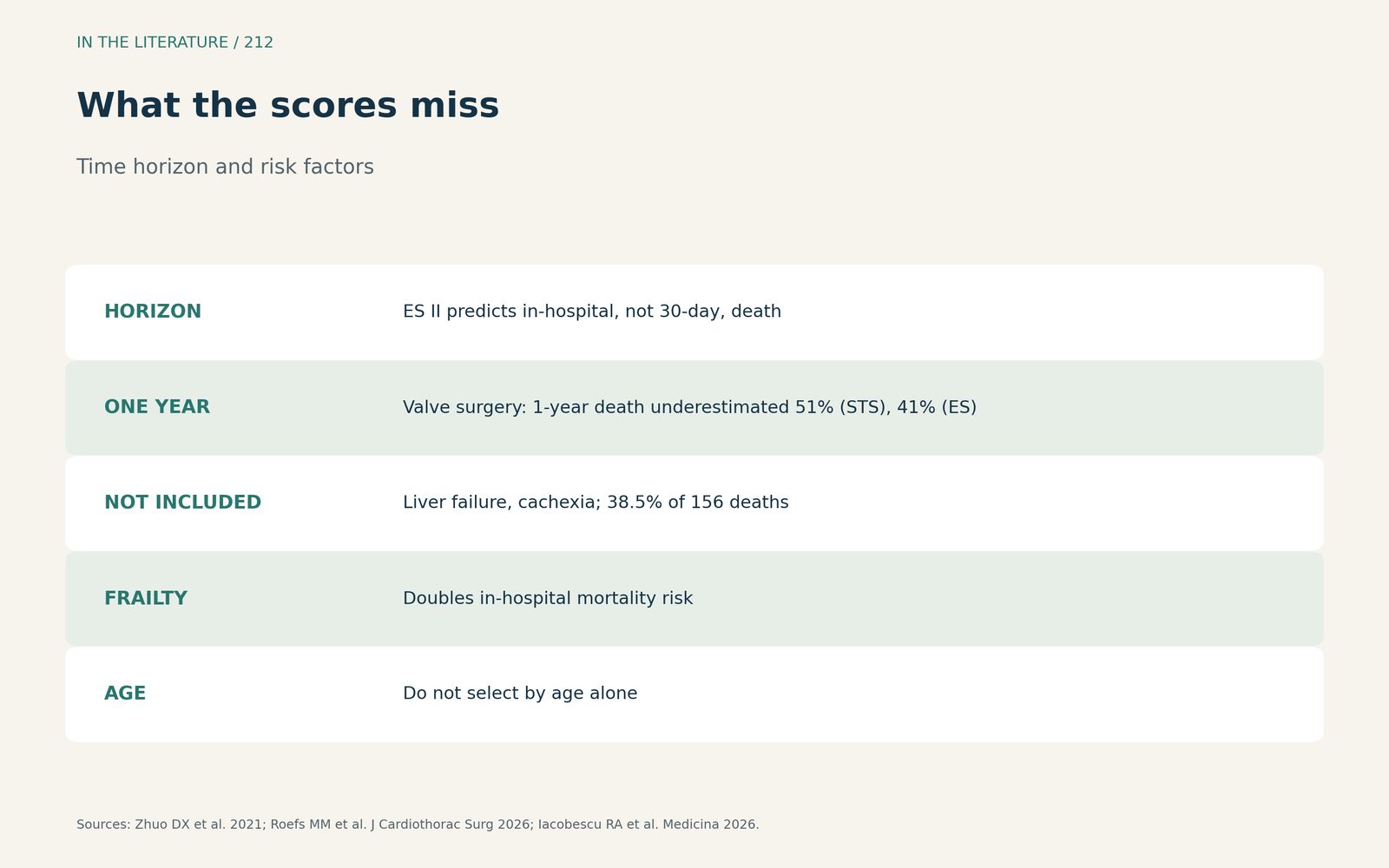
Figure 2. Time horizon and missing factors. Synthesized from Zhuo et al., Roefs et al. and Iacobescu et al.[4], [5], [6] View larger.

Using a score at the bedside
Ad and colleagues conclude that no clinical decision should rest solely on a calculated score; scores are meant to aid rather than govern decisions.[2]
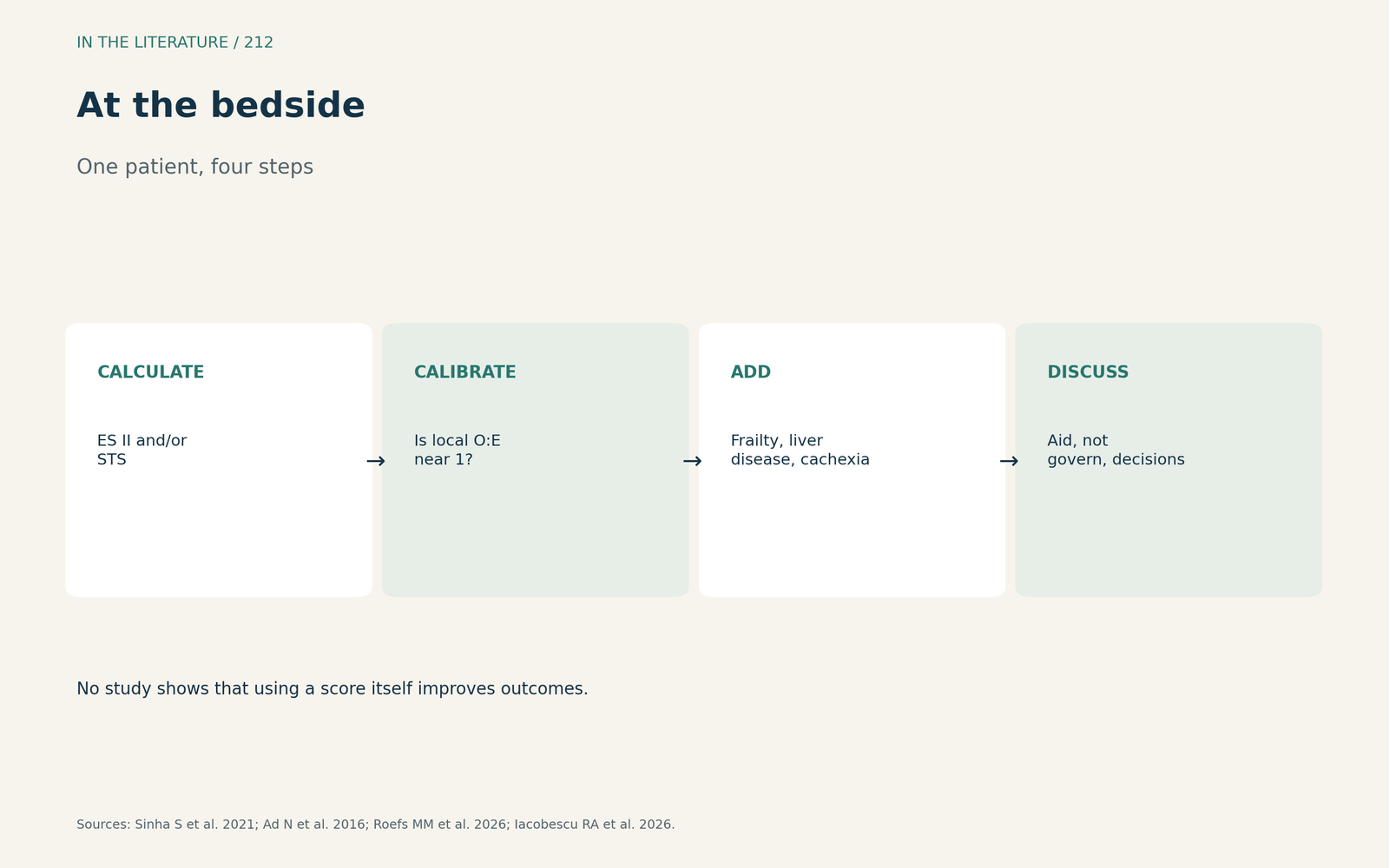
Figure 3. Calculate, calibrate, add what is missing, then discuss. Synthesized from Sinha et al., Ad et al., Roefs et al. and Iacobescu et al.[1], [2], [5], [6] View larger.

Three takeaways
- EuroSCORE II and STS rank risk well, but local calibration decides whether the percentage is accurate.[1], [3]
- They predict short-term death and miss frailty and other factors.[4], [5], [6]
- Use the score to start the conversation, not to make the decision.[2]
References
- Sinha S, Dimagli A, Dixon L, et al. Systematic review and meta-analysis of mortality risk prediction models in adult cardiac surgery. Interact Cardiovasc Thorac Surg. 2021;33(5):673–686. doi:10.1093/icvts/ivab151
- Ad N, Holmes SD, Patel J, et al. Comparison of EuroSCORE II, original EuroSCORE, and the Society of Thoracic Surgeons risk score in cardiac surgery patients. Ann Thorac Surg. 2016;102(2):573–579. doi:10.1016/j.athoracsur.2016.01.105
- van Dijk WB, Leeuwenberg AM, Grobbee DE, et al. Dynamics in cardiac surgery: trends in population characteristics and the performance of the EuroSCORE II over time. Eur J Cardiothorac Surg. 2023;64(3):ezad301. doi:10.1093/ejcts/ezad301
- Zhuo DX, Bilchick KC, Shah KP, et al. MAGGIC, STS, and EuroSCORE II risk score comparison after aortic and mitral valve surgery. J Cardiothorac Vasc Anesth. 2021;35(6):1806–1812. doi:10.1053/j.jvca.2020.11.053
- Roefs MM, Daeter EJ, Thio MSY, et al. Assessing the prevalence of risk factors not included in the EuroSCORE II and their impact on hospital benchmarking in cardiac surgery. J Cardiothorac Surg. 2026;21(1):871. doi:10.1186/s13019-026-04639-z
- Iacobescu RA, Lunguleac T, Antoniu S, et al. Risk stratification for postoperative mortality in cardiac surgery: “quo vadis”? Medicina (Kaunas). 2026;62(3):606. doi:10.3390/medicina62030606
- Portefaix H, Papin G, Kantor E, et al. One-year outcome after cardiac surgery for patients with cancer: an observational monocentric retrospective study. J Cardiothorac Vasc Anesth. 2022;36(7):1934–1941. doi:10.1053/j.jvca.2021.11.014